
Choosing between a boil-and-bite and a custom-fit mouth guard for boxing comes down to how closely the protective barrier conforms to your teeth and how much impact energy your training sessions involve. While custom-fit guards provide a highly precise, stable fit that distributes impact forces evenly across your dental arch, boil-and-bite guards offer a highly accessible, adaptable, and budget-friendly alternative for athletes focusing on non-contact drills or entry-level sparring.
In combat sports, a mouth guard does more than just shield your teeth from direct chips and fractures. It acts as a critical shock absorber that helps stabilize the jaw, reducing the risk of joint displacement and soft tissue lacerations inside the mouth. Understanding how these two distinct types of protective gear function under pressure will help you make an informed decision that balances safety, comfort, and cost.
How Boil-and-Bite and Custom-Fit Mouth Guards Work
Boil-and-bite mouth guards are manufactured from thermoplastic materials, most commonly ethylene-vinyl acetate (EVA). This material is designed to soften when submerged in hot water, becoming pliable enough to take a general impression of your teeth when you bite down and press the material against your gums. While this process allows for a semi-custom fit at home, the manual molding process has inherent physical limitations. Because the material is compressed unevenly by your bite pressure and finger placement, certain areas—particularly the biting surfaces of your molars—can become excessively thin, reducing the protective barrier where you need it most.
Products mentioned in this guide
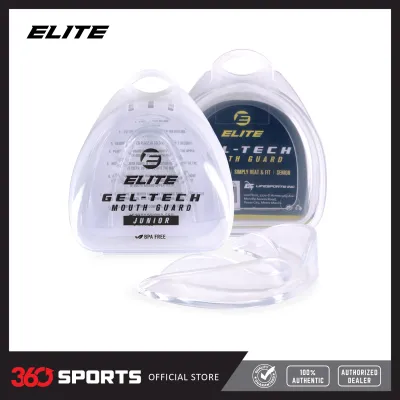
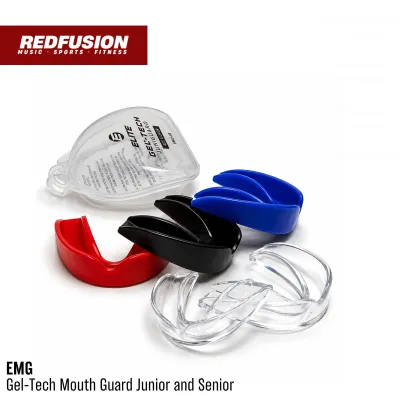
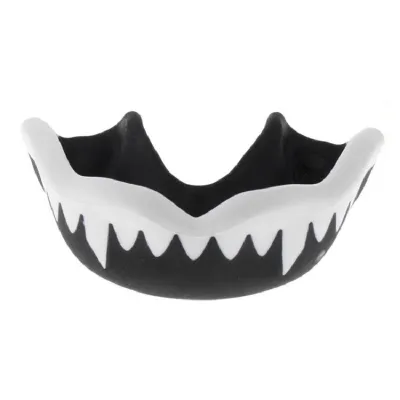
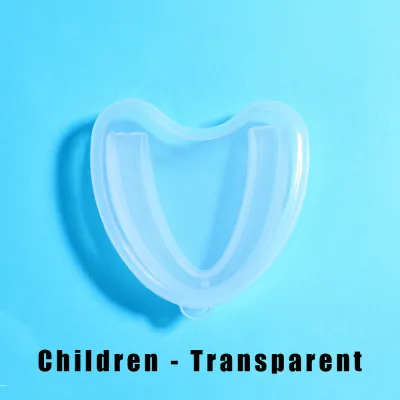
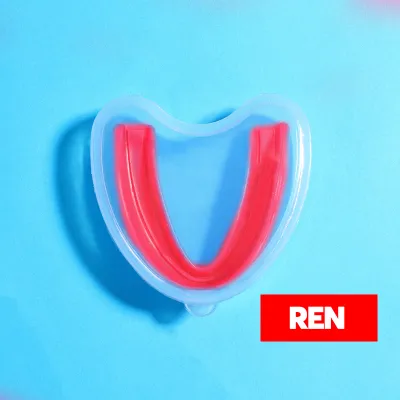
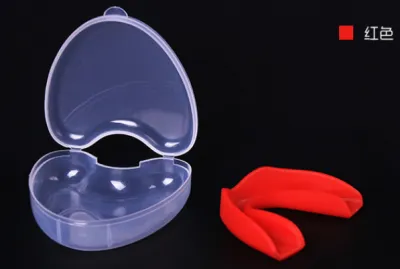
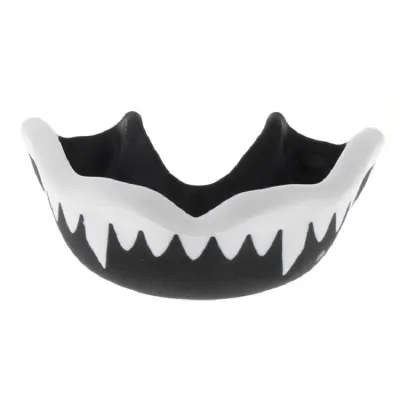
Prices are valid at publication and may change. Please refer to the product page for the latest price.
Custom-fit mouth guards, by contrast, rely on a precise dental impression of your unique oral anatomy. This impression is typically captured using a professional dental putty mold or a digital 3D intraoral scanner. A laboratory technician or specialized manufacturer then vacuum-forms or pressure-molds professional-grade dental laminates over the resulting stone model of your teeth. This advanced fabrication process ensures a uniform material thickness across the entire guard, matching every contour of your dental arch.
The primary biomechanical difference between the two lies in how they disperse impact energy. When a punch lands on a custom-fit guard, the force is distributed evenly across your entire dental arch and jaw structure because there are no gaps between the guard and your teeth. A boil-and-bite guard, which often has minor internal voids and uneven thickness, may concentrate the force on prominent teeth, increasing the risk of localized dental trauma during high-impact sparring.
Evaluating Protection, Comfort, and Durability
When evaluating mouth guards for boxing, protection level is the most critical factor to consider. A high-quality guard must mitigate the force of direct strikes to the face. When shopping for a boil-and-bite guard, check the packaging for multi-layer construction or shock-absorbing gel liners, which help compensate for the lack of custom molding. For custom-fit guards, verify the specified thickness of the dental laminate; sparring guards typically require a thickness of 3 to 4 millimeters to provide adequate cushioning against heavy blows.

Comfort and breathing ease directly impact your performance and stamina during intense rounds. A bulky, poorly fitted boil-and-bite guard requires you to keep your jaw clenched to prevent it from falling out. This constant muscle tension leads to rapid jaw fatigue and restricts your ability to breathe deeply through your mouth. A custom-fit guard, however, features superior retention, staying firmly locked onto your upper teeth even when your mouth is wide open. This allows you to breathe naturally, communicate clearly with your coach between rounds, and focus entirely on your defense.
Durability and maintenance requirements vary significantly between the two types. Thermoplastic boil-and-bite guards tend to degrade faster under the heat and moisture of regular training, often losing their shape or thinning out within three to six months. Custom-fit guards utilize dense, medical-grade materials that resist bite-through and structural deformation, often lasting up to two years with proper care. In the warm, humid climate of the Philippines, both types require diligent hygiene to prevent the growth of mold and bacteria, though the smoother surfaces of custom guards are generally easier to keep clean.
Cost and accessibility represent the most obvious trade-off for boxers. Boil-and-bite guards are highly accessible, available at almost any local sporting goods store or online marketplace for a low upfront cost, typically ranging from ₱ to ₱₱. Custom-fit guards require a much higher initial investment, often falling into the ₱₱₱ to ₱₱₱₱ range due to the cost of impression kits, laboratory labor, and shipping. However, because custom guards last significantly longer, the cost per training session can be comparable over time.
Quick Comparison: Boil-and-Bite vs Custom-Fit
The following matrix summarizes the core differences between boil-and-bite and custom-fit mouth guards to help you quickly evaluate your options.
| Feature | Boil-and-Bite | Custom-Fit | Verification Check |
|---|---|---|---|
| Fit Precision | Moderate; relies on manual molding | High; matches exact dental contours | Check for gaps along the gumline after molding. |
| Impact Dispersion | Variable; thickness can become uneven | Consistent; uniform material distribution | Verify material thickness specifications on packaging. |
| Breathing Ease | Moderate; may require clenching to retain | High; stays secure without jaw clenching | Test if the guard stays in place when you open your mouth. |
| Expected Lifespan | 3 to 6 months of regular use | 12 to 24 months depending on wear | Inspect weekly for bite-through marks or tears. |
| Relative Cost | Low to Medium (₱ – ₱₱) | High (₱₱₱ – ₱₱₱₱) | Compare laboratory fees and shipping costs for impression kits. |
| Ideal User Profile | Beginners, fitness boxers, bag work | Active competitors, frequent sparring | Match guard type to your weekly sparring volume. |
Which Mouth Guard Should You Choose for Boxing?
Your choice of mouth guard should align with your current training phase, sparring frequency, and personal budget.
Choose Boil-and-Bite if:
- You are a beginner just starting your boxing journey and focusing primarily on non-contact drills, heavy bag work, and pad training.
- You participate in fitness boxing classes where direct facial contact is not part of the curriculum.
- You have a limited budget and need an immediate, accessible protective solution.
- You need a reliable backup guard to keep in your gym bag in case your primary guard is lost or damaged.
Choose Custom-Fit if:
- You engage in regular, high-intensity sparring sessions where you face heavy, direct punches to the face.
- You are preparing for amateur or professional boxing bouts where maximum protection and retention are mandatory.
- You have unique dental structures, crowded teeth, or a sensitive gag reflex that makes bulky retail guards uncomfortable.
- You prioritize optimal breathing, clear communication, and maximum comfort during long training sessions.
Verify first if:
- You wear braces or other fixed orthodontic appliances. Standard boil-and-bite guards can warp your brackets or interfere with tooth movement.
- You suffer from temporomandibular joint (TMJ) disorders or chronic jaw pain.
- You require specific medical clearance due to previous dental surgeries or reconstructive work. In these scenarios, always consult your dentist or orthodontist before purchasing or molding any mouth guard.
Ensuring a Secure Fit and Proper Maintenance
To maximize the protective qualities and lifespan of your mouth guard, you must follow proper fitting and maintenance protocols.
When preparing a boil-and-bite guard, strictly adhere to the manufacturer’s instructions regarding water temperature and immersion times. Using boiling water that is too hot can permanently melt or warp the thermoplastic material, rendering it useless. After heating, use your tongue to pull the air and water out of the guard while pressing your fingers firmly against your lips and cheeks to mold the material around your gums. Finish by placing the guard in cold water to lock the shape.
If you are using a home impression kit for a custom-fit guard, ensure you mix the catalyst and base putties quickly and insert the tray firmly into your mouth without moving or biting down until the material sets. Once your custom guard arrives, perform a fit check. It should suction securely to your upper teeth, cover your dental arch up to the gumline, and release only when you pull it down with your fingers.
Daily maintenance is essential, especially in warm, tropical climates where humidity accelerates bacterial growth. Rinse your mouth guard with cool water immediately after every training session to remove saliva. Clean it regularly using a soft-bristled toothbrush and mild, non-abrasive soap. Never use hot water, as this can warp the material. Store your guard in a clean, perforated case that allows for proper ventilation and air drying. Avoid leaving your guard inside a damp gym bag or exposed to direct sunlight in a hot car, as extreme heat will deform the protective structure.
Frequently Asked Questions (FAQ)
Can I use a standard stock mouth guard for boxing?
No, standard stock mouth guards are highly discouraged for boxing and other combat sports. These pre-formed guards cannot be molded to your teeth, meaning they fit loosely and require you to keep your jaw constantly clenched to hold them in place. This severely restricts your breathing, prevents you from communicating with your corner, and offers virtually no retention. If you take a punch with a loose stock guard, it can easily dislodge, leaving your teeth completely unprotected and increasing the risk of choking.
How often should I replace my boxing mouth guard?
As a general rule, boil-and-bite mouth guards should be replaced every three to six months of regular training, while high-quality custom-fit guards can last between one and two years. However, replacement frequency depends heavily on your training volume and bite force. You should inspect your guard weekly and replace it immediately if you notice visible thinning, bite-through marks, tears, a loss of suction, or if it no longer stays securely on your upper teeth without support.
Do I need a double-layer mouth guard for boxing?
While double-layer mouth guards (which cover both the upper and lower teeth) provide extra protection for the lower jaw, they are rarely preferred by boxers. Double guards feature a small breathing channel in the center, but they require you to keep your mouth closed to maintain protection, which significantly restricts airflow during intense rounds. Most boxers find that a high-quality, properly fitted single-layer (upper) mouth guard provides excellent protection for both arches by cushioning the impact and preventing the lower teeth from slamming into the upper teeth, while still allowing unobstructed breathing.

Community discussion
Share your experience or ask a question. Comments are reviewed before publication.