
Fishing in Bolinao’s coastal waters requires a strategic selection of lures that can handle diverse marine habitats, ranging from shallow reef flats to deep drop-offs. To target local predatory species like talakitok (trevally), lapu-lapu (grouper), and mangagat (snapper), your tackle box should feature a mix of topwater poppers, mid-water minnows, and heavy jigs. Matching your lure to the specific water column and underwater structure is the key to triggering aggressive strikes in these productive northern waters.
Assessing Bolinao's Coastal Structures and Water Conditions
Bolinao, located at the northwestern tip of Pangasinan, features a highly dynamic marine landscape. Anglers encounter shallow coral flats, steep rocky drop-offs, sandy shorelines, and mangrove-lined estuaries. Each of these environments demands a different approach to lure selection to avoid losing gear while maximizing your presentation.
The shallow reef flats and seagrass beds around Santiago Island, for instance, are prime hunting grounds for smaller predators but present a high risk of snagging. In these areas, lightweight lures that run high in the water column are essential. Conversely, the deeper drop-offs and channels require heavier lures that can sink rapidly through strong tidal currents to reach bottom-dwelling species.
Products mentioned in this guide
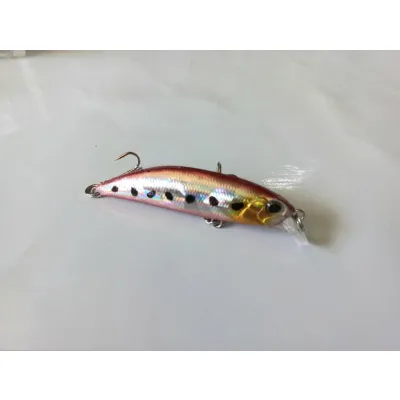
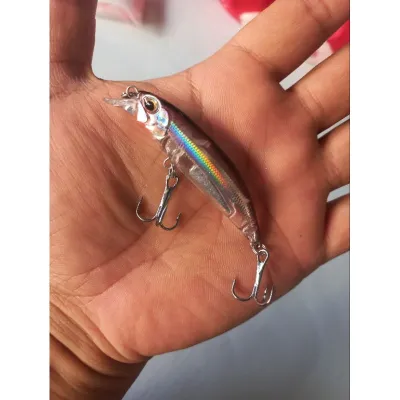
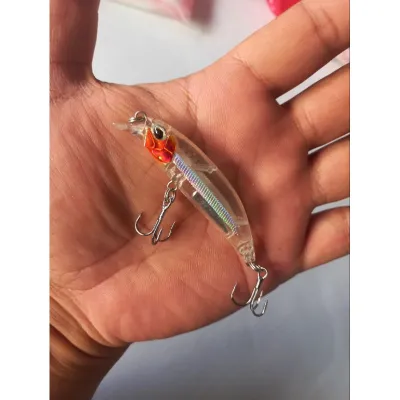
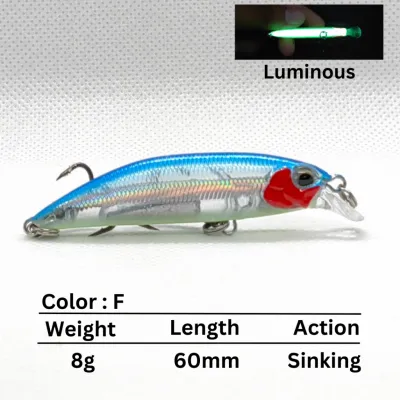
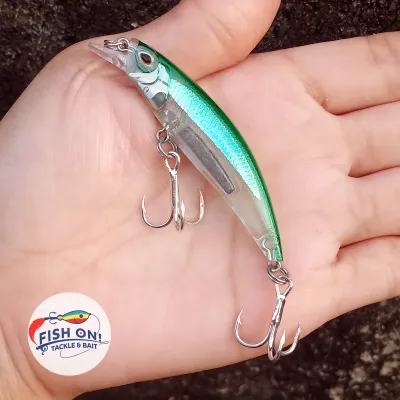
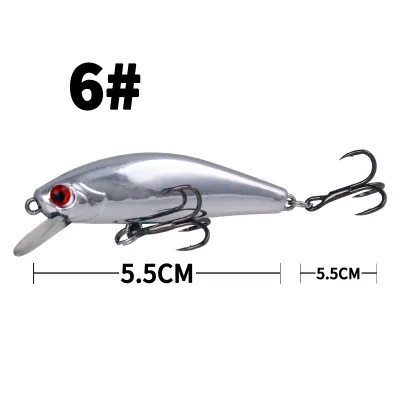
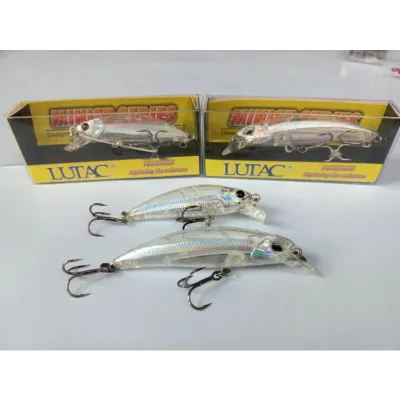
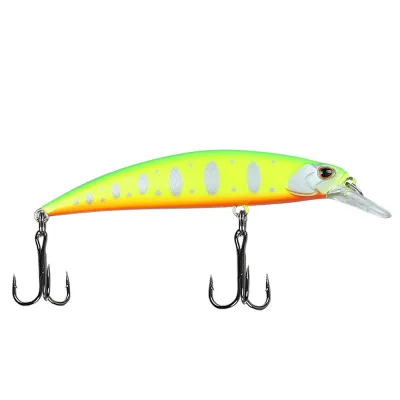
Prices are valid at publication and may change. Please refer to the product page for the latest price.
Water clarity in Bolinao varies significantly based on weather conditions and tidal movements. During calm, sunny days, the water is exceptionally clear, meaning fish can easily spot unnatural lure designs. In these conditions, natural colors like silver, blue, and translucent green work best. When afternoon winds stir up the sandy flats or during the rainy season when runoff clouds the estuaries, high-contrast colors like bright orange, chartreuse, or solid white are necessary to help fish track your lure.
Current strength is another critical factor, especially near the channels where the Lingayen Gulf meets the South China Sea. Strong currents require streamlined, heavy lures that cut through the water without spinning out of control. If your lure is too light, the current will sweep it away before it can reach the strike zone, rendering your presentation ineffective.
Snag risks are exceptionally high when fishing near Bolinao’s extensive coral formations. Standard treble hooks are highly effective for open water but will quickly hook onto coral branches or volcanic rocks. In high-risk zones, switching to single inline hooks or rigging soft plastics weedless style with offset worm hooks can save your gear and keep you fishing instead of tying knots.
Matching Lure Actions to Fish Feeding Zones
To consistently catch fish in Bolinao, you must present your lure at the depth where predators are actively feeding. Fish species generally occupy specific zones in the water column, and understanding these zones allows you to choose the right lure action.

Topwater poppers and shallow-running pencil baits are highly effective for surface-feeding predators like giant trevally and needlefish. These lures mimic injured baitfish splashing on the surface, drawing explosive strikes from nearby reefs and shallow flats. The best time to deploy topwater lures is during the low-light hours of early morning or late afternoon when predators patrol the shallows.
For the mid-water column, swimming plugs, suspending minnows, and paddle-tail soft plastics are the go-to choices. These lures target schooling species such as barracuda and Spanish mackerel that hunt in open coastal channels. A steady retrieval with occasional pauses mimics a disoriented baitfish, keeping your lure in the strike zone longer.
When targeting bottom-dwelling species like grouper and snapper, you must get your lure down to the rocks and crevices. Heavy metal jigs, micro-jigs, and weighted soft plastics are ideal for this zone. Bouncing these lures along the bottom creates vibrations and puffs of sand that mimic crabs or injured gobies, triggering reaction strikes from territorial predators.
To help you choose the right setup, use this decision matrix to map out your fishing strategy based on the conditions you encounter:
| Water Depth | Structure Type | Retrieval Speed | Recommended Lure Action | Target Species |
|---|---|---|---|---|
| Shallow (0.5m – 2m) | Coral Reefs & Flats | Fast & Erratic | Topwater popping / walking | Trevally, Needlefish |
| Mid-Water (2m – 6m) | Open Channels & Drop-offs | Moderate with pauses | Suspending minnow / paddle-tail | Mackerel, Barracuda |
| Deep (6m+) | Rocky Bottoms & Caves | Vertical jigging / slow hop | Bottom-bouncing jig / soft plastic | Grouper, Snapper |
Essential Hardware and Design Checks for Saltwater Lures
Saltwater environments are incredibly harsh on fishing tackle, making rigorous hardware checks essential before casting into Bolinao’s waters. The powerful jaw pressure and sharp teeth of local marine species can easily bend or break standard freshwater hooks.
Always verify that your lures are equipped with heavy-duty, saltwater-grade hooks. Look for hooks made from high-carbon steel with anti-corrosion coatings like tin or nickel. The hook gap should be wide enough to ensure a solid hookset in tough, bony mouths, yet balanced enough not to ruin the lure’s swimming action.
The profile and color of your lure should closely match the local forage found in Pangasinan’s coastal waters. Common baitfish include small herrings, anchovies, and halfbeaks, alongside squid and small crabs. Carrying a selection of slender minnow profiles for baitfish imitation, as well as shrimp-patterned soft plastics, ensures you can match the hatch on any given day.
Check the lip design of your hard baits to understand their diving depth ratings. Square-billed or short-lipped minnows dive shallow and are safer to use over shallow coral reefs. Long-lipped deep divers should be reserved for deep drop-offs where they can dive quickly without immediately slamming into shallow rocks.
Casting distance is crucial when fishing from Bolinao’s windy shorelines or from a small local boat. Assess the weight and aerodynamics of your lures; streamlined designs with internal weight-transfer systems allow you to cast further into the wind, covering more water and reaching distant schools of feeding fish.
Building a Versatile Lure Kit and Pre-Trip Prep
Building an effective lure kit for Bolinao does not require spending a fortune on premium brands. A versatile starter kit should focus on variety rather than quantity, ensuring you have at least one reliable option for the surface, mid-water, and bottom zones.
Instead of buying dozens of expensive lures, invest in a few high-quality, budget-friendly options and focus on upgrading their hardware. Replacing weak factory split rings and hooks with heavy-duty saltwater alternatives is a cost-effective way to ensure your lures can handle large, hard-fighting fish without failing. This simple upgrade can save you from losing a ₱400 lure to a sudden equipment failure.
Before heading out to the water, take the time to inspect your entire setup. Check your leader line for nicks or abrasions caused by rocks or coral, and ensure your knots are tied perfectly. A single weak point in your line or hardware can result in losing both your lure and the fish of a lifetime.
Finally, always seek out local knowledge when you arrive in Bolinao. Stop by local tackle shops or speak with coastal fishers to get real-time updates on what species are currently active and what baitfish migrations are occurring. Local conditions can change rapidly, and a quick conversation can save you hours of trial and error on the water.
Frequently Asked Questions (FAQ)
Do I need to use expensive branded lures for coastal fishing?
No, expensive branded lures are not a requirement for a successful fishing trip in Bolinao. The action, presentation, and depth of the lure are far more important than the brand name on the packaging. Many budget-friendly lures perform exceptionally well if they are fished at the correct depth and speed. However, cheaper lures often come with weak hardware, so it is highly recommended to inspect and upgrade the hooks and split rings to saltwater-grade components before using them.
How do I prevent my lures from getting stuck in coral reefs?
To minimize snags in Bolinao’s coral-rich environments, adjust your rigging and retrieval techniques. Use weedless soft plastics where the hook point is buried inside the plastic body, or replace the treble hooks on your hard baits with single inline hooks facing upward. Additionally, choose buoyant, shallow-running lures that stay well above the reef structure, and keep your rod tip high during retrievals to steer the lure away from visible coral heads.
What is the best way to clean lures after saltwater use?
Saltwater is highly corrosive and will quickly ruin hooks, split rings, and internal lure components if left untreated. After every fishing trip, rinse your lures thoroughly in clean, warm fresh water to remove salt deposits. Shake off the excess water and let them dry completely on a towel in a well-ventilated area before storing them back in your tackle box. For long-term protection, apply a very light coat of anti-corrosion spray or marine-grade lubricant to the metal hooks and split rings.

Community discussion
Share your experience or ask a question. Comments are reviewed before publication.