
Training in a tropical climate like the Philippines presents a unique challenge for combat sports athletes. The intense heat and high humidity mean that a single session of pad work or sparring can leave your boxing gloves completely saturated with sweat. When moisture becomes trapped inside the dark, enclosed lining of a glove, it creates an ideal breeding ground for odor-causing bacteria and fungi. To keep gear fresh and prevent the buildup of stubborn smells, fighters typically turn to three primary solutions: deodorizer sprays, passive deodorizer balls, or electronic UV sanitizers. Choosing the right option requires understanding how each format targets moisture, bacteria, and surface odors, and matching their mechanisms to your specific training habits and glove materials.
How Sprays, Balls, and UV Sanitizers Actually Work
To choose the most effective maintenance routine, you must first understand how these three deodorizing methods interact with your gloves. Each format approaches the problem of sweat and odor from a completely different angle. While one might focus on neutralizing surface smells, another targets deep-seated moisture, and the third attacks the microbial life cycle directly. Relying on the wrong mechanism for your specific type of glove contamination can lead to persistent odors or even damage your equipment over time.
Deodorizer Sprays
Deodorizer sprays are liquid-based solutions designed for direct application to the interior lining of your boxing gloves. When you spray the product inside, the fine mist coats the fabric or leather surfaces, delivering active ingredients directly to the areas that make contact with your hands. These formulations generally fall into two categories: those that mask odors with strong fragrances and those that actively neutralize them using enzymes or antibacterial agents. Enzymatic sprays work by breaking down the organic compounds found in sweat, while antibacterial sprays target the microbes responsible for producing the foul smell in the first place.
Products mentioned in this guide
![[COD] EHBqna SPORT Boxing Gloves Deodorizer Portable Indoor For Football Gloves Bowling Gloves Flax Smell Deodorant Drying Charcoal Pack](https://img.lazcdn.com/g/p/735db94afb110e57fa5f28f84c94767e.jpg_400x400q80.jpg_.webp)
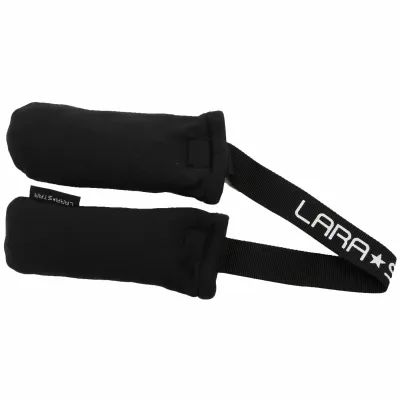
Prices are valid at publication and may change. Please refer to the product page for the latest price.
However, because sprays introduce additional liquid into an already damp environment, proper evaporation is critical. After spraying your gloves, you must leave them in an open, well-ventilated space to dry completely. If you pack your gloves into a gym bag immediately after spraying them, you risk trapping the moisture inside, which can actually accelerate bacterial growth and worsen the odor over time.
Deodorizer Balls
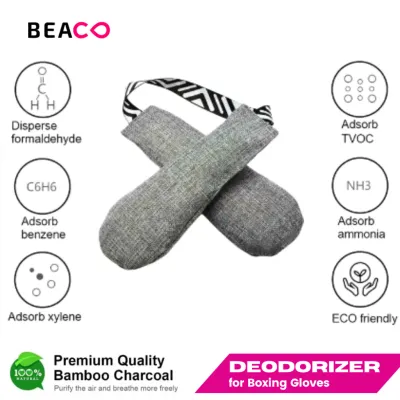
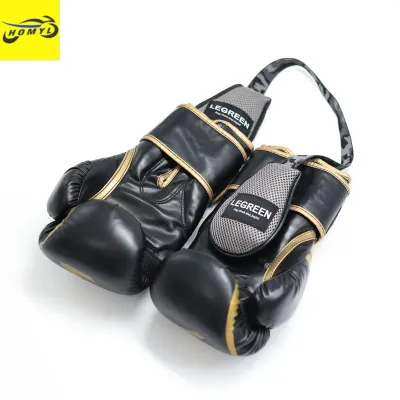
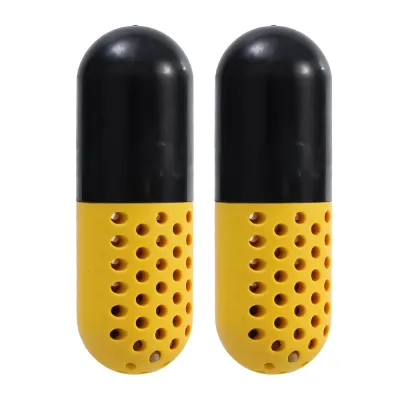
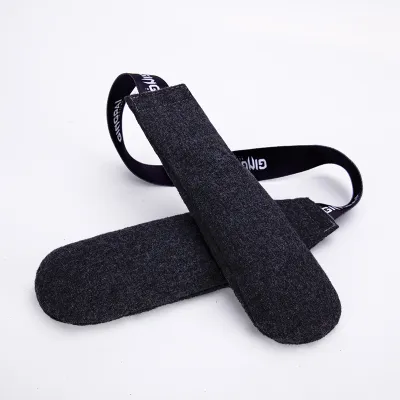
Deodorizer balls, often referred to as glove dogs or passive inserts, rely on absorption rather than active chemical dispersion. These compact, porous spheres or pouches are filled with desiccant materials, such as silica gel, activated charcoal, or specialized moisture-absorbing polymers. When placed inside the gloves after a workout, they passively draw ambient moisture out of the lining and trap it within their core. Many of these inserts are also infused with clean scents or natural odor absorbers to help freshen the air inside the glove cavity.
The primary limitation of deodorizer balls is that they are passive environmental treatments. They excel at controlling humidity and preventing moisture from settling into the seams, but they do not actively scrub or sanitize the lining. If bacteria have already established a colony deep within the padding, passive inserts alone may not be strong enough to eliminate the deep-seated odor.
UV Sanitizers
UV sanitizers represent a technological approach to glove hygiene, utilizing ultraviolet light to target microbes without the use of liquids or chemicals. These electronic devices are inserted directly into the hand compartment of the gloves, where they emit UV-C light. This specific wavelength of light penetrates the cellular walls of bacteria, viruses, and fungi, disrupting their DNA and preventing them from reproducing. Because it is a dry process, it eliminates the risk of chemical residue or added moisture.
To operate effectively, UV sanitizers require a reliable power source, such as a wall outlet or a rechargeable battery pack, and must be left inside the gloves for a designated exposure cycle. While UV-C light is highly effective at neutralizing active microbes on surfaces exposed directly to the light, it does not physically remove sweat residue, salt buildup, or dirt. Consequently, it must be paired with physical cleaning habits to maintain a truly clean glove interior.
Comparing Deodorizer Formats Across Key Glove Care Needs
Selecting the right deodorizer involves weighing several practical factors, including how easily the product fits into your daily routine, how well it manages moisture, its safety on different glove materials, and its long-term cost.

Ease of Use & Portability: Sprays offer rapid application; you simply spray the interior after training and let the gloves air dry. They are highly portable and easily fit into any gym bag, though you must ensure the bottle does not leak. Deodorizer balls are the most convenient option, requiring you to simply drop them into your gloves and leave them there until your next session. They require no power and are completely spill-proof. UV sanitizers require the most setup, as you must insert the devices, plug them in or ensure they are charged, and run the cycle, making them less practical for quick use inside a locker room.
Moisture Management vs. Sanitization: If your primary goal is drying out your gloves after a heavy sparring session in a humid gym, deodorizer balls are highly effective because their main function is moisture absorption. Sprays do not absorb moisture; instead, they add liquid, meaning they rely entirely on ambient air circulation to dry the glove. UV sanitizers do not dry the gloves at all, but they offer highly targeted sanitization by neutralizing the bacteria that thrive in damp environments.
Material Safety: Glove materials react differently to these treatments. Genuine leather gloves require careful maintenance to prevent the leather from drying out, cracking, or losing its natural oils. Some chemical sprays contain harsh alcohols or solvents that can degrade leather over time, and prolonged exposure to intense UV light can also weaken natural fibers. Synthetic leather gloves are generally more resilient to chemical sprays but can still degrade if subjected to excessive moisture. Always check your glove manufacturer’s care label before applying any liquid or electronic treatment.
Cost Evaluation: The financial investment varies significantly between these formats. Sprays and deodorizer balls have a low upfront cost, typically priced under ₱500, but they represent a recurring expense as sprays run out and desiccant balls lose their absorbing capacity over several months. UV sanitizers require a much higher upfront investment, often costing several thousand pesos, but they do not require regular replacement, making them a potentially cost-effective long-term solution if maintained properly.
Which Deodorizer Fits Your Training Routine?
Your choice of deodorizer should align with how often you train, where you store your gear, and the specific materials of your gloves.
- Choose Sprays if: You want a quick, surface-level refresh immediately after training and you have a dedicated, well-ventilated area at home where your gloves can hang and air dry completely. This option is ideal for casual fitness boxers or those who train two to three times a week, allowing ample drying time between sessions.
- Choose Deodorizer Balls if: You need a low-maintenance, set-and-forget solution to manage moisture while your gloves are stored in your gym bag or locker. This is highly suitable for commuters or students who must keep their gear packed away for hours after training, as the desiccant material actively works to prevent moisture from soaking into the glove padding during transit.
- Choose UV Sanitizers if: You train daily, participate in high-intensity sparring, share equipment, or prioritize deep sanitization. If you have access to a power outlet near your gear storage area and want to ensure that bacteria cannot colonize your gloves between back-to-back training days, the dry sanitizing power of UV-C light is highly beneficial.
- Verify First if: Your gloves are premium genuine leather or feature specialized smart-tech linings or integrated sensors. Before using any product, cross-reference the active ingredients of your spray or the heat and light output of your UV device with the glove manufacturer's warranty and care guidelines. Some high-end brands will void warranties if chemical solvents or electronic heat inserts are used inside the gloves.
Foundational Glove Care to Maximize Deodorizer Effectiveness
No deodorizer can completely save a pair of gloves that are neglected. To get the most out of your chosen deodorizing method, you must establish a consistent baseline of daily glove hygiene.
- Pre-Training: Always wear clean, dry hand wraps for every single training session. Hand wraps act as the primary barrier, absorbing the vast majority of sweat from your hands before it can reach the inner lining of your gloves. Using dirty or unwashed wraps transfers old bacteria directly into your gloves, defeating the purpose of any deodorizer.
- Post-Training: Immediately after your workout, use a clean, dry microfiber cloth to wipe down the interior of your gloves. Reach as far into the finger compartment as possible to absorb excess sweat and remove physical salt buildup before applying sprays, inserting balls, or running a UV cycle.
- Storage & Drying: Never leave your gloves stuffed inside a closed gym bag overnight, especially in warm, humid climates. Store them in a cool, well-ventilated area away from direct sunlight, which can dry out and crack leather, and away from artificial heat sources like hair dryers or radiators, which can melt synthetic adhesives and ruin the internal foam padding.
- When to Stop: Recognize when a pair of gloves is beyond saving. If your gloves have a persistent, pungent odor that does not go away even after multiple treatments, or if you spot visible mold inside the lining, it is time to replace them. Additionally, if the internal padding has collapsed or feels lumpy, the gloves no longer provide adequate protection for your hands and wrists, and should be retired for safety reasons.
Frequently Asked Questions (FAQ)
Can I use regular household sprays on boxing gloves?
It is highly discouraged to use standard household air fresheners, disinfectants, or fabric sprays on your boxing gloves. These products are often formulated for hard surfaces or open fabrics and may contain harsh chemicals, strong alcohols, or synthetic propellants. When sprayed inside a glove, these chemicals can strip the natural oils from genuine leather, cause synthetic materials to peel, and leave a sticky residue that traps more dirt. Furthermore, because your hands sweat and pores open during training, transferring these harsh household chemicals to your skin can lead to severe contact dermatitis or allergic reactions. Always stick to deodorizers specifically formulated for athletic gear or check the manufacturer’s material safety guidelines.
How often should I treat my gloves with a deodorizer?
The frequency of treatment depends on your training volume, how heavily you sweat, and the type of deodorizer you use. As a general rule, you should wipe down your gloves and use a passive deodorizer, like deodorizer balls, after every single training session to manage daily moisture. If you use a liquid spray, apply a light mist after heavy workouts, but ensure you allow the gloves to dry completely before using them again; over-saturating the lining with spray can trap moisture and encourage bacterial growth. For UV sanitizers, running a cycle once or twice a week, or after particularly intense sparring sessions, is usually sufficient to keep microbial levels under control without overexposing the materials.

Community discussion
Share your experience or ask a question. Comments are reviewed before publication.