
Finding the right boxing gloves for your child is a critical step in ensuring their safety, comfort, and enjoyment of the sport. Unlike adult gear, youth boxing equipment must account for rapidly developing bones, smaller hand structures, and varying physical strength. Selecting the wrong size can lead to wrist strain, poor punching form, or a complete loss of interest in training. By balancing age-based estimates with precise hand measurements, you can find a pair of gloves that provides adequate protection while allowing your young athlete to develop proper technique.
In tropical climates like the Philippines, where high humidity and intense heat lead to heavy sweating during workouts, glove fit and material choice become even more critical. Excess moisture inside a poorly fitting glove can cause the hand to slip, increasing the risk of joint misalignment or skin chafing. Understanding how to measure your child’s hand and how to interpret manufacturer weight categories ensures that their gear supports their athletic journey safely and comfortably.
Comparing Sizing Approaches: Age Charts vs. Physical Measurements
When shopping for youth boxing gloves, parents typically encounter two primary sizing methods: age-based recommendations and physical measurements (hand circumference and body weight). Choosing which approach to prioritize depends heavily on how your child intends to use the gloves and their individual physical development.
Products mentioned in this guide
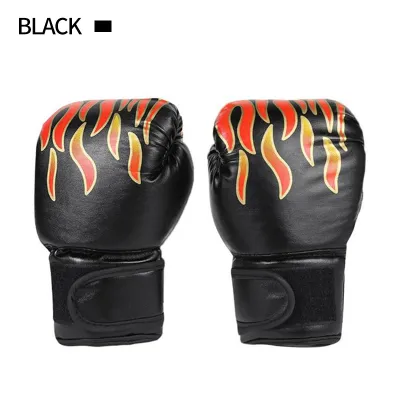
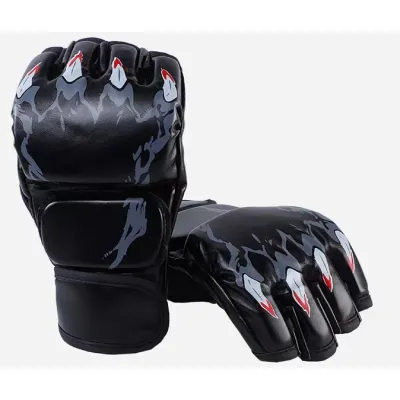
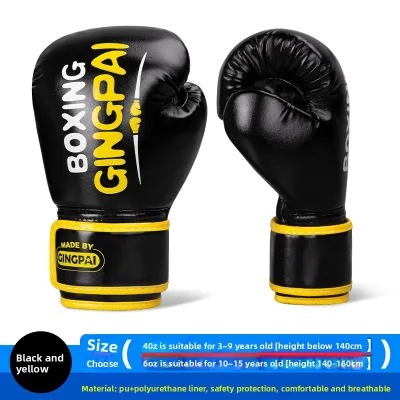
![99.9 BUY MORE SAVE MORE Toys Boxing Gloves and Punching Bag (Super Fighter Boxing Set) for Kids [2004B/8101-19/8101-43]](https://img.lazcdn.com/g/p/235fc65dcce2db00ef1988dbf2779fc1.jpg_400x400q80.jpg_.webp)
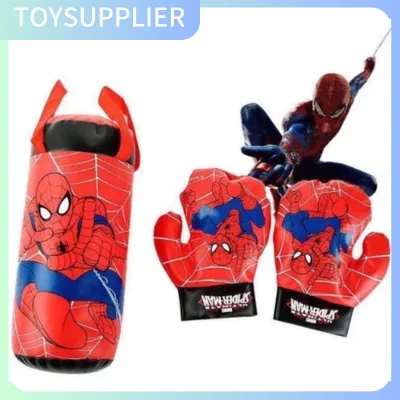
Prices are valid at publication and may change. Please refer to the product page for the latest price.
Age-based guidelines are highly convenient and serve as a practical starting point. If you are purchasing gloves as a surprise gift, or if your child is strictly participating in light, non-contact activities like shadow boxing or fitness games at home, an age chart is usually sufficient. These charts rely on general developmental averages to estimate hand size and physical strength. They allow you to make a quick purchase without needing to measure your child’s hand directly.
However, age charts have significant limitations because children grow at vastly different rates. A ten-year-old child might have the hand size or body weight of an average twelve-year-old, or conversely, a much smaller frame. If your child is actively training in a gym, hitting heavy bags, working with mitts, or participating in controlled sparring, relying solely on age charts is risky. For active training, you must prioritize physical measurements, specifically hand circumference and body weight, to ensure the padding is thick enough to absorb impact forces.
Before making a final decision, always verify whether your child’s physical development aligns with standard averages. If your child has unusually long fingers, wide palms, or a body weight that falls outside the typical range for their age group, the age-based recommendation will likely result in a poor fit. In these cases, physical measurements must override age suggestions to prevent the glove from being too tight, which restricts blood circulation, or too loose, which compromises wrist stability.
Comparing Glove Weight Categories for Youth Training
Youth boxing gloves are categorized by weight, measured in ounces (oz), rather than traditional clothing sizes like small or large. The weight of the glove directly correlates with the amount of protective padding it contains. Matching the correct weight category to your child’s physical development and training intensity is essential for preventing injury and promoting proper skill acquisition.

Lightweight or micro categories, typically ranging from 2 oz to 4 oz, are designed specifically for toddlers and very young beginners, generally between the ages of three and five. At this stage, training focuses almost entirely on hand-eye coordination, basic stance, and shadow boxing rather than high-impact hitting. These gloves are exceptionally light to prevent shoulder fatigue and are built with minimal padding, serving primarily to get young children accustomed to the feeling of wearing hand protection.
Standard youth categories, usually spanning 6 oz to 8 oz, are the most common sizes for school-aged children from six to ten years old. This range is ideal for kids who are learning proper punching techniques and beginning to work with light heavy bags, double-end bags, or focus mitts. An 8 oz glove provides a balanced level of padding to protect developing knuckles from impact while remaining light enough to prevent the child from dropping their hands due to fatigue during a workout.
Teen or transitional categories, which include 10 oz and 12 oz gloves, are necessary for adolescents, older kids with larger frames, or youth athletes engaging in controlled sparring. As children grow stronger, their punching power increases significantly, requiring denser padding to protect both their hands and their training partners. A 12 oz glove is often the minimum weight recommended for safe, light sparring among teens, ensuring that the impact is distributed over a larger, softer surface area.
To help you compare these options, the following table outlines the primary training focus, fit priorities, and manufacturer verification checks for each youth glove category:
| Glove Weight | Typical Age Range | Primary Training Focus | Key Fit Priorities | Manufacturer Verification Checks |
|---|---|---|---|---|
| 2 oz to 4 oz | 3 to 5 years | Shadow boxing, coordination, basic movement | Extremely lightweight, easy to slip on and off | Check palm width and finger length limits on product labels |
| 6 oz | 6 to 8 years | Light mitt work, fitness classes, speed bags | Snug wrist closure, flexible thumb position | Verify hand circumference matches the manufacturer size guide |
| 8 oz | 9 to 11 years | Heavy bag training, technical partner drills | Balanced padding, secure hook-and-loop strap | Ensure hand wraps fit comfortably inside without cutting circulation |
| 10 oz to 12 oz | 12 years and up | Controlled sparring, heavy bag workouts, amateur prep | High wrist support, thick knuckle padding | Check user weight limits and sparring safety certifications |
Step-by-Step: Measuring Hand Size and Checking the Fit
To find the perfect glove size, you must take accurate physical measurements of your child’s hand. This process requires a flexible measuring tape, often used for sewing, and a few minutes of your child’s cooperation. Taking these measurements prevents the hassle of returning poorly fitting gear and ensures your child can train safely from day one.
To measure hand circumference correctly, have your child open their hand flat with their fingers extended and relaxed. Wrap the flexible tape measure around the widest part of the palm, directly across the knuckles, excluding the thumb. Note the measurement in inches or centimeters, as different manufacturers use different units. It is best to measure both hands, as one hand is often slightly larger than the other; always use the larger measurement when selecting gloves.
A critical step that many parents overlook is accounting for hand wraps or inner gel gloves. In boxing, children should always wear hand wraps underneath their gloves to protect the small bones in their hands and secure their wrists. Hand wraps add physical volume to the hand. When measuring, you should either measure the hand while it is fully wrapped, or add approximately 0.5 inches (1.3 centimeters) to the bare hand measurement to ensure the glove has enough internal space to accommodate the wraps comfortably.
Once the gloves arrive, you must perform several physical fit checks before allowing your child to hit any equipment. First, have your child put on their hand wraps and slide their hand into the glove. Their fingers should reach the very end of the hand compartment without feeling cramped or bent backward. If their fingers are curled or pressed tightly against the top seam, the gloves are too small and will cause painful bruising during training.
Next, examine the wrist support and closure system. The hook-and-loop strap should wrap securely around the wrist joint, holding it straight and preventing it from bending easily in any direction. If the wrist strap is pulled to its tightest setting but still leaves a gap or allows the wrist to wobble, the glove is too large and will not protect against sprains. Finally, verify the thumb alignment; the thumb should be attached securely to the main body of the glove and sit in a natural, slightly curved position to prevent it from getting stubbed or bent backward during a punch.
Final Selection Rules and Safety Boundaries
When you are finalizing your purchase, you may find that your child’s measurements fall directly between two manufacturer sizes. In this scenario, the general rule is to size up rather than sizing down. A slightly larger glove can be adjusted by using thicker hand wraps or longer wraps to fill the extra space safely. Conversely, a glove that is too small cannot be modified and will restrict blood flow, leading to rapid hand fatigue, cramping, and an increased risk of joint injuries.
However, you must avoid buying gloves that are excessively heavy with the hope that your child will “grow into them.” Gloves that are too heavy for a child’s current muscular development will cause severe wrist strain and shoulder fatigue. When a child struggles to lift heavy gloves, they will inevitably drop their hands, compromise their guard, and develop improper punching techniques, such as throwing looping punches with bent wrists. This bad habit is difficult to correct and leaves them vulnerable to injury.
In tropical environments, the combination of sweat and friction can accelerate the wear and tear of boxing gear. You must establish clear stop conditions and inspect your child’s gloves regularly. Immediately replace the gloves if you notice worn-out or shifting padding over the knuckles, a cracked outer shell that exposes the foam, or a compromised wrist strap that no longer holds its grip. Furthermore, if your child complains of numbness, tingling, or persistent pain in their hands or wrists during or after training, stop use immediately and consult their coach or a medical professional to re-evaluate their glove size and wrapping technique.
Frequently Asked Questions (FAQ)
Can my child use adult boxing gloves if they fit their hands?
No, children should not use adult boxing gloves, even if the hand compartment seems to fit. Adult gloves are engineered for adult bone structures, muscle density, and punching power. The internal grip bar, thumb position, and wrist support in adult gloves are spaced for larger hands, which can force a child’s hand into an unnatural position. Additionally, adult gloves carry a much heavier weight distribution that can quickly overload a child’s developing shoulder and neck muscles, leading to chronic strain injuries.
Do kids need different gloves for sparring and heavy bag work?
Yes, if your child is participating in both activities, they will eventually need different gloves. Heavy bag gloves are designed with dense, impact-resistant foam to protect the knuckles from repeated contact with hard surfaces, but this dense foam can hurt a sparring partner. Sparring gloves are heavier, typically 12 oz for older youth, and feature much softer, thicker padding designed to cushion the impact and protect both the wearer and their partner. Using bag gloves for sparring is unsafe, while using sparring gloves on a heavy bag will quickly break down the soft foam, ruining the gloves.
How often should I check if my child has outgrown their gloves?
You should check the fit of your child’s boxing gloves every three to four months, or immediately following a noticeable growth spurt. Children grow rapidly, and their hand size can change significantly over a single school term. During these checks, ask your child if they feel any pinching, look for red marks on their knuckles after training, and verify that their wrists remain fully supported. Regularly inspecting the gear ensures they always train with the correct level of protection.

Community discussion
Share your experience or ask a question. Comments are reviewed before publication.