
A functional fishing gear complete set must include a rod, a compatible reel, a suitable fishing line, terminal tackle (hooks, sinkers, swivels), bait or lures, and basic safety and handling accessories. For beginners, assembling these components requires understanding how they connect and function together as a unified system. Rather than buying random items, a systematic approach ensures your gear matches your target environment, whether you are casting from a tropical shoreline, a freshwater lake, or a local riverbank.
Selecting your first set can feel overwhelming due to the sheer variety of specialized equipment available. However, by focusing on the core components first and understanding how to verify their compatibility, you can build a reliable setup that minimizes frustration on the water. This guide breaks down each essential element of a complete fishing kit, helping you make informed decisions before spending your hard-earned money.
Assessing Your Fishing Needs Before Buying
Before purchasing any gear, you must define where and what you intend to fish. The environment dictates the material requirements of your equipment. For instance, saltwater coastal environments demand high corrosion resistance due to salt spray and humidity, whereas inland freshwater lakes and rivers are less demanding on metal components but may require different rod lengths to navigate overhanging vegetation.
Products mentioned in this guide
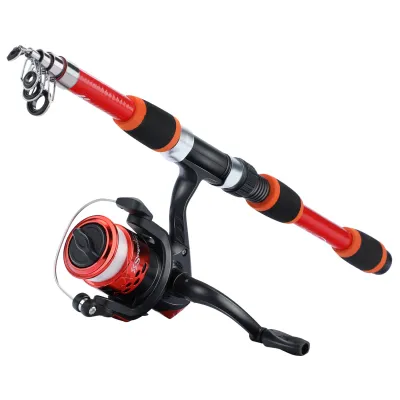
![[In Stock]Sougayilang Fishing Rod Set Full Set 1.8mTelescopic Fishing Rod and Spinning Fishing Reel and Fishing Accessories Fishing Rod Complete Set](https://img.lazcdn.com/g/p/e37753596223983276174dfaf93f2cb3.jpg_400x400q80.jpg_.webp)
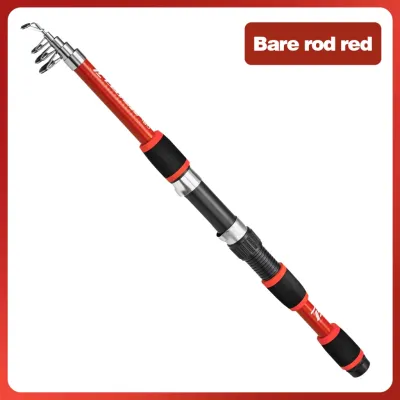
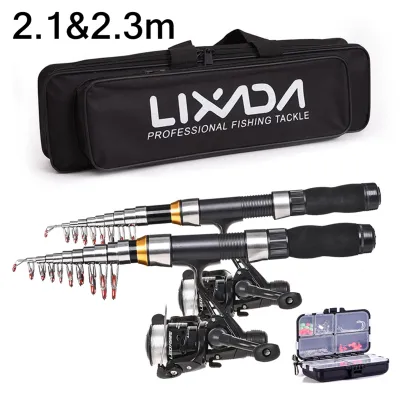
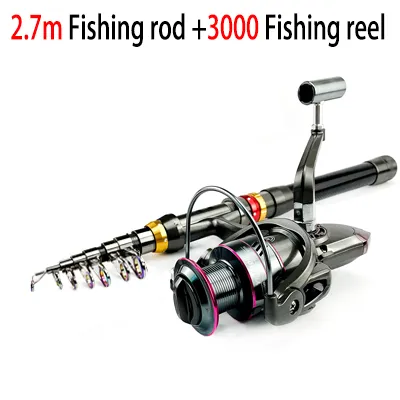
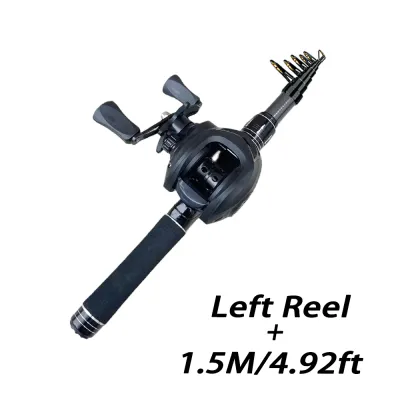
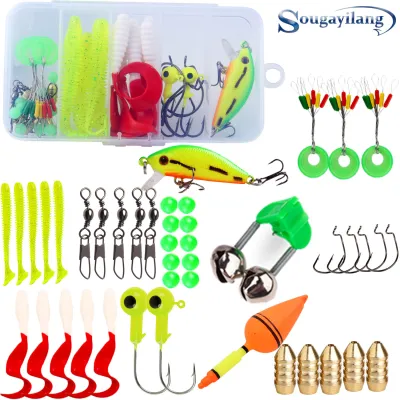
Prices are valid at publication and may change. Please refer to the product page for the latest price.
Matching your gear to your target species prevents equipment failure. Small species like mudfish (dalag) or tilapia require lightweight, sensitive setups, while larger species like trevally (talakitok) or grouper (lapu-lapu) demand robust rod power and a reel with a reliable drag system to handle strong runs. Attempting to catch large fish with ultra-light gear often results in snapped lines or damaged reel gears.
Establishing a realistic budget framework helps prioritize your spending. Beginners should view a fishing gear complete set as a combination of long-term investments and replaceable consumables. Allocate the largest portion of your funds to the rod and reel, as these core components endure the most physical stress, while keeping expenditures low on consumable items like lines, hooks, and sinkers.
Core Components: Rod, Reel, and Line
The fishing rod acts as an extension of your arm, transferring your movements to the lure and absorbing the shock when a fish strikes. When selecting a rod, check the manufacturer’s specifications for length, material, and power rating. Fiberglass rods offer excellent durability and flexibility, making them highly forgiving for beginners, while graphite rods provide superior sensitivity for detecting subtle bites. A medium-power rod measuring between six and seven feet is highly versatile, allowing for decent casting distance while remaining manageable in tight spaces.

For the reel, beginners must choose between a spinning reel and a baitcasting reel. Spinning reels feature an open-face design and are mounted underneath the rod, offering an easy learning curve and minimal risk of line tangles. Baitcasting reels sit on top of the rod and require precise thumb control to prevent backlashes; they are generally recommended for experienced anglers who need high casting accuracy. For your first complete set, a spinning reel in the 2000 to 3000 size range provides the best balance of ease of use and versatility.
The fishing line connects you directly to the fish, and choosing the right type is critical. Monofilament line is highly recommended for beginners because it stretches to absorb sudden shocks, knots easily, and floats on the water surface. Braided line offers high strength and a thin diameter, but it lacks stretch and requires specialized knots, making it more challenging to manage. Check the line’s pound test rating to ensure it matches both the target fish size and the spool capacity of your reel.
System compatibility is the final check before finalizing these core components. Every rod has a recommended line weight and lure weight printed near the handle. Ensure your chosen reel size, line strength, and the weight of your lures fall within these specified ranges. Using a line that is too heavy can damage the rod guides, while using lures that are too light makes casting difficult and inefficient.
Terminal Tackle, Baits, and Lures
Terminal tackle refers to the equipment attached to the very end of your fishing line, which directly interacts with the fish. This category includes hooks, sinkers, and bobbers. Beginners should start with a variety pack of single hooks (sizes 4 to 2/0 are highly versatile) and split-shot sinkers. The weight of your sinker must be adjusted based on water currents; stronger currents require heavier weights to keep your bait in the strike zone, while calm waters benefit from lighter weights that present the bait naturally.
Choosing between live bait and artificial lures depends on your target species and personal preference. Live bait, such as earthworms, shrimp, or small baitfish, appeals to a fish’s natural senses of smell and movement, making it highly effective for beginners. However, live bait requires careful storage to keep it alive. Artificial lures, such as metal spoons or soft plastic grubs, are durable, reusable, and do not require refrigeration, but they require active rod movements to mimic prey and entice a strike.
Connectors like swivels and snaps are small but essential additions to your terminal tackle setup. A barrel swivel prevents your line from twisting when using lures that spin in the water, which protects the line from weakening and tangling. Snaps allow you to change lures or hooks quickly without cutting and retying your line constantly, saving valuable time and preserving the length of your main line during a busy day on the water.
Essential Accessories and Safety Gear
A successful fishing trip requires tools that extend beyond the rod and reel to manage your catch and maintain your gear. Long-nose fishing pliers are indispensable for safely removing hooks from a fish’s mouth, protecting your fingers from sharp teeth and spines. A compact landing net helps secure the fish once it is close to the shore or boat, reducing the risk of the fish shaking the hook loose at the last second. Additionally, a dedicated line cutter or nail clipper is necessary for trimming excess line after tying knots.
Organizing these small components requires a reliable storage system. A tackle box or a specialized tackle backpack with adjustable utility trays keeps your hooks, sinkers, lures, and tools separated and protected from moisture. Without proper organization, loose hooks can become a safety hazard, and different soft plastic lures can melt together if stored in direct contact under tropical heat.
Personal safety and protection are paramount when spending hours outdoors, especially in hot and humid tropical climates. Polarized sunglasses are a critical safety item; they protect your eyes from stray hooks and harmful UV rays while cutting through water surface glare to help you spot underwater structures and fish. Wear lightweight, long-sleeved sun-protective clothing, apply broad-spectrum sunscreen, and wear closed-toe footwear with non-slip soles to maintain traction on wet rocks, muddy banks, or slippery boat decks.
Evaluating Pre-Packaged Sets vs. Custom Builds
When acquiring your first fishing gear complete set, you must decide whether to buy a pre-packaged rod-and-reel combo or assemble a custom setup. Pre-packaged sets offer unmatched convenience and are often highly cost-effective, as manufacturers bundle compatible components together. However, these retail packages sometimes compromise on the quality of secondary components, such as pre-spooled line that may be prone to tangling, or low-grade plastic tackle boxes filled with generic lures.
Assembling a custom build allows you to select high-quality components tailored precisely to your local fishing conditions. This route offers superior performance and long-term upgrade flexibility, as you can pair a highly sensitive graphite rod with a durable, saltwater-rated spinning reel. The trade-off is that custom builds require a deeper understanding of gear specifications and generally carry a higher initial price tag.
To make the right choice, evaluate your budget, available time, and willingness to research technical specifications. If you want a hassle-free entry into the sport with minimal upfront investment, a pre-packaged spinning combo is an excellent starting point. If you plan to fish regularly, target specific challenging species, or fish in harsh saltwater environments, investing the time and budget into a custom-built set will provide a more durable and satisfying long-term experience.
Frequently Asked Questions (FAQ)
How should a beginner allocate their budget for a first fishing gear complete set?
Beginners should allocate approximately 60% to 70% of their total budget to the rod and reel, as these are the core mechanical components that dictate your casting and fish-fighting capability. Spend about 15% on a high-quality, reliable fishing line, which is your direct link to the fish. The remaining 15% to 25% should be spent on essential terminal tackle (hooks and sinkers) and basic safety gear, avoiding expensive lures and non-essential accessories until you gain more experience.
Can I use a freshwater fishing set in saltwater environments?
You can use freshwater gear in saltwater, but doing so requires extreme caution and immediate maintenance. Saltwater causes rapid corrosion of metal components, particularly in reels and rod guides not rated for marine environments. If you use freshwater gear in saltwater, you must thoroughly rinse all equipment with fresh, clean water immediately after your trip, dry it completely, and apply appropriate reel oil to prevent rust and gear failure.

Community discussion
Share your experience or ask a question. Comments are reviewed before publication.