
Finding the right car tent parking setup in the Philippines requires matching your vehicle’s dimensions and your tent’s design to the specific layout of your chosen campsite. Because local campgrounds range from tight, terraced mountain plots in Benguet to sandy beachside clearings in Zambales, a single tent style cannot serve every destination. Your decision depends on how much physical space your parking slot provides, the ground surface, and how easily you need to move your vehicle during your stay.
Assessing Your Campground Parking Conditions
Before booking a campsite or packing your gear, you must evaluate the physical constraints of the designated parking pad. Many campgrounds in the Philippines feature tight parking slots bordered by trees, rocks, or other campsites. Measure the clearance around your vehicle to ensure you can fully open the doors and tailgate without hitting obstacles. You also need to account for the space required to stretch out guy lines and drive stakes, keeping them clear of common walkways where other campers might trip.
The ground surface of the parking pad dictates your anchoring strategy. While some established eco-parks offer paved concrete or asphalt pads, others feature compacted gravel, grass, or soft mud. Standard aluminum pegs easily bend on hard-packed gravel or concrete seams, whereas soft mud requires longer, wider stakes to hold under tension. Identifying the surface beforehand helps you pack the correct anchoring hardware.
Products mentioned in this guide
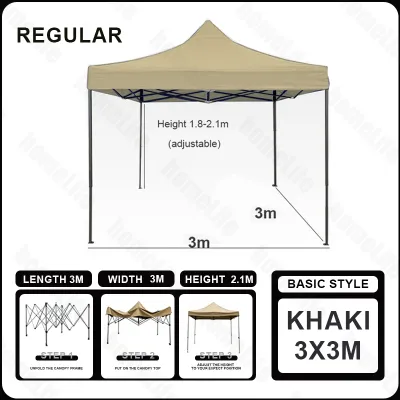
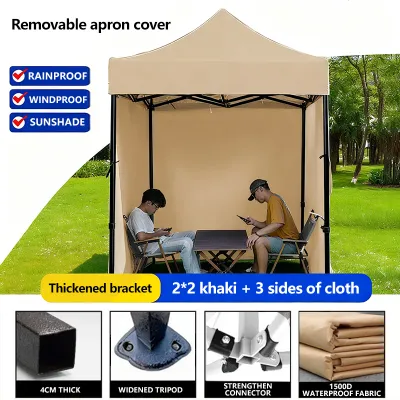
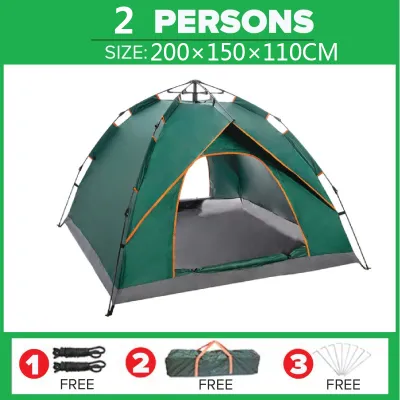
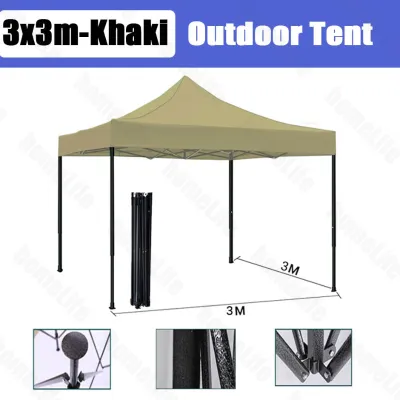
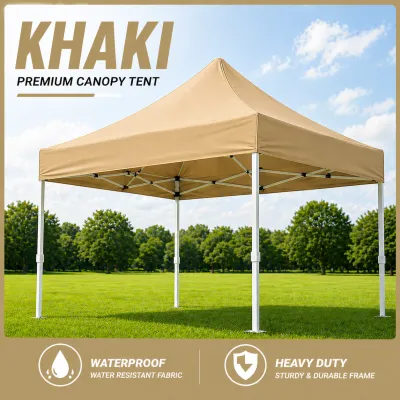
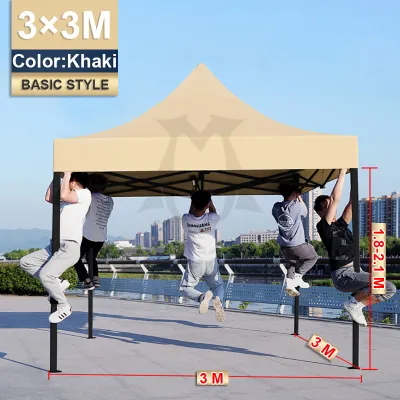
![[Local stock]2*2/3*3M Thickened Durable Tent Cover Retractable tent Replacement Cover Replacement Pop Up Canopy Top Tent Outdoor Waterproof Sunscreen Tent for Car Parking Street stall Camping](https://img.lazcdn.com/g/p/2a07012f3c2259da1a13e28cad572d93.jpg_400x400q80.jpg_.webp)
Prices are valid at publication and may change. Please refer to the product page for the latest price.
Additionally, review the specific regulations of the campground. Some sites permit vehicles to park directly adjacent to the sleeping area, while others mandate that cars remain in a centralized parking lot away from the tents. Confirming these rules prevents situations where an attached SUV tent becomes unusable because the vehicle must be parked yards away from the designated pitch.
Comparing Car Tent Styles for Different Parking Setups
SUV-Attached and Tailgate Tents
SUV-attached and tailgate tents connect directly to the rear cargo area or side doors of your vehicle, turning your cabin into an extension of your living space. This setup is highly effective on flat, spacious parking pads where you can position the vehicle to block prevailing winds. The vehicle acts as a heavy, stable anchor, which helps stabilize the tent structure during sudden tropical gusts.

Before choosing this style, verify your vehicle’s physical specifications. You must check the rear hatch clearance to ensure the door can open fully inside the tent sleeve without puncturing the fabric. Measure the height of your roof rack and the circumference of your vehicle’s rear section to ensure a snug, weather-tight fit. A loose sleeve allows rain and mosquitoes to enter the sleeping area.
Keep in mind that an attached tent limits your mobility. Once you pitch the tent and secure the sleeve around your vehicle, you cannot drive away to buy supplies, explore nearby trails, or handle emergencies without completely dismantling the connection. This style is best suited for multi-day stays where the vehicle remains stationary.
Awning-Style and Roof Top Tents
Awning-style and roof top tents are excellent solutions for compact parking spots where ground space is highly restricted. Because these setups utilize the vertical space above or directly alongside your vehicle, they require a minimal ground footprint. This makes them highly suitable for narrow mountain roads or terraced campsites where flat ground is at a premium.
Using a roof top tent requires verifying your vehicle’s roof load limits. You must consult your vehicle’s manual to confirm both the dynamic load capacity (the weight the roof can support while driving) and the static load capacity (the weight supported when parked and occupied). Ensure your aftermarket crossbars are rated to handle these specific weight requirements before installation.
Elevating your sleeping area off the ground offers significant advantages during the Philippine rainy season. It keeps you dry and away from pooling water, mud, and ground-dwelling insects. However, you must ensure the vehicle is parked on level ground, as sleeping on an incline inside a roof top tent can be highly uncomfortable.
Traditional Ground Tents Pitched Near the Vehicle
Pitching a traditional ground tent adjacent to your parked vehicle offers the greatest flexibility and remains a highly practical approach for many campers. This setup works well in large, open campgrounds where you can use your vehicle as a windbreak or as a secure storage locker for expensive gear, coolers, and food.
The primary advantage of this configuration is vehicle mobility. You can easily drive away from the campsite to run errands, visit local attractions, or seek assistance without disturbing your sleeping setup. The tent remains fully pitched and secure on its own footprint.
When using a ground tent near your vehicle, you must manage the footprint and rainfly independently. Ensure the tent is pitched far enough from the vehicle to prevent exhaust fumes from entering the mesh panels, and position the rainfly to handle runoff away from the vehicle’s parking spot to avoid creating muddy pools where you step out of the car.
Adapting to Weather and Terrain Constraints
Tropical weather in the Philippines can shift rapidly, bringing heavy downpours, high humidity, and strong winds. When parking your vehicle, observe the natural slope of the ground. Avoid parking or pitching your tent in low-lying depressions where rainwater naturally pools. If you must park on a slight slope, position the vehicle’s nose uphill and set up your sleeping area on the high side to prevent water from running under your tent floor.
Wind management is crucial, especially in coastal areas or high-altitude campsites. Use the heavy body of your vehicle as a shield against strong breezes. Park the vehicle perpendicular to the wind direction to create a calm pocket on the leeward side, and pitch your tent or deploy your awning within this protected zone. This reduces the strain on your tent poles and fabric.
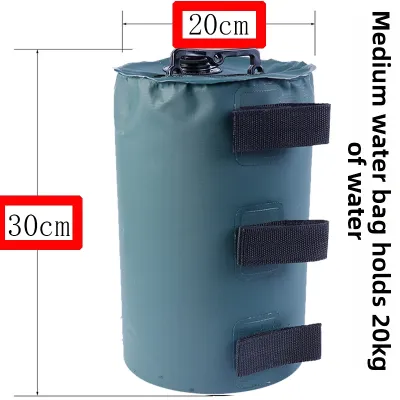
When standard stakes cannot penetrate hard-packed gravel or concrete parking pads, alternative anchoring methods are necessary. You can secure guy lines to heavy objects such as large rocks, trees, or the vehicle’s wheels and recovery loops. Alternatively, fill heavy-duty sandbags or portable water containers to act as weights, ensuring the tent remains stable even without ground stakes.
Essential Gear and Safety Checks for Car Camping
Safety and vehicle maintenance are paramount when connecting a tent to your car. Inspect all attachment points, straps, and plastic clips before your trip. Ensure the fabric sleeve that wraps around the vehicle is clean and free of debris, as grit trapped between the sleeve and your car’s body can scratch the paintwork during windy conditions. Adjust the tension straps to create a tight seal that prevents rain from dripping down the vehicle’s rear hatch into the tent.
Never run your vehicle’s engine while a tent is attached or pitched in close proximity. Carbon monoxide is an odorless, toxic gas that can quickly accumulate inside the tent structure, leading to severe poisoning or death. If you must run the engine to charge devices or use the vehicle’s climate control, you must completely detach the tent sleeve, close all vehicle doors, and ensure the exhaust pipe points far away from any sleeping areas.
Always pack a dedicated repair kit containing heavy-duty gear tape, spare guy lines, and replacement pole sleeves. A sturdy rubber mallet or a small hand sledge is essential for driving stakes into hard campground soils. Regularly check the tension of your guy lines throughout your stay, as high humidity and rain can cause nylon cords to stretch and sag over time.
Frequently Asked Questions (FAQ)
Can I park my car directly on the tent footprint?
No, you should avoid parking your vehicle’s tires directly on any part of your tent footprint or ground tarp. The immense weight of a vehicle can easily crush tent poles, tear lightweight fabrics, and ruin waterproof polyurethane coatings. Furthermore, tire tracks can compress the soil unevenly, creating channels where rainwater can pool directly underneath your sleeping area. If your setup requires the vehicle to overlap with the camping footprint, use heavy-duty, standalone rubber driving pads or thick utility tarps designed specifically to withstand vehicle weight.
Do Philippine campgrounds charge extra for car parking next to the tent?
Yes, fee structures vary significantly across the Philippines. Many private eco-parks and beach resorts charge a base fee for the tent pitch and an additional, separate fee for parking a vehicle directly next to it. Some municipal or public campgrounds operate on a first-come, first-served basis where a single fee covers both, but space may be highly limited. Always contact the campground management ahead of your trip to confirm whether your booking includes vehicle access to the campsite or if you need to pay extra for an SUV or a second vehicle.

Community discussion
Share your experience or ask a question. Comments are reviewed before publication.