
Choosing the right bottle cage for your bicycle might seem like a minor detail, but it directly impacts your hydration access, bike weight, and overall riding experience. The debate between carbon fiber and aluminum bottle cages centers on finding the optimal balance of weight, durability, and financial investment. While both materials serve the same fundamental purpose—keeping your water bottle secure over varied terrain—they cater to different riding styles, budgets, and performance goals.
For most everyday cyclists, aluminum bottle cages offer a highly practical, durable, and cost-effective solution that withstands rough handling and can be easily adjusted. On the other hand, carbon fiber cages are designed for competitive road cyclists, triathletes, and weight-conscious riders who prioritize marginal weight savings, high structural stiffness, and a sleek, modern aesthetic. Your choice should depend on your typical riding environment, your budget, and how much value you place on shaving off a few grams from your frame.
To make an informed decision, you must evaluate how these materials perform across several key areas: weight, stiffness, durability, cost, and ease of maintenance. Understanding these differences ensures you select a cage that keeps your bottle secure whether you are commuting on city streets or descending a rugged gravel trail.
Products mentioned in this guide
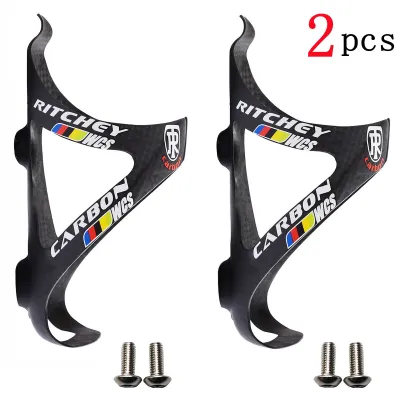
194 Lazada user ratings
Made of high-quality carbon fiber, Ultra-light and durable design,
so par good talaga ang items thanks po sler Performance:good
Easy to install and use, Made of high-quality carbon fiber,
🔨Durability:good. 👜Portability:good. ⚙️Functionality:great.
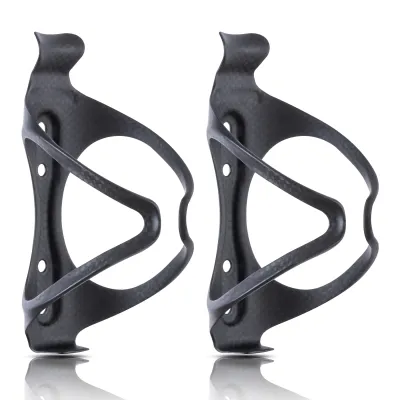
50 Lazada user ratings
Received the product successfully. price is not expensive. the quality of the price is pretty good enough to wait for a long time. shipping …Read full reviewShow less
Received the product successfully. price is not expensive. the quality of the price is pretty good enough to wait for a long time. shipping company on time.
Securely holds water bottle, Great value for the price, Impressive weight of only 22g, Adds a modern touch to my bike, 🛠️Ease of Installation…Read full reviewShow less
Securely holds water bottle, Great value for the price, Impressive weight of only 22g, Adds a modern touch to my bike, 🛠️Ease of Installation:10/10
Sleek matte black finish, Great value for the price, Easy to install on bike,
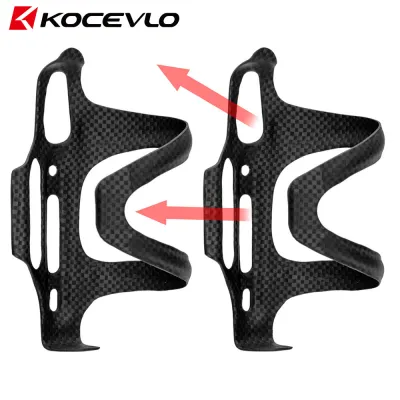
39 Lazada user ratings
very good! real carbon fibre👌🏼 only problem is they send the wrong side.. 😥
🔨Durability: 3K carbon fiber material, Perfect for 70-75mm bottles,
Easy to install with tools included, Left and right adjustable,
🔨Durability:10 🔌Compatibility:10 🛠️Ease of Installation:10
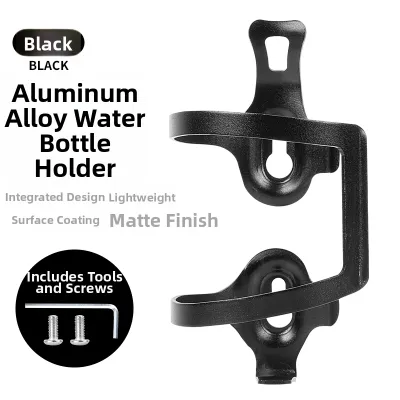
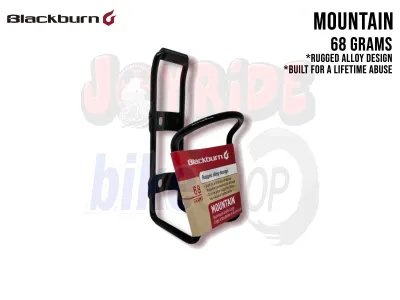
29 Lazada user ratings
Responsive si seller nagsesend pa ng pic b4 iship ung item to make sure n tama ung isesend nila.. Mabilis dumating ung item 2 days lng at sy…Read full reviewShow less
Responsive si seller nagsesend pa ng pic b4 iship ung item to make sure n tama ung isesend nila.. Mabilis dumating ung item 2 days lng at syempre 100% LEGIT ung item.. Thanks!
ayos.... mganda ang item.. nka bubble wrap at walang gasgas.. thanks seller at lazada . will buy again from this shop
Ang ganda, matibay and secured yung packaging. Ang bilis pa maship at madeliver
Lightweight and looks sturdy! Fast delivery too!
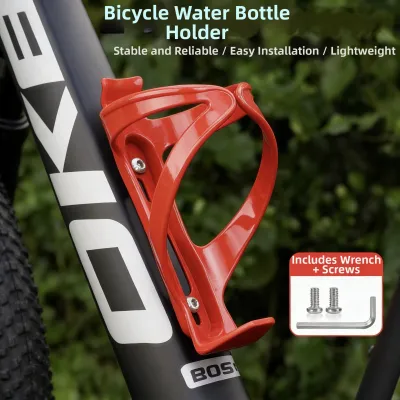
3 Lazada user ratings
The size compatibility is great, and it holds most standard cycling bottles securely. The design is minimalist and looks visually coordinate…Read full reviewShow less
The size compatibility is great, and it holds most standard cycling bottles securely. The design is minimalist and looks visually coordinated once installed on the bike. The straps are plenty elastic and provide a strong grip, so it won't slip or shift even at high speeds. The hollowed-out design helps reduce weight without adding any burden to your ride.
Very sturdy and easy to install
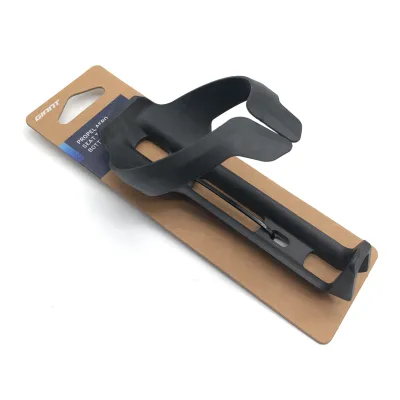
61 Lazada user ratings
Prevents bottle from falling off, Aerodynamic design reduces drag,
satisfied customer .
satisfied customer
👍👍👍👍👍 good quality!
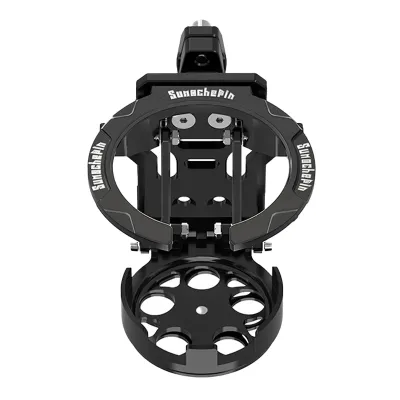
Prices are valid at publication and may change. Please refer to the product page for the latest price.
Weight and Stiffness: Comparing the Specs
When comparing carbon fiber and aluminum, weight is often the first specification riders look at, but structural stiffness is equally critical for bottle security. Carbon fiber is renowned for its high strength-to-weight ratio, which allows manufacturers to mold complex, minimalist shapes that use less material while maintaining structural integrity. Aluminum cages, typically constructed from tubular alloy or stamped sheet metal, require more material volume to achieve comparable strength, resulting in a slightly heavier baseline.
Rather than relying on general material assumptions, you should always check the manufacturer’s specification sheets for the exact weight of individual cage models. While carbon fiber is inherently less dense than aluminum, a heavily reinforced carbon cage designed for mountain biking may weigh the same as, or even more than, a minimalist, ultra-lightweight aluminum alloy cage. Verifying the weight on the product packaging or official product listings helps you avoid paying a premium for negligible weight differences.
Stiffness directly influences how a cage behaves when you insert or remove a water bottle. Carbon fiber cages are molded into rigid, fixed shapes that do not flex easily, providing a firm, consistent grip that relies entirely on the engineered tension of the carbon arms. Aluminum cages offer more inherent flex, allowing the metal to yield slightly as you slide a bottle in, which can make insertion smoother but may result in a looser hold over time if the metal becomes permanently stretched.
| Feature | Carbon Fiber Cages | Aluminum Cages |
|---|---|---|
| Weight Verification | Verify exact grams on the manufacturer's spec sheet; typically lighter but varies by design. | Check product label; generally heavier, though ultra-light alloy options exist. |
| Structural Rigidity | High stiffness with a molded, non-yielding shape that maintains consistent tension. | Moderate stiffness with natural flex; can be manually adjusted if tension decreases. |
| Manufacturing Method | Molded carbon composite layers, allowing for aerodynamic and complex geometries. | Welded tubular alloy or stamped sheet metal, resulting in classic, functional designs. |
| Grip Consistency | Retains original tension indefinitely unless the structure suffers a physical fracture. | May gradually widen with heavy use, requiring manual bending to restore grip. |
Durability and Bottle Retention on Rough Terrain
The durability of a bottle cage is put to the test when riding over uneven roads, gravel paths, or technical mountain bike trails. Aluminum cages are exceptionally resilient against sudden impacts, such as those from crashes, flying debris, or tight storage in a bike transport bag. If an aluminum cage gets bent during a fall or while loading your bike into a vehicle, you can usually bend it back into shape without compromising its basic functionality.

Carbon fiber cages handle material fatigue exceptionally well, meaning they will not stretch out or lose their shape after thousands of bottle insertions. However, carbon fiber is more vulnerable to sharp, localized impacts and crushing forces. A hard crash that strikes a carbon cage directly, or over-tightening the mounting bolts, can crack the composite structure, rendering the cage unusable since cracked carbon fiber cannot be safely repaired.
Bottle retention—the ability of the cage to keep your water bottle from launching out on rough terrain—depends more on the cage’s geometric design and grip points than the raw material itself. A well-designed aluminum cage with a deep top hook and a wrap-around arm structure can hold a bottle more securely on a bumpy descent than a poorly designed, minimalist carbon cage. When riding on gravel or off-road trails, inspect the cage’s structural loop design to ensure it wraps securely around the neck of your bottle.
Price and Value: Evaluating the Cost in the Philippines
The financial investment required for these two materials differs significantly, making cost a primary deciding factor for many cyclists in the Philippines. Aluminum bottle cages are highly accessible, budget-friendly components that allow you to equip a frame with dual cages for a very modest outlay. This makes aluminum the go-to choice for utility bikes, commuter setups, and touring rigs where practical utility outweighs weight savings.
Carbon fiber cages sit in a premium pricing tier, often costing several times more than their aluminum counterparts. To evaluate the value proposition, you should check current listings at local bike shops or authorized online marketplaces in the Philippines to compare real-time pricing in ₱. For a competitive racer looking to shave every possible gram from their setup, the premium cost of carbon fiber may be a justified investment; for a recreational rider, that budget might be better spent on high-quality tires or riding gear.
You should exercise caution when encountering ultra-cheap, unbranded carbon fiber cages on online platforms. These low-cost alternatives often bypass rigorous quality control and safety testing, resulting in brittle structures that can snap unexpectedly under the weight of a full water bottle. Investing in a reputable, branded aluminum cage is always safer and more reliable than opting for an unverified, bargain-tier carbon fiber product.
How to Choose: Decision Framework for Cyclists
To select the right bottle cage for your ride, you must match the material properties to your specific cycling discipline, venue, and equipment setup.
You should choose an aluminum cage if:
- You primarily ride gravel, commute daily, or engage in long-distance touring where equipment is subjected to rough handling.
- You want the ability to manually adjust the grip tension of your cage to accommodate slightly different bottle diameters.
- You are building or maintaining a bicycle on a strict budget and prefer to allocate funds to high-wear components like chains or brake pads.
You should choose a carbon fiber cage if:
- You are building a lightweight road, time-trial, or triathlon bike where minimizing overall weight is a primary performance goal.
- You prefer a modern, aerodynamic aesthetic that complements a high-end carbon fiber frame.
- You want a cage that maintains its exact factory-set grip tension over years of use without stretching or bending out of shape.
Neither material may fit your needs if your bicycle frame features non-standard mounting points, extremely tight clearance inside the front triangle, or unique frame geometry. In these scenarios, you should look into specialized side-loader cages or adjustable mounting adapters rather than standard top-loading designs. Additionally, always verify the compatibility of your water bottles before purchasing, as oversized or uniquely shaped insulated bottles may not sit securely in standard-dimension cages of either material.
Installation and Maintenance Checks
Proper installation and routine maintenance are essential to protect your bicycle frame and ensure your bottle cages remain secure throughout their lifespan. When mounting any cage, you must use the correct bolt length recommended by your frame manufacturer. Using bolts that are too long can bottom out inside the frame’s water bottle boss, stripping the threads or damaging the internal frame tubes.
If you are mounting a bottle cage to a carbon fiber frame, always use a reliable torque wrench to tighten the bolts to the manufacturer’s specified torque limit, which is typically measured in Newton-meters (Nm). Over-tightening bolts on a carbon frame can crush the delicate carbon fibers around the threaded bosses, leading to costly structural damage. Applying a small amount of bicycle grease or anti-seize compound to the bolt threads before installation prevents the metal from binding over time.
Routine maintenance is particularly important in tropical climates like the Philippines, where sweat, rain, and road grime can quickly accumulate around the bottle cage area. Regularly remove your cages to clean mud, salt, and grit from the mounting bolts and frame bosses. This simple step prevents galvanic corrosion, which can occur when mixing different metals—such as steel bolts, aluminum cages, and alloy frame inserts—ultimately ensuring your components remain easy to adjust or replace.
Frequently Asked Questions (FAQ)
Do carbon fiber cages scratch water bottles more than aluminum?
No, carbon fiber cages do not inherently scratch water bottles more than aluminum ones. Surface scratching on plastic water bottles is almost always caused by fine road grit, sand, and dirt that becomes trapped between the inner surface of the cage and the outer wall of the bottle. As you ride, the vibration causes this trapped debris to act like sandpaper, wearing down the bottle’s finish. To minimize this wear, you should regularly wash both your water bottles and the inside of your bottle cages to remove accumulated road grime.
Can I bend an aluminum bottle cage to adjust the grip?
Yes, one of the main advantages of aluminum bottle cages is that they can be gently bent to adjust how tightly they hold your water bottle. If your bottle feels too loose and rattles on rough roads, or if it is too tight and difficult to extract while riding, you can manually squeeze the cage arms inward or pull them outward. You must make these adjustments in very small, incremental steps, applying gentle pressure to avoid causing metal fatigue or snapping the cage at its welded joints.

Community discussion
Share your experience or ask a question. Comments are reviewed before publication.