
Selecting the right 3fulgear (often styled as 3F UL Gear) equipment for camping in the Philippines requires balancing ultralight design with the realities of a tropical maritime climate. The brand’s reputation for budget-friendly, lightweight gear makes it highly popular among local hikers, but success on the trail depends on matching specific fabric specifications, tent structures, and pack capacities to your destination’s elevation and season. Whether you are pitching a shelter on a windy, cold ridge like Mt. Pulag or trekking through the humid, dense jungles of Mt. Makiling, selecting the correct gear configuration ensures safety, comfort, and gear longevity.
To build a reliable sleep and carry system, you must look beyond generic product descriptions and focus on how materials perform under high humidity, sudden tropical downpours, and rough trail conditions. This guide outlines the critical selection criteria, environmental adaptations, and verification steps needed to choose the best 3fulgear tents, backpacks, and sleeping bags for your local outdoor adventures.
Evaluating 3fulgear Gear for Philippine Camping Environments
Camping in the Philippines presents a unique set of environmental challenges that can quickly expose the limitations of poorly chosen outdoor gear. The country’s tropical climate is characterized by high relative humidity, high temperatures, and abundant rainfall, which vary significantly between coastal lowlands and high-altitude peaks. When evaluating gear from an ultralight brand like 3fulgear, you must consider how these factors affect material performance, comfort, and safety on the trail.
Products mentioned in this guide
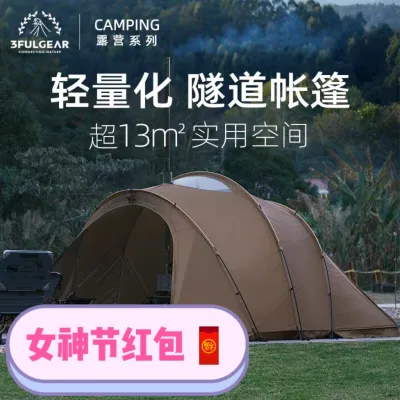
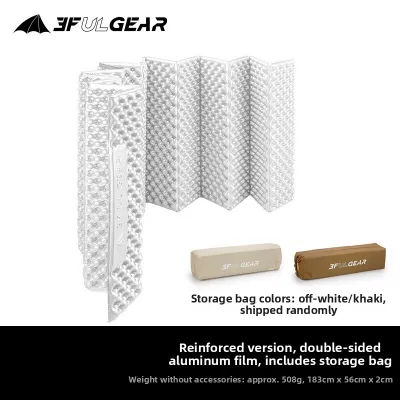
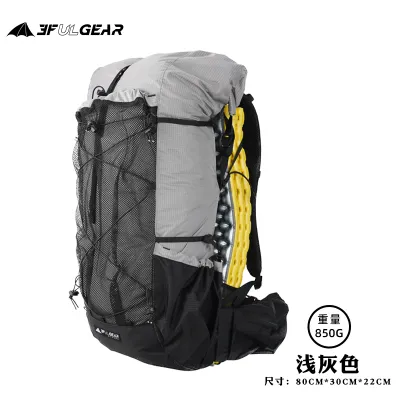
Prices are valid at publication and may change. Please refer to the product page for the latest price.
In lowland forests and coastal campsites, the primary challenges are heat, intense humidity, and insects. Gear used in these environments must prioritize maximum ventilation to prevent overheating and condensation buildup. Conversely, high-altitude destinations like Mt. Pulag, Mt. Apo, or Mt. Dulang-Dulang experience much lower temperatures, strong winds, and persistent mist or fog. For these colder peaks, your gear must focus on wind resistance, heat retention, and reliable moisture protection, as dampness combined with cold winds can easily lead to hypothermia.
Trail conditions also dictate the durability requirements of your equipment. Philippine trails are often characterized by dense vegetation, sharp cogon grass, thorny rattan, muddy paths, and frequent river crossings. Ultralight gear frequently utilizes thinner, lower-denier fabrics to save weight, which can be vulnerable to punctures and tears in overgrown areas. You must carefully weigh the weight savings of ultralight materials against the ruggedness required for the specific trails you plan to navigate.
Finally, your personal trip parameters should guide your gear capacity and sizing choices. A solo weekend trek along well-established trails requires a much smaller, lighter setup than a multi-day, self-supported expedition through remote wilderness areas. Before purchasing any gear, define your typical group size, trip duration, and the level of self-sufficiency required, as these factors will directly influence the volume of your backpack, the size of your tent, and the thermal rating of your sleeping bag.
Selecting the Right 3fulgear Tent for Local Weather and Terrain
Your tent is your primary line of defense against the elements, making it one of the most critical decisions in your gear setup. 3fulgear offers a variety of tent designs, ranging from traditional double-wall dome tents to ultralight, trekking-pole-supported shelters. Choosing the right model requires a careful analysis of how the tent’s structure and materials handle tropical weather and local terrain.

One of the first decisions you will face is choosing between single-wall and double-wall designs. Single-wall tents are exceptionally light and easy to pack, but they are highly susceptible to condensation in humid environments. In the Philippines, where nighttime humidity often approaches 100 percent, the moisture from your breath can easily condense on the inside of a single-wall tent, dampening your sleeping bag and gear. Double-wall tents, which feature a separate mesh inner tent and a waterproof rainfly, provide a physical barrier between you and the condensation while allowing air to circulate freely, making them the far more comfortable choice for most local camping scenarios.
Waterproofing specifications are another critical factor to verify before purchasing. Look closely at the hydrostatic head (HH) rating of both the rainfly and the tent floor, which indicates the fabric’s resistance to water pressure. For the Philippine rainy season, a rainfly rating of at least 2,000mm to 3,000mm is recommended to withstand heavy, prolonged downpours. Additionally, pay attention to the floor’s denier rating; thin floors (such as 15D or 20D nylon) require the use of a matching footprint or groundsheet to prevent water from seeping through when pitched on saturated ground and to protect the fabric from sharp rocks and roots.
You must also choose between freestanding and trekking-pole-supported setups based on the terrain of your target campsites. Freestanding tents use dedicated poles to maintain their structure, allowing them to be pitched easily on almost any surface, including rocky ridges, wooden camping platforms, or sandy beaches where driving stakes is difficult. Trekking-pole-supported tents, such as the popular Lanshan series, save significant weight by utilizing your hiking poles as the primary support structure. However, they require secure ground anchors and tensioned guy lines to remain stable, which can be challenging to set up in tight, overgrown jungle clearings or on hard, rocky ground.
Lastly, evaluate the interior dimensions and vestibule space of the tent. Tropical storms can sometimes pin you inside your shelter for hours or even days. Having a tent with a spacious vestibule allows you to store muddy boots, wet backpacks, and cooking equipment safely outside your sleeping area while keeping them protected from the rain. Ensure the inner tent offers enough headroom for you to sit up comfortably, which greatly improves livability during extended periods of bad weather.
Choosing a 3fulgear Backpack for Hiking and Load Management
Carrying your gear comfortably over steep, muddy, and uneven terrain requires a backpack that fits your body well and distributes weight efficiently. 3fulgear produces several lightweight and ultralight backpacks designed for different hiking styles and load requirements. Selecting the right pack involves matching its capacity, suspension system, and weather resistance to your specific needs.
Matching the backpack’s capacity to your trip duration and gear volume is essential. For day hikes or overnight trips where you are carrying minimal, compact gear, a pack capacity of 30L to 40L is usually sufficient. For typical weekend trips or multi-day treks where you must carry your own food, cooking gear, and a share of group equipment, a 45L to 55L pack is generally the sweet spot. If you are embarking on self-supported expeditions lasting several days with limited water sources, you may need to look at packs in the 60L or larger range to accommodate the extra weight and volume.
Because hiking in the Philippines is a warm and sweaty endeavor, back panel ventilation is a key comfort feature. Look for backpacks that feature suspended mesh back panels or deeply channeled foam padding that allows air to flow between your back and the pack. Additionally, inspect the harness adjustability and hip belt padding. A well-padded, load-bearing hip belt is crucial for transferring the weight of the pack from your shoulders to your hips, reducing fatigue during long, steep climbs.
Weather resistance is another vital consideration for tropical backpacking. While some 3fulgear packs utilize highly water-resistant fabrics like X-Pac or UHMWPE blends, the seams of these packs are rarely fully waterproof. To protect your dry clothes, sleeping bag, and electronics from sudden downpours, you should always verify if the pack comes with an integrated rain cover. Alternatively, you can line the inside of your backpack with a heavy-duty trash bag or use individual dry bags for your most sensitive gear, which provides reliable protection even during river crossings.
Finally, examine the pack’s external attachment points and compression straps. External mesh pockets are incredibly useful for stashing wet rain gear, water bottles, and trail snacks without needing to open the main compartment. Compression straps help stabilize the load by pulling the weight closer to your back, while dedicated loops and daisy chains allow you to securely attach trekking poles, a closed-cell foam sleeping pad, or wet clothes that need to air-dry while you hike.
Picking a 3fulgear Sleeping Bag for Tropical and High-Altitude Nights
Achieving a restful night’s sleep is crucial for recovery on the trail, and your choice of sleeping bag plays a major role in your overnight comfort. 3fulgear offers sleeping bags and quilts with different insulation materials, temperature ratings, and shapes. To choose the right one, you must understand how these features interact with the varied elevations and humidity levels of the Philippines.
The first major decision is selecting between down and synthetic insulation. Down insulation offers an unmatched warmth-to-weight ratio and compresses into a very small package, making it highly desirable for ultralight hikers. However, down loses its ability to loft and insulate if it becomes wet or absorbs excessive moisture from high humidity. Synthetic insulation is heavier and bulkier, but it retains some of its insulating properties when damp and dries much faster than down. If you frequently camp in wet, humid lowlands, synthetic insulation or a down bag treated with a hydrophobic coating is generally safer; for cold, dry high-altitude ridges, standard down is highly efficient if kept strictly dry.
When reviewing temperature ratings, always focus on the “comfort” rating rather than the “limit” or “extreme” rating. The comfort rating indicates the lowest temperature at which a cold sleeper can expect to sleep comfortably. For high-altitude peaks like Mt. Pulag, where nighttime temperatures can drop to single digits Celsius, you will need a sleeping bag with a comfort rating of 5°C to 10°C. For mid-elevation campsites or coastal areas where temperatures rarely drop below 20°C, a traditional sleeping bag is often too warm; instead, consider a lightweight sleeping bag liner or an open-footbox quilt rated for 15°C to 20°C.
The shape of the sleeping bag also affects both heat retention and comfort. Mummy-shaped bags taper toward the feet and feature a fitted hood, which minimizes dead air space and maximizes heat retention, making them ideal for cold mountain summits. Rectangular sleeping bags and camping quilts offer more room to stretch out and allow you to easily stick your feet out to regulate your temperature, which is highly beneficial in warmer, humid climates where a restrictive mummy bag can feel stifling.
Lastly, check the packed size and weight of the sleeping bag to ensure it fits harmoniously within your gear system. A bulky sleeping bag can take up a disproportionate amount of space in your backpack, forcing you to carry a larger, heavier pack than necessary. Ensure the sleeping bag compresses sufficiently to leave ample room for essential items like water, food, and safety gear, especially on trails where water sources are scarce and you must carry heavy water loads.
Where to Buy and How to Verify Authentic 3fulgear Gear
As the popularity of ultralight hiking grows, so does the risk of encountering counterfeit or substandard outdoor equipment. To ensure you are purchasing genuine 3fulgear products that meet the brand’s quality and safety standards, you must be selective about your purchasing channels and diligent in verifying the gear before heading into the wilderness.
Always prioritize buying from official brand stores on reputable e-commerce platforms or authorized local outdoor specialty retailers. Purchasing from established sellers reduces the risk of buying counterfeit items and ensures you have access to customer support if you encounter any issues. Avoid unverified third-party sellers, especially those offering prices that are significantly lower than the average market rate, as these are often red flags for counterfeit goods or defective stock.
When shopping online, inspect product listings carefully for signs of authenticity. Look for clear, high-resolution photos showing correct logo placement, consistent spelling of “3F UL GEAR” or “3fulgear”, and detailed material specifications. Read customer reviews and look for uploaded photos of the actual products to verify that the stitching, seam taping, and hardware match the official product descriptions. Authentic 3fulgear products should arrive in professional packaging with official tags and clear instructions.
Understanding the seller’s return policies and warranty coverage is also essential. Manufacturing defects, such as broken zippers, misaligned seams, or delaminating waterproof coatings, can occasionally occur even with reputable brands. Purchasing from a local distributor or an authorized seller with a clear return policy makes it much easier to exchange defective items without dealing with the high costs and long transit times associated with international shipping.
Finally, always perform a thorough pre-trip gear check at home well before your scheduled departure. Set up your new tent in your backyard or a local park to ensure all poles, stakes, and guy lines are present and functioning correctly. Pack your backpack with your actual trail gear to test the fit, adjust the harness, and verify that the weight is distributed comfortably. Inspect your sleeping bag’s zippers and loft, and check all buckles and straps on your pack to ensure everything is in perfect working order before you set foot on the trail.
Frequently Asked Questions (FAQ)
How should I care for my 3fulgear tent after a wet camping trip?
To prevent mold, mildew, and material degradation in the humid Philippine climate, you must dry your tent completely before storing it. As soon as you return home, pitch the tent or hang it up in a shaded, well-ventilated area out of direct sunlight, as prolonged exposure to UV rays can damage the waterproof coatings and nylon fibers. Gently wipe away any mud, sand, or trail debris using a soft sponge and clean water; avoid using harsh household detergents or washing machines, which can strip the silicone or polyurethane coatings and damage the seam tape. Once the tent is entirely dry to the touch, store it loosely in a breathable cotton or mesh storage sack in a cool, dry place, rather than leaving it compressed inside its tight stuff sack.
Can I use a 3fulgear down sleeping bag in lowland tropical campsites?
Using a down sleeping bag in hot, humid lowland campsites is generally not recommended because down excels at trapping heat and can easily cause you to overheat in warm weather. Furthermore, the high humidity and sweat typical of lowland environments can cause the down feathers to clump together, reducing their loft and insulating efficiency over time. For low-elevation camping, a much better alternative is to use a lightweight synthetic quilt, a thin summer-rated sleeping bag, or a simple silk or microfiber sleeping bag liner. If you do bring a down bag to a warmer campsite, choose a model that can be unzipped completely to use as a flat blanket, allowing you to easily regulate your temperature throughout the night.

Community discussion
Share your experience or ask a question. Comments are reviewed before publication.