
In the tropical climate of the Philippines, where relative humidity levels frequently soar, maintaining athletic gear presents a unique challenge. Boxing gloves, with their deep, dark, and enclosed chambers, are particularly susceptible to trapping sweat and body heat. Without proper care, this moisture quickly transforms your essential training gear into a breeding ground for odor-causing bacteria and fungi. Selecting an effective boxing glove deodorizer is not just about eliminating unpleasant smells; it is a critical step in protecting your skin from infections, preserving the structural integrity of your gloves, and ensuring your training setup remains hygienic.
Finding the right solution requires understanding how different deodorizing methods interact with your specific gear. Whether you train daily in a high-intensity gym or maintain a dedicated home boxing corner, the choice between sprays, passive absorbers, and electronic sanitizers depends on your routine, your glove materials, and your local environment. By focusing on moisture extraction and targeted sanitization, you can extend the lifespan of your gloves and maintain a fresh, professional training environment.
Why Standard Fresheners Fail on Boxing Gear
Standard household air fresheners, fabric sprays, and aerosol perfumes are designed for open spaces or highly breathable fabrics. When applied to boxing gloves, these products almost always fail because they do not address the root cause of the odor: trapped moisture deep within the glove’s padding. Boxing gloves are constructed with thick layers of closed-cell or open-cell foam encased in a protective outer shell. When you sweat, the moisture penetrates the inner fabric lining and settles into these foam layers, where air circulation is virtually non-existent.
Products mentioned in this guide
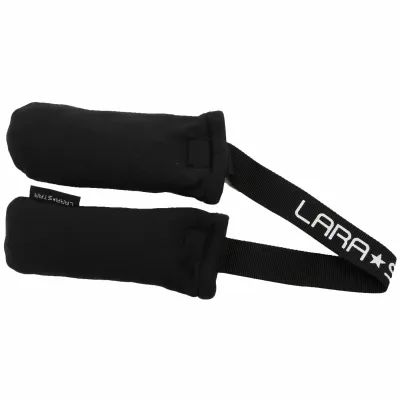
![[COD] EHBqna SPORT Boxing Gloves Deodorizer Portable Indoor For Football Gloves Bowling Gloves Flax Smell Deodorant Drying Charcoal Pack](https://img.lazcdn.com/g/p/735db94afb110e57fa5f28f84c94767e.jpg_400x400q80.jpg_.webp)
Prices are valid at publication and may change. Please refer to the product page for the latest price.
Using a typical household aerosol spray inside a damp glove merely masks the odor temporarily with heavy synthetic fragrances. This creates an unpleasant mixture of perfume and stale sweat. More importantly, adding more liquid to an already wet environment provides additional moisture for bacteria to thrive. Over time, this constant dampness accelerates the breakdown of the glove’s interior lining and foam core.
Material sensitivity is another critical factor that standard fresheners ignore. Many household disinfectants contain high concentrations of alcohol, harsh solvents, or strong chemical propellants. While these chemicals are effective on hard surfaces, they can be highly destructive to boxing gear. Genuine leather gloves require natural oils to remain supple; harsh alcohol-based sprays strip these oils, leading to premature drying, cracking, and stiffness. Synthetic polyurethane (PU) and vinyl gloves are also vulnerable, as strong chemicals can dissolve the adhesives holding the lining together or cause the outer synthetic layer to peel and flake.
Comparing Deodorizer Types for Different Training Routines
To choose the right deodorizer, you must evaluate how different product categories align with your training volume, budget, and gear materials. The three primary types available to fitness enthusiasts each offer distinct advantages and operational trade-offs.

Antimicrobial sprays are popular for their convenience and rapid application. These liquid formulas are sprayed directly into the glove cavity immediately after training to target odor-causing bacteria on contact. While highly effective at sanitizing, they introduce temporary moisture into the glove. Consequently, they require a reliable drying environment to ensure the liquid carrier evaporates completely before the next training session. If you train multiple times a week, relying solely on sprays without adequate drying time can lead to sticky chemical residues and persistent dampness.
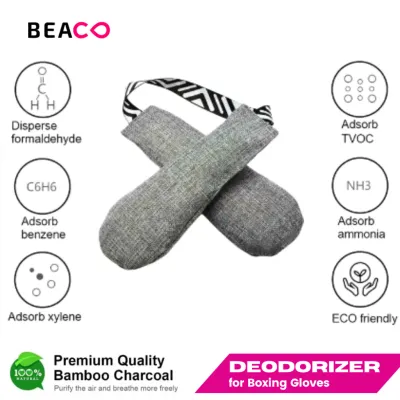
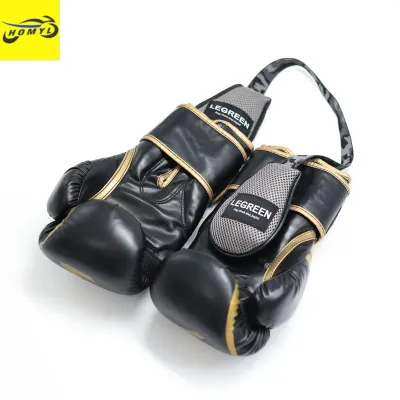
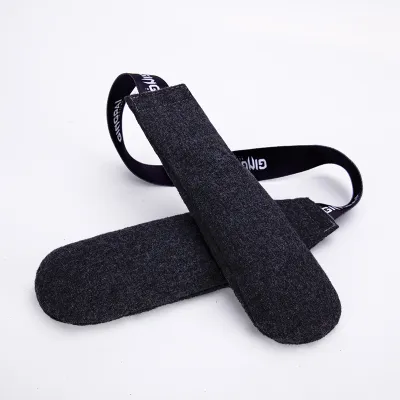
Desiccant inserts and bamboo charcoal bags offer a highly effective, passive approach to gear maintenance. These inserts, often shaped like pouches or “glove dogs,” are stuffed directly into the gloves after use. Bamboo charcoal is highly porous, allowing it to naturally trap odor molecules and absorb ambient moisture without the use of active chemicals. Other desiccant inserts utilize silica gel or natural cedar chips to pull moisture out of the foam lining. This method is exceptionally safe for all glove materials, including premium genuine leather, as it involves no harsh chemical reactions. However, these passive absorbers work slowly, typically requiring eight to twelve hours to thoroughly dry and deodorize a glove, and they must be periodically placed in direct sunlight to release trapped moisture and reactivate.
Electronic ozone or UV-C sanitizers represent the high-tech end of gear care. These devices are inserted into the gloves and plugged into a power source to run a sanitizing cycle. UV-C light disrupts the DNA of bacteria and fungi, preventing them from multiplying, while ozone gas penetrates deep into the foam crevices to neutralize odor compounds. While highly efficient at disinfection, these devices do not physically remove moisture unless they feature a built-in fan drying system. Additionally, users must verify that their glove materials can withstand ozone exposure, as prolonged or excessive ozone concentration can accelerate the degradation of certain synthetic foams and adhesives.
| Deodorizer Type | Application Time | Moisture Control Effectiveness | Material Safety | Best Suited For |
|---|---|---|---|---|
| Antimicrobial Sprays | Under 1 minute (requires drying) | Low (adds temporary moisture) | Moderate (check alcohol content) | Quick post-workout sanitizing |
| Charcoal/Desiccant Bags | Overnight (8-12 hours) | High (absorbs sweat actively) | High (chemical-free, non-reactive) | Daily moisture removal and storage |
| Electronic Sanitizers | 15-30 minutes | None (unless paired with fan) | Moderate (ozone can affect foam) | Deep bacterial disinfection |
Label Checks: Protecting Your Gear and Skin
When shopping for a boxing glove deodorizer, reading the product label carefully is essential to protect both your expensive equipment and your skin. Because your hands are wrapped tightly inside the gloves, any chemical residue left behind by a deodorizer will make direct, prolonged contact with your skin once you begin to sweat. This friction and moisture can easily lead to contact dermatitis, chemical burns, or severe skin irritation if the product contains harsh ingredients.
First, look for explicit labels indicating that the product is “leather-safe,” “non-corrosive,” or “specifically formulated for athletic gear.” Avoid generic household disinfectants that do not specify material compatibility. Non-aerosol pump sprays are generally preferred over pressurized aerosol cans, as they typically contain fewer volatile organic compounds and chemical propellants that can degrade synthetic linings.
Understanding the active ingredients is also crucial. You will often have to choose between alcohol-based quick-dry formulas and alcohol-free enzyme cleaners. Alcohol-based sprays dry rapidly, which is convenient for back-to-back training sessions, but they can dry out genuine leather over time. Enzyme-based cleaners, on the other hand, utilize natural proteins to break down the organic compounds in sweat and skin oils. While they take longer to dry, enzyme cleaners are highly effective at eliminating the actual food source of bacteria, offering a safer and more sustainable long-term solution for both leather and synthetic materials.
Always check for skin-safety certifications, hypoallergenic claims, or dermatologist-tested labels, particularly if you have sensitive skin or eczema. A reliable deodorizer should clearly distinguish itself as an active antibacterial or antimicrobial agent rather than a simple fragrance masking agent. Look for active ingredients like benzalkonium chloride or natural alternatives like tea tree oil, which provide genuine sanitizing properties without relying on heavy, irritating synthetic perfumes.
Finding Reliable Products in the Philippine Market
Navigating online marketplaces and local retail stores in the Philippines requires a strategic approach to avoid low-quality or counterfeit products. When searching on major ecommerce platforms, avoid generic terms like “perfume spray” or “shoe spray,” which often return highly concentrated chemical deodorizers meant only for footwear. Instead, use precise search terms such as “boxing glove insert,” “bamboo charcoal sports deodorizer,” or “athletic gear disinfectant spray.”
Before making a purchase, thoroughly verify the seller’s ratings and read authentic customer reviews. Pay close attention to feedback from local buyers who train regularly in tropical conditions. Reviews that mention how well a desiccant bag performs during the humid rainy season or how a spray behaves in a non-air-conditioned home gym provide invaluable real-world insights. Be cautious of listings with overwhelmingly generic positive reviews that lack specific details about athletic gear.
In the Philippines, the high ambient humidity can affect products even before you purchase them. For desiccant-based products, verify that the seller stores and ships the items in airtight, vacuum-sealed packaging. If a charcoal or silica bag is exposed to local humidity during warehousing or transit without proper sealing, it may arrive already partially saturated, significantly reducing its effective lifespan. Check the manufacturing and expiration dates on chemical sprays to ensure you are receiving a fresh batch with active sanitizing agents.
While general online marketplaces offer convenience, consulting specialized martial arts supply stores or local boxing gyms is often the safest route. These specialty retailers curate products specifically tested for combat sports gear and can offer expert advice tailored to your specific glove brand and training frequency.
Integrating Deodorizers Into Your Post-Training Routine
No deodorizer can perform effectively without a proper supporting maintenance routine. To maximize the lifespan of your boxing gloves and keep them smelling fresh, you must integrate your chosen deodorizer into a structured post-training discipline.
The moment your training session ends, immediately wipe down both the exterior and interior of your gloves. Use a clean, dry microfiber cloth to absorb as much surface sweat as possible from the inner lining. This simple step significantly reduces the volume of moisture your deodorizer needs to process. Next, fully open the gloves by unstrapping the hook-and-loop closures or loosening the laces as wide as possible to encourage natural airflow.
When air-drying your gear, position the gloves in a well-ventilated indoor area with consistent airflow, such as near a fan or an open window. Never place your gloves in direct sunlight or near artificial heat sources like radiators or hair dryers. While heat dries gear quickly, it causes genuine leather to shrink and crack, and it can melt or warp the internal foam padding, rendering the gloves unsafe for sparring.
Establish a clear rotation for your deodorizers based on your weekly training volume. If you train three to four times a week, insert bamboo charcoal bags immediately after wiping the gloves down and leave them inside until your next session. If you use an antimicrobial spray, apply a light, even mist inside the cavity after training, allow it to air-dry completely, and then insert your dry desiccant bags.
Finally, learn to recognize the physical signs that indicate your gloves have reached the end of their usable life. While deodorizers can manage moisture and minor odors, they cannot restore degraded materials. If the internal foam padding feels lumpy, soft, or bottomed-out, or if a persistent, sour odor remains even after thorough drying and sanitizing, the glove’s protective qualities have failed. At this point, continuing to use the gloves risks injuring your wrists or hands, and they should be replaced immediately.
Frequently Asked Questions (FAQ)
Can I use regular shoe deodorizer sprays on boxing gloves?
It is highly discouraged to use standard shoe deodorizer sprays on boxing gloves. Footwear deodorizers are formulated for the durable, thick skin of the feet and often contain high concentrations of harsh chemicals, strong alcohol bases, and intense synthetic fragrances. The skin on your hands and wrists is significantly more sensitive and experiences intense friction against hand wraps during training. Using shoe sprays inside boxing gloves can lead to severe skin irritation, chemical burns, or allergic reactions when mixed with sweat. Additionally, the harsh chemical formulations can rapidly degrade the delicate inner linings of boxing gloves.
How often should I apply deodorizer to my gloves?
The application frequency depends entirely on your training intensity and the type of deodorizer you use. Passive desiccant inserts or bamboo charcoal bags should be inserted into your gloves after every single training session to ensure moisture is continuously drawn out during storage. If you are using an antimicrobial or enzyme-based spray, a light application after every two to three training sessions is generally sufficient for moderate trainers. Avoid over-saturating your gloves with liquid sprays daily, as excessive moisture buildup can overwhelm the drying process and lead to sticky chemical residues inside the lining.
Do glove deodorizers remove existing mold?
No, standard glove deodorizers are designed for prevention and maintenance, not for mold remediation. If your boxing gloves have already developed visible mold or a deep, persistent fungal odor, the spores have likely penetrated deep into the internal foam layers. Standard sprays and charcoal inserts cannot safely eliminate established mold from these porous materials. Using moldy gloves poses serious health risks, including skin infections and respiratory issues. If your gloves have reached this stage of contamination, they cannot be safely salvaged and must be replaced to ensure your safety.

Community discussion
Share your experience or ask a question. Comments are reviewed before publication.