
Finding a stair climber machine that fits a small condominium in the Philippines requires balancing physical footprint, ceiling height, and structural noise. While commercial-grade revolving stairmills are often too massive for typical high-rise units, compact alternatives like vertical climbers, mini steppers, and specialized compact stair steppers offer viable ways to get an intense cardio workout without overcrowding your living space.
Condo living in urban centers often means working with limited square footage and shared walls. Selecting the right fitness equipment is not just about finding a machine that physically fits into a corner; it is about ensuring you can safely mount, operate, and store the machine without damaging your floors or disturbing your neighbors. By focusing on vertical space, portability, and noise-dampening features, you can successfully integrate a high-intensity climbing workout into your home setup.
Stair Climber Types: What Actually Fits in a Condo?
Full-size stair steppers, which often resemble miniature escalators with revolving stairs, are the most demanding in terms of space. These machines require a permanent footprint, high ceilings, and a robust floor structure to support both the heavy machine weight and the dynamic impact of the user. For most standard condominiums, these commercial-style units are impractical due to their sheer bulk and lack of mobility.
Products mentioned in this guide
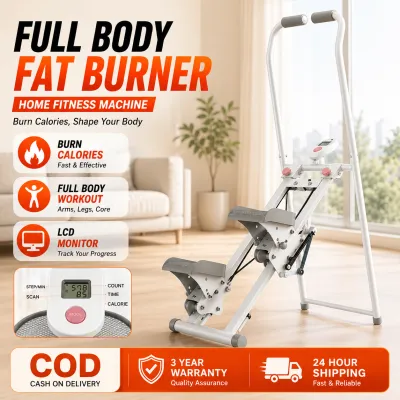
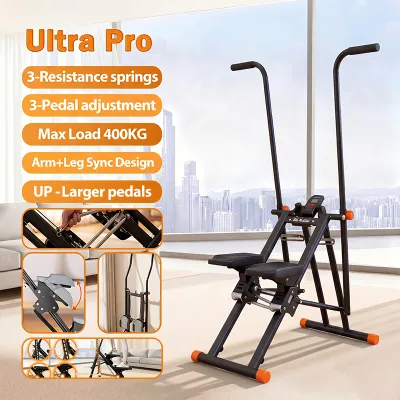
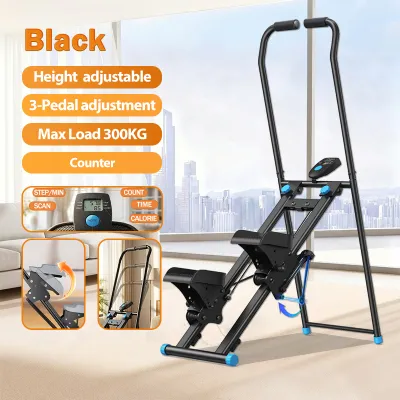
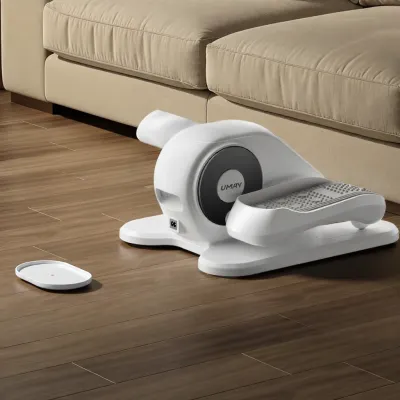
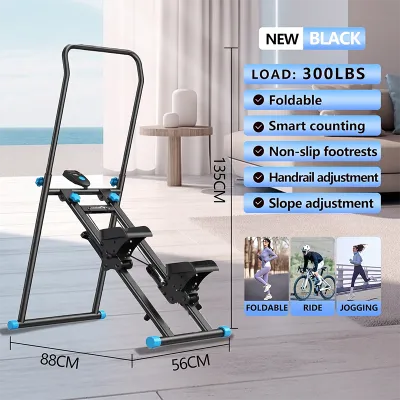
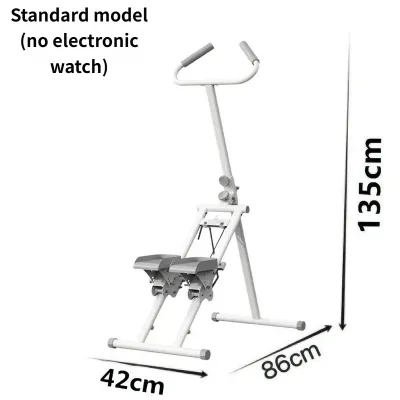
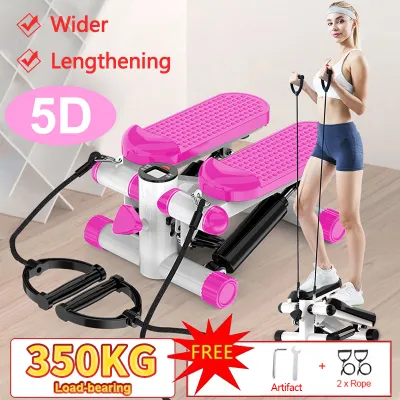
Prices are valid at publication and may change. Please refer to the product page for the latest price.
Vertical climbers offer a different approach by utilizing a vertical frame where you mimic a rock-climbing motion using hand grips and foot pedals. These machines have a remarkably small floor footprint, making them highly suitable for tight corners. However, they demand significant vertical clearance, meaning you must verify your ceiling height to ensure your hands and the machine’s top pulleys do not strike the ceiling during use.
Mini steppers represent the most space-conscious category, consisting of two independent pedals on a hydraulic or spring-resistance base. These compact devices can easily be slid under a bed or placed in a closet when not in use. While they do not offer the same range of motion or high-intensity cardiovascular challenge as larger machines, they provide a low-impact, highly accessible option for active recovery and daily step goals.
Choosing between these types involves a direct trade-off between structural stability, workout intensity, and machine size. Larger machines provide a more stable base and a more natural climbing motion but require dedicated floor space. Smaller units save space and are highly portable, but they may limit your stride length and overall workout intensity.
How to Measure Your Space Before Buying
Before purchasing any stair climber machine, you must measure your dedicated floor area with precision. Do not rely solely on the static dimensions listed on the product packaging; you must account for the active clearance zone. This means leaving at least two to three feet of open space around the machine to allow for safe mounting, dismounting, and natural body sway during high-intensity intervals.

Vertical clearance is the most critical and frequently overlooked measurement for high-rise fitness equipment. To calculate your required ceiling height, add your own height to the maximum pedal height of the machine at its peak elevation, then add an extra six to eight inches of safety clearance. If your condo has dropped ceilings for air conditioning ducts or decorative lighting, measure from the lowest point of those structures rather than the main ceiling slab.
The journey of the machine from the delivery truck to your living room requires careful logistical planning. Measure the width and height of all entryways, including the service elevator doors, tight hallway corners, and your unit’s main front door. Many heavy-duty fitness machines are shipped in large, heavy wooden crates or bulky cardboard boxes that cannot be easily tilted or maneuvered through standard residential corridors.
If you live in a high-rise development, consult your building administration regarding elevator weight capacities and delivery hours. Some residential elevators have strict weight limits or require reservation of a service elevator for bulky items. Knowing these dimensions beforehand prevents the frustration of having a premium fitness machine delivered only to find it cannot fit inside the elevator or pass through your front door.
Space-Saving Features to Prioritize
For multi-use living spaces where your living room or bedroom doubles as a home gym, foldable designs are highly advantageous. Some vertical climbers and compact steppers feature a folding frame that collapses flat against a wall or slips into a closet. When evaluating these models, inspect the locking mechanisms and frame joints to ensure that foldability does not compromise the structural rigidity of the machine during vigorous workouts.
Integrated transport wheels are essential for moving the equipment without straining your back or scratching your flooring. Look for high-density polyurethane wheels that roll smoothly over tiles, hardwood, or vinyl planks. The machine should be balanced in a way that allows you to tilt and roll it into a storage corner with minimal effort, especially after an exhausting cardio session.
Noise and vibration reduction are paramount when living in close proximity to neighbors. Hydraulic resistance systems and magnetic resistance mechanisms tend to operate much more quietly than chain-driven or fan-based systems. Additionally, check for rubberized leveling feet on the base of the machine, which help absorb micro-vibrations and prevent the unit from shifting or squeaking on hard condo floors.
Setup and Safety Checks for Apartment Living
Placing a heavy-duty fitness mat beneath your stair climber is a non-negotiable step for apartment setup. A thick, high-density rubber mat serves a dual purpose: it protects your condo’s flooring from scratches and sweat, and it dampens the low-frequency vibrations that travel through concrete floor slabs to the ceiling of the unit below. This simple addition can prevent noise complaints and preserve neighborly harmony.
Always verify your condominium association’s guidelines regarding heavy fitness equipment and structural load limits. While a mini stepper poses no structural risk, larger commercial-grade stair climbers can weigh several hundred pounds, concentrating significant weight on a small footprint. Confirming these rules beforehand ensures compliance with building safety standards and avoids potential disputes with property management.
Proper ventilation and cooling are critical when performing intense cardio in a compact, enclosed room. The tropical climate and high humidity in the Philippines can quickly turn a small spare room or corner into a humid sauna during a workout. Position your stair climber near an air conditioning vent or set up a high-velocity floor fan to maintain adequate airflow, which helps regulate your body temperature and prevents moisture buildup on the machine’s electronic components.
Frequently Asked Questions (FAQ)
Can I use a full-size stair stepper in a standard condo?
Using a full-size, commercial-style stair stepper in a standard condominium is generally impractical due to severe spatial and structural constraints. These machines require a permanent, non-foldable footprint and exceptionally high ceilings to accommodate the user’s elevated height at the top of the step cycle. Additionally, their heavy weight makes delivery through standard residential elevators and narrow hallways highly challenging, often requiring professional disassembly and specialized handling.
Do mini steppers provide the same workout as large stair climbers?
Mini steppers do not provide the exact same workout intensity or range of motion as large, full-size stair climbers, but they offer a highly effective low-impact alternative for small spaces. Because mini steppers have a shorter pedal travel distance, they primarily target the calves and lower quadriceps rather than the deep gluteal muscles engaged by deep climbing steps. To increase the workout intensity on a mini stepper, you can incorporate resistance bands for upper-body engagement, increase your stepping tempo, or extend your overall workout duration.

Community discussion
Share your experience or ask a question. Comments are reviewed before publication.