
To choose a suitable fishing hawks set for freshwater fishing in the Philippines, beginners must focus on versatility, ease of use, and durability against tropical humidity. A practical beginner setup typically features a medium-power spinning rod and reel combo that allows you to target common local species like tilapia and carp without a steep learning curve. By understanding how to verify product specifications and match your gear to local water conditions, you can ensure a safe, productive, and enjoyable introduction to the sport.
Verifying the "Fishing Hawks Set" and Brand Specifications
When shopping for a “fishing hawks set,” your first step is to clarify exactly what product you are viewing. In the outdoor gear market, “Hawks” or “Fishing Hawks” may refer to a specific brand of entry-level tackle, or it could be a common search typo for essential items like fishing hooks, hawk-bill line cutters, or general tackle sets. Carefully read the product listing on your chosen ecommerce platform or local tackle shop website to confirm whether you are purchasing a complete rod-and-reel combo, a specialized lure kit, or a bundle of terminal tackle.
Once you confirm the product identity, inspect the manufacturer’s label or product description for explicit freshwater suitability. Not all entry-level sets are built to withstand the specific demands of freshwater environments, and using saltwater-rated gear in muddy rivers can sometimes lead to unnecessary weight or stiffness. Look for a clear breakdown of the included components, ensuring the set contains both a rod and a matching reel designed to work in tandem.
Products mentioned in this guide
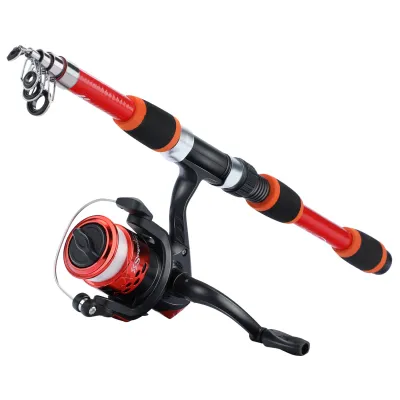
![[In Stock]Sougayilang Fishing Rod Set Full Set 1.8mTelescopic Fishing Rod and Spinning Fishing Reel and Fishing Accessories Fishing Rod Complete Set](https://img.lazcdn.com/g/p/e37753596223983276174dfaf93f2cb3.jpg_400x400q80.jpg_.webp)
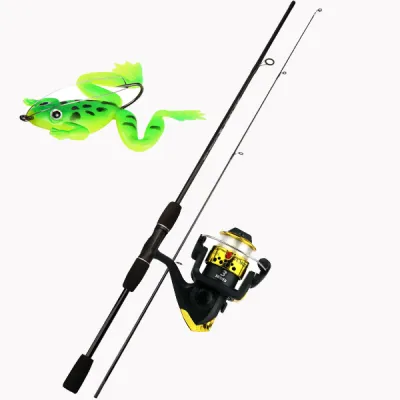
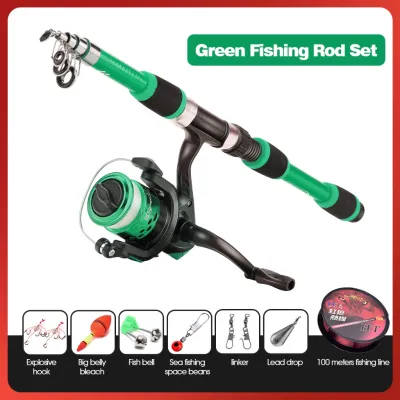
Prices are valid at publication and may change. Please refer to the product page for the latest price.
Finally, verify the warranty terms and the availability of local customer support in the Philippines. Purchasing from authorized local retailers ensures that if a rod tip snaps or a reel gear slips during your first few outings, you can easily access replacement parts or repair services. Avoid unbranded or gray-market sets that lack clear manufacturer documentation, as these often leave beginners without recourse when components fail.
Core Requirements for Philippine Lakes and Rivers
The freshwater environments of the Philippines present unique challenges that dictate the type of gear a beginner should choose. Local lakes, such as Laguna de Bay or Lake Taal, often feature calm but highly turbid waters with heavy vegetation, while rivers can range from slow-moving streams to swift, debris-heavy currents during the rainy season. Your gear must be strong enough to handle common target species like tilapia, carp, and mudfish (dalag), which are known for seeking cover in thick weeds or submerged structures when hooked.

When fishing along riverbanks, always assess the stability of the ground and the speed of the current before setting up. Equipment cannot replace personal judgment and water safety awareness; if currents are swollen or banks are slippery after heavy tropical rains, it is safer to postpone your trip. Understanding your physical limits and the environment is the first step to a successful outing.
To navigate these conditions, you must evaluate the rod’s power and action. A medium-power rod offers a versatile balance for beginners, providing enough sensitivity to feel the light nibbles of tilapia in still lake waters while retaining the backbone needed to control a fish in a moderate river current. Fast-action rods, which bend primarily near the tip, allow for quick hook sets, whereas moderate-action rods bend deeper down the blank, offering a more forgiving experience when a strong fish makes a sudden run.
Tropical conditions also demand high material durability. The intense heat and high humidity of the Philippines can accelerate the degradation of low-quality fishing gear. Look for rods constructed from fiberglass or composite materials, which offer excellent durability and impact resistance for beginners who might accidentally bump their gear against rocks or boat gunwales. Additionally, ensure the guide rings are made of corrosion-resistant materials like aluminum oxide or stainless steel to prevent rust from forming after exposure to damp river air.
Matching Gear Complexity to Beginner Skill Levels
For those new to the sport, the complexity of your fishing gear can make the difference between an enjoyable weekend by the water and a frustrating afternoon spent untangling line. When choosing a fishing set, beginners should almost always opt for a spinning reel combo rather than a baitcasting setup. Spinning reels are mounted on the underside of the rod and use an open-face design that is highly intuitive to cast, significantly reducing the risk of “backlash”—the dreaded line tangles that occur when a baitcasting spool spins faster than the line can exit.
To further reduce initial setup friction, look for sets that feature pre-spooled lines and straightforward drag systems. A front-drag spinning reel is generally preferred because it allows for easy, on-the-fly adjustments while fighting a fish. Pre-spooled monofilament line is highly recommended for beginners because it is inexpensive, easy to knot, and possesses a natural stretch that acts as a shock absorber when you hook an energetic fish.
A forgiving rod action is another critical safety net for novice anglers. Beginners often struggle with “high-sticking”—holding the rod too vertically while landing a fish—or reeling in too aggressively, both of which can snap a stiff, brittle rod. A medium-power composite rod with a moderate-fast action bends smoothly under load, absorbing the pressure of improper handling and giving you more time to react to a fish’s movements without breaking your line or your rod.
Evaluating the Essential Components of the Set
Before heading out to the water, conduct a thorough physical inspection of your fishing set to ensure all components are structurally sound and ready for use. Start by checking the alignment of the rod’s guide rings; they should form a straight line from the reel seat to the tip-top guide. Loose or misaligned guides can cause friction, shortening your casting distance and potentially damaging your line over time. Additionally, ensure the reel seat holds the reel firmly in place without any wobbling or play when tightened.
Next, evaluate the included line weight and hook sizes against your target species. For general freshwater fishing in Philippine lakes and rivers, a monofilament line rated between 8 and 12 pounds is highly versatile. If the set includes hooks, verify that they are sized appropriately for the fish you expect to catch; small hooks (size 6 to 10) are excellent for tilapia, while larger hooks may be necessary if you are targeting larger carp or snakeheads.
Finally, identify any missing essentials that are not included in the basic set but are required for a successful trip. Many beginner combos do not come with terminal tackle like sinkers, bobbers, snap swivels, or a line cutter. You will need to purchase these items separately, along with a basic tackle box or bag to keep them organized. Having these accessories on hand ensures you can adapt your rigging style to match the depth and current of the water you are fishing.
Frequently Asked Questions (FAQ)
Can a beginner fishing set handle both lake and river environments?
Using a single fishing set for both lakes and rivers requires a compromise between sensitivity and strength. A medium-power rod with a spinning reel is highly versatile and can easily transition from casting light baits in a calm lake to managing moderate currents in a river. However, if you plan to fish in very swift river currents or areas with heavy timber and rock obstructions, you may eventually need to upgrade to heavier gear to prevent your line from snapping or your rod from bending excessively under the force of the water.
How should I clean my gear after fishing in muddy Philippine rivers?
Proper maintenance is essential for preserving the lifespan of your gear, especially after exposure to the muddy, sediment-rich waters of local rivers. After every trip, gently rinse the rod and reel with clean, cool fresh water to wash away mud, sand, and organic debris. Avoid using high-pressure hoses, which can force dirt deeper into the reel’s internal gears. Wipe the gear down with a soft cloth and allow it to air-dry completely in a shaded, well-ventilated area before storing it, and always consult the manufacturer’s care instructions before applying any reel lubricants or cleaning solvents.

Community discussion
Share your experience or ask a question. Comments are reviewed before publication.