
Selecting a heavy-duty outdoor tent for the tropical climate of the Philippines requires a deep understanding of how extreme weather affects gear. Campers frequently face sudden, torrential downpours, intense humidity, and scorching sun, often all in a single weekend. A standard tent designed for mild, temperate climates will quickly fail under these conditions, leading to water leaks, stifling interior heat, and rapid material decay. To ensure safety and comfort, a heavy-duty tent must feature robust waterproofing, advanced ventilation systems, and UV-resistant fabrics.
Understanding the Tropical Climate Challenges for Tents
The tropical climate presents a unique set of challenges that can quickly compromise low-quality outdoor gear. During the monsoon season, heavy rains are not just brief showers; they are prolonged, high-volume downpours that test every seam and zipper of your shelter. When water pools around the campsite, it exerts constant pressure on the tent floor, making high-quality waterproofing essential.
Furthermore, the persistent high humidity in tropical regions creates a breeding ground for mold and mildew. When damp gear is packed away without proper drying, these fungi can destroy fabric coatings within days, leading to a sticky, peeling mess known as polyurethane hydrolysis. This chemical breakdown permanently ruins the tent’s waterproof barrier.
Products mentioned in this guide
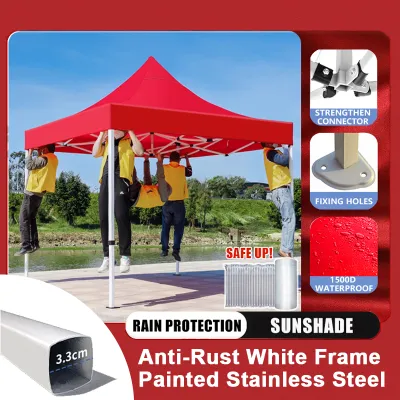
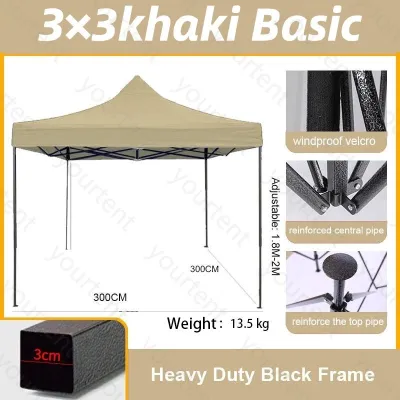
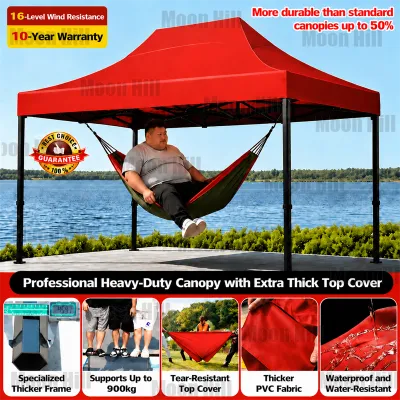
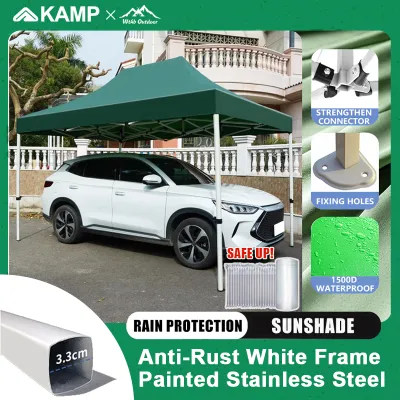
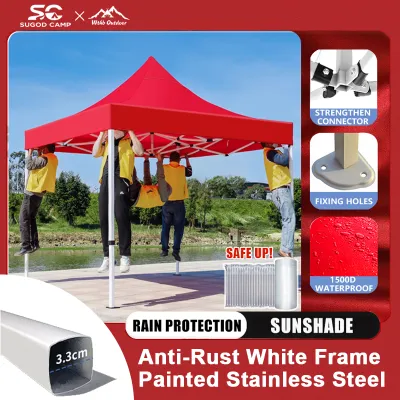
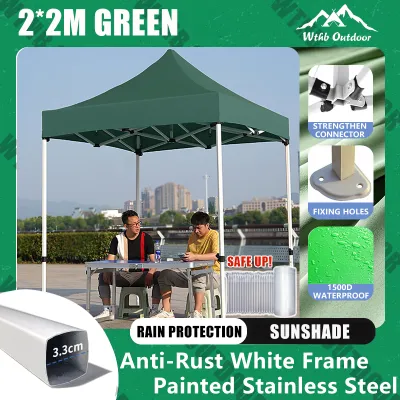
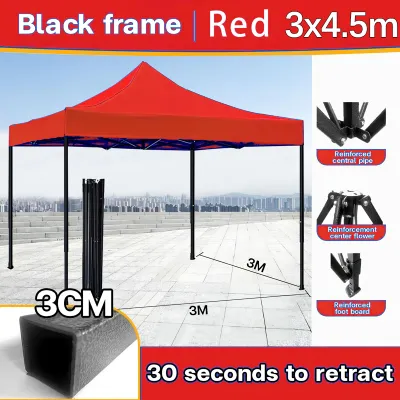
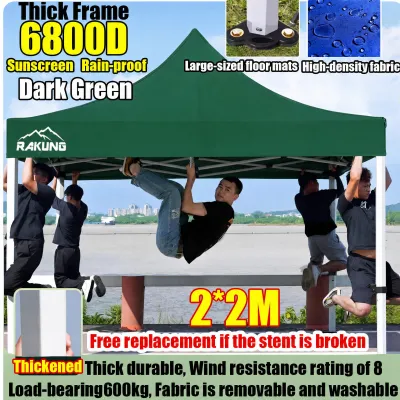
Prices are valid at publication and may change. Please refer to the product page for the latest price.
Finally, the intense tropical sun delivers high levels of ultraviolet (UV) radiation. Over time, prolonged exposure to UV rays degrades synthetic fabrics like polyester and nylon, making them brittle, prone to tearing, and faded. A heavy-duty tent must be engineered to resist these environmental stressors to remain safe and functional over multiple seasons.
Essential Waterproofing and Weather Resistance Features
When evaluating a heavy-duty tent outdoor setup, waterproofing specifications are your first line of defense. Start by checking the hydrostatic head (HH) rating on the manufacturer’s product label, which is measured in millimeters (mm). For the heavy rains common in the Philippines, look for a rainfly rating of at least 1,500mm to 2,000mm, and a floor rating of 3,000mm or higher. These ratings indicate the pressure of a water column the fabric can withstand before leaking, with higher numbers offering greater security against heavy downpours and ground saturation.

Seam sealing is another critical feature to verify. Even the most waterproof fabric will leak if water penetrates the needle holes made during stitching. Look for tents with factory-taped seams, where a waterproof tape is heat-sealed over the seams on the inside of the rainfly and floor. For older or heavily used tents, manually applying a liquid seam sealer may be necessary to maintain this protective barrier.
The physical design of the tent also plays a massive role in shedding water. A bathtub floor design is essential; this feature means the waterproof floor material wraps several inches up the sides of the tent before meeting the wall fabric, preventing ground-level splashes and pooling water from seeping inside. Additionally, ensure the rainfly offers full coverage, extending almost to the ground, to shield the inner tent body from wind-driven, lateral rain.
Ventilation and Humidity Management Strategies
In hot and humid environments, staying dry from the rain is only half the battle; you must also manage internal condensation. A dual-layer tent construction is highly recommended for tropical camping. This design consists of a highly breathable inner tent—ideally made with extensive mesh panels—and a separate, waterproof outer rainfly. The physical gap between these two layers allows warm, moist air exhaled by campers to escape through the mesh, condensing on the underside of the rainfly rather than dripping back onto your sleeping gear.
Effective cross-ventilation relies on strategic vent placement. Look for tents equipped with adjustable roof vents and low-level wall vents that can be propped open even during a downpour. This configuration creates a chimney effect, drawing cooler air in from the bottom and pushing hot, humid air out through the top. Mesh windows that can be zipped shut from the inside offer additional flexibility when weather conditions shift rapidly.
Vestibules—the covered porch areas created by the rainfly outside the inner tent doors—are also vital for humidity management. A spacious vestibule allows you to store wet boots, muddy backpacks, and damp clothing outside the main sleeping compartment. Keeping wet gear out of the inner tent prevents excess moisture from evaporating inside the sleeping area, keeping the interior air as dry and comfortable as possible.
UV Protection and Material Durability
Long-term durability in the tropics depends heavily on fabric treatments and structural materials. To combat the degrading effects of intense sunlight, review the manufacturer’s specifications for UV-resistant coatings. Many heavy-duty tents feature polyester fabrics treated with UV inhibitors, which help maintain fabric strength and color integrity over years of exposure.
The choice of pole material is another critical decision point that affects both wind resistance and weight. Aluminum poles are highly recommended for heavy-duty outdoor use; they offer an excellent strength-to-weight ratio, flex without breaking under strong monsoon winds, and do not rust in humid environments. In contrast, fiberglass poles are heavier, less flexible, and can splinter under high stress, making them less suitable for exposed ridge campsites or severe weather.
Do not overlook the smaller structural details when selecting a tent. Inspect the quality of the zippers, looking for heavy-duty, smooth-sliding designs that resist snagging on fabric flaps. High-tension areas, such as the corners where poles insert and the attachment points for guy-lines, should feature reinforced stitching and extra fabric layers. Sturdy guy-lines with adjustable tensioners are essential for securing the tent tautly, preventing the rainfly from flapping against the inner tent and transferring moisture.
How to Evaluate and Maintain Your Heavy-Duty Tent
Before purchasing any heavy-duty tent, carefully inspect the product labels, manufacturer care instructions, and warranty details. Look for specific mentions of tropical suitability or weatherproofing standards. If you plan to camp in remote or high-altitude areas, ensure the tent’s weight and packed size match your carrying capacity, whether you are backpacking or car camping.
Proper post-trip maintenance is the single most important factor in extending your tent’s lifespan. After returning from a damp or humid camping trip, never leave the tent packed inside its storage bag. Pitch the tent or hang it loosely in a shaded, well-ventilated outdoor area until every component is completely dry. Avoid drying the tent in direct, intense sunlight, as this can degrade the fabric coatings, and never use machine dryers, hot air blowers, or harsh chemical detergents, which can strip away waterproof treatments.
Finally, understand the limits of your equipment and know when to prioritize safety. If you notice significant damage, such as delaminating seam tape, sticky or peeling waterproof coatings, or cracked poles, do not attempt to use the tent in severe weather. For minor issues, use manufacturer-approved repair kits, but for major structural failures, consult the manufacturer or a qualified outdoor gear repair professional to determine if the tent should be repaired or replaced.
Frequently Asked Questions (FAQ)
Is a double-wall tent necessary for camping in high humidity?
Yes, a double-wall tent is highly beneficial for managing condensation in humid environments. The physical separation between the breathable inner mesh tent and the waterproof outer rainfly allows warm, moist air to escape the sleeping area. This prevents condensation from forming on the inside of your sleeping compartment, keeping you and your gear dry.
How should I store my tent after a wet camping trip?
To store your tent safely, first clean off any dirt or debris using a soft sponge and plain water. Allow all parts of the tent, including the rainfly, inner body, poles, and stakes, to air-dry completely in a shaded, well-ventilated area. Once dry, store the tent loosely in a breathable storage bag or pillowcase in a cool, dry closet, rather than stuffing it tightly into its original waterproof carry bag, which can trap residual moisture.

Community discussion
Share your experience or ask a question. Comments are reviewed before publication.