
Selecting a heavy-duty retractable tent capable of handling the diverse and demanding camping conditions in the Philippines requires a careful balance of structural resilience, corrosion resistance, and advanced fabric engineering. Unlike standard pop-up shelters designed for casual backyard shade, a true heavy-duty model must withstand sudden tropical downpours, intense ultraviolet exposure, and strong coastal or mountain winds. By focusing on robust frame materials, secure locking mechanisms, and high-performance canopy fabrics, you can secure a reliable shelter that keeps you safe and dry across various terrains, from the sandy shores of Zambales to the breezy ridges of Rizal.
When evaluating options, it is important to look past marketing buzzwords and focus on verifiable specifications. A tent that performs well in mild climates may quickly fail when subjected to the high humidity and intense weather patterns of a tropical environment. Understanding how these environmental factors interact with different materials will help you make an informed investment that provides reliable protection for many camping trips to come.
Understanding Weather Challenges for Camping in the Philippines
The Philippine climate presents a unique combination of environmental stressors that can quickly compromise low-quality camping gear. The most immediate threat is the sudden transition from intense heat to torrential rain, a common occurrence during the southwest monsoon (Habagat) and the afternoon convective storms of the dry season. When heavy rain falls on a flat or poorly tensioned canopy, water can pool rapidly, creating immense downward pressure that can buckle weak frames if the water cannot drain efficiently.
Products mentioned in this guide
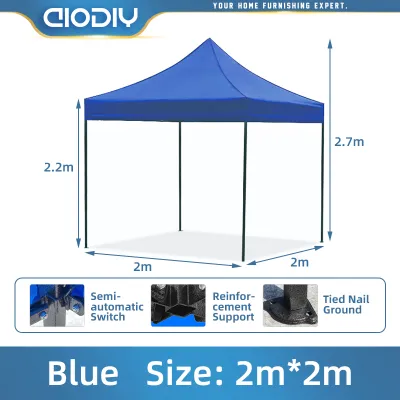
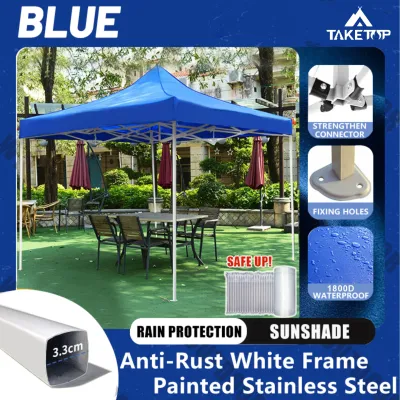
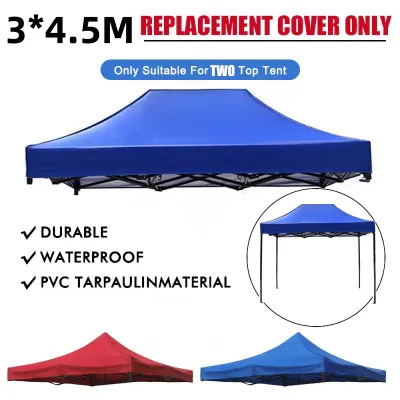
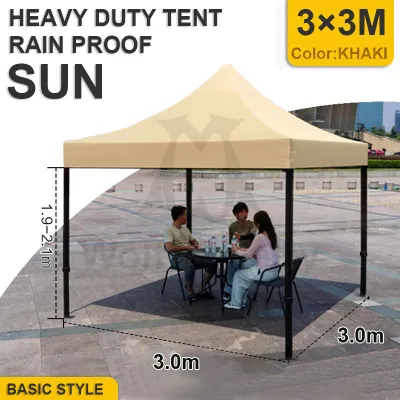
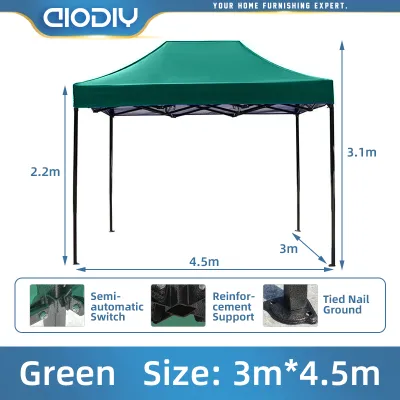
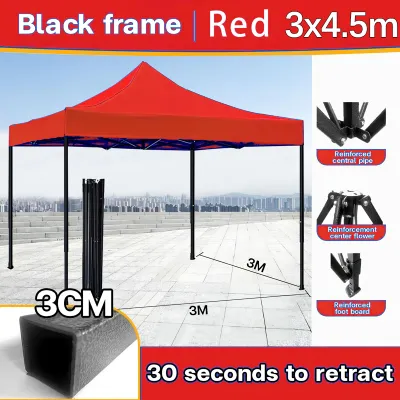
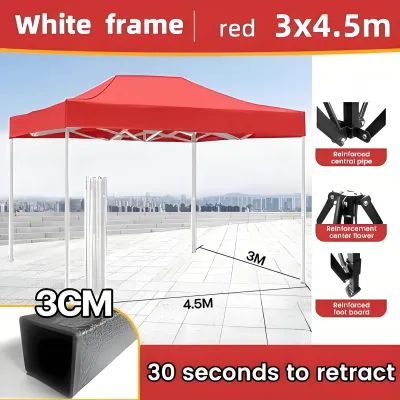
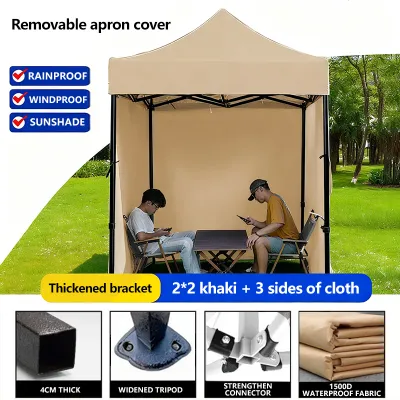
Prices are valid at publication and may change. Please refer to the product page for the latest price.
Wind is another critical factor, especially if you camp along exposed coastlines, open lakeshores, or high-altitude mountain campsites. Coastal gusts can strike without warning, lifting unsecured tents or twisting the scissor-like truss bars of retractable frames. Without a rigid structure and robust joints, a sudden gust can bend the metal legs or snap the connecting brackets, rendering the tent useless and potentially causing safety hazards for those inside.
Furthermore, the intense tropical sun accelerates the degradation of synthetic fabrics. High levels of ultraviolet (UV) radiation break down the chemical bonds in untreated polyester or nylon, leading to color fading, loss of water resistance, and eventual fabric rot. When combined with the country’s high relative humidity, any trapped moisture within the packed tent becomes a breeding ground for mold and mildew, which can permanently damage the fabric and create unpleasant odors.
Evaluating the Frame and Retractable Mechanism
The frame is the backbone of any retractable tent, and choosing the right material is a balance between structural strength, weight, and environmental resistance. Steel frames are highly favored for their exceptional weight and stability, making them less likely to lift in moderate winds. However, untreated steel is highly susceptible to rust, particularly in the salty, humid air of coastal campsites. If you choose a steel frame, verify that it features a high-quality, commercial-grade powder coating or a rust-resistant galvanized finish to protect the metal from corrosion.

Aluminum frames offer an excellent alternative, especially for campers who need to transport their gear over some distance. Aluminum is naturally resistant to rust and is significantly lighter than steel. However, to match the strength of steel, a heavy-duty aluminum frame must utilize thick-walled, hexagonal or square-profile legs rather than thin, round tubes. Look for frames with multi-walled construction and reinforced internal ribs, which provide the necessary rigidity without adding excessive weight.
The retractable mechanism itself is a common failure point under stress. Inspect the cross-truss design, which consists of the intersecting bars that allow the frame to expand and contract. Heavy-duty models utilize double-truss designs or reinforced joint brackets made of high-impact nylon or cast aluminum. Avoid frames that rely on thin, brittle plastic connectors, as these can easily crack under wind load or during setup.
Additionally, pay close attention to the locking and adjustment mechanisms. Pull-pin sliders or spring-loaded buttons are standard for adjusting leg height and locking the canopy in place. Ensure these pins are robust, easy to operate with wet fingers, and securely lock into place. Smooth gliding tracks along the legs prevent binding and friction, reducing the physical effort required to set up and take down the tent.
Finally, consider the practical limits of weight and portability. A heavy-duty steel retractable tent can easily weigh between 20 to 35 kilograms, requiring at least two people to carry and set up safely. If your camping style involves driving directly to the campsite (car camping), this weight is a minor inconvenience compared to the stability it provides. However, if you must carry your gear to a remote spot, a premium, thick-gauge aluminum frame is the more practical choice.
Checking Fabric Durability and Weather Resistance
The canopy fabric is your primary shield against the elements, and its durability determines how dry and comfortable you remain during a storm. When evaluating fabrics, look for high-denier polyester or Oxford cloth. Denier (D) measures the thickness of the individual threads; a heavy-duty canopy should ideally feature a rating of 300D to 600D. Thicker fabrics are more resistant to tearing, punctures, and abrasion from overhanging branches or wind-blown debris.
Water resistance is measured by the hydrostatic head rating, which indicates the pressure of water the fabric can withstand before leaking. For reliable protection against heavy tropical downpours, look for a rating of at least 1500mm to 3000mm. However, the fabric itself is only half the battle; water is most likely to penetrate through the seams. Ensure the tent features factory-taped or heat-sealed seams, where a waterproof tape is thermally applied over the stitching to block water entry.
To combat the intense tropical sun, the canopy must feature a UV-resistant coating. Many heavy-duty tents utilize a silver or black polyurethane (PU) lining on the underside of the fabric. This lining serves a dual purpose: it blocks harmful UV rays, preventing the fabric from becoming brittle, and it reflects solar heat, keeping the interior of the tent significantly cooler during hot afternoons.
Managing condensation is a major challenge in high-humidity environments. When warm, moist air from your breath hits the cooler fabric of the tent canopy, it condenses into water droplets. To prevent this, a heavy-duty retractable tent should incorporate ventilation features, such as mesh windows, roof vents, or detachable sidewalls. These features allow continuous airflow, carrying moisture out of the tent while keeping rain from entering.
Anchoring, Setup, and Wind Safety Protocols
Even the heaviest retractable tent can become a sail if it is not properly anchored to the ground. Standard pegs included with most tents are often too short or thin to hold in loose beach sand, soft volcanic soil, or muddy lakeside ground. For sandy coastal sites, invest in wide, curved sand pegs or spiral stakes that grip the loose substrate. In hard, rocky ground, heavy-duty steel stakes or stakes that can be driven in with a mallet are essential.
Guylines are critical for distributing wind loads away from the frame joints. Attach high-visibility, reflective guylines to the designated anchor points on the canopy corners and tension them securely using heavy-duty tensioners. Always angle the stakes at approximately 45 degrees away from the tent to maximize their holding power. If stakes cannot be driven into the ground, use heavy-duty weight bags filled with sand, rocks, or water containers, securing them tightly to each leg of the frame.
Wind management also involves strategic positioning. When setting up your campsite, observe the prevailing wind direction. Position the tent so that its narrowest profile faces the wind, reducing the surface area exposed to direct gusts. If wind speeds begin to rise unexpectedly, lower the height of the retractable legs. This lowers the center of gravity and reduces the wind’s leverage on the structure.
It is vital to recognize the physical limits of temporary outdoor shelters. No retractable tent, regardless of how heavy-duty its construction, is designed to withstand typhoon-force winds or severe tropical storms. If local weather authorities issue a tropical cyclone warning or if you observe extreme weather rolling in, prioritize your safety. Lower the canopy, pack up the frame to prevent damage, and seek shelter in a permanent, structurally sound building.
Pre-Purchase Verification and Maintenance Checklist
Before finalizing your purchase, perform a thorough verification of the product specifications and support options. Check if the manufacturer or retailer offers replacement parts, such as individual frame joints, truss bars, or replacement canopies. Because retractable tents have many moving parts, a single bent bar or torn corner should not force you to discard the entire unit. Having access to spare parts ensures a much longer service life for your investment.
Review the warranty terms to understand what types of damage are covered. While warranties rarely cover wind damage or improper use, they should protect against manufacturing defects in the frame welds, locking pins, or fabric stitching. When comparing options, heavy-duty models often range from ₱4,000 to over ₱15,000 depending on the frame material and canopy thickness, so ensuring warranty support is a key part of protecting your purchase.
Proper maintenance is key to preserving the waterproof coatings and structural integrity of your tent. After every camping trip, clean the canopy using a soft sponge, mild soap, and lukewarm water. Avoid harsh detergents, bleach, or abrasive brushes, as these can strip away the polyurethane waterproof coatings and UV-resistant linings. Rinse the fabric thoroughly to remove any salt residue, sand, or dirt.
The most critical step in maintaining your tent is proper storage. Never pack away a wet or damp tent, even if you are in a hurry to leave the campsite. If you must pack up in the rain, unpack the tent as soon as you return home and hang it up in a well-ventilated, shaded area until it is completely dry. Storing a damp tent in a humid environment leads to rapid mold and mildew growth, which degrades the fabric fibers and ruins the waterproof seals.
Frequently Asked Questions (FAQ)
Can a retractable tent withstand typhoon-force winds?
No, retractable tents are temporary structures designed for moderate weather conditions and are not engineered to withstand typhoon-force winds. During severe weather warnings or high-wind events, you must lower the canopy, collapse the frame, and seek shelter in a permanent structure. Relying on a temporary shelter during a typhoon poses severe safety risks.
How do I prevent mold on heavy duty tent fabrics in high humidity?
To prevent mold, always dry your tent completely before storing it in its carrying bag. If you must pack up while it is raining, unpack and air-dry the canopy in a shaded, well-ventilated area within 24 hours. Additionally, ensure proper ventilation during use to minimize interior condensation, and avoid storing the tent in damp or unventilated storage rooms.

Community discussion
Share your experience or ask a question. Comments are reviewed before publication.