
Finding relief from back pain can be a frustrating journey, especially when trying to select the right recovery tool from a sea of generic options. In the Philippines, where daily life often involves long, sedentary commutes through heavy traffic or extended hours at an office desk, back discomfort is a common complaint. However, choosing the right roller massager for back pain is not about finding a single, universally top-rated product. Instead, it requires matching the physical properties of the roller—such as its density, size, and surface texture—to your specific type of muscle tension, body dimensions, and personal pain tolerance. By understanding how these different design elements interact with your body, you can select a tool that provides effective myofascial release without risking further irritation or injury.
Evaluating a roller massager requires looking past marketing claims and focusing on structural specifications. The ideal tool for a dedicated athlete recovering from intense training will differ significantly from the tool needed by an office worker seeking to relieve postural fatigue. This guide establishes a practical framework for assessing the options available on local e-commerce platforms and official brand stores, helping you make an informed decision based on material science, safety guidelines, and your personal physical condition.
Identify Your Back Pain and Roller Massager Types
Before selecting a roller massager, it is essential to understand the nature of your back discomfort. Back pain generally falls into three categories: general muscle stiffness, postural strain, and acute structural pain. General muscle stiffness often presents as a dull, diffuse ache across large muscle groups after physical exertion. Postural strain typically concentrates around the upper back, shoulders, and neck, resulting from prolonged sitting or rounded-shoulder alignment. Acute structural pain, however, is characterized by sharp, shooting sensations, numbness, tingling, or localized pain that radiates down the limbs. While muscle stiffness and postural strain respond well to self-myofascial release, acute structural pain requires immediate medical evaluation rather than self-treatment with a roller.
Products mentioned in this guide
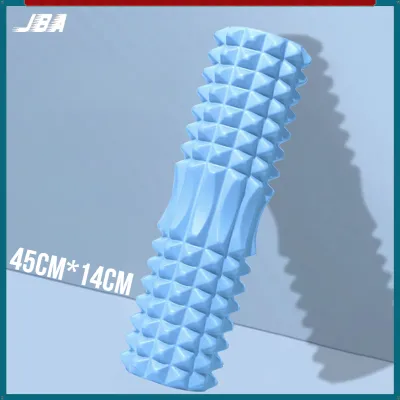
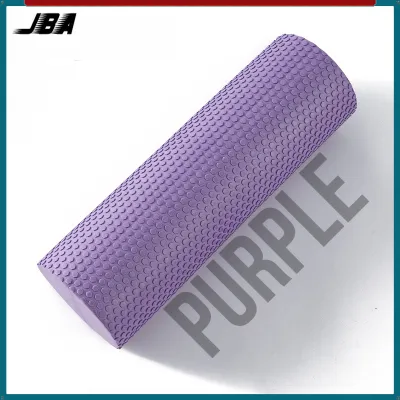
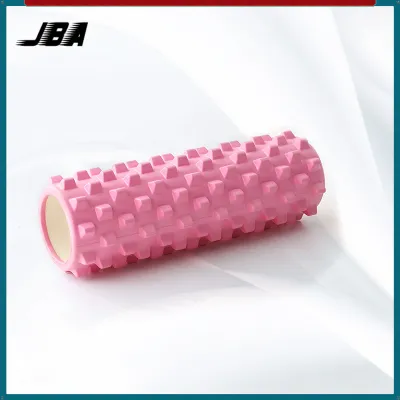
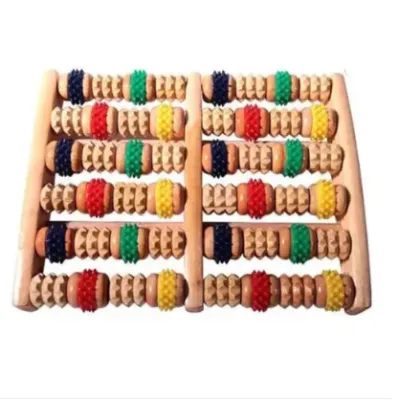
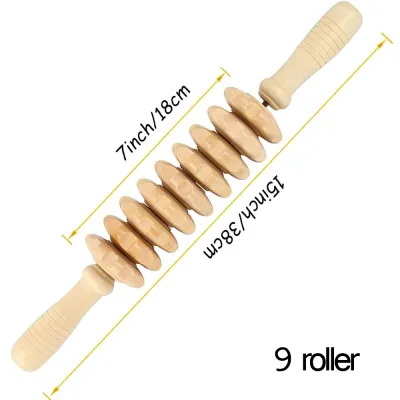
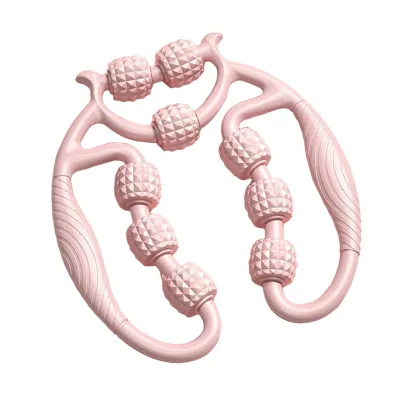
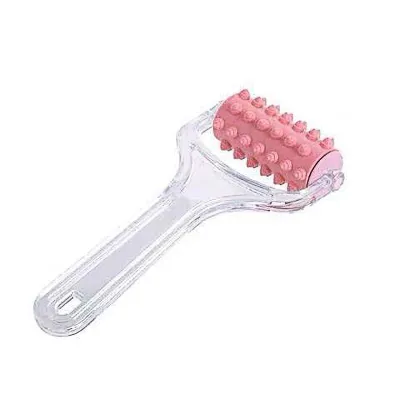
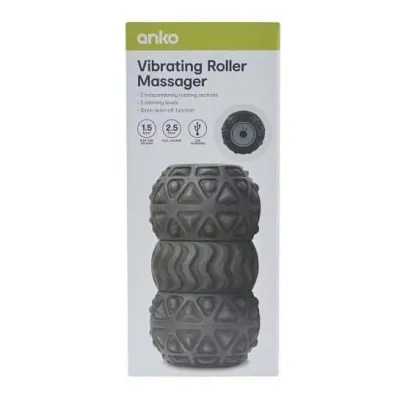
Prices are valid at publication and may change. Please refer to the product page for the latest price.
Roller massagers are designed specifically for self-myofascial release, a technique aimed at smoothing out tight connective tissues (fascia) and improving localized blood circulation. They are not designed for spinal manipulation, joint mobilization, or correcting underlying skeletal misalignments. Attempting to use a roller to “crack” your back or force a joint into alignment can lead to ligament sprains, muscle spasms, or nerve compression. Understanding this distinction ensures you use the tool as a recovery aid for soft tissue rather than a substitute for professional chiropractic or orthopedic care.
When browsing available products, you will encounter three primary structural designs: smooth foam rollers, textured or grid rollers, and active variants featuring vibration or heat. Smooth foam rollers distribute your body weight evenly across a broad surface area, making them highly approachable for beginners. Textured or grid rollers feature raised ridges, bumps, or recessed channels designed to mimic the fingers and palms of a massage therapist, providing more concentrated pressure. Vibrating or heated rollers incorporate mechanical elements to stimulate blood flow and desensitize pain receptors, though they require careful attention to battery specifications, charging safety, and weight limits.
Evaluate Material, Size, and Intensity for Your Needs
The performance and durability of a roller massager depend heavily on its material composition. The two most common materials used in foam rollers are Ethylene-Vinyl Acetate (EVA) and Expanded Polypropylene (EPP). EVA is a softer, highly resilient copolymer that offers a slightly rubbery, cushioned feel. It is excellent for beginners or those with sensitive muscles, though low-quality EVA can soften or lose its shape over time, particularly when exposed to the high humidity and warm temperatures common in the Philippines. EPP, on the other hand, is a high-density, lightweight, and rigid closed-cell foam. It resists moisture absorption, maintains its structural integrity under heavy loads, and delivers intense, uncompromising pressure.

When evaluating firmness, look for clear manufacturer specifications regarding density levels rather than relying on the color of the roller. While some brands use color-coding to indicate firmness, this practice is not standardized across the industry. A solid-core roller made of low-density foam may feel comfortable initially but can flatten quickly under body weight. Conversely, a hollow-core roller—featuring a rigid ABS or PVC plastic inner tube wrapped in a thin layer of high-density EVA—offers superior structural longevity, ensuring the roller retains its shape and delivers consistent pressure over years of regular use.
Size and length are critical dimensions that dictate how and where you can use the roller. Full-length rollers, typically measuring 36 inches (approximately 90 cm), are highly versatile for back care. This length allows you to lie vertically along the roller, supporting your entire spine from head to tailbone, which is ideal for chest-opening stretches and stabilizing exercises. Compact rollers, ranging from 12 to 18 inches (30 to 45 cm), are highly portable and convenient for small living spaces. While they are excellent for targeting localized areas like the upper back or calves, they require greater core stability and balance to prevent the roller from tipping sideways during use.
Surface texture directly influences the intensity of the massage. Smooth rollers provide a gentle, uniform compression that is ideal for sensitive areas or individuals new to myofascial release. Textured rollers concentrate your body weight onto smaller contact points, penetrating deeper into the muscle tissue. While this deep-tissue engagement can help release stubborn muscle knots, it also increases the risk of bruising or muscle guarding if your body instinctively tenses up against the pain. Beginners should always start with a smooth surface to build tolerance before transitioning to textured designs.
Match Roller Features to Your Specific Condition
To select the right roller massager, you must match these physical specifications to your current physical condition and recovery goals. If you are experiencing general back stiffness or are completely new to rolling, prioritize a low-to-medium density, smooth, full-length EVA roller. The generous length provides a stable platform that minimizes the risk of rolling off, while the softer density allows your nervous system to adapt to the pressure without triggering a defensive, tense response in your muscles.
For active individuals, athletes, or those dealing with localized muscle knots (trigger points) in the upper back, a medium-to-high density, textured, or shorter roller is more appropriate. A hollow-core grid roller measuring 12 to 18 inches allows you to apply targeted, high-intensity pressure to specific muscle groups like the rhomboids, middle trapezius, and latissimus dorsi. The textured ridges help channel blood and oxygen through the tissue as you roll, accelerating muscle recovery after intense workouts.
If you have highly sensitive skin, a lower pain threshold, or are recovering from minor muscle strains, look for rollers made of ultra-soft foam or those equipped with adjustable vibration settings. Vibration therapy can help desensitize local pain receptors, allowing you to experience the benefits of myofascial release with less physical discomfort. When considering these active options, ensure the device offers multiple speed settings so you can customize the intensity to your comfort level.
Before making a purchase on any online marketplace or official brand store, use the following verification checklist to evaluate the product specifications:
- Core Construction: Is the roller solid foam, or does it feature a rigid hollow core? Hollow cores generally offer better durability and resistance to warping.
- Material Type: Is the foam specified as EVA, EPP, or standard polyurethane? Opt for EVA or EPP for better longevity in humid tropical climates.
- Dimensions: Verify the exact length and diameter to ensure it matches your intended usage (e.g., 36 inches for full spinal support).
- Weight Capacity: Check the manufacturer's maximum load limit to ensure it can safely support your body weight during horizontal rolling.
- User Feedback: Read customer reviews specifically looking for mentions of material degradation, flattening, or chemical odors.
Follow Safe Usage Guidelines and Recognize Stop Signals
Using a roller massager on your back requires strict adherence to safety guidelines to prevent injury. The human back consists of delicate bony structures, nerves, and internal organs that must be protected from excessive pressure. Safe application zones are limited strictly to large muscle bellies, primarily in the upper and middle back (the thoracic region). You can safely roll the muscles surrounding the shoulder blades, including the rhomboids, trapezius, and latissimus dorsi.
There are several strict avoidance areas where you must never apply direct rolling pressure. Never roll directly over the spine (the bony spinous processes), as this can bruise the bone and strain spinal ligaments. Avoid the lower back (the lumbar spine) entirely with a standard roller; the lumbar region lacks the protective cage of the ribs, leaving your kidneys and lower vertebrae vulnerable to hyperextension and excessive shear force. Additionally, avoid rolling directly over the neck (cervical spine) or directly over bony joints like the shoulders and hips.
Proper body positioning and controlled movement are essential for safe rolling. To target the upper back safely, lie on your back with the roller positioned beneath your shoulder blades. Interlace your fingers behind your head to support your neck, but do not pull your chin toward your chest. Lift your hips slightly off the floor, using your feet to control your movement. Cross your arms over your chest to pull your shoulder blades apart, which exposes the tight muscles underneath. Roll slowly and deliberately, moving no more than one inch per second, and avoid rapid, chaotic sawing motions.
Recognizing stop signals is crucial for preventing tissue damage. Myofascial release may feel uncomfortable or “sweetly painful,” but it should never cause sharp, stabbing, or radiating pain. Immediately stop rolling if you experience numbness, tingling, a “pins and needles” sensation, or if your pain worsens during or after the session. These symptoms indicate nerve compression or acute tissue inflammation that rolling will only aggravate. If your back pain persists for more than a few days, radiates down your legs, or is accompanied by muscle weakness, consult a physical therapist or qualified medical professional for a comprehensive evaluation.
Frequently Asked Questions (FAQ)
Can I use a roller massager directly on my lower back?
No, you should not use a roller massager directly on your lower back. The lumbar spine lacks the structural support of the rib cage, meaning direct pressure can force the lower back into hyper-lordosis (excessive arching) and compress the lumbar vertebrae. This pressure can also irritate the kidneys and strain the delicate muscles of the lower back. To relieve lower back tension safely, focus on rolling adjacent muscle groups that contribute to lower back tightness, such as the glutes, hamstrings, and hip flexors, or consult a physical therapist for targeted stretching exercises.
How often should I use a roller massager for back pain?
For general maintenance and recovery, start with short sessions of 2 to 3 minutes per targeted muscle group, 2 to 3 times a week. This frequency allows your body to adapt to the pressure and lets you monitor how your muscles respond over the following 24 to 48 hours. If you do not experience excessive soreness, you can gradually increase consistency to daily short sessions. Always prioritize short, gentle, and consistent rolling over prolonged, aggressive sessions, as over-rolling can bruise muscle tissue and increase localized inflammation.
How do I clean and maintain my foam roller?
In the warm and humid climate of the Philippines, sweat and moisture can quickly accumulate on your roller, leading to bacterial growth and unpleasant odors. After each use, wipe down the surface of the roller with a damp cloth and a mild, diluted soap. Avoid using harsh chemical solvents, bleach, or high-concentration alcohol, as these substances can degrade EVA and EPP foam structures. Allow the roller to air dry completely in a well-ventilated indoor area away from direct sunlight, which can warp, dry out, or crack the foam material over time.

Community discussion
Share your experience or ask a question. Comments are reviewed before publication.