
Running in hot and humid tropical climates demands gear that can handle relentless sweat and sudden downpours. When choosing a running waist bag for these challenging conditions, you must prioritize lightweight, moisture-wicking fabrics, breathable mesh backings, and secure, bounce-free adjustment systems. A poorly chosen bag will quickly saturate with sweat, sag under the added weight, and cause painful chafing against damp skin. By focusing on materials that promote airflow and designs that remain stable when wet, you can protect your essentials and maintain your running form even during the most humid tropical mornings.
Why Hot and Humid Conditions Change Your Gear Requirements
High heat combined with elevated humidity levels completely alters how running gear behaves. In tropical environments, such as during a typical morning run in the Philippines, the air is already saturated with moisture. This high humidity severely limits the rate at which your sweat can evaporate from your skin and your gear. Consequently, standard fabrics quickly become waterlogged, holding onto moisture instead of releasing it into the air.
When a running waist bag becomes saturated with sweat, it undergoes several physical changes that directly impact your comfort. The fabric fibers swell with water, increasing the overall weight of the bag. This extra weight, concentrated around your waist or lower back, alters the bag’s center of gravity. As you run, the heavy, wet bag begins to bounce, sag, and shift with every stride, forcing you to constantly adjust your posture or tighten the belt to uncomfortable levels.
Products mentioned in this guide
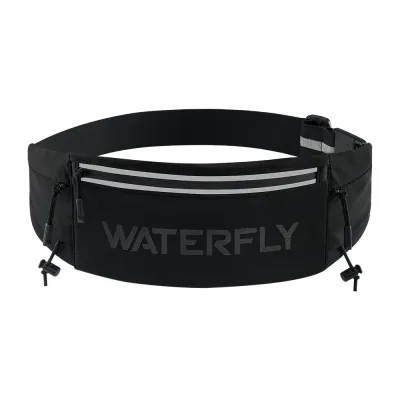
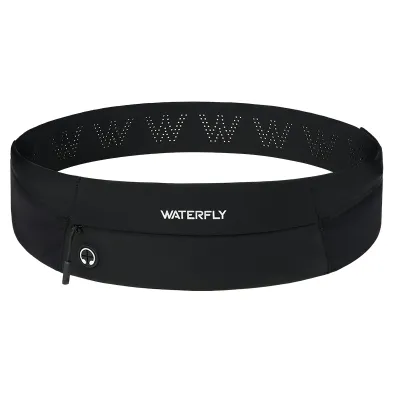
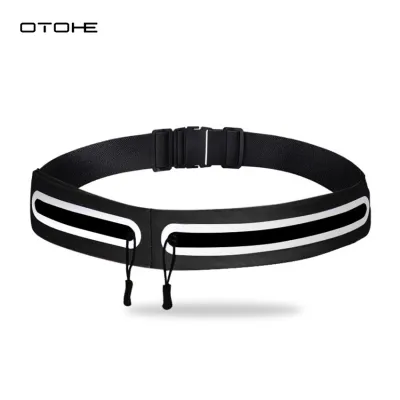
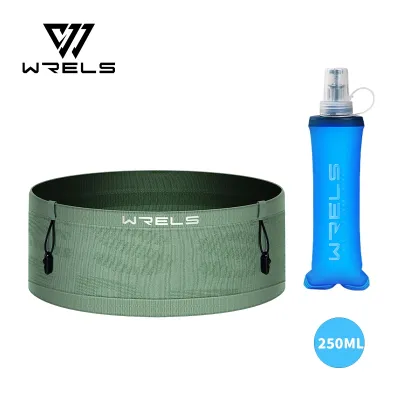
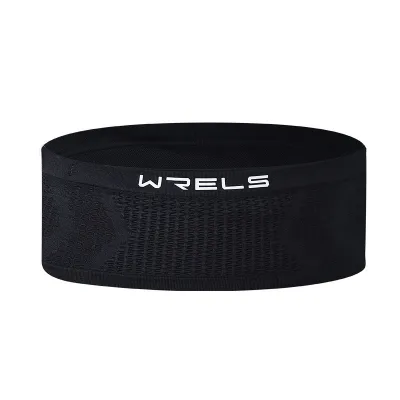
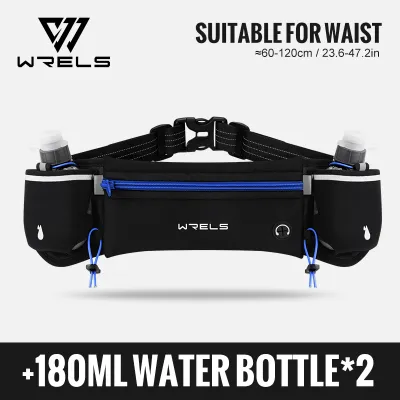
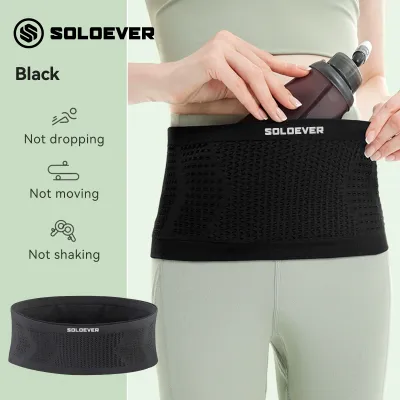
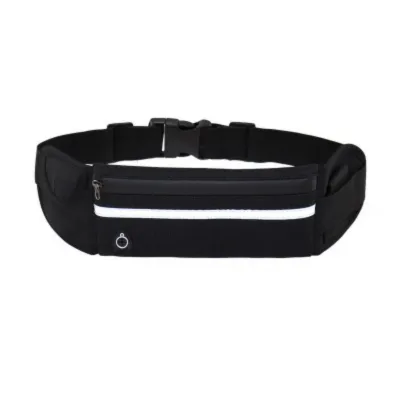
Prices are valid at publication and may change. Please refer to the product page for the latest price.
Furthermore, the combination of wet fabric, accumulated salt crystals from dried sweat, and repetitive running motions creates the perfect environment for severe skin chafing. As the saturated material rubs against your damp skin, it creates friction that can quickly lead to painful micro-tears and rashes. Understanding these climate-specific challenges is the first step in selecting a waist bag that remains comfortable, stable, and functional throughout your training.
Essential Material and Fabric Features to Check
To combat the effects of high humidity, you must carefully inspect the material composition of any running waist bag before purchasing. Look for technical synthetic fabrics such as high-grade nylon, polyester, or elastane blends. These materials are engineered for low water absorption, meaning they will not hold onto sweat the way cotton or heavy canvas does. Check the product specifications for terms like “moisture-wicking” and “quick-dry,” which indicate that the fibers are designed to pull moisture away from your body.

The back panel of the waist bag—the section that rests directly against your lower back or abdomen—is the most critical area for temperature regulation. Look for bags that feature 3D spacer mesh or highly perforated open-cell mesh backings. This structural design creates a physical gap between the main compartment of the bag and your skin, allowing air to circulate and heat to escape. Without this ventilation, heat builds up rapidly, leading to excessive localized sweating and discomfort.
When evaluating materials, you will also encounter water-resistant coatings, such as Durable Water Repellent (DWR) or polyurethane laminates. While these coatings are excellent for keeping sudden tropical rain showers from soaking your belongings, they also restrict airflow. A fully waterproof, non-breathable bag can trap sweat between your body and the pack, leading to a pool of moisture against your skin. For hot and humid runs, a balanced approach is often best: look for a bag with a highly breathable mesh back panel combined with a water-resistant outer face fabric to protect your items from light rain.
Design and Fit Adjustments for Tropical Runs
A secure, stable fit is essential when running on wet, humid days. Look for a waist bag with a wide, adjustable belt. Narrow straps tend to dig into the skin and concentrate pressure, which can restrict deep diaphragmatic breathing during intense efforts. A wider belt distributes the weight of the bag more evenly across your hips or waist, providing a more stable anchor point that resists bouncing even when you are moving at a fast pace.
The inner lining of the belt should feature anti-slip elements to keep the bag in place when your skin or clothing is soaked with sweat. Look for thin silicone grip strips or textured, non-abrasive linings along the inside of the band. When nylon straps become wet, they naturally lose friction and tend to slide upward toward your waist or bounce downward over your hips. Silicone grippers provide the necessary traction to keep the bag locked in position without requiring you to over-tighten the belt.
Sweat is highly corrosive due to its high concentration of salt and lactic acid. Therefore, you must examine the durability of the hardware on the waist bag. Avoid bags with metal zippers or metal adjustment buckles, as these will quickly rust and seize up in humid tropical climates. Instead, opt for high-quality plastic buckles and nylon coil zippers. Zippers should ideally feature cord pulls or plastic-coated tabs rather than metal pulls, ensuring they remain easy to operate even when your hands are wet and slippery.
Storage and Protection for Your Essentials
Protecting your electronics and valuables from moisture is a primary concern during humid runs. Even if it does not rain, your body heat and sweat can easily penetrate lightweight fabrics and damage sensitive smartphones or car keys. Look for a waist bag that features a dedicated sweat-proof pocket. This pocket should be lined with a thin, waterproof barrier, such as thermoplastic polyurethane (TPU), which acts as a shield between your sweaty back and your electronic devices.
Organization within the bag is equally important for maintaining balance and protecting your gear. Choose a bag with multiple compartments or internal dividers. Keeping your keys, coins, or energy gels separated from your phone prevents scratches and stops heavy items from shifting around. If your keys are loose in a single large pocket, they can bounce rhythmically, which is not only distracting but can also wear down the inner fabric lining over time.
In hot and humid weather, carrying hydration is non-negotiable. If you prefer a waist bag with bottle compatibility, pay close attention to how the bottle is secured. Look for designs that position the bottle holster at an angle, typically 45 degrees, which aligns the weight closer to your body’s center of gravity and reduces bouncing. The holster must feature a secure retention system, such as an elastic bungee loop that slips over the bottle cap, to prevent the flask from launching out when you hit a bump or increase your pace.
Care and Maintenance After Sweaty Runs
To extend the lifespan of your running waist bag and prevent the buildup of unpleasant odors, you must establish a consistent post-run cleaning routine. Sweat salt, body oils, and dirt accumulate quickly in humid climates, clogging the breathable pores of mesh fabrics and degrading elastic fibers. After every sweaty run, rinse the bag thoroughly in cool, fresh water to flush out these corrosive elements.
For a deeper clean, hand wash the bag using a mild, sport-specific detergent or a gentle soap. Avoid using standard fabric softeners or bleach, as these chemicals leave a residue that clogs moisture-wicking pores and can break down water-resistant coatings. Gently agitate the fabric, paying close attention to the mesh back panel and the zipper tracks where salt buildup is most common, then rinse thoroughly.
Proper drying is critical to prevent the growth of mold and mildew, which thrive in warm, humid indoor environments. Never place your running waist bag in a mechanical dryer, as the high heat will melt technical coatings, warp plastic hardware, and destroy the elasticity of the belt. Instead, hang the bag to dry in a well-ventilated, shaded outdoor area or indoors near a fan. Ensure all compartments are unzipped and pulled inside out if possible. Before storing the bag in a drawer or closet, perform a quick visual check to ensure it is completely dry to the touch.
Frequently Asked Questions (FAQ)
Can I use a standard running waist bag in high humidity?
While you can use a standard waist bag, you will likely experience significant discomfort during longer runs in high humidity. Standard bags made from heavy canvas, thick neoprene, or non-breathable nylon absorb sweat like a sponge and hold onto it. This causes the bag to become heavy, sag, and bounce excessively. If you notice skin redness, a heavy damp sensation against your lower back, or the bag constantly slipping down your hips, these are clear signs that the fabric is saturated and unsuitable for tropical conditions.
How do I stop my waist bag from chafing when wet?
To minimize chafing when running in wet or humid conditions, start by adjusting the belt tension so the bag fits snugly against your body without bouncing, as friction from movement is the primary cause of skin irritation. You can also apply a silicone-based anti-chafe balm or petroleum jelly directly to your skin where the belt rests before you start your run. Additionally, wearing high-quality, moisture-wicking running apparel provides a protective barrier between your skin and the wet fabric of the waist bag.

Community discussion
Share your experience or ask a question. Comments are reviewed before publication.