
Finding the right whistle—or pito—for children playing football requires balancing clear communication on the pitch with strict safety standards. In the Philippines, youth football matches and training sessions often take place in hot, humid, and highly active outdoor environments. Whether a child is learning to referee, helping lead team drills, or playing a casual game with friends, their whistle must be reliable, easy to use, and safe for oral contact. A poorly chosen whistle can present choking hazards, cause hearing discomfort, or quickly degrade under the tropical sun and constant moisture. By focusing on key features such as sound control, material safety, and ergonomic design, parents and coaches can select a tool that enhances the sporting experience while protecting young players. Investing in the right equipment ensures that children can confidently participate in sports while staying safe and comfortable.
Essential Features to Look for in a Kids' Football Whistle
Selecting a whistle for youth football involves evaluating several physical and acoustic specifications to ensure the tool is both effective and appropriate for a child’s developmental stage. The primary goal is to find a balance between clear audibility on a noisy outdoor pitch and the long-term safety of developing ears.
Sound volume and pitch are critical factors when choosing a whistle for outdoor sports. A football pitch can be an incredibly noisy environment, filled with the sounds of cheering parents, shouting players, and ambient traffic. The whistle must produce a sharp, high-frequency tone that easily cuts through this background noise without requiring immense lung power. However, it is vital to avoid professional-grade whistles designed for massive stadiums, as their extreme decibel levels can cause hearing discomfort or even damage when blown close to a child’s ears. Look for a whistle that offers moderate volume control, allowing the child to signal clearly without straining or causing auditory distress to those nearby.
Products mentioned in this guide
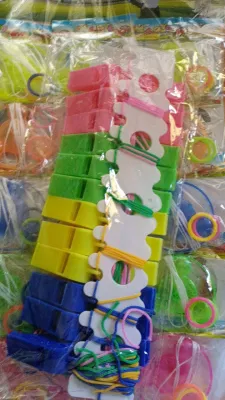
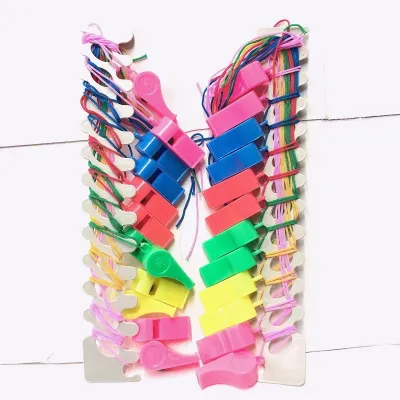
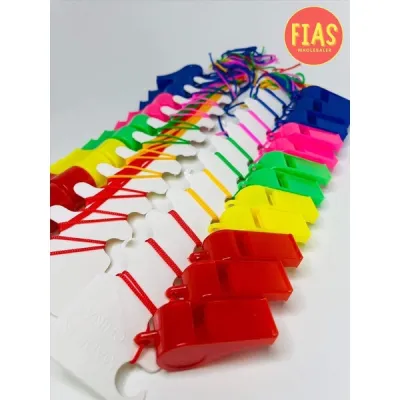
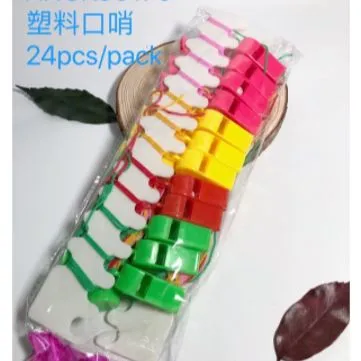
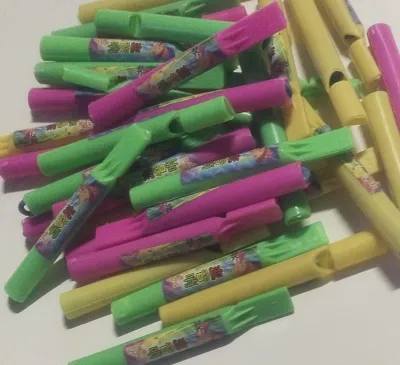
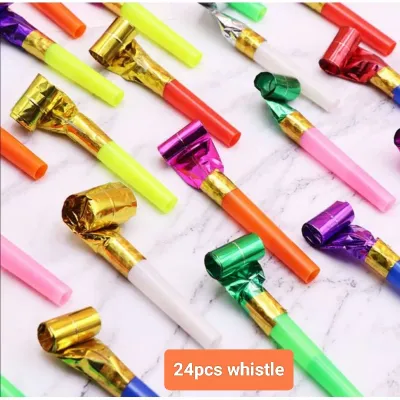

Prices are valid at publication and may change. Please refer to the product page for the latest price.
Material durability is another essential consideration, especially given the demanding conditions of tropical outdoor play. Whistles used in youth football are frequently dropped on hard ground, stepped on, exposed to heavy rain, and covered in sweat. High-impact plastics, such as ABS plastic, are highly recommended for children’s whistles. Unlike metal whistles, plastic options do not rust when exposed to moisture and saliva, nor do they heat up to uncomfortable temperatures under the direct sun. Furthermore, plastic is much gentler on a child’s teeth if they accidentally take a sudden blow to the face or fall while holding the whistle in their mouth.
The size and weight of the whistle must be tailored to a child’s smaller hands and mouth. A heavy, bulky whistle is difficult for a young player to keep securely in place while running, leading to jaw fatigue or frequent drops. Opt for compact, lightweight designs that can be easily gripped by small fingers and held comfortably between the lips. A lightweight whistle reduces the physical effort required to keep the tool accessible, allowing the child to focus entirely on the game and their movements on the pitch.
Safety and Ergonomic Design for Young Players
When children are actively running, tackling, and falling on the football pitch, safety must be the absolute priority. A whistle is an active piece of equipment that, if poorly designed, can introduce physical risks during fast-paced play.

The lanyard and its attachment mechanism represent one of the most critical safety features of any kid’s whistle. Traditional lanyards can pose a serious strangulation hazard if they become caught on a teammate’s arm, a goalpost, or training gear during a fall. To mitigate this risk, always choose a whistle that comes with a reliable breakaway lanyard. These specialized lanyards feature a safety clasp that instantly snaps open under sudden tension, ensuring the cord releases immediately rather than pulling tightly around the child’s neck. This simple feature provides peace of mind during high-energy matches and drills.
Mouthpiece design is equally important for preventing oral injuries and ensuring hygienic use. The mouthpiece should feature smooth, rounded edges with no sharp plastic seams that could cut or irritate a child’s lips and gums. Many modern sports whistles incorporate soft-bite mouth grips made from thermoplastic or silicone. These cushioned covers protect the teeth from impact, provide a more secure grip for hands-free refereeing, and make the whistle much more comfortable to use during extended training sessions.
Given that a whistle is held in the mouth for long periods, verifying that it is made from non-toxic materials is non-negotiable. Ensure the product is explicitly labeled as BPA-free, phthalate-free, and manufactured using food-grade plastics. Avoid cheap novelty whistles or unbranded toys, as these may contain harmful chemical additives, lead-based paints, or low-quality plastics that degrade rapidly when exposed to saliva and UV rays. Investing in a high-quality, certified sports whistle ensures that your child is not exposed to unnecessary chemical hazards.
Matching the Whistle to the Child's Age and Role
Not all youth football activities require the same type of whistle, and matching the tool to the child’s specific role on the pitch ensures a better and safer experience. Whether they are officiating a match, leading a drill, or playing casually, their equipment should match their responsibilities.
For children practicing refereeing, a pealess whistle is highly recommended. Traditional whistles contain a small cork ball, or “pea,” inside the chamber to create the warbling sound. However, these peas can easily become stuck due to saliva, dirt, or moisture, causing the whistle to fail at a critical moment. Pealess whistles utilize advanced air pressure chambers to generate a consistent, high-pitched tone. This design ensures that even if the whistle gets wet from rain or dropped in the mud, it will still function perfectly when the young referee needs to signal a foul or stop play.
Older children who take on leadership roles, such as coaching peers or managing warm-up drills, require a whistle with a distinct and recognizable tone. On a busy training ground where multiple teams may be practicing simultaneously, a unique pitch helps players identify their specific leader’s signals. This prevents confusion and keeps the training session organized. For this role, look for a whistle that offers a clear, penetrating sound that can be easily distinguished from the standard whistles used on adjacent pitches.
For younger children engaged in casual play or basic coordination games, a simpler, lower-volume whistle is often the most appropriate choice. These whistles require very little effort to blow and produce a softer sound that is less likely to startle nearby players or cause annoyance in confined spaces. This makes them perfect for backyard practice, school physical education classes, or informal games among friends where high-decibel signaling is unnecessary.
How to Evaluate and Shortlist Options
With numerous options available on online marketplaces and in local sporting goods stores, finding the right whistle requires a systematic approach. By establishing a clear evaluation process, you can confidently select a safe and durable product.
Begin by creating a comparison checklist based on the essential features discussed. Prioritize safety elements first, such as the presence of a breakaway lanyard and non-toxic material certifications. Next, evaluate the physical design, looking for lightweight plastic construction and a comfortable mouthpiece. Finally, consider the acoustic properties, ensuring the volume is suitable for your child’s age and playing environment. This checklist will help you quickly filter out unsuitable options and focus on high-quality sports gear.
When browsing products, pay close attention to product labels, manufacturer specifications, and safety certifications. Reliable brands will clearly state the materials used and any safety standards their products meet. If purchasing from an online marketplace, take the time to read customer reviews, paying specific attention to feedback regarding the durability of the plastic, the responsiveness of the breakaway clasp, and how easy the whistle is for children to blow. This real-world feedback can provide valuable insights into the product’s performance.
Once you have purchased a whistle, perform a thorough post-purchase verification before allowing your child to use it on the pitch. Conduct a safe sound test in an open, outdoor area to ensure the volume is appropriate and does not cause discomfort. Inspect the whistle physically, checking for any sharp edges, loose components, or manufacturing defects. Finally, establish a routine to inspect the whistle weekly for signs of wear and tear, such as cracks in the plastic or a weakening breakaway clasp, and replace the item immediately if any damage is detected.
Frequently Asked Questions (FAQ)
How loud should a whistle be for a child referee?
A whistle for a child referee should ideally produce a sound level between 90 and 100 decibels when blown with moderate force. This range is loud enough to be heard clearly across a standard youth football pitch, even with ambient outdoor noise, without risking damage to the child’s hearing. It is best to avoid professional-grade whistles that exceed 115 decibels, as these are designed for large stadiums and can be painfully loud at close range. Choosing a pealess design helps maintain a consistent, clear pitch without requiring the child to blow with maximum lung capacity.
What is the best way to clean a shared football whistle?
To maintain proper hygiene, especially when training equipment is shared among young players, the whistle should be cleaned thoroughly after every use. Wash the whistle in warm, soapy water using a mild dishwashing liquid, and use a small brush or cotton swab to clean the internal chambers and mouthpiece. Rinse the whistle completely with clean water and allow it to air-dry in a well-ventilated area. Avoid using harsh chemical disinfectants, bleach, or boiling water, as these can degrade the plastic, warp the mouthpiece, or strip away protective safety coatings.
Should kids use a finger whistle or a traditional mouth whistle?
For most youth football activities, a traditional mouth whistle equipped with a breakaway lanyard is the recommended choice. Finger whistles, which clip directly onto the fingers, require a higher level of coordination to position quickly during fast-paced play and can pose a minor injury risk if a child falls on their hand. Traditional mouth whistles allow children to keep their hands completely free for running, balancing, and gesturing, while the breakaway lanyard ensures the whistle remains safe, accessible, and easy to use.

Community discussion
Share your experience or ask a question. Comments are reviewed before publication.