
Integrating fitness into a busy work-from-home routine can be a challenge, especially when living in a compact high-rise condominium. An office walker treadmill with a wood finish offers a practical solution, combining a low-impact exercise tool with an organic aesthetic that complements modern home decor. Rather than cluttering your living space with industrial-looking gym gear, a wood-accented walking pad blends naturally with wooden desks, indoor plants, and warm interior color schemes.
Selecting the right model for a small condo in the Philippines requires careful planning. You must balance the physical dimensions of the machine with your available floor space, ensure compatibility with your existing standing desk, and verify that the motor operates quietly enough for virtual meetings. By focusing on key specifications and structural requirements, you can find a treadmill that enhances both your physical well-being and your home office environment.
Assessing Your Condo Office Space and Treadmill Footprint
Before purchasing an under-desk walking pad, you must accurately measure your dedicated workspace to ensure a safe and comfortable setup. Start by measuring the floor area where you plan to position the treadmill. A standard walking pad typically requires a footprint of about 120 to 140 centimeters in length and 50 to 60 centimeters in width. However, the physical machine is only part of the equation; you must also account for safety clearance. Leave at least 100 centimeters of open space behind the walking belt and 30 centimeters on both sides to allow you to step off safely in case of a sudden stop or loss of balance.
Products mentioned in this guide
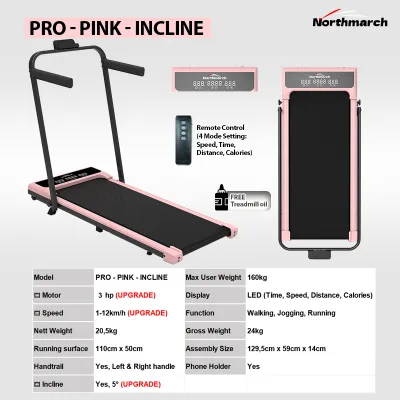
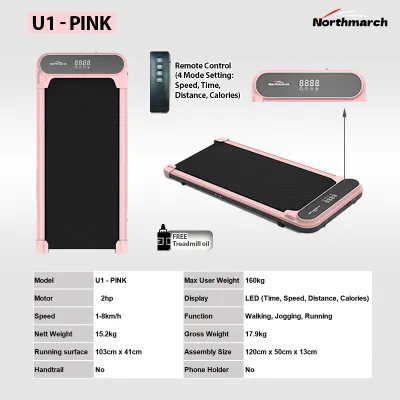
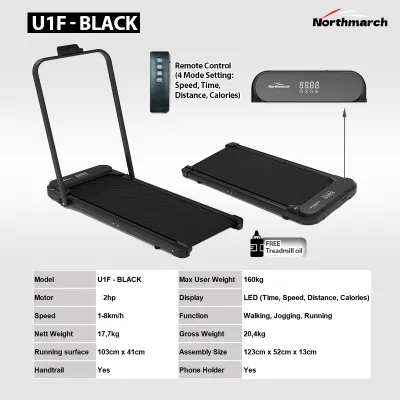
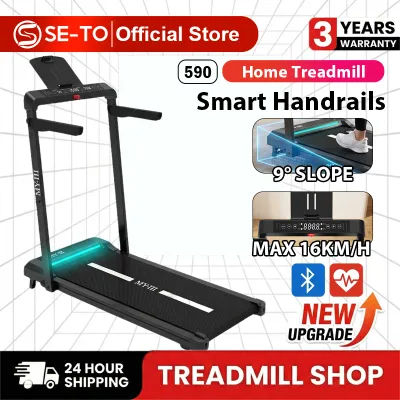
Prices are valid at publication and may change. Please refer to the product page for the latest price.
In addition to the immediate walking zone, consider the logistics of getting the treadmill into your condo unit. High-rise developments in Metro Manila and other urban areas often feature narrow hallways, tight corners, and compact passenger elevators. Check the packaged dimensions of the treadmill against your building’s elevator door width and cabin depth, as well as your own front door frame. Ensuring the box can be easily transported to your floor prevents delivery headaches and potential damage to your walls or the machine itself.
Power management is another critical factor in a tight condo layout. Walking treadmills should be plugged directly into a grounded wall outlet rather than a daisy-chained extension cord to prevent electrical overloads. Map out the location of your nearest outlet and plan the cable routing carefully. Running a thick power cable across a high-traffic walkway creates a persistent tripping hazard. If the cable must cross a floor path, secure it with a heavy-duty rubber floor cord protector to keep your workspace tidy and safe.
Evaluating Wood-Finish Options and Desk Compatibility
When shopping for an office walker treadmill with a wood finish, it is important to understand the materials used in the frame and deck. Manufacturers generally use either synthetic wood-grain laminates, sustainable bamboo veneers, or solid hardwood side panels. Synthetic laminates are highly durable and resist the moisture and humidity common in tropical climates, making them easy to clean. Solid wood and bamboo accents offer a more premium, authentic look but may require more careful environmental control to prevent warping over time.

To ensure the treadmill integrates seamlessly with your standing desk, you must verify the vertical and horizontal clearances. Measure the distance between the inner legs of your desk to confirm the treadmill frame can slide between them with at least a few centimeters of clearance on each side. Next, measure the height of the treadmill’s front motor housing. This section is typically taller than the walking deck itself. If you use a manual or electric height-adjustable desk, ensure it can rise high enough to accommodate both the height of the treadmill deck and your own standing elbow height, allowing you to type comfortably at a 90-degree angle.
Finally, check the structural limits of both your floor and your desk setup. Verify the treadmill’s maximum weight capacity on the manufacturer’s specification sheet to ensure it safely supports your body weight. Walking on a treadmill transmits rhythmic vibrations through the floor and up into your desk. If your standing desk is lightweight or top-heavy, these vibrations can cause your monitors and keyboard to wobble during work hours. Placing a high-density rubber equipment mat under the treadmill can help absorb these vibrations, protecting your condo’s flooring and stabilizing your desk.
Key Performance Checks for Compact Office Walkers
Operating a treadmill in a close-quarters condo means noise level is a primary concern. A loud motor or a squeaking belt can easily disrupt your concentration, disturb family members, or carry through thin walls to your neighbors. Look for models equipped with a brushless motor, which typically operates more quietly than traditional brushed motors. Check the manufacturer’s specifications for decibel ratings; a quiet office treadmill should ideally operate below 50 decibels at walking speeds, allowing you to take phone calls and participate in video meetings without background hum.
Belt dimensions directly affect your walking comfort and safety. If the belt is too short or narrow, you will constantly have to monitor your positioning, which detracts from your ability to focus on work. For most adults, a belt width of at least 40 centimeters and a length of 100 centimeters provides a sufficient walking area. If you are taller or have a naturally long stride, look for a belt length closer to 120 centimeters to prevent your feet from accidentally slipping off the back of the roller.
Speed control and transition smoothness are also vital for productivity. When working at a desk, your walking speed will generally remain low, typically between 1.5 and 3.0 kilometers per hour. Verify that the treadmill’s speed increments adjust in small, manageable steps, such as 0.1 kilometer-per-hour intervals. A smooth start-and-stop mechanism prevents sudden jerks that could cause you to lose your footing while typing or reading a document.
Storage, Folding, and Daily Workflow Integration
Maximizing space in a small condo requires a clear plan for storing the treadmill when it is not in use. Many under-desk treadmills are designed to lie flat, allowing you to roll them under a sofa, bed, or low-profile console table. Measure the vertical clearance beneath your furniture and compare it to the total height of the treadmill when folded flat. If you plan to store the unit vertically against a wall, ensure it features a built-in kickstand or includes safety straps to secure it to a wall stud, preventing it from tipping over.
Ease of mobility is essential if you plan to move the treadmill daily. Look for models equipped with built-in transport wheels on the front base. These wheels allow you to lift the rear of the treadmill and roll it into position with minimal effort. Check the total weight of the machine; while wheels make transport easier, lifting a 30-kilogram machine to store it vertically can still be physically demanding. Ensure you can comfortably handle the weight before committing to a daily setup and teardown routine.
Integrating the treadmill into your daily workflow requires a bit of habit adjustment. Trying to walk for eight hours straight can lead to fatigue and muscle strain. Instead, plan for short, active sessions of 30 to 45 minutes spread throughout the day, perhaps during routine webinars, reading tasks, or internal team syncs. Keep a pair of supportive, clean indoor walking shoes next to your desk to make transitioning from sitting to walking quick and convenient, helping you maintain a consistent routine without cluttering your living space.
Frequently Asked Questions (FAQ)
Can I use a walking treadmill on a condo balcony or uneven floor?
No, you should not operate or store a walking treadmill on a condo balcony or any uneven surface. The tropical climate in the Philippines exposes outdoor areas to high humidity, intense sunlight, and sudden rain showers, all of which can warp wood finishes, rust internal steel components, and ruin sensitive electronics. Additionally, balcony floors are typically sloped to facilitate rainwater drainage. Operating a treadmill on a slope puts uneven lateral stress on the walking belt and motor, leading to premature wear, belt misalignment, and potential safety hazards. Always use the treadmill on a flat, level, indoor surface.
Do wood-finish treadmills require special maintenance compared to standard models?
The mechanical maintenance of a wood-finish treadmill is identical to standard models, but the exterior frame requires specific care to preserve its appearance. For the mechanical parts, you must regularly lubricate the deck beneath the belt with silicone oil and check the belt tension according to the manufacturer’s instructions. For the wood-finish exterior, avoid using harsh chemical cleaners, bleach, or excessive water, which can damage wood-grain laminates or cause real wood veneers to swell and peel. Instead, wipe down the frame with a dry or slightly damp microfiber cloth after each use to remove sweat and dust.

Community discussion
Share your experience or ask a question. Comments are reviewed before publication.