
Finding the right armband for running is essential for keeping your phone secure, accessible, and protected from the elements. Whether you are training for a marathon or enjoying a casual jog around your local neighborhood, a poorly fitting band can lead to chafing, slipping, or even a damaged device. The ideal choice balances physical compatibility with your specific phone model, a comfortable strap that handles moisture, and practical features that match your running habits.
In tropical climates like the Philippines, where high humidity and sudden downpours are common, your gear has to work even harder. A standard sleeve might suffice in cooler, drier environments, but local runners must pay close attention to material breathability and sweat resistance. By focusing on key specifications rather than marketing hype, you can find a reliable companion for your daily runs.
Match the Armband to Your Phone Size and Case
Before looking at colors or extra pockets, you must verify that your phone will actually fit inside the armband’s pouch. Manufacturers typically list compatibility by screen size, such as supporting devices up to 6.7 inches. However, screen size is a diagonal measurement that does not account for the physical bezels of the phone, its overall thickness, or the added bulk of a protective case.
Products mentioned in this guide
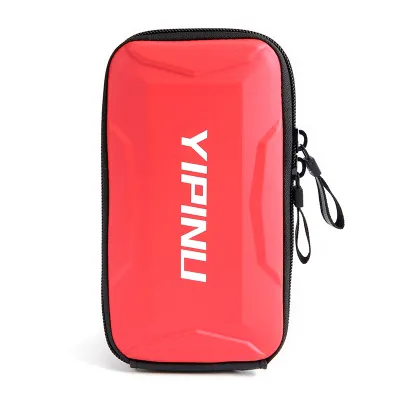
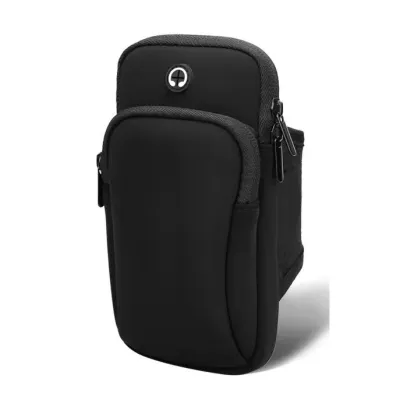
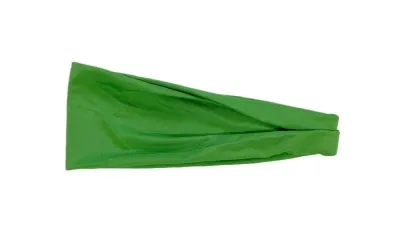
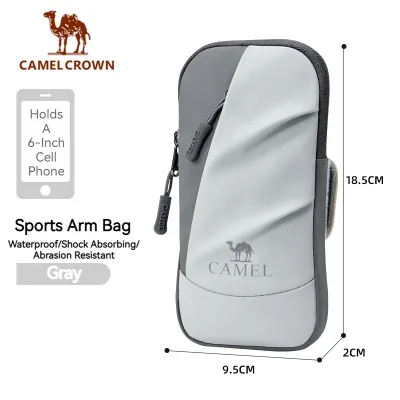
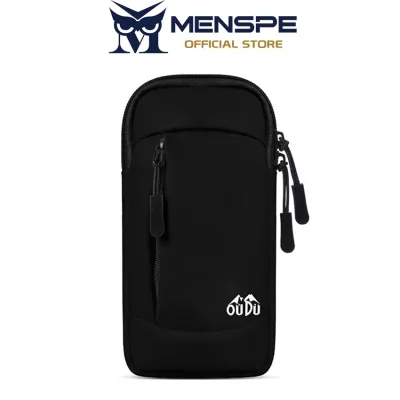
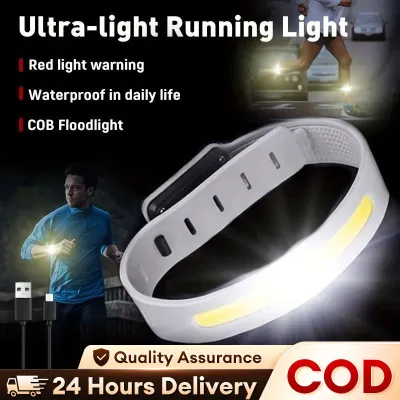
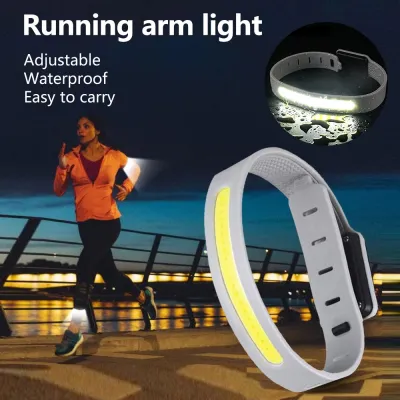
Prices are valid at publication and may change. Please refer to the product page for the latest price.
To ensure a proper fit, measure the total height, width, and depth of your phone while it is inside its daily protective cover. Compare these exact dimensions against the internal pouch measurements provided by the armband manufacturer. If you use a rugged, shockproof case or a thick wallet cover, the added depth can prevent the zipper or flap from closing securely.
Pay close attention to the closure mechanism’s stretch limits. Forcing a tight fit puts continuous strain on the seams and zippers, which can lead to sudden failure while you are in motion. If your phone has a prominent camera bump, ensure the pouch material is flexible enough to accommodate the uneven shape without scratching the lens or tearing the inner lining.
Evaluate Strap Material and Fit for Your Running Style
The strap is the foundation of any armband for running, directly impacting both comfort and security. In warm, humid conditions, sweat buildup can quickly turn a minor rub into painful chafing. Look for moisture-wicking fabrics like lightweight Lycra or perforated neoprene, which allow air to circulate and help keep your skin dry.

Always check the care instructions before purchasing. Because running gear absorbs sweat and body oils, you will need to wash your armband regularly to prevent odors and bacterial growth. Armbands with removable straps or those labeled as hand-washable are much easier to maintain over time than those with rigid, non-washable internal structures.
The closure mechanism must offer precise adjustability to accommodate different arm shapes and muscle expansion during exercise. High-quality hook-and-loop fasteners allow you to fine-tune the tension so the band stays secure without restricting blood flow. Examine the inner side of the strap for seamless construction; rough edges, exposed stitching, or stiff plastic backings are primary culprits for skin irritation during long-distance runs.
Decode Key Design Specs: Screen Access and Storage
How you interact with your phone during a run should dictate the design of the armband’s front panel. If you frequently change playlists, track your pace, or answer calls, a clear plastic window with high touchscreen sensitivity is essential. Keep in mind that thick plastic covers can sometimes interfere with fingerprint sensors or facial recognition, requiring you to input your passcode manually.
Storage needs vary wildly from runner to runner. If you prefer to run light, a minimalist sleeve with a single phone compartment is ideal. However, if you need to carry a house key, a transit card, or emergency cash, look for armbands with dedicated, separate slots. Keeping these items in a separate pocket prevents them from scratching your phone’s screen or back glass during high-impact movement.
Safety is another critical design factor, especially if you prefer running during the cooler hours of early morning or late evening. Look for armbands that feature integrated reflective strips or high-visibility piping. These elements catch the light from streetlamps and vehicle headlights, helping to keep you visible on public roads and pathways.
Simplify Your Decision: Specs You Can Safely Ignore
It is easy to get distracted by premium features that drive up the retail price in ₱ without adding real value to your run. For instance, built-in headphone jacks and cord organizers are increasingly obsolete as wireless earbuds have become the standard. Paying extra for dedicated cable routing channels is unnecessary if you have already transitioned to wireless audio.
Similarly, you should distinguish between basic splash resistance and full waterproofing. Unless you plan on swimming with your phone, an expensive waterproof rating is rarely necessary. A standard water-resistant or splashproof design is more than capable of protecting your device from sweat and sudden tropical rain showers, saving you money while keeping your phone safe.
Avoid overly complex modular attachments, such as detachable magnetic mounts or rotating brackets, unless you have a specific, proven need for them. These mechanisms add significant weight and bulk, making the armband feel unbalanced on your arm. Prioritizing a simple, streamlined design with robust core materials will always deliver a more comfortable and durable running experience.
Frequently Asked Questions (FAQ)
Can I use a running armband if I wear a thick phone case?
Yes, but you must verify the total dimensions of your phone with the case on. Measure the combined thickness, width, and height, then compare them to the armband’s maximum pouch capacity. If the case is exceptionally bulky, you may need to buy an armband designed for the next size up, or simply slide the phone out of its case before heading out for your run.
How do I keep the armband from slipping down my arm?
To prevent slippage, position the band on your upper arm, slightly above the bicep muscle where the arm naturally tapers. Secure the strap tightly enough so it does not slide when you pump your arms, but loose enough that you can comfortably fit one finger underneath. Wearing the band directly against bare skin or over a textured fabric sleeve can also provide better friction than slick, synthetic running shirts.

Community discussion
Share your experience or ask a question. Comments are reviewed before publication.