
Selecting the right boxing mitts for home training in the Philippines requires balancing impact protection, ergonomic comfort, and material resilience against tropical humidity. Unlike commercial gyms equipped with specialized shock-absorbing floors and industrial ventilation, home environments present unique challenges like limited space, hard tile or concrete surfaces, and high moisture levels. An effective pair of home training mitts must match the physical capabilities of your training partner, fit securely to prevent joint strain, and feature materials that can withstand local climate conditions without degrading or developing persistent odors.
Assessing Home Training Goals and Skill Levels
Before browsing online marketplaces or local sports outlets, you must clarify what you expect to achieve during your home workouts. Beginners focusing on cardiovascular fitness and basic punch mechanics require different equipment than advanced martial artists practicing high-velocity combinations. For those starting out, the primary objective is usually learning proper hand alignment and building rhythm. In these scenarios, lightweight mitts with a larger target area are highly beneficial because they forgive minor targeting errors and reduce the physical toll on both the striker and the pad holder.
The technical proficiency of the person holding the mitts is often a highly critical factor in home training safety. In a home setup, your training partner is frequently a family member or roommate who may not have professional coaching experience. Holding pads requires active resistance, precise timing, and proper wrist alignment to absorb the force of a punch safely. If the holder is inexperienced, heavy or poorly balanced mitts can quickly lead to wrist fatigue, elbow hyperextension, or shoulder strain. Therefore, you must select mitts that offer intuitive hand placement and sufficient wrist support to compensate for any gaps in the holder’s defensive technique.
Products mentioned in this guide
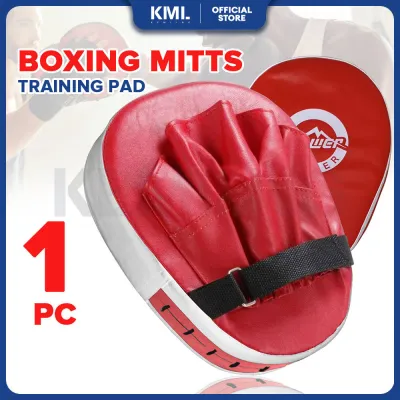
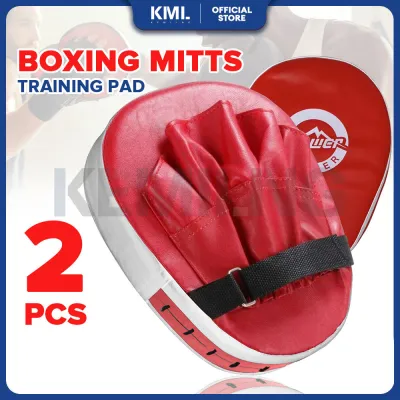
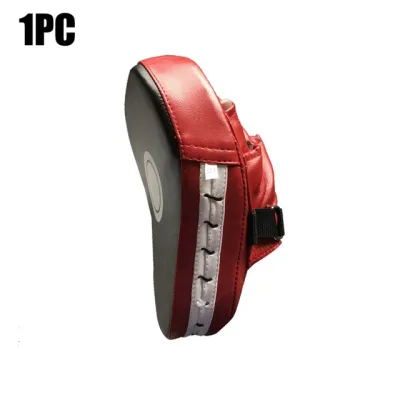
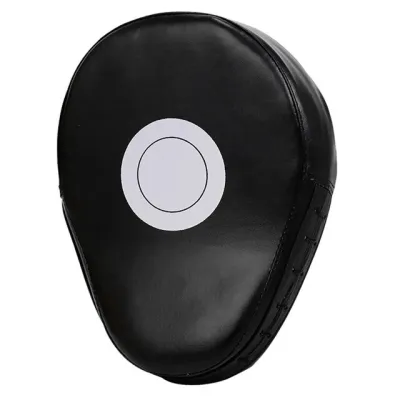
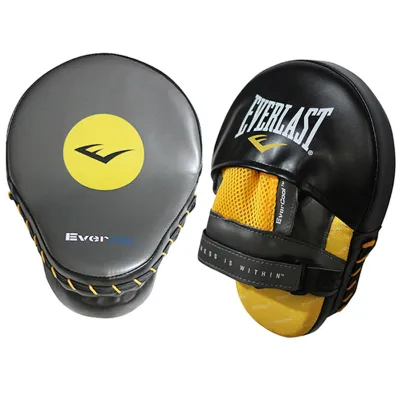
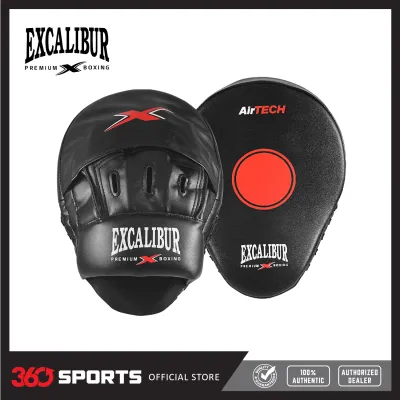
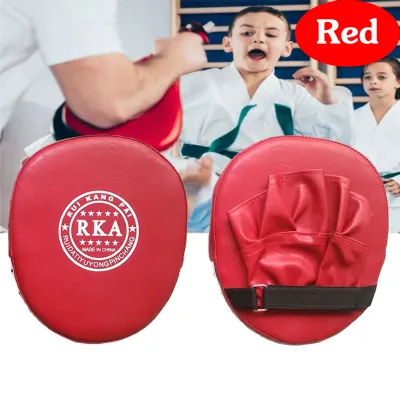
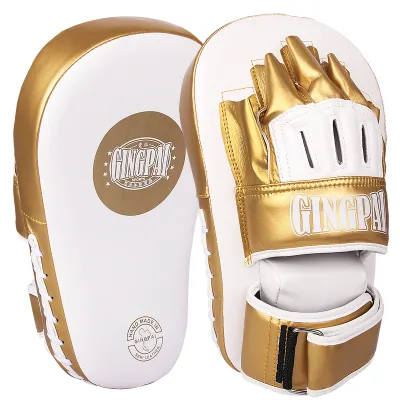
Prices are valid at publication and may change. Please refer to the product page for the latest price.
Additionally, consider the planned frequency and duration of your training sessions. If you intend to train daily for an hour or more, the physical demands on the equipment and the holder’s hands increase exponentially. High-frequency training demands robust padding that does not compress permanently after a few weeks of use. Conversely, if your home workouts are limited to short, twice-weekly cardio sessions, you can prioritize lighter, highly flexible mitts that are easier to put on, take off, and store away in a small apartment or shared living space.
Key Features to Evaluate for Home Environments
Evaluating the physical specifications of boxing mitts ensures they will perform safely within the constraints of a residential setting. The first critical feature to analyze is the padding composition and thickness. Most home training spaces in the Philippines feature hard tile, terrazzo, or concrete floors, which lack the natural give of professional gym subfloors. This means any residual shock from a punch that is not absorbed by the mitt or the glove travels directly into the joints of both training partners. Look for multi-layered foam padding, often combining high-density closed-cell foam for shock dispersion with softer open-cell foam for impact absorption. Check the manufacturer’s specifications to verify the padding thickness, aiming for at least 1.5 to 2 inches of protection if power punches are part of your routine.

The grip and fit system of the mitt directly dictates how much control the holder has during dynamic drills. Traditional focus mitts utilize an internal palm ball—a raised dome inside the glove compartment that fits into the hollow of the holder’s hand. This design allows the holder to grip the mitt naturally, preventing it from slipping off during rapid combinations. For home use, look for enclosures that feature adjustable hook-and-loop wrist straps or deep finger slots. These systems secure the mitt tightly to various hand sizes, which is particularly useful if multiple family members share the same equipment.
Material selection is another vital consideration, especially given the warm, humid climate of the Philippines. Genuine leather offers excellent durability and a classic feel, but it requires regular conditioning to prevent cracking and can absorb moisture if not dried properly. High-grade synthetic leathers, such as polyurethane (PU) or engineered microfiber, are highly practical alternatives for home environments. They resist moisture absorption, are easier to wipe clean after a sweaty session, and generally require less maintenance to remain hygienic. Always check the product care label to confirm the recommended cleaning protocols for the specific material.
Finally, assess the overall size and weight of the mitts. Larger mitts provide a generous target area, reducing the risk of missed punches hitting the holder’s wrists or face, but they are heavier and can slow down speed drills. Smaller, teardrop-shaped speed mitts are incredibly light and highly mobile, but they demand precise accuracy from the striker and advanced catching skills from the holder. For most home setups, a medium-sized curved mitt offers a versatile balance, providing a safe striking zone without causing premature shoulder fatigue for the holder.
Matching Mitt Types to Your Home Workout Style
Different workout styles require specific mitt profiles to maximize training efficiency and safety. Curved mitts are a popular choice for general home training. The pre-curved design naturally cups the striker’s punches, catching hooks and uppercuts more securely than flat surfaces. This curvature helps align the holder’s wrist in a neutral, strong position, reducing the risk of joint hyperextension during power drills. However, curved mitts require the holder to have sufficient forearm strength to resist heavy impacts, and they occupy slightly more storage space due to their contoured shape.
Flat or pancake mitts are designed primarily for speed, precision, and rapid-fire combinations. Because they lack a curved pocket, they require the striker to land punches with precise alignment to prevent slipping. These mitts are exceptionally lightweight and highly portable, making them easy to pack away in a drawer or closet. They are highly suitable for beginners practicing straight punches like jabs and crosses, as the flat surface provides immediate tactile feedback on whether the punch landed flush. However, they offer less protection against heavy power shots, making them less ideal for intense strength-focused workouts.
For those prioritizing additional protection and defensive training, arm-shields or mitten-style hybrid pads offer an alternative. These larger pads cover a significant portion of the holder’s forearm, providing a substantial protective barrier against stray punches, kicks, or elbow strikes. While they offer high shock absorption, their substantial weight and bulk can make quick movement difficult in tight home spaces. They are best suited for structured, slow-tempo defensive drills where protecting the holder is the absolute priority.
| Mitt Type | Primary Focus | Protective Capacity | Portability & Storage | Holder Skill Requirement |
|---|---|---|---|---|
| Curved Mitts | Power & Combinations | High | Moderate | Moderate |
| Flat Mitts | Speed & Precision | Moderate | High | Low to Moderate |
| Arm-Shields | Defense & Heavy Impact | Very High | Low | Low (for basic blocks) |
Space, Storage, and Setup Considerations
Creating a safe physical environment is just as important as choosing the right gear. Before starting any home training session, you must establish a safe punching radius. As a general rule, both the striker and the holder should be able to extend their arms fully in any direction without coming within one meter of walls, furniture, glass fixtures, or low-hanging ceiling fans. Clear the designated training corner of any loose rugs, toys, or electrical cords that could cause a tripping hazard during dynamic footwork.
Storage practices in tropical climates directly impact the lifespan of your boxing equipment. High humidity levels in the Philippines can cause moisture to trap inside the glove compartments of the mitts, leading to mold, mildew, and material degradation. Never store damp mitts in a closed gym bag, plastic container, or dark closet immediately after a workout. Instead, find a cool, dry area with active airflow to let them air out. Keep them away from direct sunlight, as prolonged exposure to ultraviolet rays can dry out synthetic coatings and cause genuine leather to crack and peel.
The flooring of your home training area also deserves careful attention. Exercising on bare tiles or concrete can place excessive stress on the knees, ankles, and lower back of both the striker and the holder. To mitigate this risk, consider laying down interlocking high-density EVA foam mats over your training space. These mats provide a non-slip surface that improves traction during quick pivots while adding an extra layer of shock absorption beneath your feet, complementing the protective qualities of your boxing mitts.
Pre-Purchase Checklist and Safety Boundaries
Before finalizing your purchase from an online marketplace or local retailer, perform a thorough verification of the product details. Check the manufacturer’s specification labels for exact dimensions, weight per mitt, and the specific materials used in the padding and outer shell. Verify that the price, which typically ranges from ₱1,000 to ₱4,000 depending on the material quality, aligns with the manufacturer’s official retail guidelines. Read the warranty terms and return policies carefully; this allows you to perform a physical fit test at home to ensure your hands do not slide around inside the glove compartment and that the wrist straps provide adequate support.
Safety must always remain the primary boundary during home training. Equipment is a tool to facilitate safe practice, but it cannot replace proper technique, physical conditioning, and situational awareness. Both partners must perform a thorough warm-up focusing on the wrists, shoulders, and neck before catching or throwing any punches. If the pad holder experiences any sharp pain, persistent dull aches, or tingling in the wrists, elbows, or shoulders, stop the training session immediately. Continuing to hold pads through joint pain can lead to chronic repetitive strain injuries that require professional medical attention.
Frequently Asked Questions (FAQ)
Do I need different boxing mitts for beginners and advanced training at home? (FAQ)
Yes, the training intensity and skill level of the users should guide your choice. Beginners generally benefit from lighter, slightly larger mitts that prioritize a forgiving target area and ease of movement, helping them focus on form without tiring out the holder. Advanced trainees, who throw punches with significantly more velocity and mass, require thicker, high-density multi-layered foam mitts to safely absorb heavy impacts. If your household includes both a beginner and an advanced striker, it is highly recommended to select a versatile, medium-weight curved mitt or invest in separate pairs tailored to each user’s specific impact level.
How can I prevent boxing mitts from developing odors in a home environment? (FAQ)
Preventing odors requires consistent daily maintenance, especially in warm, humid climates. After every training session, immediately wipe down the interior and exterior surfaces of the mitts with a dry microfiber cloth to remove sweat. Allow them to air dry completely in a well-ventilated room or near a fan, keeping them out of direct sunlight to protect the materials. Always refer to the manufacturer’s care instructions before applying any sanitizing sprays or cleaning agents, as harsh chemicals can degrade synthetic coatings or strip natural oils from leather. Finally, store your mitts in a breathable mesh gear bag rather than a sealed plastic container to ensure continuous airflow.

Community discussion
Share your experience or ask a question. Comments are reviewed before publication.