
Cheerleading in the Philippines is a highly anticipated highlight of the school sports calendar, from local intramurals to national cheer dance competitions. For young athletes in elementary and high school, the excitement of performing is matched by the physical demands of the sport. While uniforms and choreography often take center stage, the choice of hand-held equipment is equally critical to a team’s success. Selecting the right pompoms for cheering for kids is a decision that directly influences performance quality, athlete safety, and overall visual impact.
Pompoms are not merely decorative accessories; they function as extensions of the cheerleader’s arms, amplifying movements and drawing the crowd’s attention. When young athletes use poorly sized or excessively heavy pompoms, their execution of sharp, synchronized motions can suffer. Furthermore, improper equipment can lead to physical fatigue or strain, particularly in developing wrists and shoulders. By understanding the specific needs of different age groups, coaches and parents can make informed purchasing decisions that support both athletic development and safety.
In the tropical climate of the Philippines, where high humidity and warm temperatures are standard, equipment choices must also account for environmental factors. Materials that degrade quickly under intense heat or become sticky in humid conditions can disrupt practices and increase replacement costs. This guide provides a comprehensive framework for selecting, sizing, and maintaining cheerleading pompoms tailored to the unique needs of elementary and high school squads.
Products mentioned in this guide
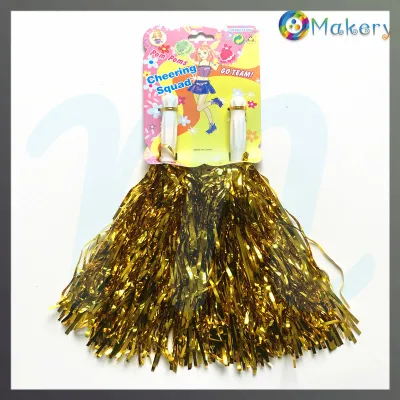
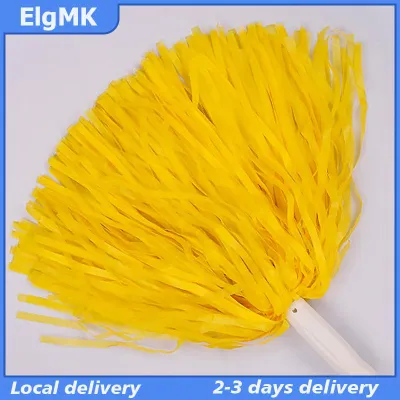
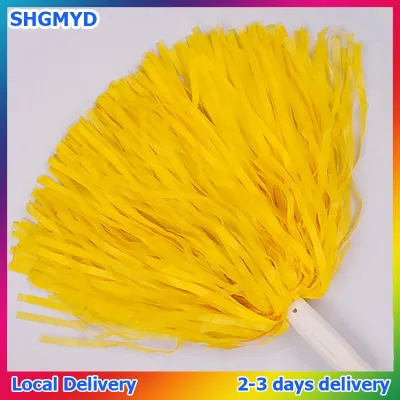
![[COD] WHPHous Ship within 24 hours 2Pcs Apply To Game Pompoms 7 Styles Cheering Flower Ball Performance Dance Wrist Flower Games Bracelet](https://img.lazcdn.com/g/p/f3cec8d75a5b6ee4d53665c6549299f5.jpg_400x400q80.jpg_.webp)
Prices are valid at publication and may change. Please refer to the product page for the latest price.
Key Factors for Choosing Kids' Cheerleading Pompoms
Selecting the right pompoms requires balancing visual appeal with the physical capabilities of young performers. A pompom must look full and vibrant from the bleachers, but this fullness often requires more strands, which increases weight. For younger children, a heavy pompom can cause their arms to sag during a routine, ruining the synchronization of high-V and low-V motions. Coaches must find a balance where the pompom is dense enough to catch the light but light enough for a child to hold comfortably for a three-minute routine.
School cheer squads frequently practice on concrete covered courts, outdoor fields, or multi-purpose gymnasiums. These environments expose equipment to dust, rough surfaces, and occasional moisture. Pompoms must withstand being dropped, stepped on, and packed tightly into school bags without losing their shape or shedding strands. High-quality construction prevents the filaments from detaching, which can create a slipping hazard on polished wooden gym floors.
The design of the handle determines how securely a child can grip the pompom and how easily they can transition between dance steps and stunts. Baton handles, which feature a central bar with pompom filaments on both ends, offer a balanced feel and are excellent for sharp, linear movements. Dowel handles provide a solid grip but may limit wrist flexibility if they are too thick for smaller hands. Hidden grips or loop handles allow cheerleaders to slip their fingers through, keeping their palms relatively free to perform tumbling passes or support flyers during stunts.
Sizing and Weight Guidelines by Age Group
Elementary school kids (typically ages 6 to 12) require pompoms designed specifically for smaller hands and developing muscles. For this age group, a strand length of 4 to 6 inches is generally recommended. Pompoms within this size range provide sufficient visual presence without overwhelming the child’s frame or causing excessive aerodynamic resistance during fast movements. Keeping the weight under 100 grams per pompom helps prevent shoulder fatigue and wrist strain during long practice sessions.

High school students (typically ages 13 to 18) have the physical strength and coordination to handle standard adult-sized pompoms. These usually feature strand lengths of 8 to 10 inches, which create a much larger and more dramatic visual effect on the performance floor. The increased weight of these larger pompoms helps high school cheerleaders execute sharp, snappy stops, as the momentum of the heavier filaments assists in defining the end of a motion. However, transition to these sizes should be gradual to allow athletes to build the necessary forearm and shoulder strength.
When preparing to order pompoms, it is essential to verify the manufacturer’s specifications rather than relying on generic size labels like “small” or “medium.” Request exact measurements of the strand length, strand width, and total weight from the supplier. Measuring a child’s hand span from the base of the palm to the tip of the middle finger can also help determine if a handle diameter is appropriate. Ensuring these specifications match your athletes’ physical profiles before placing a bulk order prevents costly returns and potential training delays.
Material and Grip Considerations for School Routines
Filament materials play a significant role in how pompoms perform under different lighting conditions. Plastic or vinyl filaments are highly durable, resistant to moisture, and maintain their color well over time. They offer a classic, matte look that is highly visible in bright, outdoor sunlight, making them ideal for field performances and daytime pep rallies. However, they may lack the sparkle needed to stand out in dimly lit indoor gymnasiums.
Metallic and holographic filaments are designed to catch and reflect light, creating a dazzling effect during indoor competitions and evening events. These materials are highly effective under the bright spotlights of indoor coliseums, where every movement is amplified by the shimmering strands. The trade-off is that metallic materials can sometimes be more delicate than plastic, and prolonged exposure to direct tropical sunlight can cause the reflective coating to degrade or fade.
The choice of handle must align with the choreography and safety requirements of the routine. For routines that involve complex tumbling or stunting, hidden grips or wrist-strap attachments are highly beneficial. These designs allow the cheerleader to open their hands to catch a flyer or execute a handspring without dropping the pompom. If the routine consists primarily of dance and motion sequences, a traditional baton or dowel handle is often preferred for its stability and ease of manipulation.
Before finalizing a purchase, inspect product descriptions and samples for potential safety hazards. Look for handles with smooth, rounded edges to prevent cuts or blisters during high-speed rotations. Check the attachment point where the filaments meet the handle; a secure, reinforced binding is crucial to prevent shedding. Loose strands not only diminish the fullness of the pompom over time but also pose a serious safety risk if athletes slip on them during high-impact landings.
Building Your Team's Pompom Shortlist
Creating a shortlist of potential pompoms requires a systematic approach that balances performance needs with budget constraints. Begin by defining the primary style of your team’s routines, as a dance-focused squad will have different equipment requirements than a stunt-heavy team. Next, establish a clear budget in Philippine Pesos (₱) per pair, keeping in mind that bulk orders often qualify for discounts from local sports suppliers or online distributors.
Color selection is another critical step, especially for school teams that must adhere to strict branding guidelines. Many schools in the Philippines feature unique color combinations, such as green and gold, blue and white, or red and black. Ensure the supplier can provide exact color matches, as slight variations in shade can look disorganized on the performance floor. If your school colors are difficult to match, consider neutral metallic options like silver or gold, which complement most uniforms.
When browsing e-commerce platforms or supplier catalogs, pay close attention to the technical details provided in the product descriptions. Look for specifications such as strand count, which indicates the density and fluffiness of the pompom, as well as the exact material composition. Avoid listings that use vague descriptions or fail to provide weight measurements, as these products are more likely to be of inferior quality and may not withstand the rigors of regular practice.
The most reliable way to ensure satisfaction is to order a single sample pair of pompoms before committing to a team-wide purchase. This allows the coaching staff and team captains to physically test the grip comfort, evaluate the weight, and check the durability of the filaments. Have a few athletes use the sample during a practice session to gather feedback on how the handle feels during transitions and whether the wrist straps, if any, fit securely. This small upfront investment can save the school or parent association from a costly mistake.
Care, Storage, and Safety Checks
Proper maintenance is essential for extending the lifespan of cheerleading pompoms, especially in warm and humid climates. High humidity can cause plastic and metallic strands to stick together, trap dust, or develop mold if stored incorrectly. To prevent this, avoid leaving pompoms in sealed plastic bags or damp lockers after a sweaty practice. Instead, store them in breathable mesh bags that allow air to circulate freely around the filaments.
Before storing pompoms for an extended period, shake them out vigorously to restore their fluffiness and remove any trapped debris. If the strands have become bent or creased from being packed in a bag, you can gently steam them to restore their straightness. Never use a direct heat source, such as a hair dryer or iron, as this can melt plastic filaments or ruin the reflective coating on metallic pompoms.
Conducting regular safety inspections is a vital practice for coaches and team managers. Before every practice session and performance, inspect each pompom for signs of wear and tear, such as loose handles, cracked plastic, or fraying wrist straps. If a handle is cracked, replace the pompom immediately to prevent it from breaking mid-routine and causing an injury. Address any loose strands promptly by trimming them or securing the binding to prevent further shedding.
Cleaning your team’s pompoms helps maintain hygiene and keeps the colors looking vibrant. Wipe down the handles regularly with a damp cloth and a mild, non-abrasive soap to remove sweat and dirt. For the filaments, a gentle shake in a bucket of cool water mixed with a small amount of mild detergent can remove accumulated dust. Allow the pompoms to air dry completely in a shaded, well-ventilated area before packing them away, as direct sunlight can weaken the materials over time.
Frequently Asked Questions (FAQ)
Can elementary and high school cheerleaders share the same pompoms?
It is generally not recommended for elementary and high school cheerleaders to share the same pompoms due to significant differences in physical development and routine complexity. Elementary school kids have smaller hands and weaker wrist muscles, requiring lighter, smaller pompoms to prevent injury and maintain proper form. High school cheerleaders need larger, heavier pompoms to achieve the necessary visual impact and sharp stops required for advanced choreography. Using a single size across both age groups can lead to hand fatigue for younger children or a lack of visual presence for older athletes.
How many pairs of pompoms should a school team order?
When ordering pompoms for a school team, it is wise to purchase approximately 10% to 15% more pairs than the active roster size. This surplus accounts for potential growth in team membership, unexpected damage during the season, and the inevitable loss of equipment during travel to away games or competitions. Additionally, if your team performs multiple routines with different color schemes, you may need to order separate sets for each routine. Having a stock of identical spares ensures that every cheerleader has matching, fully functional equipment on performance day.
Are metallic pompoms safe and effective for outdoor school events?
Metallic pompoms are highly effective for outdoor school events because they catch the natural sunlight, creating a brilliant, high-energy visual display. However, there are safety and durability factors to consider when using them outdoors. In intense heat, metallic filaments can absorb heat quickly and become uncomfortably warm to the touch if left in direct sunlight. Additionally, prolonged exposure to UV rays can cause the metallic coating to flake or fade over time. To maximize safety and lifespan, keep metallic pompoms in the shade when not performing and inspect them regularly for flaking strands.

Community discussion
Share your experience or ask a question. Comments are reviewed before publication.