
To keep a freestanding punching bag firmly anchored during high-intensity training, the most effective solution is utilizing heavy-duty sand bags made from high-denier fabrics—such as 900D to 1680D Oxford polyester or reinforced PVC—that feature multi-layered leak prevention and a shape designed to conform to your bag’s base. Unlike rigid weights, these flexible anchors distribute weight evenly across the plastic base of your training equipment, absorbing impact vibrations and preventing the unit from sliding or tipping over. In a home gym setup, especially in tropical climates where sweat and humidity are constant factors, selecting the right materials and securing them properly is essential for maintaining a safe, functional workout space.
By understanding the physical demands of your training and the structural limits of your equipment, you can build a stabilization system that protects both your home’s flooring and the punching bag itself. This guide outlines the essential criteria, material standards, and setup strategies you need to select the right heavy-duty sand bags from sports equipment stores or online retailers to keep your home boxing setup secure.
Assessing Your Punching Bag's Stability and Weight Requirements
Before purchasing any anchoring equipment, you must determine the exact weight and base coverage required to prevent tipping during your specific training routines. Freestanding punching bags rely on a wide plastic base that is typically filled with water or sand. However, because the striking surface sits high above the base, punches and kicks create a high degree of leverage that can easily tilt or slide the entire unit. To calculate your additional weight needs, start by measuring the base diameter and evaluating the physical footprint of your training area.
Products mentioned in this guide
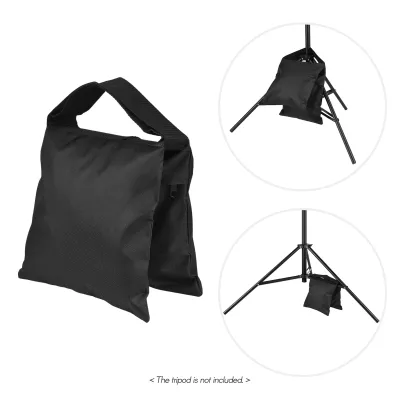
Prices are valid at publication and may change. Please refer to the product page for the latest price.
Measure the base diameter of your punching bag and map out the available floor space around it. You must ensure that adding external sand bags will not obstruct your footwork, step-ins, or pivoting movements. If your training space is tight, bulky sand bags that spill over the edges of the base can become tripping hazards, severely limiting your ability to practice proper boxing stance and movement. Ideally, the sand bags should sit compactly on top of the base dome rather than sprawling outward onto the floor.
Next, evaluate your training intensity and the types of strikes you practice. Light boxing combinations consisting of jabs and straight rights exert relatively low lateral force, requiring minimal extra stabilization. Conversely, heavy kickboxing, Muay Thai, or power-punching routines generate massive kinetic energy that shifts the bag’s center of gravity rapidly. If you regularly practice low kicks, middle kicks, or heavy hooks, your stabilization system must be robust enough to absorb these high-impact forces without shifting.
Finally, estimate the additional anchor weight needed based on the bag’s overall height, base design, and current fill level. A taller bag requires more base weight to counteract the leverage of high strikes. If your base is currently filled with water, it may still wobble or slide because water is less dense than sand and shifts dynamically inside the plastic dome. Adding heavy-duty sand bags on top of the base provides the localized, dead-weight stability needed to dampen these vibrations and keep the unit firmly in place.
Key Material and Design Features for Heavy-Duty Sand Bags
When selecting sand bags for home gym use, durability and leak prevention are the most critical factors to consider. The constant vibration and impact from your workouts will subject the sand bags to continuous friction against the hard plastic base and the floor. To ensure your anchors last, you must evaluate the outer fabric, the internal containment design, and the physical shape of the bags.

Check the outer fabric ratings of the sand bags before making a decision. Look for high-denier Oxford cloth (such as 900D, 1000D, or 1680D), woven polypropylene, or reinforced PVC. The “denier” rating indicates the thickness and density of the fabric fibers; higher numbers offer superior resistance to tearing, puncturing, and abrasion. Reinforced PVC is particularly useful in home gyms because it is waterproof, sweat-resistant, and easy to wipe clean after an intense training session.
Verify that the sand bags feature robust anti-leak designs to prevent fine dust from escaping onto your floor. Look for bags with double-stitched or reinforced seams, as single-stitched seams can easily split under pressure. The best configurations utilize a multi-layered system, featuring independent inner liners or bladders that hold the sand, which are then sealed inside the heavy-duty outer shell. Secure zipper closures reinforced with thick hook-and-loop (velcro) flaps provide an extra layer of security, ensuring that sand remains contained even during high-vibration workouts.
Evaluate the shape and form factor of the sand bags to ensure they fit your punching bag’s base. Cylindrical saddlebags or curved arch bags are highly effective because they drape naturally over the rounded dome of a standard plastic base. Rectangular blocks or flat sand bags are excellent for stable stacking, allowing you to layer weight symmetrically. Some specialized anchors are designed as donut-shaped bags that wrap completely around the central neck of the punching bag, providing centralized weight distribution that minimizes movement.
Comparing Sand and Alternative Fillers for Base Anchoring
The material you choose to fill your heavy-duty bags directly impacts their stability, convenience, and overall weight. While sand is the traditional choice, understanding how it compares to alternative fillers will help you make an informed decision based on your home environment and training needs.
Dry sand is highly recommended for base anchoring due to its high density and shifting properties. Unlike rigid weights, loose sand conforms perfectly to the irregular, curved shape of a plastic punching bag base. This maximizing of the contact area increases friction, preventing the sand bags from sliding off during heavy impacts. Additionally, dry sand is inexpensive and widely available at local hardware stores, making it a highly cost-effective filling option.
Contrast sand with water-filled alternatives to understand the trade-offs in convenience and performance. Water is incredibly easy to fill and empty, making it highly portable if you need to move your home gym setup. However, water has a lower density than sand, meaning you need a larger volume of water to achieve the same anchoring weight. Furthermore, water-filled anchors carry the risk of punctures, slow leaks, and mold growth, and they do not provide the same dampening effect as the dense, solid mass of sand.
If you choose to use sand, take proper safety, containment, and cleanup precautions during the filling process. Always fill the bags outdoors or over a protective tarp to prevent fine dust from settling on your indoor flooring. Use a wide-mouth funnel to pour the sand into the inner plastic liners, and seal them tightly with heavy-duty tape or zip ties before placing them inside the outer fabric shell. This double-containment method ensures that your indoor training area remains clean and free of abrasive sand particles.
How to Arrange and Secure Sand Bags Around the Base
Simply placing sand bags on top of your punching bag’s base is rarely enough to keep them secure during a workout. The repetitive vibrations from your strikes will cause unsecured bags to shift, slide, and eventually fall off. To build a reliable anchor system, you must execute a stable weight distribution strategy and secure the bags tightly.
Apply symmetrical weight distribution principles when arranging your sand bags. If you place all the weight on one side of the base, the punching bag will tilt unevenly, putting unnecessary stress on the plastic neck and causing the unit to slide in the opposite direction. Instead, distribute the weight evenly around the circumference of the base. For example, if you have four sand bags, place them in a cross pattern (north, south, east, and west) to maintain perfect balance and stability.
Use heavy-duty ratchet straps, bungee cords, or cargo nets to bind the sand bags tightly to the base. Wrapping a thick strap around the neck of the punching bag and pulling it tight over the sand bags keeps them compressed against the plastic dome. This tight binding prevents the bags from bouncing or sliding off when you land heavy kicks. Ensure that any metal buckles or hooks on the straps are positioned away from the striking area to prevent injury or damage to your gloves.
Establish a routine for inspecting your stabilization system to ensure it remains safe over time. Before every training session, check the plastic base for any signs of stress fractures or cracking caused by impact vibrations. Inspect the outer fabric of the sand bags for friction wear, especially where they contact the floor or the rough edges of the plastic base. Catching minor wear early allows you to patch the fabric or adjust the straps before a seam splits during a workout.
Building Your Shortlist: What to Verify Before Buying
When you are ready to purchase heavy-duty sand bags, formulating a clear verification checklist will help you avoid common buying mistakes. By cross-referencing specifications and evaluating your local options, you can find a reliable product that fits your budget and setup.
First, cross-reference the manufacturer’s specifications for maximum fill weight capacity and empty bag dimensions. Ensure that the physical size of the filled bags will fit within the footprint of your punching bag’s base without spilling over into your footwork zone. If you have a compact home gym, look for high-density bags that offer maximum weight in a smaller physical profile, allowing you to maintain clear space around the training area.
Decide whether to purchase empty bags for custom filling or pre-filled options. Buying empty bags is highly recommended for online purchases in the Philippines, as shipping pre-filled bags can incur extremely high delivery fees due to their weight. Purchasing empty bags allows you to buy cheap construction sand locally at a hardware store—often costing around ₱50 to ₱150 per bag—and fill them yourself, saving a significant amount of money while customizing the exact weight of each anchor.
Finally, review buyer feedback with a specific focus on long-term seam integrity, zipper durability, and real-world performance under heavy impacts. Look for reviews from users who have utilized the bags specifically for boxing or martial arts training, as these activities subject the bags to far more vibration than standard fitness exercises. Avoid products with consistent complaints about dust leakage, weak zippers, or tearing seams, and prioritize brands that offer reinforced stitching and multi-layered containment.
Frequently Asked Questions (FAQ)
Can I use standard gym weight plates instead of sand bags?
Using standard iron or rubber gym weight plates to anchor a freestanding punching bag is generally not recommended. Weight plates are rigid and unyielding, meaning they do not conform to the curved shape of the plastic base. This lack of contact area makes them highly prone to sliding off during a workout. Furthermore, the hard metal or rubber edges of weight plates create concentrated pressure points on the plastic base; under the intense vibration of heavy strikes, these hard contact points can easily crack or puncture the base, leading to costly damage. Sand bags, by contrast, distribute the weight evenly and absorb impact vibrations safely.
How do I prevent sand bags from degrading in humid environments?
In humid tropical climates, sweat and ambient moisture can quickly lead to mold, mildew, and fabric rot if your sand bags are not properly maintained. To prevent degradation, ensure your training area is well-ventilated, and wipe down the exterior of the sand bags with a dry cloth after sweaty workouts. If your sand bags are made of Oxford cloth, occasionally take them outdoors to air out and dry in direct sunlight, which helps kill mold spores. Additionally, check the inner liners periodically for any moisture ingress, and consider placing silica gel packets inside the outer zippered compartments to absorb excess humidity and protect the fabric from rotting.

Community discussion
Share your experience or ask a question. Comments are reviewed before publication.