
Starting your camping journey in the Philippines is an exciting venture, but the country’s unique tropical climate requires careful gear selection. To choose the right Mobi Garden tents and sleeping bags, beginners must balance the intense humidity of coastal campsites with the surprising chill of high-altitude mountain ridges. Prioritizing high-ventilation double-layer tents and moisture-resistant synthetic sleeping bags will ensure your first outdoor overnight stays are comfortable, dry, and safe.
By understanding how to evaluate technical specifications like hydrostatic head ratings, pole materials, and temperature limits, you can confidently select gear that matches your specific camping style. Whether you are planning a relaxed car-camping weekend in Rizal or a challenging trek in the Cordillera region, verifying these details beforehand prevents costly purchasing mistakes.
Quick Guide to Choosing Mobi Garden Gear for Beginners
Before browsing product listings, you must define where and how you plan to camp. The Philippines offers diverse camping environments, ranging from established commercial campgrounds with manicured lawns to remote, rugged backcountry trails. Beginners typically start at managed campsites in provinces like Laguna, Cavite, or Rizal, where vehicles can park close to the pitching area. For these scenarios, gear weight is less critical, allowing you to prioritize spaciousness, ease of setup, and comfort features.
Products mentioned in this guide
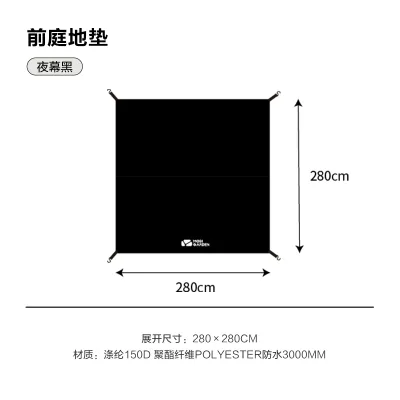
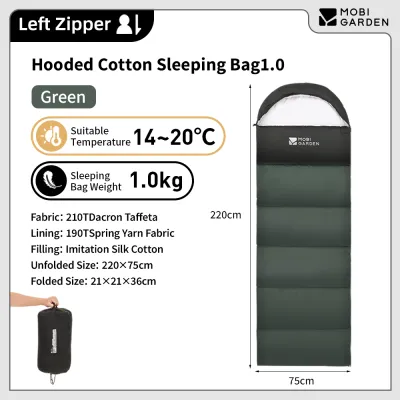
Prices are valid at publication and may change. Please refer to the product page for the latest price.
If your goal is backcountry trekking or trail hiking, every gram of gear matters. Backpacking requires lightweight, highly compressible tents and sleeping bags that fit comfortably inside a medium-sized pack. Carrying heavy, bulky gear over steep terrain quickly leads to fatigue, which can compromise your safety and enjoyment on the trail.
Budget is another key consideration for those new to the sport. Entry-level models are generally budget-friendly but often utilize heavier materials like fiberglass poles and thicker polyester fabrics. Mid-range options represent a larger upfront investment but offer significant advantages, including lighter aluminum frames, superior water-resistance ratings, and better packability. Beginners should weigh how often they plan to camp against these material benefits before making a purchase.
Local weather patterns and seasonal shifts must also dictate your gear choices. The Philippine climate alternates between hot, humid dry seasons and wet, windy monsoon seasons. A tent that performs beautifully during a calm summer night on a Batangas beach may fail during a sudden rainy downpour in the hills of Tanay. Always check the typical weather conditions, wind exposure, and elevation of your destination before packing your gear.
Evaluating Mobi Garden Tents for Easy Setup and Weather Resistance
Selecting a tent requires a close look at structural designs and material specifications to ensure you can set it up quickly and stay dry during unexpected weather changes.

Setup Mechanism
Pop-Up Tents Pop-up or instant tents feature pre-assembled frames that spring into shape immediately upon unpacking. While they offer unmatched convenience for casual beach trips or backyard camping, they are typically bulky to transport and have lower wind resistance. Folding them back down also requires a specific technique that can be frustrating for beginners to master on a windy day.
Dome Tents Classic dome tents utilize two or three flexible poles that cross over the center of the structure. This design offers an excellent balance of stability, headroom, and ease of assembly. Dome tents are highly wind-resistant because their curved shape sheds wind efficiently, making them a reliable choice for most beginner campsites.
Tunnel Tents Tunnel tents consist of parallel arched poles that create a long, spacious interior. They offer generous headroom and large vestibule areas for storing muddy boots and gear. However, they require secure pegging and tensioning at both ends to stand upright, meaning they cannot be easily pitched on hard, rocky ground or wooden camping platforms.
Capacity and Space
When reading tent specifications, remember that the stated person-capacity (such as a “2-person” or “3-person” tent) represents the maximum number of people who can lie side-by-side inside. It does not account for personal gear, backpacks, or comfortable movement. For a comfortable experience, beginners should apply the “plus-one” rule: select a 3-person tent for two campers, or a 4-person tent if you are camping with family or carrying substantial gear.
Always verify the actual floor dimensions listed in centimeters on the product page. Compare these measurements against the width of your sleeping pads to ensure they will fit side-by-side without overlapping. Additionally, check the peak height of the tent; a peak height of 110 centimeters or more allows most adults to sit up comfortably to change clothes.
Weather Protection
To withstand tropical downpours, look for a double-layer tent design. This configuration consists of an inner mesh tent and a separate, waterproof outer rainfly. The air gap between the two layers is crucial because it allows warm air to escape, significantly reducing condensation buildup inside the tent on humid nights.
Verify the hydrostatic head rating of the rainfly, which is measured in millimeters (mm). For general camping in the Philippines, a rating of 2000mm to 3000mm is recommended to handle heavy rain. Ensure the product description explicitly mentions factory-taped seams, which prevent water from leaking through the needle holes where the fabric is stitched together.
Durability Checks
Pole Material Fiberglass poles are common in budget-friendly tents, but they are heavier and can splinter under high stress or strong winds. Aluminum poles (such as 7001 aluminum alloy) are highly recommended because they are lightweight, flexible, and resilient against sudden wind gusts.
Floor Fabric The tent floor is subjected to constant friction and moisture from the ground. Look for a floor fabric with a high denier rating (such as 150D Oxford fabric) and a waterproof rating of at least 3000mm. A thick, durable floor resists punctures from sharp twigs, stones, and dry grass.
Selecting Mobi Garden Sleeping Bags for Tropical and Highland Climates
A sleeping bag is essential for a good night’s rest, but the right model depends heavily on the elevation of your campsite.
Temperature Ratings
Sleeping bag manufacturers typically print three temperature ratings on their products: Comfort, Limit, and Extreme. Beginners should always base their decision on the Comfort rating, which indicates the lowest temperature at which a cold sleeper can sleep comfortably without shivering. The Extreme rating is a survival limit only and does not represent a comfortable sleeping temperature.
For lowland coastal camping where nighttime temperatures rarely drop below 22°C, a heavy sleeping bag is unnecessary and will cause overheating. A lightweight liner or a thin bag with a comfort rating of 15°C to 20°C is sufficient. However, if you are heading to highland destinations like Benguet, Sagada, or Mount Pulag, temperatures can easily drop to single digits. For these areas, select a sleeping bag with a comfort rating of 5°C to 10°C.
Shape and Design
Envelope Sleeping Bags Envelope or rectangular sleeping bags feature a wide, uniform cut that allows you to move your legs freely. Most models can be fully unzipped and laid flat to serve as a large quilt, making them highly versatile for warm tropical nights where you only need light coverage.
Mummy Sleeping Bags Mummy bags are tapered to follow the contours of your body, narrowing at the feet and featuring a fitted hood. This design minimizes the volume of empty air your body needs to heat up, making them highly efficient at retaining warmth in cold highland environments. However, some sleepers find the snug fit restrictive.
Insulation and Materials
Synthetic Insulation Synthetic fills (such as hollow fiber polyester) are highly practical for the humid Philippine climate. Synthetic fibers do not absorb moisture easily, meaning they retain their insulating properties even when exposed to damp air or condensation. They are also easy to wash, dry relatively quickly, and are generally more affordable.
Down Insulation Down insulation (duck or goose feathers) offers an exceptional warmth-to-weight ratio and compresses into a very small package, making it popular among backpackers. However, down loses all its insulating ability if it gets wet or damp, takes a long time to dry, and requires specialized cleaning products and techniques to maintain its loft.
Additional Features
When comparing sleeping bags, look for practical design details that enhance comfort. A two-way zipper is highly useful because it allows you to unzip only the bottom of the bag to let your feet cool down on warmer nights. A draft tube—an insulated flap of fabric running along the inside of the zipper—prevents cold air from leaking through the zipper teeth. Additionally, check if the model offers matching left- and right-hand zippers, which allow you to zip two individual bags together to create a double-sized sleeping space.
Verifying Product Specifications and Purchasing Safely Online
Because physical outdoor retail stores may have limited stock, many campers purchase their Mobi Garden gear through online marketplaces. Taking steps to verify listings ensures you receive genuine, high-quality equipment.
Listing Verification
When shopping on e-commerce platforms, do not rely solely on the product title, which may contain keyword stuffing. Scroll down to the detailed specification sheet and cross-reference the dimensions, materials, and weight with official brand catalogs. Pay close attention to the listed pole materials (aluminum versus fiberglass) and fabric ratings, as some sellers may list multiple variations under a single product page.
Review Analysis
Customer reviews are a valuable source of real-world performance data. Filter reviews to look for feedback from buyers who have uploaded photos or videos of the gear in actual outdoor settings. Look for specific comments regarding how well the tent rainfly performed during heavy rain, whether the zippers glide smoothly without catching the fabric, and if the sleeping bag kept them warm at high-altitude campsites.
Warranty and Returns
Before finalizing your purchase, review the seller’s return policy and warranty terms. Authorized distributors typically offer a clear return window for manufacturing defects, such as missing pegs, torn seams, or broken poles. Once your package arrives, perform a test pitch in your living room or backyard immediately. This allows you to verify that all components are present and functioning correctly before you head out into the field.
Price and Value
While bundled deals (such as a tent, sleeping bag, and sleeping pad sold together) can seem convenient and cost-effective, analyze the specifications of each item individually. Sometimes, a bundle may include a high-quality tent but pair it with a sleeping bag that is either too hot for lowland camping or too thin for highland trips. Purchasing your tent and sleeping bag separately allows you to customize your sleep system to your exact camping destinations.
Frequently Asked Questions (FAQ)
Can I use a summer sleeping bag for highland camping in the Philippines?
Using a standard summer sleeping bag in highland destinations like Sagada or Mount Pulag is not recommended because nighttime temperatures in these elevated areas can drop significantly lower than in coastal regions. Summer bags are designed for warm climates and lack the insulation needed to retain body heat in single-digit temperatures. If you attempt to use one, you risk shivering through the night or experiencing mild hypothermia.
If you must use a summer bag in the highlands, you should supplement it with a thermal sleeping bag liner made of fleece or microfiber, which can add several degrees of warmth. Additionally, wear dry, warm base layers, thick socks, and a beanie to bed. However, for the safest and most comfortable experience, it is best to invest in a sleeping bag specifically rated for the colder temperatures of your destination.
Are pop-up Mobi Garden tents durable enough for frequent use?
Pop-up tents are convenient for quick setups, but they are generally less durable than traditional dome tents when subjected to frequent use or harsh weather. The integrated frame of a pop-up tent relies on thin, flexible poles that are under constant tension. Over time, repeated folding and unfolding can fatigue these frame components, and a single broken pole can render the entire tent unusable.
For campers who plan to head out frequently, a traditional dome tent with separate aluminum poles is a more durable and reliable investment. Dome tents distribute wind tension more evenly across the structure and allow you to replace individual pole sections easily if they become damaged. If you do choose a pop-up tent, ensure you practice the correct folding technique carefully to avoid twisting or snapping the frame.
How do I clean and store my tent and sleeping bag after a trip?
Proper maintenance is essential to prevent mold, mildew, and fabric degradation, especially in the humid climate of the Philippines. Never pack away a damp tent or sleeping bag. Once you return home, hang both items in a shaded, well-ventilated area until they are completely dry. If the tent floor is muddy, gently wipe it down with a damp sponge and mild soap; avoid harsh detergents or machine washing, which can strip away the waterproof polyurethane coatings.
For sleeping bags, check the manufacturer’s care label for specific washing instructions. If washing is permitted, use a front-loading washing machine on a gentle cycle with a mild, technical fabric cleaner. When storing your gear long-term, avoid keeping your sleeping bag tightly compressed inside its stuff sack, as this permanently damages the loft of the insulation. Instead, store it loosely in a large, breathable mesh or cotton bag in a cool, dry closet.

Community discussion
Share your experience or ask a question. Comments are reviewed before publication.