
When buying a plastic cone for football training, prioritize material flexibility, high-contrast visibility, and a stable base design that can withstand both intense physical impact and harsh outdoor elements. In the Philippines, where training sessions often face intense tropical sun, sudden monsoon downpours, and high humidity, choosing the wrong equipment means constantly replacing brittle, cracked markers. The right set of cones should not only organize your drills but also protect players from injury when they inevitably step on them during high-speed agility work.
Selecting the perfect training gear requires looking past generic designs to evaluate how specific dimensions, physical structures, and material properties align with your training environment. Whether you are running drills on a muddy natural grass pitch, a modern artificial turf field, or a polished indoor futsal court, matching the cone’s specifications to your playing venue is essential for safe and effective skill development.
Material and Flexibility: Durability Meets Player Safety
The primary factor separating professional-grade training gear from cheap, fragile alternatives is the specific type of plastic used. Low-density polyethylene (LDPE) is the industry standard for high-quality training cones because of its exceptional pliability. When a player accidentally steps on a flexible LDPE plastic cone, the structure collapses flat under their weight and immediately springs back into its original shape once the pressure is released. This pliability is a critical safety feature that significantly reduces the risk of rolled ankles, slips, and joint injuries during rapid changes of direction.
Products mentioned in this guide
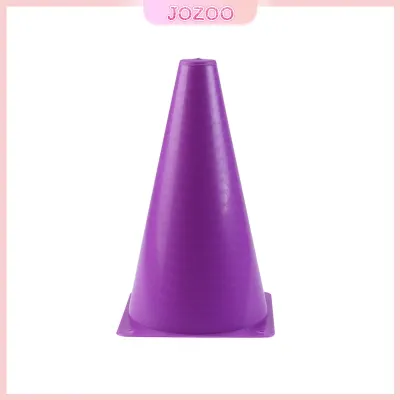
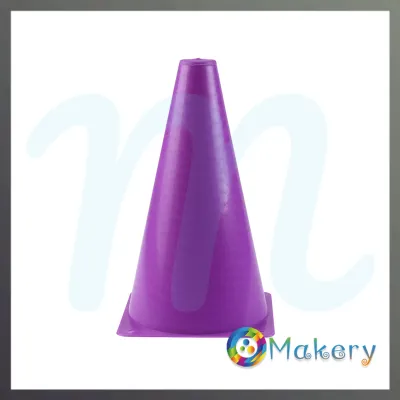
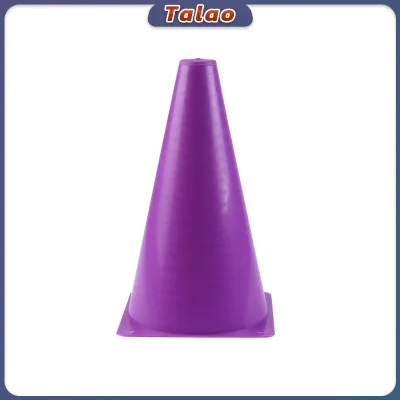
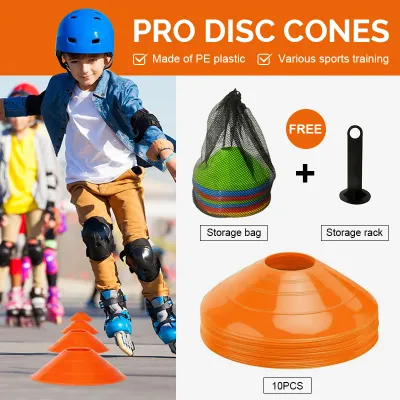
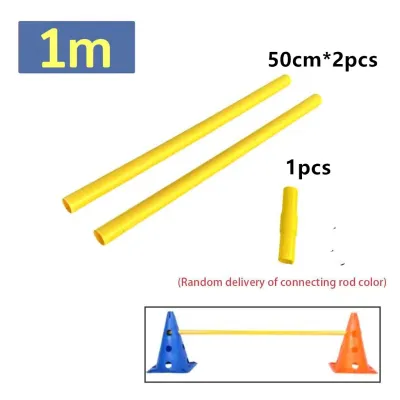
Prices are valid at publication and may change. Please refer to the product page for the latest price.
In contrast, rigid plastic cones made from cheap PVC or non-flexible polymers pose a serious hazard on the pitch. Under pressure, these stiff materials can crack, shatter, or slide unpredictably, creating sharp plastic shards that can puncture skin or damage artificial turf fibers. Always check the product specifications to confirm the material is flexible LDPE rather than rigid plastic before making a purchase.
For coaches and players in the Philippines, weather resistance is another non-negotiable material requirement. High UV exposure from the intense tropical sun quickly degrades low-quality plastics, causing them to fade, turn brittle, and crack within a few weeks of outdoor use. Look for cones explicitly treated with UV stabilizers to ensure they retain their bright color and structural integrity despite prolonged exposure to heat.
Additionally, consider the wall thickness of the plastic. Thick-walled cones offer superior weight and durability, making them ideal for windy outdoor sessions where lighter markers would easily blow away. Thin-walled options, while less wind-resistant, are incredibly lightweight and easy to carry in bulk for quick agility setups or personal training sessions where carrying weight is a primary concern.
Height and Color: Optimizing Visibility for Specific Drills
Cones are not one-size-fits-all; their physical dimensions directly dictate the types of football drills they can support. Standard training cones generally fall into three distinct height categories, each serving a specific purpose on the pitch:

- Low-profile disc cones (2 inches high): These flat, saucer-like markers are the ultimate tool for high-speed footwork, agility ladders, and rapid dribbling patterns. Because of their low height, they do not obstruct the ball's path if a player makes a minor mistake, allowing drills to continue without interruption.
- Mid-height cones (6 to 9 inches high): These are the most versatile markers for everyday training. They are tall enough to clearly define dribbling boundaries, passing gates, and small-sided game perimeters, yet compact enough to transport easily.
- Tall cones (12 inches and above): These large markers are best reserved for tactical drills, goalkeeper training, marking out large field zones, or acting as temporary goalposts. Their height makes them highly visible from across the entire pitch, helping players maintain spatial awareness during full-field exercises.
Color selection is equally critical for maintaining high visibility across different playing surfaces. High-visibility neon shades—specifically neon yellow, bright orange, and vibrant pink—provide the best contrast against both natural green grass and the darker green shades of artificial turf. White cones are useful but can easily blend into boundary lines or bright sunlight reflection on wet turf.
Investing in multi-color packs is highly recommended for coaches managing structured team sessions. Using distinct colors allows you to set up complex, multi-stage drills on a single patch of grass. For example, you can use yellow cones to mark a dribbling pathway, orange cones for passing gates, and blue cones to define defensive zones, allowing players to navigate complex instructions visually without confusion.
Base Design and Portability: Stability and Storage
A cone’s base design determines how well it stays in place during windy conditions and how easy it is to pack up after a tiring training session. When training outdoors on windy afternoons or open fields, lightweight cones can easily drift out of position, disrupting the flow of your drills.
To combat this, look for cones with a low center of gravity or a wide, stable base. Some heavy-duty tall cones feature hollow bases that can be filled with sand or water to keep them anchored, while others utilize a weighted square base made of dense rubber. For standard disc cones, a slightly wider base diameter helps distribute the weight evenly, preventing them from tipping over when brushed by a passing football or a gust of wind.
Stackability is another practical feature that is often overlooked until you are packing up in a hurry. In humid tropical environments, plastic surfaces can stick together due to moisture and suction. High-quality cones feature anti-jamming designs, such as raised internal ridges or perforated holes, which allow air to flow between the stacked cones. This prevents them from locking together tightly, ensuring you can pull them apart effortlessly even after they have been stored in a damp gear bag.
Portability accessories are essential for keeping your training gear organized. For small sets of 10 to 20 disc cones, a simple mesh carrying bag is usually sufficient, allowing wet cones to air-dry and preventing mold growth. For larger coaching setups involving 50 or more cones, a rigid plastic or metal dispenser rack with a central carrying handle is indispensable. This rack keeps the cones neatly stacked, prevents them from warping under pressure, and makes it easy to distribute and collect them across the pitch.
Minor Specs: What You Can Safely Ignore
When shopping for football training equipment, it is easy to get distracted by marketing gimmicks that drive up costs without adding real value to your practice sessions.
Avoid overly complex multi-part designs, such as cones with detachable bases or built-in clips for holding training poles. While these features might seem convenient, they introduce weak points that are prone to snapping when stepped on or tossed into a gear bag. A simple, single-piece molded plastic cone is always more durable and reliable in the long run.
Similarly, ignore minor weight differences or premium branding. A plastic cone’s primary job is to be visible and durable; paying a premium price just for a famous sports brand logo or a marginal weight reduction does not improve its performance on the field. Focus instead on the quality of the plastic and the flexibility of the structure.
Lastly, do not worry about official regulatory compliance markings. Unless you are purchasing equipment specifically for official professional match refereeing, standard practice cones do not need to meet strict international tournament specifications. Simple, unbranded, high-quality flexible cones are more than sufficient for developing elite-level skills.
Frequently Asked Questions (FAQ)
Can I use the same plastic cones for both indoor and outdoor football training?
Yes, most flexible plastic cones are highly versatile and can be used across multiple playing surfaces. However, standard lightweight plastic discs can slide easily on polished wooden or synthetic indoor court surfaces, creating a slipping hazard for players. If you frequently train indoors on hard futsal courts, look for cones that feature non-slip rubberized bases or extremely low profiles to ensure they stay firmly in place when stepped on or brushed by a player’s foot.
How do I prevent stacked plastic cones from getting stuck together?
To prevent stacked cones from fusing together, always ensure they are completely dry before stacking and storing them. Storing wet cones in a humid environment creates a vacuum seal and encourages mold growth. Choosing cones designed with anti-jamming holes or internal ridges helps maintain airflow between the layers. Additionally, avoid placing heavy training equipment, such as weighted balls or hurdles, on top of your stacked cones during long-term storage, as this pressure can warp the plastic and lock them together permanently.

Community discussion
Share your experience or ask a question. Comments are reviewed before publication.