
Securing a tent tarp, locally known as a trapal, during a sudden tropical downpour or a windy afternoon on a mountain ridge requires more than just tying knots to flimsy grommets. A reliable trapal clip lock provides an adjustable, high-grip anchor point anywhere along the edge of your tarp, allowing you to distribute tension evenly and prevent water pooling. Whether you are pitching a shelter on the breezy slopes of Mount Pulag or setting up a beachside camp in Anawangin Cove, choosing the right clip lock depends on matching the clamp design to your tarp’s thickness, verifying its resistance to intense tropical UV rays, and understanding how to balance tension across your entire shelter system.
Understanding Tarp Tension and Clip Lock Mechanics
Traditional grommets are fixed points that often tear under high wind loads because the stress is concentrated on a tiny metal ring. Trapal clip locks, by contrast, distribute the pulling force across a wider surface area of the fabric. They use a mechanical clamping action—often utilizing a sliding wedge, a screw-down dial, or a spring-loaded jaw—to pinch the tarp material securely. This allows you to create custom tie-out points wherever you need them, optimizing the angle of your guy lines to shed wind and rain effectively.
Tension is the lifeblood of any tarp shelter. In the Philippines, where sudden afternoon rain showers are common, a loose tarp quickly turns into a water collector. When water pools in the sagging sections of a tarp, the weight increases exponentially, putting immense strain on your poles, stakes, and tie-outs. Proper tension, maintained by strategically placed clip locks, ensures that water runs off immediately, keeping your campsite dry and preventing structural collapse.
Products mentioned in this guide
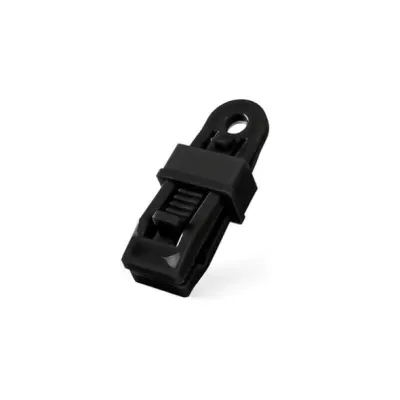
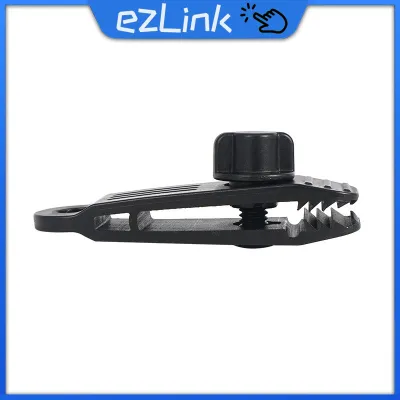
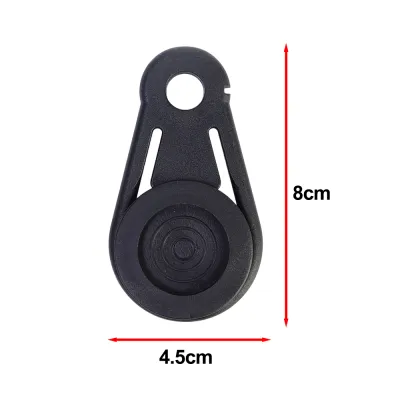
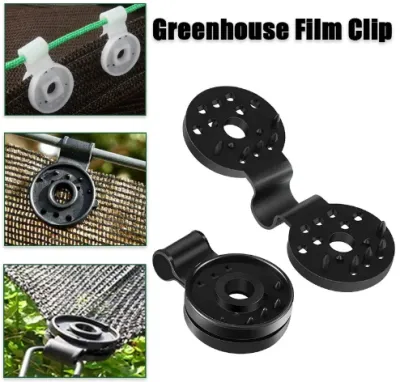
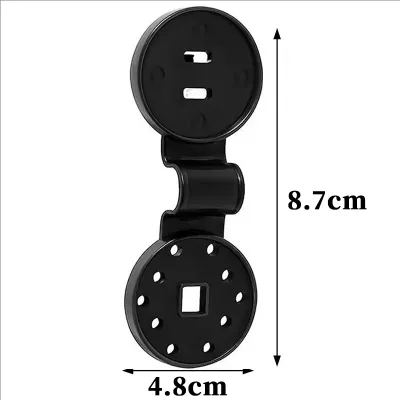
Prices are valid at publication and may change. Please refer to the product page for the latest price.
The mechanical advantage of a clip lock lies in its grip-to-tension ratio. Most high-quality clips are designed so that the harder the guy line pulls on the clip, the tighter the jaws clamp down on the tarp fabric. This self-tightening mechanism is crucial when facing unpredictable gusts on open ridges or coastal campsites. Understanding this relationship helps you position your clips so that the direction of the wind pull actually reinforces the grip rather than sliding the clip off the edge.
Evaluating Durability for Tropical Weather Conditions
The Philippine climate presents unique challenges for outdoor gear, characterized by intense solar radiation, high humidity, and salty coastal air. When evaluating trapal clip locks, UV resistance is your primary defense against material degradation. Standard plastics can become brittle and crack after only a few weekend trips under the scorching tropical sun. Look for clip locks explicitly made from UV-stabilized polymers, such as heavy-duty nylon or polycarbonate, which retain their flexibility and strength even after prolonged exposure to direct sunlight.

Humidity and moisture are constant companions in local rainforests and coastal areas. If a clip lock incorporates metal components, such as springs, pins, or screws, these parts must be highly resistant to rust. Standard steel hardware will quickly corrode in humid environments, leading to seized mechanisms or rust stains on your clean tarp. Verify that any metal parts are made of marine-grade stainless steel or rust-proof brass. If the manufacturer does not specify the metal grade, treat it as a potential point of failure and opt for all-plastic designs with robust mechanical hinges instead.
Wet and muddy conditions also test the physical grip of your clip locks. During heavy downpours, the surface of a polyethylene or canvas trapal becomes slick, reducing friction. A smooth-jawed clip will easily slide off under tension when wet. To counter this, inspect the jaw design of the clip lock before purchasing. Look for pronounced, interlocking teeth or ridged patterns that can bite into the tarp material without puncturing it. The jaws should provide a firm, uniform grip that resists sliding even when the tarp is coated in rainwater or morning dew.
Matching Clip Lock Designs to Your Tarp Configuration
Not all clip locks are created equal, and matching the right design to your specific shelter setup is essential for a secure pitch. The three most common designs are jaw-style clamps, sliding-lock tensioners, and screw-down dial clips. Jaw-style clamps use a spring or a lever to snap shut, making them fast to deploy but sometimes limited in their maximum grip strength. Sliding-lock tensioners utilize a wedge that slides forward as tension increases, offering a highly secure grip that is ideal for thicker, heavy-duty tarps. Screw-down dial clips allow you to manually adjust the clamping pressure, making them a versatile option for varying fabric thicknesses.
Consider the thickness and weave of your tarp material. If you are using a lightweight silnylon or silpoly backpacking tarp, a clip with aggressive, sharp teeth can easily puncture or tear the delicate fabric. For these thin materials, look for clip locks with flat, rubberized, or smooth-ridged jaws that distribute pressure gently. Conversely, if you are securing a thick, heavy-duty blue-and-yellow polyethylene trapal commonly found in local hardware stores, you will need a heavy-duty sliding wedge or screw-down clip with wide jaws that can accommodate the bulky, folded edges of the material.
Your choice of attachment points also dictates which clip lock is best. Some clips feature a simple eyelet, while others have an integrated hook or a quick-release loop. Ensure the eyelet on the clip lock is large enough to accommodate your preferred tie-out lines, whether you use 550 paracord, reflective guy lines, or elastic bungee cords. Bungee cords are particularly useful in high-wind areas because they act as shock absorbers, reducing the peak force transferred to the clip lock and preventing the tarp from tearing at the anchor points.
Building a Complete Tarp Securing Kit
A trapal clip lock is only as reliable as the supporting hardware in your shelter system. To build a resilient tarp kit for Philippine camping, you must pair your clips with high-quality guy lines, tensioners, and stakes. Opt for lightweight, non-stretch polyester or nylon utility cords that do not sag when wet. Reflective tracers woven into the cord are highly recommended to prevent tripping hazards around your campsite during dark, rainy nights.
Stakes are another critical component, especially when pitching on different types of terrain. The soft, muddy soil of a tropical rainforest requires wide, Y-beam or scoop-style aluminum stakes that bite deep into the ground. If you are camping on a sandy beach, you will need longer, wider sand stakes to prevent the wind from pulling your tie-outs loose. Carry a mix of stakes and a few lightweight carabiners to quickly connect your clip locks to your guy lines without needing to tie and untie complex knots in the rain.
To determine how many clip locks to pack, calculate the perimeter of your tarp and consider the expected weather conditions. For a standard 3×3 meter tarp in mild weather, four corner tie-outs and two ridge-line points are usually sufficient. However, if you anticipate stormy weather or are pitching an asymmetrical shelter, carrying an extra four to six clip locks allows you to create custom storm flaps, water-shedding runoffs, or additional windbreaks. Organizing these components into a dedicated, waterproof gear pouch ensures that you can deploy your shelter rapidly when a sudden tropical storm approaches.
Proper Installation and Field Maintenance
Correct installation is key to maximizing the lifespan of both your clip locks and your tarp. When attaching a clip, avoid placing it directly over a seam or a heavily worn section of the fabric, as these areas are already structurally compromised. If you are using a thin tarp, fold the edge over once or twice to create a thicker, multi-layered anchor point before clamping the clip down. This simple trick increases friction and prevents the clip from slipping or tearing through a single layer of fabric.
Once the clips are secured, adjust your guy lines to achieve a taut, even pitch. Avoid over-tensioning a single corner, which can distort the shape of the tarp and place excessive stress on one clip. Instead, work in a diagonal pattern—tightening opposite corners progressively—until the entire surface is smooth and free of wrinkles. Throughout your camping trip, periodically check the tension of your lines, especially after heavy rain or significant temperature drops, as nylon tarps tend to stretch when wet.
After returning from your trip, proper maintenance will prevent your gear from degrading before your next adventure. Tropical mud, sand, and salt spray can easily clog the moving parts of your clip locks, leading to jammed hinges or reduced grip strength. Rinse your clips thoroughly in clean, fresh water to remove all debris and salt residue. Allow them to air dry completely in a shaded area before storing them in your gear bin. Inspect each clip for micro-cracks, stress whitening, or bent jaws, and replace any damaged units immediately to ensure your shelter kit remains dependable.
Frequently Asked Questions (FAQ)
Can trapal clip locks damage thin tarp materials?
Yes, aggressive clip locks with sharp teeth can puncture or tear thin fabrics like silnylon or lightweight polyester under high tension. To prevent damage, fold the edge of the tarp to create a double-layered clamping surface, or place a small piece of rubber, silicone, or duct tape between the clip jaws and the fabric to act as a protective cushion.
How do I prevent clip locks from slipping in heavy rain?
Slipping usually occurs when water reduces friction between the clip jaws and the slick tarp surface. Ensure the jaws are clean and free of mud before clamping. Using a screw-down or sliding-wedge clip design provides a tighter mechanical lock than simple spring clamps. Additionally, setting up shock-absorbing bungee loops helps absorb sudden wind gusts, reducing the peak pulling force that causes slipping.
Are metal or plastic clip locks better for coastal camping?
High-quality, UV-stabilized plastic clip locks are generally superior for coastal camping because they are completely immune to saltwater corrosion. Metal clips, or plastic clips with low-grade metal springs, will rust rapidly when exposed to salty sea breezes. If you must use clips with metal components, verify they are made of marine-grade stainless steel and rinse them thoroughly with fresh water after every trip.

Community discussion
Share your experience or ask a question. Comments are reviewed before publication.