
Tilapia are highly adaptable, omnivorous feeders, making them one of the most popular targets for freshwater anglers across the Philippines. To catch them consistently, you need to match your bait to their natural foraging habits, water conditions, and the specific environment you are fishing. While commercial feed pellets, live earthworms, and homemade dough baits are all highly effective, the right choice depends on whether you are fishing in a stocked pond, a slow-moving river, or a large volcanic lake. Understanding how these fish interact with their environment is the first step toward a successful day on the water.
Understanding Tilapia Feeding Behavior
Tilapia are opportunistic feeders that consume a wide variety of organic material, including algae, aquatic plants, small invertebrates, and organic detritus. Because they are warm-water fish, their metabolic rate is highly dependent on water temperature. In the tropical climate of the Philippines, where water temperatures remain relatively warm year-round, tilapia maintain a high metabolic rate and feed frequently. However, during the hottest hours of the afternoon or during sudden heavy downpours that cool the surface water, their feeding depth and activity levels can shift dramatically.
These fish rely on a combination of sight and smell to locate food. In clear water, visual cues are paramount, and tilapia will readily strike at moving baits or brightly colored pellets. In murky or sediment-heavy waters, which are common in local rivers and agricultural ponds after a heavy rain, their olfactory senses take over. In these conditions, baits with strong, water-soluble scents are far more effective at drawing fish from a distance.
Products mentioned in this guide
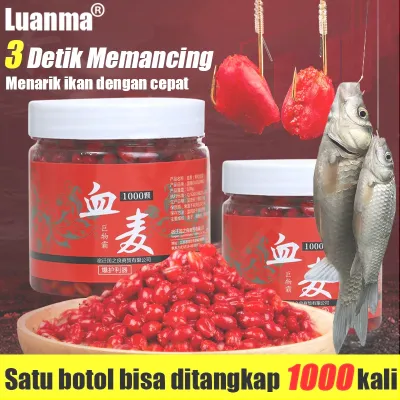
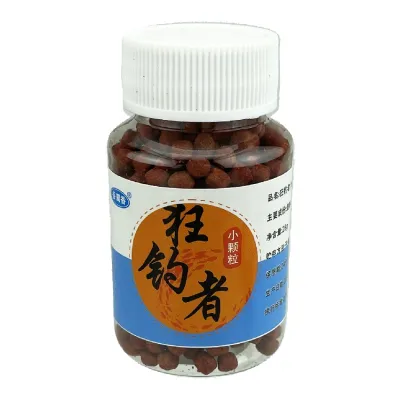
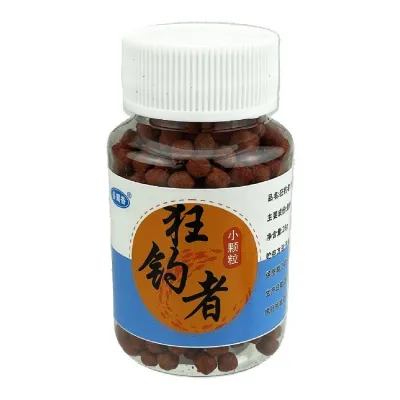
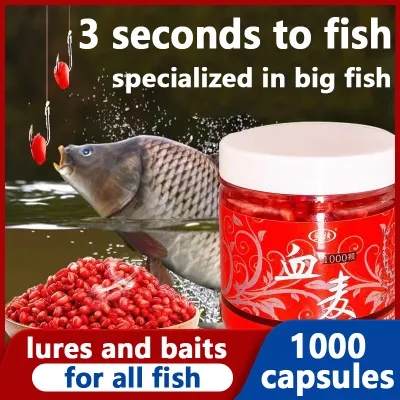
Prices are valid at publication and may change. Please refer to the product page for the latest price.
Daily feeding patterns also dictate your success. Tilapia are typically most active during the early morning and late afternoon when light levels are low and water temperatures are comfortable. During these peak hours, they often move to shallower margins or near aquatic vegetation to feed. Understanding these daily cycles allows you to present your bait at the right depth and location, maximizing your chances of a successful hookup.
Evaluating Commercial Pellets and Processed Baits
Commercial fish feed pellets are incredibly effective for tilapia, especially in managed ponds and aquaculture areas where the fish are already conditioned to eat them. When selecting commercial baits, the first decision is choosing between floating and sinking varieties. Floating pellets are excellent for surface fishing, allowing you to watch the strike happen in real-time, which is highly effective in calm, shallow waters. Sinking pellets, on the other hand, are better suited for deeper areas, riverbeds, or when wind and surface currents make surface presentation difficult.

When purchasing processed baits or feed pellets from local agricultural supply stores, it is important to check the ingredient profile on the packaging. Look for pellets with a high crude protein content, as this mimics the nutrient-dense food sources tilapia naturally seek. Binding agents are also crucial; high-quality pellets should remain intact long enough to attract fish without dissolving into mush the moment they hit the water. Some specialized fishing pellets also include added amino acids or fruit-based attractants to stimulate feeding.
The high humidity of the Philippine climate presents a unique challenge for storing commercial baits. Moisture can quickly ruin a bag of pellets, leading to mold growth and a loss of structural integrity. To prevent this, store your baits in airtight plastic containers or resealable bags, and keep them in a cool, dry place away from direct sunlight. When on the water, only take out what you plan to use for the day to keep the bulk of your supply fresh and dry.
Using Natural and Live Bait Options
Natural baits are highly reliable because they mimic the organisms tilapia encounter daily in their natural habitats. Earthworms, locally known as bulate, are arguably the most versatile and effective live bait available. Other excellent options include small freshwater shrimp, crickets, and various insect larvae found along the water’s edge. These baits appeal directly to the predatory instincts of larger tilapia, which tend to consume more animal protein than smaller individuals.
The presentation of live bait is critical to its success. When hooking an earthworm, thread it onto the hook in a way that leaves the ends free to wiggle and move naturally in the water. For small shrimp or insects, use a fine-wire hook and pass it carefully through the thorax or tail to keep the bait alive and active for as long as possible. A lifeless, stiff bait is far less attractive to a cautious tilapia than one that is actively moving.
While live bait is highly effective, anglers must remain aware of local regulations and ethical considerations. Some managed reservoirs, private fishing ponds, or protected conservation areas in the Philippines may restrict the use of certain live baits to prevent the introduction of invasive species or to maintain water quality. Always verify the local rules of the specific body of water you are visiting before casting your line, and never release unused live bait into the water at the end of your trip.
Preparing Homemade and DIY Bait Mixtures
For many local anglers, crafting homemade dough baits is both a cost-effective and highly rewarding approach. The foundation of a good DIY bait starts with a reliable binder and bulk ingredient. Fine rice bran, locally known as darak, is a staple base that provides an excellent texture and a subtle, grainy scent that tilapia love. Mixing this with ordinary wheat flour, cornstarch, or even mashed sweet potato, which is locally called kamote, creates a pliable dough that holds together well on a hook.
To make your homemade mixture truly irresistible, you need to incorporate strong scent enhancers. Fermented fish paste, or bagoong, is an outstanding local additive that releases a powerful, savory scent trail in the water. Other effective enhancers include powdered shrimp, vanilla extract, or even condensed milk, as tilapia are known to have a sweet tooth. These ingredients should be thoroughly kneaded into the dough base until the scent is evenly distributed.
Achieving the correct consistency is the final, crucial step in DIY bait preparation. If the dough is too dry, it will crumble and fall off the hook during the cast; if it is too wet, it will dissolve almost instantly upon hitting the water. Aim for a consistency similar to modeling clay—firm enough to stay on the hook through a long cast, yet soft enough to allow the hook to easily penetrate when a fish bites. You can adjust the moisture levels on-site by adding small amounts of water from the fishing spot or a little extra flour as needed.
Matching Bait to Local Fishing Conditions
Adapting your bait selection to the specific water conditions you face is the key to consistent success. In moving water, such as rivers or irrigation canals, lightweight floating baits will quickly drift away from your target zone. In these environments, a weighted rig with a firm, slow-dissolving dough bait or a hardy earthworm anchored near the bottom is much more effective. In contrast, still waters like lakes and ponds allow for delicate presentations, such as a floating pellet or a lightly suspended live bait under a small bobber.
Weather and light conditions should also influence your strategy. On bright, sunny days, tilapia often retreat to deeper, cooler water or seek shade under overhanging trees, water hyacinths, or floating structures. During these times, sinking baits fished close to cover are your best bet. On overcast days or during the cooler early morning hours, tilapia are more likely to roam the shallows and feed near the surface, making floating pellets or shallow-running natural baits highly effective.
A successful angler is always observant and ready to adapt. If you have been fishing with a specific bait for an hour without a single strike, do not hesitate to change your approach. Switch from a sweet dough bait to a savory one, or transition from a surface presentation to a bottom-rigged earthworm. Pay close attention to the water’s surface; if you see fish breaking the water or feeding on algae near the margins, adjust your depth and bait type to match that active zone immediately.
Frequently Asked Questions (FAQ)
Is bread an effective bait for tilapia?
Yes, ordinary white bread is a highly accessible and effective bait for tilapia, particularly those in urban ponds or parks where fish are accustomed to human feeding. When compressed tightly onto a hook, a small piece of bread can mimic a floating pellet or a piece of natural vegetation. However, bread dissolves very quickly in water and is easily stolen by smaller, non-target fish, requiring frequent rebaiting and careful casting.
Do tilapia prefer strong-smelling baits?
Tilapia have a highly developed sense of smell and are strongly attracted to pungent baits, especially in murky or deep waters where visibility is low. Scents like fermented fish paste, shrimp powder, and sweet anise are highly effective at drawing them in. However, in very clear water, overly strong or chemical scents can sometimes spook cautious, larger fish, so a more natural, visual presentation is often preferred in pristine conditions.

Community discussion
Share your experience or ask a question. Comments are reviewed before publication.