
Finding the best canopy tent for beach camping and outdoor events in the Philippines requires balancing three distinct environmental challenges: intense tropical sun, high humidity, and unpredictable coastal winds. There is no single universal canopy that excels in every scenario. Instead, the ideal choice depends on where you plan to pitch it—whether you need a wind-resistant, low-profile shelter for the sandy shores of Zambales, a heavy-duty straight-leg canopy for a backyard family gathering in Manila, or a highly portable, rust-resistant aluminum model for a humid forest campsite in Tanay. By understanding your primary environment and verifying key manufacturing specifications, you can select a shelter that keeps you safe, dry, and cool.
To make an informed purchase, you must look beyond aesthetic designs and marketing claims. A canopy tent is a structural investment that must withstand sudden localized thunderstorms, salty air, and intense UV exposure. Evaluating frame materials, fabric ratings, and structural designs against your typical transport methods and activities will ensure you choose a durable model that fits your outdoor lifestyle.
Identifying Your Core Needs for Philippine Outdoor Scenes
The diverse geography of the Philippines means outdoor activities can range from beach camping on exposed, windy coastlines to hiking in dense, humid highland forests. Each of these environments places unique demands on a temporary shelter. On sunny coastlines like those in Batangas or La Union, a canopy must contend with continuous sea breezes and loose, shifting sand. In these locations, wind resistance and robust anchoring are far more critical than absolute water resistance.
Products mentioned in this guide
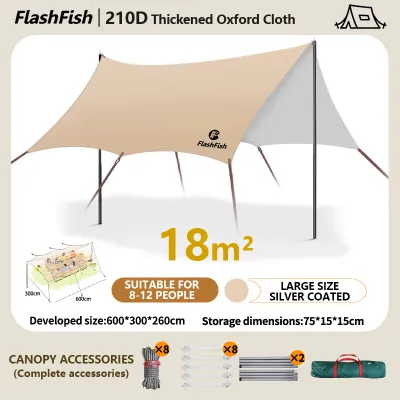
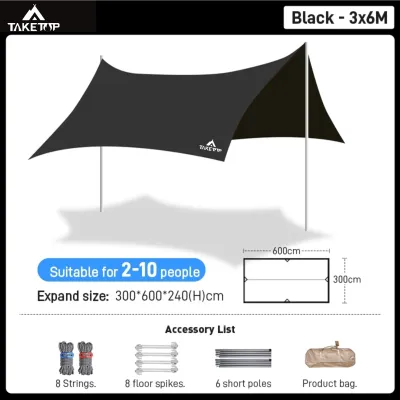
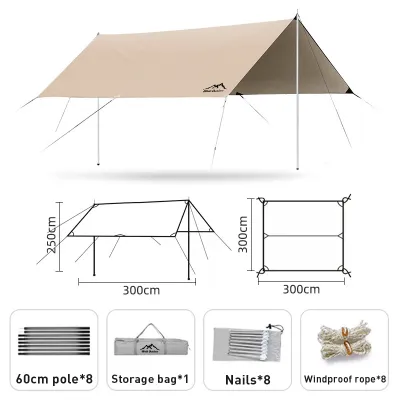
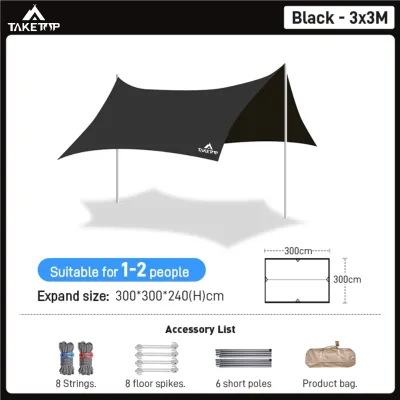
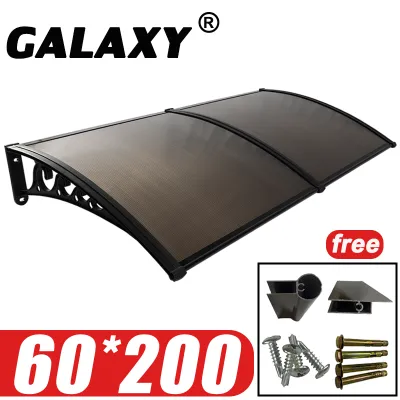
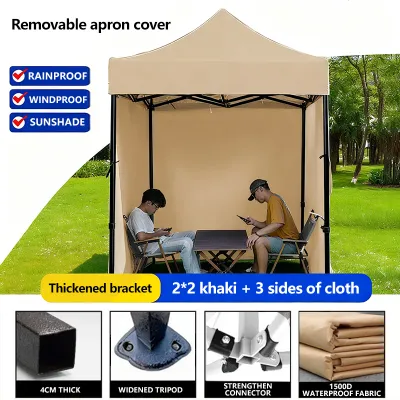
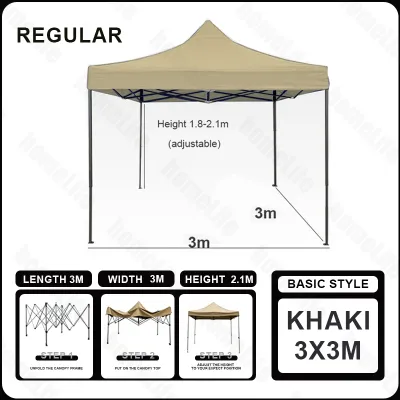
Prices are valid at publication and may change. Please refer to the product page for the latest price.
Inland campgrounds, such as those tucked into the Sierra Madre mountain range in Rizal, present a completely different set of conditions. These areas often experience high humidity, damp soil, and sudden, heavy afternoon downpours, colloquially known as localized thunderstorms. Here, a canopy must feature reliable water-shedding capabilities and a frame that resists moisture-induced degradation. Meanwhile, urban backyards and paved event spaces offer stable, level ground but require maximum shade footprint to protect guests and food from direct, overhead sunlight.
Before browsing online marketplaces or local outdoor shops, define your non-negotiable priorities. If you frequently travel with a large family or host community gatherings, maximizing usable shaded space is your primary goal. If you prefer solo or couple camping trips where vehicle space is limited, lightweight portability and rapid, single-person setup become your top requirements. Acknowledging these trade-offs early prevents the frustration of bringing a heavy, cumbersome event tent to a remote beach, or finding a lightweight beach shelter completely inadequate for a backyard buffet.
Essential Specs to Check Before Buying a Canopy Tent
Frame Materials and Wind Stability
When evaluating a canopy tent’s structural integrity, the frame material is your first major decision point. Most commercial canopy frames are constructed from either steel or aluminum, and each material presents distinct trade-offs in weight, durability, and environmental resistance.

Steel frames are highly favored for their weight and rigidity. A heavy steel frame provides excellent natural stability against moderate winds, making it a reliable choice for stationary backyard events or beach setups where you can park close to the pitch site. However, steel is highly susceptible to rust, especially when exposed to salty coastal air and tropical humidity. If you opt for a steel frame, verify that the manufacturer specifies a high-quality powder-coated or rust-resistant finish. Additionally, steel frames are significantly heavier, which can complicate transport if you rely on public transit, tricycles, or small sedan trunks.
Aluminum frames offer a lightweight, highly portable alternative that naturally resists rust and corrosion, making them ideal for coastal environments. The trade-off is that aluminum is more flexible than steel. Under extreme lateral wind loads, an aluminum frame can bend or warp if it is not properly anchored and tethered.
Beyond the metal itself, inspect the joint construction and bracket systems. Avoid frames that utilize thin, brittle plastic joints at the stress points, as these are prone to cracking under wind tension. Look for heavy-duty nylon composite or metal brackets. Examine the truss design as well; cross-truss structures provide superior load distribution and stability compared to single-bar designs. Finally, check the locking mechanisms—models with pull-pin sliders or push-button releases are generally safer and easier to operate than older, pinch-prone metal buttons.
Fabric Quality and Sun Protection
The fabric of your canopy tent is your primary shield against the elements, and its performance depends entirely on material specifications rather than generic marketing descriptions. Most outdoor canopies use polyester or nylon fabrics, which are rated by denier (D)—a measure of fiber thickness. A higher denier rating, such as 150D, 300D, or 500D, indicates a thicker, more durable fabric that is less likely to tear under wind stress or degrade from prolonged sun exposure.
For sun protection, do not rely on vague “sun-blocking” claims. Look for an explicitly stated Ultraviolet Protection Factor (UPF) rating on the product label. A rating of UPF 50+ is the gold standard for outdoor shelters, indicating that the fabric blocks approximately 98% of harmful UV radiation. Some fabrics feature a silver or polyurethane (PU) undercoating, which helps reflect heat and lower the temperature underneath the canopy during scorching midday hours.
To ensure protection against sudden tropical downpours, verify the fabric’s water-resistance specifications. Look for a polyurethane (PU) coating rating, often measured as a hydrostatic head rating in millimeters (e.g., 1000mm to 1500mm). A higher rating indicates better resistance to water penetration. Additionally, check if the seams on the underside of the canopy are heat-taped or sealed; unsealed seams will allow water to drip through the stitching during heavy rain.
Roof venting is another critical fabric feature. A canopy with a built-in wind vent or a double-tiered roof allows rising hot air to escape, keeping the shaded area significantly cooler. More importantly, these vents act as a release valve for wind gusts, reducing the upward lift force on the canopy and preventing it from acting like a giant kite.
Matching Canopy Designs to Your Specific Activity
Beach Trips and Coastal Camping
Coastal environments demand aerodynamic stability and specialized anchoring. Slant-leg pop-up canopies are highly recommended for beach use. Because the legs flare outward at an angle, they create a wider base that lowers the center of gravity, making the structure naturally more stable against sudden coastal gusts.
However, you must consider the design trade-off: a slant-leg canopy has a smaller top fabric area than its ground footprint. For example, a 10×10-foot slant-leg frame typically features an 8×8-foot fabric top, reducing your actual overhead shade to approximately 64 square feet. If you require maximum shade, you may need to size up or look for specialized low-profile beach shelters that sit closer to the ground to minimize wind resistance.
Standard metal stakes are virtually useless in loose, dry sand. When planning a beach trip, verify that your canopy supports sand-specific anchoring. Look for models that include built-in sand pockets at the base of each leg, which you can fill on-site to act as weights. Alternatively, invest in heavy-duty sand augers or spiral stakes that screw deep into the sand to provide a secure hold.
Family Gatherings and Day Events
For backyard celebrations, reunions, or community events, maximizing usable space and headroom is the priority. Straight-leg canopies are the ideal design for these scenarios. The legs go straight down, meaning a 10×10-foot canopy provides a full 100 square feet of true overhead shade. This allows you to place tables, chairs, and food stations right up to the edge of the shelter without hitting sloping legs or losing headroom.
For added versatility, look for modular straight-leg designs that allow you to attach sidewalls. Sidewalls are incredibly useful for blocking low-angle afternoon sun, providing wind protection, or shielding guests from light, side-drifting drizzle. Since these events typically allow you to transport the canopy directly to the setup site via car or van, the heavier weight of a sturdy steel frame is a worthwhile trade-off for the added stability and durability.
Weekend Campsites and Picnics
For general camping and park picnics, versatility, ease of setup, and compact packing are key. A mid-sized, straight-leg aluminum canopy strikes the perfect balance. It is light enough to carry from your vehicle to the campsite and provides ample room to serve as a central kitchen shelter or communal dining area.
When packing for a weekend trip, vehicle storage space is always at a premium alongside sleeping bags, coolers, and personal gear. Carefully check the folded dimensions of the canopy to ensure it fits comfortably in your vehicle’s trunk or cargo area. Look for models that include a durable, wheeled carry bag with sturdy handles, which makes transporting the canopy across grassy parks or gravel pathways significantly easier.
Setup Tips and Safety Boundaries for Coastal and Campsite Use
Proper deployment and maintenance are essential to ensure your canopy tent remains stable and lasts for years. Even on a seemingly calm day, sudden wind gusts can occur, making proper anchoring mandatory from the moment you set up the shelter.
Always use supplemental weights. Never rely solely on standard ground stakes. On hard soil, grass, or sand, secure all four legs with dedicated canopy weight plates, heavy-duty sandbags, or large water jugs filled to capacity. For a standard 10×10-foot canopy, aim for a minimum of 10 to 15 kilograms of weight per leg to prevent lifting.
Deploy and tension the guylines correctly. Guylines should extend outward from the upper corners of the canopy frame at approximately a 45-degree angle and be anchored securely to the ground using heavy-duty stakes. Ensure the tension is balanced across all four corners; uneven tension can distort the frame and weaken its structural integrity.
Know when to take it down. Canopy tents are temporary sunshades and light rain shelters; they are not engineered to withstand severe weather. If you experience high winds, heavy thunderstorms, or lightning, you must immediately lower the canopy to its lowest height setting or collapse it entirely. Leaving a canopy open during a storm risks destroying the frame, tearing the fabric, and creating a dangerous projectile hazard. Equipment cannot replace personal situational awareness and safety training.
Perform regular post-use maintenance. Tropical humidity and salty coastal air are highly corrosive. After every trip, shake out all sand, dirt, and debris from the fabric and frame. Wipe down the metal frame with a damp cloth to remove salt residue, and allow it to dry completely in a shaded, well-ventilated area before folding. Storing a damp canopy will inevitably lead to mold, mildew, and fabric rot, which can permanently ruin the waterproof coatings and weaken the material.
Frequently Asked Questions (FAQ)
Can I use a standard dome tent instead of a canopy for beach shade?
While a standard dome camping tent provides shelter, it is poorly suited for daytime beach shade. Dome tents are designed to trap heat and protect against cold night air; without a continuous breeze, the interior can quickly become uncomfortably hot under the intense tropical sun. They also lack the headroom and open-air ventilation required for comfortable socializing, dining, or supervising activities. A dedicated canopy or open-sided beach shelter provides superior airflow and a much larger, more usable shaded footprint.
How do I anchor a canopy on soft sand if it did not come with sandbags?
If you find yourself on a sandy beach without specialized sand anchors or commercial sandbags, you can easily improvise. Take heavy-duty stuff sacks, canvas bags, or durable trash bags and fill them with wet sand from the shoreline, which is much heavier than dry sand. Securely tie these improvised weights to the lower joints or legs of the canopy using strong utility cord or webbing. Avoid relying on standard thin metal pegs or buried sticks, as they will easily pull loose under wind tension, creating a severe safety hazard for you and other beachgoers.

Community discussion
Share your experience or ask a question. Comments are reviewed before publication.