
The ideal canopy tent for your camping trip depends on matching your specific outdoor scenario with the right balance of capacity, weather readiness, and transportability. Rather than relying on a single universal recommendation, selecting the right shelter requires evaluating the critical dimensions and structural features necessary for a comfortable and safe experience in the tropical climate of the Philippines. From sudden afternoon downpours to intense coastal sun, your choice of canopy must be durable enough to withstand local weather shifts while remaining manageable to transport and assemble.
Because camping environments in the Philippines vary from windy beach shores to humid mountain forests, a canopy tent serves as your primary communal hub. It protects your kitchen setup, shields your dining area, and provides a dry space to gather when rain showers pass through. Understanding how to read manufacturer specifications and structural designs will ensure you invest in a shelter that keeps your group protected without causing unnecessary frustration during setup or transport.
Determine the Right Size and Shape for Your Group
Evaluating your group size and primary campsite activities is the first step in choosing a canopy tent. If you plan to use the canopy solely as a shade cover for a couple of cooler boxes and a small table, a compact footprint may suffice. However, for larger family gatherings where the canopy serves as a communal dining hall or a centralized gear storage zone, you will need to calculate the required square footage carefully to ensure everyone fits comfortably.
Products mentioned in this guide
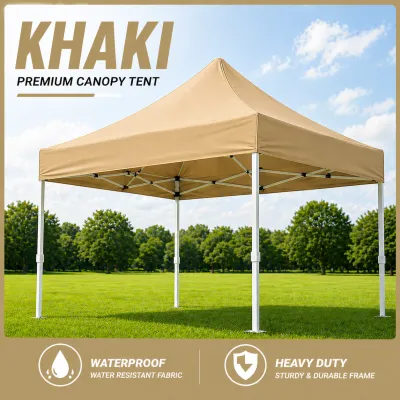
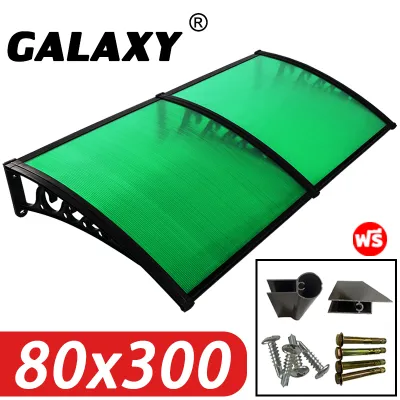
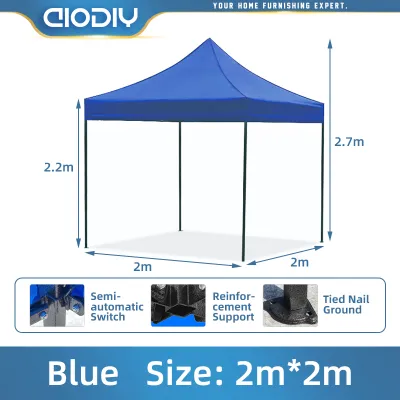
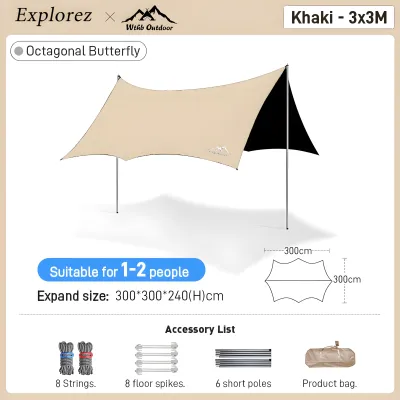
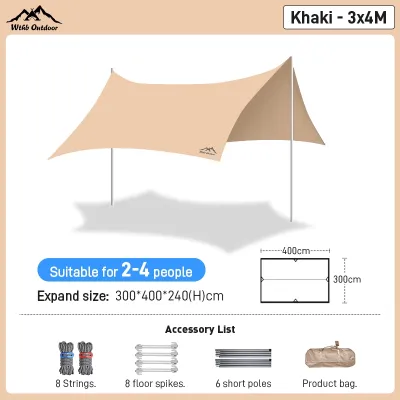
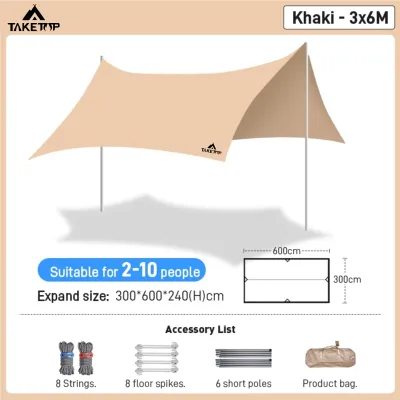
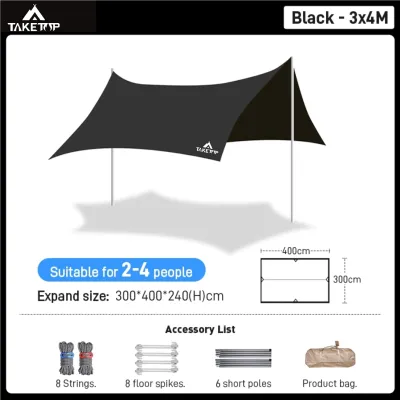
Prices are valid at publication and may change. Please refer to the product page for the latest price.
Frame shape plays a massive role in the actual usable shade your canopy provides. Standard canopy tents generally fall into two categories: straight-leg and slant-leg designs. A straight-leg canopy features vertical legs, meaning a 10×10-foot frame provides a full 100 square feet of overhead coverage. In contrast, a slant-leg canopy features legs that angle outward. While the footprint on the ground might measure 10×10 feet, the actual fabric top often only measures 8×8 feet, reducing your usable overhead shade to just 64 square feet.
Campsite terrain and space limitations also dictate which frame shape is most practical. Slant-leg models offer a wider, flared base that can provide slightly better stability on uneven ground, but they require a larger flat surface area to set up. In tight, forested campsites where flat ground is limited, a straight-leg canopy is often easier to position because it does not require extra clearance at the base. Always measure your expected campsite dimensions to ensure your frame can be anchored safely without blocking walkways, encroaching on neighboring pitches, or sitting too close to open fire pits.
Verify Weather Resistance for Tropical Conditions
Tropical camping in the Philippines exposes outdoor gear to intense ultraviolet radiation and sudden, heavy rain. When browsing options, do not assume that all canopy fabrics are fully waterproof. Look closely at the product specifications for a polyurethane coating rating, which is typically measured in millimeters. A rating of 1,500mm or higher indicates that the fabric can resist moderate to heavy rain showers without leaking through the seams.

Sun protection is equally critical when camping in open areas like beaches or lakeside clearings. Check the fabric specifications for a Ultraviolet Protection Factor rating, prioritizing materials rated at UPF 50+ to block harmful solar rays. To prevent the interior of the canopy from turning into a heat trap, look for models that feature a built-in wind vent at the peak. This vent allows hot air to escape from under the canopy while simultaneously reducing the lifting force of sudden wind gusts.
Frame materials must be chosen based on their resistance to humidity and rust. Steel frames are highly durable and heavy, which helps keep the canopy grounded, but they are susceptible to rust if the protective powder coating chips or scratches. This is a major consideration if you frequently camp near coastal areas where salty air accelerates corrosion. Aluminum frames are significantly lighter and naturally rust-resistant, making them excellent for humid tropical environments, though they may flex more under heavy wind loads.
No canopy tent can withstand tropical weather without proper anchoring. Standard retail packages often include thin, basic metal pegs that easily pull out of soft, rain-soaked soil or loose beach sand. Plan to verify the quality of the included stakes and guylines before your trip. For sandy or soft ground, you will likely need to supplement your kit with wider sand stakes or heavy-duty steel pegs, alongside fillable weight bags that can be secured to the base of each leg using local sand or rocks.
Balance Portability and Setup Ease
Because a canopy tent is often one of the heaviest and bulkiest items in your camping inventory, you must weigh its packed dimensions against your transportation limits. If you travel in a compact sedan, a long, single-piece canopy frame may not fit horizontally in your trunk or across the back seat. Always measure your vehicle’s cargo capacity and compare it to the manufacturer’s listed folded dimensions before making a purchase.
For campers who prefer quick setups or travel with smaller groups, instant or pop-up frames are highly advantageous. These models feature pre-assembled accordion-style trusses that expand outward in a single motion, allowing two people to fully erect the shelter in just a few minutes. Traditional pole-and-sleeve canopy designs take longer to assemble and require threading individual fiberglass or steel poles through fabric sleeves, but they often pack down into much smaller, lighter bags that are easier to store.
If your campsite requires walking a distance from the parking area, carrying a heavy canopy frame can quickly become exhausting. Look for models that come equipped with a heavy-duty, wheeled carry case. A wheeled bag with reinforced handles makes it much easier to transport the heavy frame over gravel, grass, or dirt paths. Ensure the carry bag is made of a thick, tear-resistant fabric like high-denier polyester to protect the frame joints from damage during transit.
Final Pre-Purchase Verification Checklist
Before finalizing your purchase on any online marketplace or at a local outdoor retailer, run through this practical checklist to ensure long-term usability:
- Confirm Peak and Eave Height: Ensure the lowest entry point of the canopy accommodates your tallest group members without forcing them to duck, and verify that your camping kitchen or folding tables can stand fully upright underneath.
- Check Fabric Care Instructions: Verify that the fabric can be easily cleaned and dried. In humid climates, storing a damp canopy will quickly lead to mold and mildew growth, which degrades the water-resistant coatings.
- Evaluate Joint and Bracket Construction: Look for frames that use reinforced plastic or metal brackets at the joints rather than thin, brittle plastic connectors, which are prone to snapping under sudden wind stress.
- Review Replacement Part Availability: Check if the manufacturer or retailer offers individual replacement parts, such as replacement canopy tops, joint brackets, or leg segments, so a single broken piece does not render the entire system useless.
Frequently Asked Questions (FAQ)
Is it safe to leave a canopy tent up overnight or in heavy rain?
Standard recreational canopy tents are designed primarily for temporary sun shade and light rain protection, meaning they should not be left unattended overnight or during severe weather. Heavy rain can quickly pool on the fabric roof, causing the metal frame to bend or collapse under the immense weight of the water. If you must leave the canopy up overnight, lower the frame to its lowest height setting to reduce wind resistance, ensure all guylines are tightly anchored, and clear any water accumulation from the fabric immediately.
How should I clean and store the canopy after a trip?
To extend the lifespan of your canopy, gently spot-clean the fabric using a soft-bristled brush, mild soap, and lukewarm water after each trip. Avoid harsh chemical detergents or machine washing, as these can strip away the protective UV and water-resistant coatings. Always allow both the fabric and the metal frame to air-dry completely in a shaded, well-ventilated area before folding them. Store the packed canopy in a cool, dry indoor space away from direct sunlight to prevent the fabric from becoming brittle over time.

Community discussion
Share your experience or ask a question. Comments are reviewed before publication.