
Finding the right shelter for tropical camping requires balancing weather resistance, structural stability, and portability. In the Philippines, where outdoor adventures range from humid coastal beaches to rain-drenched mountain ridges, standard ground camping often presents significant comfort and safety challenges. Sudden downpours can quickly turn a campsite into a muddy pool, while high humidity levels make sleeping directly on the damp ground uncomfortable.
An elevated tent offers a practical solution by lifting your sleeping platform off the wet earth, improving airflow, and protecting you from ground-level moisture and pests. However, because these shelters sit higher and catch more wind than traditional tents, choosing the right model requires a close look at structural designs, fabric specifications, and weatherproofing capabilities. This guide breaks down the essential features, design elements, and safety checks you need to evaluate to build a reliable shortlist for your next tropical camping trip.
Why Use an Elevated Tent in Tropical Environments
Camping in tropical climates means dealing with high humidity, sudden weather shifts, and active ground ecosystems. Traditional ground tents require flat, dry, and cleared surfaces, which are often difficult to find on rugged trails. Elevating your sleeping area changes the dynamics of your campsite comfort by addressing several environmental challenges simultaneously.
Products mentioned in this guide
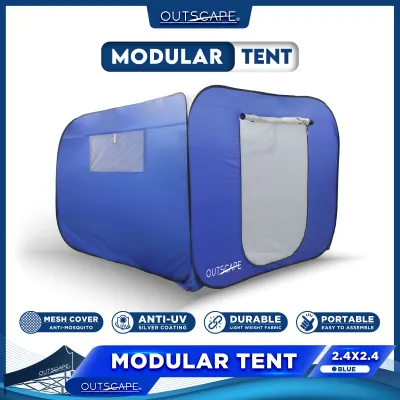
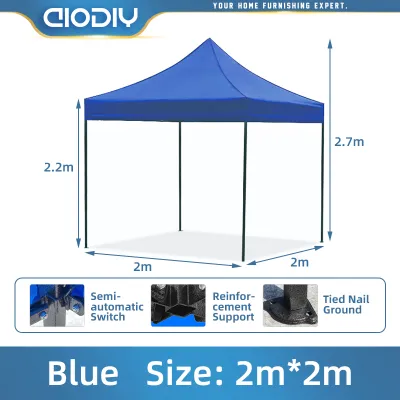
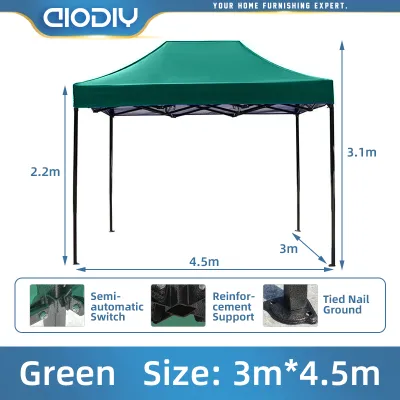
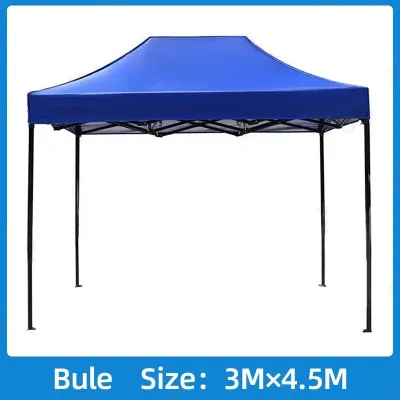
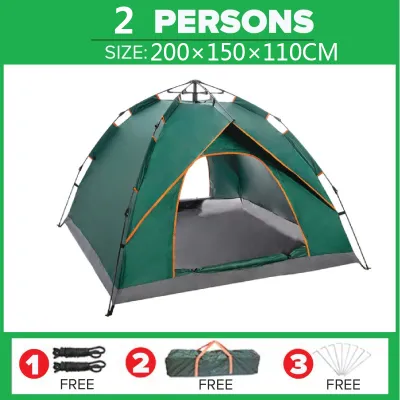
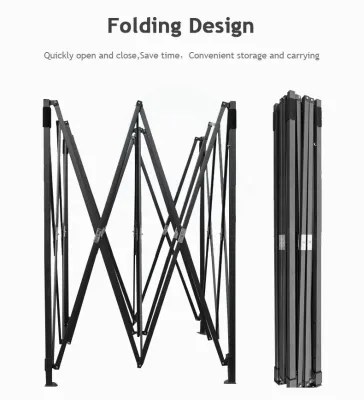
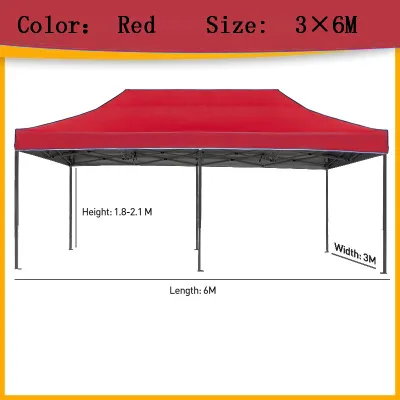
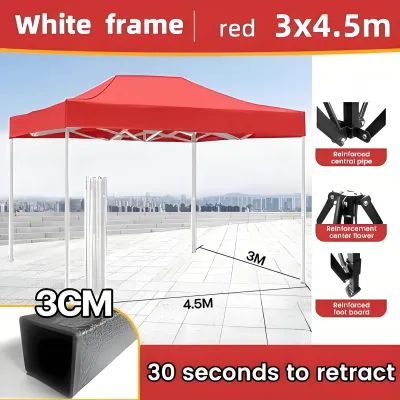
Prices are valid at publication and may change. Please refer to the product page for the latest price.
First, keeping your sleeping platform off the ground isolates you from immediate moisture. During the rainy season, tropical downpours can saturate the soil within minutes, causing water to pool under your tent. An elevated design ensures that even if the ground beneath you turns to mud or a shallow stream, your sleeping bag and gear remain dry and elevated.
Second, under-floor airflow is a critical factor in managing interior condensation. In highly humid environments, the temperature difference between the warm air inside the tent and the cool, damp ground underneath causes moisture to condense on the tent floor. By lifting the tent, air circulates freely beneath the sleeping platform, equalizing the temperature and significantly reducing dampness inside the cabin.
Finally, elevated tents offer excellent adaptability to challenging terrain. Mountain trails in areas like Benguet, Rizal, or Davao often feature rocky, root-filled, or sloped ground where pitching a standard tent is highly uncomfortable. An elevated tent—whether supported by a folding cot frame or suspended between trees—requires only a few stable contact points, allowing you to camp comfortably over uneven or rocky surfaces while keeping you out of reach of crawling insects, damp-loving leeches, and ground pests.
Critical Weatherproofing Features for the Rainy Season
When selecting an elevated tent for the rainy season, you cannot rely on visual design alone; you must verify the technical specifications of the fabrics and construction. Tropical rain can be intense and wind-driven, requiring robust materials that prevent water penetration over extended periods.

Begin by checking the hydrostatic head (HH) rating on the manufacturer’s specification sheet. This rating, measured in millimeters (mm), indicates the amount of water pressure the fabric can withstand before leaking. For reliable protection during heavy tropical downpours, look for a rainfly with a rating of at least 2,000mm and a floor or cot base rated at 3,000mm or higher. Lower ratings may suffice for light showers but can fail under the pressure of a sustained tropical storm.
Next, inspect the seam construction and zipper designs. Even the highest-rated fabric will leak if the seams are vulnerable. Verify that the tent features factory-taped or heat-sealed seams along the rainfly and floor joints. Zippers should be protected by wide storm flaps that secure with hook-and-loop fasteners, or feature water-resistant polyurethane coatings to prevent wind-driven rain from seeping through the zipper teeth.
Additionally, evaluate the coverage of the rainfly and the design of the vestibule. A partial rainfly that only covers the top of the tent is insufficient for windy, rainy conditions. Look for a full-coverage rainfly that extends all the way down to cover the elevated frame or cot base. The rainfly should also create a functional vestibule—an outer covered area where you can store muddy boots, wet backpacks, and cooking gear, keeping the interior sleeping space clean and dry.
Durability and Structural Checks for Mountain Trails
Mountain trails present high winds, rough terrain, and carrying limitations that demand a highly durable and stable tent structure. Because elevated tents have a higher profile than ground tents, they experience greater wind resistance, making structural integrity a primary safety consideration.
Evaluate the pole materials based on your camping style and trail conditions. Aluminum alloy poles (such as 7001 or 7075 aluminum) are highly recommended for mountain trails because they offer an excellent strength-to-weight ratio and sufficient flexibility to bend without snapping under sudden wind gusts. Fiberglass poles, while more budget-friendly, are heavier, less flexible, and prone to splintering under high stress, making them less suitable for exposed mountain ridges.
To withstand strong winds, look for aerodynamic tent shapes, such as low-profile domes or geodesic designs, which naturally deflect wind. The tent must feature multiple reinforced guy-line attachment points. Guy-lines allow you to anchor the rainfly securely to the ground or nearby trees, distributing wind loads evenly across the frame rather than concentrating stress on a single pole.
Fabric durability is indicated by the denier (D) rating, which measures the thickness of the individual threads in the weave. For rugged mountain environments where the tent may brush against sharp branches or rest on rocky ground, look for a canopy fabric of at least 40D to 75D, and a floor or cot fabric of 150D to 300D. A ripstop weave is also highly beneficial, as it incorporates stronger threads at regular intervals to prevent small punctures or tears from spreading.
Finally, consider the packed weight and volume of the system. If your trail approach involves hours of steep hiking, a heavy, integrated cot-tent weighing over 10 kilograms will quickly become a physical liability. For backpacking, look for lightweight, modular elevated systems or compact hammock-tent hybrids that fit easily inside or on the outside of a standard multi-day pack.
Building Your Shortlist: Matching Tent Styles to Your Needs
Elevated tents come in several distinct configurations, each suited to different camping logistics, transport methods, and terrain types. Understanding these categories helps you match the right style to your specific outdoor activities.
Integrated cot-tents combine a folding camp cot and a tent into a single, cohesive unit. These are incredibly comfortable and quick to set up, but they are heavy and bulky when packed. They are ideal for car camping, overlanding, or campsites with direct vehicle access where gear weight is not a limiting factor.
Platform-required tents are standard ground tents designed with specific attachment points or dimensions to fit onto elevated wooden platforms, which are increasingly common at established campsites. These setups offer excellent interior space but limit your camping locations to developed sites with pre-built platforms.
Hammock-tent hybrids are suspended shelters that hang between trees, completely eliminating ground contact. They are highly portable, lightweight, and perfect for forested mountain trails where trees are abundant but flat ground is non-existent. However, they require proper tree spacing and can feel cold underneath if you do not use an underquilt or sleeping pad for insulation.
To help you compare these options, use the following matrix to evaluate which style aligns with your camping logistics:
| Tent Style | Setup Complexity | Packed Weight | Terrain Suitability | Key Limitation |
|---|---|---|---|---|
| Integrated Cot-Tent | Low (folds out quickly) | Heavy (typically 8–15 kg) | Flat or slightly uneven ground | Bulky; unsuitable for backpacking |
| Platform-Required Tent | Medium (requires platform) | Light to Medium (2–5 kg) | Established campsites with decks | Cannot be pitched on open trails without a platform |
| Hammock-Tent Hybrid | High (requires suspension tuning) | Very Light (1–2.5 kg) | Forested areas with sturdy trees | Requires suitable trees; limited interior storage space |
When planning your capacity, do not rely solely on the manufacturer’s “person rating.” Check the exact floor dimensions and peak height to ensure you have enough room for your body size and gear. For any elevated system, always verify the maximum weight capacity (typically specified in kilograms) to ensure the frame can safely support your weight along with your sleeping gear and personal items.
Setup, Care, and Safety Boundaries in the Field
Proper field practices are essential to ensure your safety and prolong the lifespan of your elevated tent. Even the most durable gear can fail if pitched incorrectly or neglected in harsh tropical conditions.
Begin with careful site selection. Avoid pitching your tent directly under dead tree branches (often called “widowmakers”) that could fall during high winds. Do not set up in dry riverbeds, natural drainage paths, or low-lying areas that could quickly flood during a sudden downpour. If using an integrated cot-tent, ensure the ground beneath the legs is firm and stable; place flat rocks or wide wooden blocks under the feet if the soil is soft to prevent the legs from sinking into the mud.
When securing your tent, use proper tensioning techniques. Guy-lines should be angled at approximately 45 degrees from the tent and pulled taut to keep the rainfly from flapping, which can wear down the fabric and allow water to pool. In soft, wet tropical soil, standard aluminum pegs may pull out easily. Consider using wider stakes designed for soft ground, or anchor your guy-lines to heavy logs, stable rocks, or the base of sturdy trees.
Post-trip maintenance is critical in humid tropical climates, where mold and mildew can ruin polyurethane coatings and fabrics within days. After every trip, clean off any mud, sand, or salt spray with fresh water and a mild soap. Hang the tent to dry completely in a shaded, well-ventilated outdoor area before packing it away. Never store a damp tent in its stuff sack, as this accelerates fabric degradation and causes the waterproof coatings to become sticky and peel.
Finally, understand your safety limits. An elevated tent provides excellent protection against moderate weather, but it cannot replace structural shelter during extreme weather events. If you experience sustained winds that deform the tent poles, or if a severe tropical storm warning is issued, do not attempt to ride out the storm in your tent. Pack up your gear or abandon the site immediately to seek safety in a permanent, sturdy building.
Frequently Asked Questions (FAQ)
Can I use a standard ground tent on an elevated wooden platform?
Yes, you can use a standard ground tent on an elevated wooden platform, but you must adapt your anchoring method. Because you cannot drive standard stakes into wooden planks, you should use specialized non-penetrating anchors, such as fishbone deck pegs or anchor expansion loops that slip between the gaps in the wooden boards. Alternatively, you can tie your guy-lines to the platform’s structural frame, heavy rocks, or nearby trees. Always check the platform dimensions beforehand to ensure your tent’s footprint fits entirely within the wooden deck area.
How do I prevent condensation inside an elevated tent during humid nights?
To minimize condensation in humid tropical environments, maximize cross-ventilation by keeping all mesh vents and windows open, even during rain. Ensure the rainfly vents are propped open to allow warm, moist air to escape from the top of the tent. Keep wet gear, such as muddy boots and damp clothes, outside the main sleeping cabin in the vestibule area. Additionally, avoid cooking inside the tent, as boiling water releases large amounts of moisture into the air, which will quickly condense on the interior walls.
Are elevated tents safe from wildlife and stray animals?
Elevating your tent keeps you off the ground and provides excellent protection against crawling insects, damp-loving leeches, and small rodents. However, an elevated tent is not animal-proof against larger wildlife or stray dogs. To prevent animal encounters, never store food, scented toiletries, or trash inside your tent. Keep all food sealed in airtight dry bags and suspend them from a tree branch away from your sleeping area, or store them in hard-sided, secure containers to avoid attracting animals to your campsite.

Community discussion
Share your experience or ask a question. Comments are reviewed before publication.