
Quick Guide to Choosing a Goal-Scoring Football
Selecting the ideal goal ball for shooting practice requires matching the ball’s construction to your specific training targets. No single football can excel across every shooting scenario; the ball that helps you perfect a curling free kick is rarely the same one you should use for high-volume shooting drills against a concrete wall. Your choice ultimately depends on whether your immediate training priority is technical precision, leg strength, or sheer durability for repetitive drills.
To make an informed choice, players and coaches generally divide practice balls into three categories. Match-grade balls provide the aerodynamic consistency needed for accuracy drills. Weighted balls serve as specialized conditioning tools to build raw striking power. Durable training balls offer the structural resilience required to survive hundreds of high-velocity impacts. Understanding how these categories align with your training environment and the local climate will ensure you invest in gear that truly elevates your finishing skills.
Matching Ball Types to Your Shooting Objectives
To maximize your training efficiency, you must select a football that behaves predictably under the specific physical demands of your drill. Using the wrong type of ball can stall your skill development or, in some cases, lead to physical strain.
Products mentioned in this guide
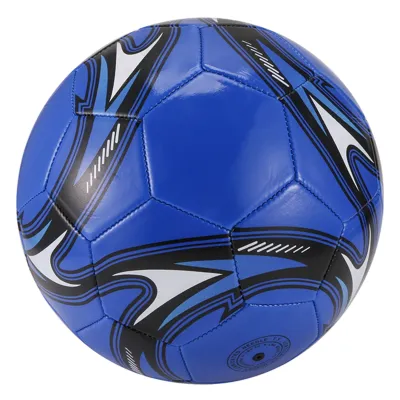
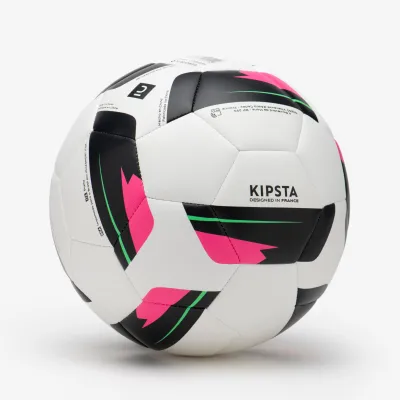
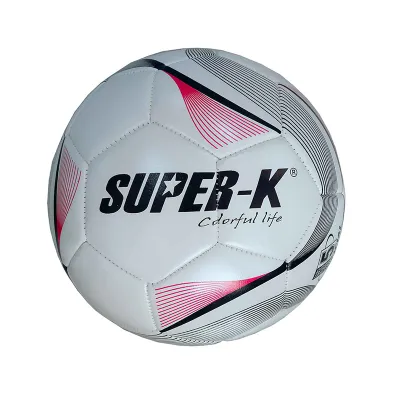
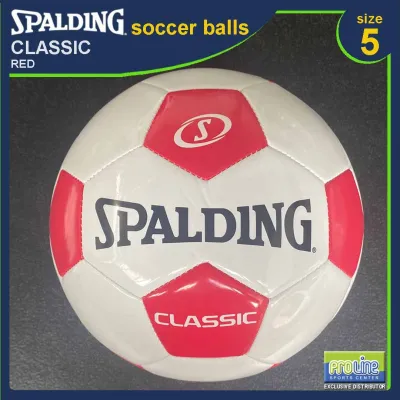
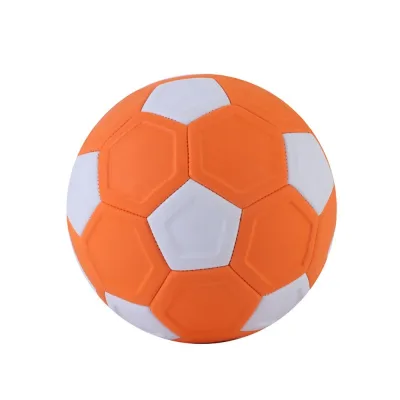
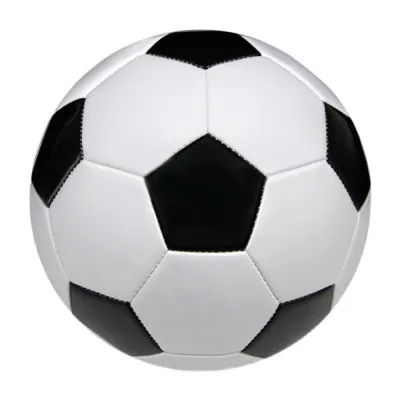
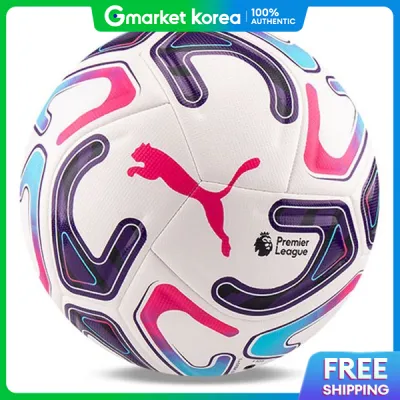
Prices are valid at publication and may change. Please refer to the product page for the latest price.

Accuracy and Technique Refinement
When practicing finesse shots, curling efforts, or direct free kicks, you need a ball that responds precisely to the spin and contact point of your boot. Premium training balls and match-grade balls are engineered to provide this level of feedback. These balls feature highly symmetrical panel configurations and smooth, aerodynamic profiles that ensure a true flight path through the air.
Predictable aerodynamics are crucial for building reliable muscle memory. If a ball swerves or dips erratically due to poor construction rather than your striking technique, you cannot accurately adjust your foot positioning or follow-through. A high-quality ball also offers a consistent rebound off the turf, allowing you to practice first-time volleys and half-volleys with confidence. For players looking to master advanced shooting techniques, practicing with a ball that closely mimics official match conditions is essential.
Power and Strength Building
If your primary goal is to increase shot velocity and develop explosive leg power, specialized weighted training balls can be integrated into your routine. These balls are intentionally manufactured to be heavier than the standard size 5 match ball, typically weighing between 600 and 800 grams. Striking a heavier ball forces your quadriceps, hip flexors, and core muscles to work harder, gradually building the physical strength required for more powerful shots.
However, weighted footballs must be treated as specialized conditioning equipment rather than everyday playthings. You must observe strict safety boundaries when using them. Never use weighted balls for high-volume shooting sessions, full-force volleys, or long-range shooting drills, as the high impact can cause joint strain, tendonitis, or muscle fatigue in your knees and ankles. Limit their use to controlled, short-distance passing and light striking drills, and always ensure your striking technique is fundamentally sound before attempting to hit a heavier ball.
High-Volume Repetition and General Drills
For daily shooting practice, team drills, or solo sessions where you expect to strike the ball dozens of times against nets, crossbars, and backstops, durability is the absolute priority. Standard training balls are built specifically to withstand this constant punishment. They utilize robust outer casings and reinforced internal layers that prevent the ball from losing its shape or splitting at the seams after repeated impacts.
While these durable training balls may lack the soft touch and perfect flight characteristics of premium match balls, they are highly cost-effective and practical. They allow you to run high-repetition finishing drills—such as receiving a cross and shooting on the turn—without worrying about wearing out an expensive match ball. For most players and local clubs, a fleet of durable training balls forms the backbone of daily goal-scoring practice.
Key Features to Check Before You Buy
Before purchasing a football for shooting practice, you should inspect its technical specifications to ensure it matches your playing surface, budget, and performance expectations.
Panel Construction and Surface Texture
The method used to assemble a football’s outer panels directly determines its water resistance, flight stability, and overall durability. Modern footballs generally use one of three construction methods:
- Thermo-Bonded Panels: These panels are thermally sealed together without stitching. This seamless design prevents water absorption, ensures a perfectly spherical shape, and delivers highly predictable flight paths. They are ideal for precision shooting but tend to sit at a higher price point.
- Hand-Stitched Panels: A traditional method that offers deep, durable seams and a classic, responsive feel off the boot. They are highly resilient but can absorb moisture if used on wet fields.
- Machine-Stitched Panels: Typically found on budget-friendly training balls. While highly affordable, the seams are shallower and more prone to tearing under high-impact shooting drills over time.
Additionally, look for balls with a micro-textured outer casing. This textured surface increases the friction between your boot and the ball, giving you better grip to generate spin and curl on your shots. Always verify the manufacturer’s guidelines to ensure the outer material is rated for your specific playing surface, whether it is natural grass, artificial turf, or hard ground.
Bladder Type and Air Retention
The internal bladder holds the air and dictates how the ball bounces and feels when struck. Manufacturers primarily use two materials for bladders, each offering distinct trade-offs for shooting practice:
- Latex Bladders: These are highly favored by competitive players because they offer a soft, responsive touch and excellent bounce. However, latex is a porous material that slowly leaks air, requiring you to pump the ball before almost every training session.
- Butyl Bladders: These bladders offer exceptional air retention, keeping the ball properly inflated for weeks at a time. The trade-off is a slightly stiffer, harder feel when struck. Butyl bladders are highly recommended for high-volume training sessions where convenience and low maintenance are preferred.
For advanced technical drills where touch and response are paramount, a latex or latex-blend bladder is ideal. For daily, high-repetition shooting drills, a butyl bladder will save you time and effort.
Size and Weight Standards
To ensure your shooting practice translates directly to real-match performance, you must train with the correct ball size and weight. For players aged 12 and older, the standard is a Size 5 football. According to international governing standards, a standard Size 5 ball must meet the following specifications at the start of a match:
- Weight: Between 410 and 450 grams.
- Circumference: Between 68 and 70 centimeters.
- Inflation Pressure: Typically between 8.5 and 15.6 PSI (0.6 to 1.1 bar), though you should always check the recommended pressure printed near your ball's valve.
When buying a ball, read the product label carefully. Avoid accidentally purchasing a futsal ball for outdoor goal-scoring drills; futsal balls are smaller (usually Size 4), filled with foam to reduce bounce, and significantly heavier, which will alter your shooting mechanics on a standard outdoor field.
Adapting to Local Pitch and Weather Conditions
Playing conditions in the Philippines present unique challenges for football maintenance and selection. The combination of intense tropical heat, high humidity, and varied playing surfaces requires careful adaptation to keep your practice balls in peak condition.
High ambient temperatures cause the air inside a football’s bladder to expand. If you leave your ball inside a hot car trunk or expose it to direct sunlight on a concrete barangay court, the internal pressure can quickly rise beyond safe limits. This over-inflation makes the ball feel rock-hard, alters its flight path, and places immense strain on the seams, which can lead to warping or bursting. To prevent this, always check the ball’s pressure before you play, and slightly deflate the ball if you plan to store it in a warm environment. When moving a ball from an air-conditioned room to a hot outdoor pitch, allow the ball to adjust to the temperature before topping up the air.
Surface compatibility is another critical factor. Many local training sessions take place on hard dirt, concrete courts, or abrasive, low-pile artificial turf. Premium match balls made from soft polyurethane (PU) casings will scuff and tear rapidly on these rough surfaces. For concrete or hard-court practice, look for balls with durable, abrasion-resistant TPU or rubberized covers. Reserve your high-end, thermo-bonded match balls strictly for natural grass or modern, well-maintained artificial turf pitches to preserve their outer texture and aerodynamic qualities.
Cross-Scenario Compatibility: Can One Ball Do It All?
For many players, buying multiple specialized footballs is not practical due to budget constraints or storage limits. If you need a single, versatile football that can handle both precision technique work and high-volume repetition, look for a high-quality thermo-bonded or hybrid-stitched training ball equipped with a butyl or latex-blend bladder. These mid-tier balls, often priced between ₱1,200 and ₱3,000, offer a balanced compromise: they provide enough aerodynamic stability for accuracy practice while remaining durable enough to handle daily impact.
Keep in mind that specialized balls should remain dedicated to their specific roles. A weighted ball should never be used as your sole training ball, as doing so increases your risk of injury and prevents you from developing a proper feel for match-weight strikes. Similarly, saving a premium match ball (which can cost upwards of ₱6,000) for exclusive technique sessions will extend its lifespan significantly.
A smart, budget-friendly buying strategy is to purchase two balls: one highly durable, affordable training ball (around ₱800 to ₱1,500) for daily, high-repetition shooting, and one mid-to-high-tier match replica for focused free-kick, penalty, and placement practice. This approach keeps your training realistic while protecting your financial investment.
Frequently Asked Questions (FAQ)
Does a scuffed ball affect shooting accuracy?
Yes, a heavily scuffed or peeling outer casing significantly degrades shooting accuracy. Scuffs, tears, and lifting panels disrupt the smooth airflow around the ball as it travels through the air, creating unpredictable aerodynamic drag. This disruption can cause the ball to wobble, knuckle, or drift off-target unexpectedly. If your practice ball has deep gouges or exposed backing material, you should relegate it to casual juggling or short-distance passing drills and use a smoother ball for precision shooting practice.
How often should I check the air pressure for shooting drills?
To maintain consistent training quality, you should check your football’s air pressure with a reliable pressure gauge before every shooting session. This is especially important in tropical climates where temperature fluctuations alter internal pressure rapidly. Striking an under-inflated ball ruins your shooting mechanics and reduces power transfer, while striking an over-inflated ball feels like kicking a stone and can lead to foot or ankle discomfort. Keeping the ball inflated to the manufacturer’s recommended PSI ensures a consistent feel and protects the bladder from damage.

Community discussion
Share your experience or ask a question. Comments are reviewed before publication.