
Riding mountain bikes on trails that transition rapidly from jagged rock gardens to slick, clay-heavy mud requires a careful approach to tire selection. In tropical riding environments, a single trail can present dry, abrasive volcanic rock in one section and deep, sticky mud in the next. To maintain control and avoid costly flats, riders must understand how tread design, rubber compounds, and casing construction interact with these challenging surfaces. Selecting the right mountain bike (MTB) tires is not about finding a universal winner, but rather about balancing grip, durability, and rolling efficiency for your specific riding style and local trail conditions.
Understanding the Demands of Philippine Mountain Bike Trails
Mountain bike trails in the Philippines present a unique set of environmental challenges due to the country’s tropical climate and diverse geology. Riders frequently encounter a mix of slick wet limestone, loose volcanic shale, and heavy clay mud, often on the very same ride. During the wet season, heavy downpours can quickly transform dry, dusty singletrack into a slick, muddy canal, while the dry season still leaves deep, shaded trail sections damp and slippery.
Wet limestone is notoriously slick, offering almost zero mechanical traction when lubricated by water or a thin layer of mud. On the other hand, sharp volcanic rocks and loose shale present a constant threat of sidewall cuts and puncture flats. The high humidity and frequent rainfall mean that mud on these trails is often thick and clay-like, which easily packs into tire treads, turning knobby tires into heavy, tractionless slicks.
Products mentioned in this guide
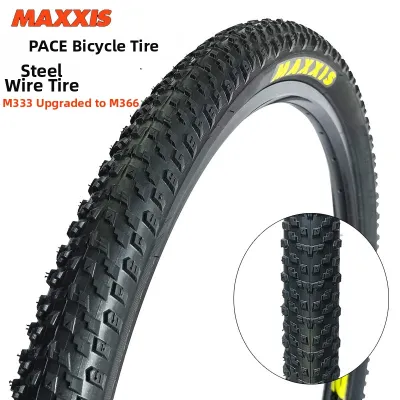
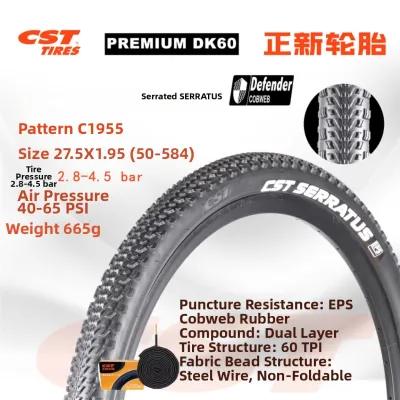
153 Lazada user ratings
thanks. seller. legit me. freebies. PA. thanks. sa. lazada at. rider. maayos. dumating. ang. parcel. order. po. ulit. ako. sa. store. nyo. s…Read full reviewShow less
thanks. seller. legit me. freebies. PA. thanks. sa. lazada at. rider. maayos. dumating. ang. parcel. order. po. ulit. ako. sa. store. nyo. sobrang. sulit., at. legit.
Size:very nice! it fits may 27.5 rims. Performance:Smooth ride, High performance, Excellent grip, Durability:Great endurance, Excellent life…Read full reviewShow less
Size:very nice! it fits may 27.5 rims. Performance:Smooth ride, High performance, Excellent grip, Durability:Great endurance, Excellent lifespan, Lasts long,
Size:perfect Performance:very good Durability:very good good
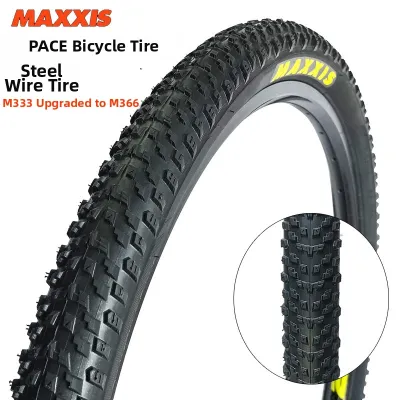
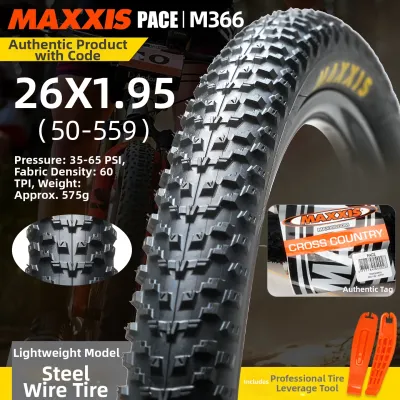
26 Lazada user ratings
Parcel received, i've no doubt about the quality and the appearance of a maxxis tire, it is my signature tire after all, so two 👍🏻👍🏻 up from yo…Read full reviewShow less
Parcel received, i've no doubt about the quality and the appearance of a maxxis tire, it is my signature tire after all, so two 👍🏻👍🏻 up from you seller. As you can see on my picture I already install it. Thank you and God bless
The item looks great, but I’m not sure how well it works in real life.
maganda, mabilis, magaan pedalan.
The brand is really good!
good quality
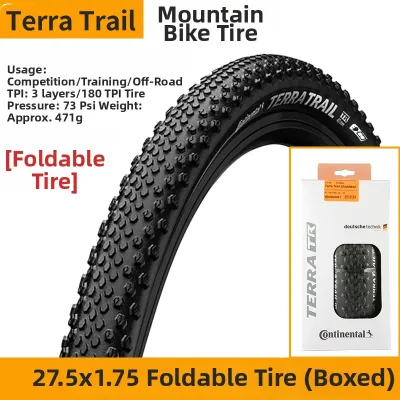
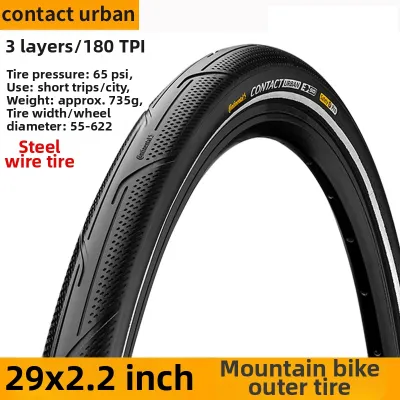
73 Lazada user ratings
Easy to install, Ideal for mountain biking, Fast shipping service, Size:suitable for mya gravel frame Performance:long lasting durable perfo…Read full reviewShow less
Easy to install, Ideal for mountain biking, Fast shipping service, Size:suitable for mya gravel frame Performance:long lasting durable performance Durability:reliable stabilityGreat endurance, High quality, it also comes with a freebie, thank you seller
arrive quickly adequate packing good looking tire installed tested smooth ride low rolling resistance fast enjoyable and comfortable good mu…Read full reviewShow less
arrive quickly adequate packing good looking tire installed tested smooth ride low rolling resistance fast enjoyable and comfortable good multi-purpose tire for pavement and trail
All goods nice product great quality fast delivery goods na goods thank you thank you very very much
mas malaki ung 2.0 ng maxxis kaysa sa continental. pero parehas clang magaan.
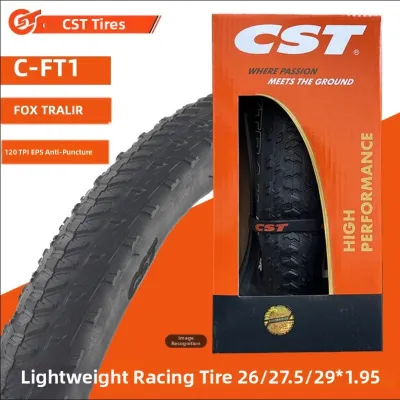
14 Lazada user ratings
I replaced my original 225 tires with these! Compared to those, these 195 tires are noticeably narrower! The outer diameter seems to be abou…Read full reviewShow less
I replaced my original 225 tires with these! Compared to those, these 195 tires are noticeably narrower! The outer diameter seems to be about a finger’s width smaller! I feel like the bike shifts gears a bit easier now too! Overall, they fit the frame pretty well! I’ve been riding on them for a few days and they feel really light and responsive! They seem like a solid choice! Durability will just have to be seen over time!
Thanks seller. Great item, wonderful experience. Amazing deal from an amazing seller. Thanks Lazada! More power and more deals
Performance:10/10 Durability:havent tried yet looks 10/10 overall experience buy this ill recommended it Size:true to size
23 Lazada user ratings
legit shop guys salamat po Size:29er 2.0 Performance:Fast speed, High performance, Durability:Great endurance, High quality, Lasts long,
gooods ganda ganda ganda sakto yung size i highly recommend this shoop thankyou soo much neext time again
Size:10/10 Performance:10/10 Durability:10/10
44 Lazada user ratings
I switched it out the same day it arrived, the grip is super strong, and it looks great too!
I'm really enjoying this so far, and I'll keep updating my thoughts as I go along.
Excellent for mountain biking, Fast shipping service, Easy installation process,
thanks seller's
8 Lazada user ratings
The quality is really good. It is an easy rolling tire. I like the reflector line. It adds visibility in the evening and even in the afterno…Read full reviewShow less
The quality is really good. It is an easy rolling tire. I like the reflector line. It adds visibility in the evening and even in the afternoon. I put it on the front wheel of my bike.
waiting for my dream tire for too long,at last it came,very happy man!did not out it yet but for sure it will be amazing!
Size: perfect fit 29er Performance: fast rolling Durability: thin and light. Looks durable
Size:29 Performance:excellent Durability:99.9% anganda .good na good .nagustohan ko .
Size:perfect Performance:perfext Durability:perfext
Prices are valid at publication and may change. Please refer to the product page for the latest price.
Navigating these conditions safely requires a tire that can shed sticky mud rapidly while still conforming to hard, wet surfaces. It is important to remember that no tire can fully compensate for a lack of technical skill or poor line choice. Before tackling highly technical, wet, or rocky descents, riders should assess their own skill level, check local trail reports, and be prepared to dismount if conditions exceed their riding capabilities.
Essential Tire Features for Rock and Mud
Choosing an MTB tire for mixed rock and mud involves managing several technical trade-offs. A tire designed purely for mud requires tall, widely spaced knobs to bite into soft ground and shed debris, but this design typically rolls slowly and can feel unstable on hard, flat rock surfaces. Conversely, a tire optimized for dry rocks features closely spaced knobs for a larger contact patch, which quickly becomes clogged and useless in sticky clay.

To find the right balance, riders must evaluate their primary riding venues and typical weather patterns. If your local trails consist mostly of sharp, rocky climbs with occasional muddy patches, your priorities will differ from a rider navigating deep, consistent clay in a dense forest canopy. Understanding how tread patterns, rubber compounds, and casing durability work together allows you to make an informed choice that matches your specific environment.
Tread Patterns and Knob Spacing
The layout of a tire’s tread dictates how it interacts with loose and wet terrain. For muddy trails, look for tires with tall, widely spaced center knobs. This open design allows the tire to penetrate the soft mud layer to reach firmer soil underneath, while the wide gaps encourage the mud to fling off the tire as it rotates, keeping the tread clear.
In contrast, closely spaced knobs tend to trap mud, creating a smooth surface that slides easily over wet rocks and roots. For rocky sections, the shape and support of the knobs are equally important. Pronounced, reinforced side knobs provide critical lateral stability when cornering on wet, off-camber rock faces.
Many modern trail tires feature siping—small slits cut into the tread blocks. These sipes allow individual knobs to flex slightly under load, conforming to the micro-texture of wet rocks and roots to maximize grip. When selecting a tire, inspect the tread pattern to ensure the side knobs are sturdy enough to resist folding over when cornering on hard surfaces, while still maintaining enough open space to shed sticky clay.
Rubber Compounds and Casing Durability
The rubber compound used in a tire directly affects its grip and lifespan. Softer rubber compounds conform more easily to wet, slippery surfaces like limestone and wet roots, providing significantly better traction. However, softer rubber wears down much faster, especially when ridden on abrasive volcanic rock or paved roads during transit to the trail.
Harder rubber compounds offer excellent durability and lower rolling resistance, making them ideal for long-distance riding, but they tend to slip easily on wet, hard surfaces. Many manufacturers address this by using dual- or triple-compound designs, placing harder rubber in the center for longevity and faster rolling, and softer rubber on the side knobs for cornering grip.
Casing durability is another critical factor when riding on sharp, rocky trails. Standard, lightweight casings are highly susceptible to sidewall tears from sharp shale and pinch flats from hard rock impacts. Look for tires with reinforced casings, often designated by terms like “trail,” “enduro,” or “downhill” casings, which incorporate extra layers of woven fabric or puncture-resistant materials in the sidewalls to protect against cuts and abrasions.
Building the Right Front and Rear Tire Combination
One of the most effective ways to optimize your mountain bike’s performance on mixed trails is to run different tires on the front and rear wheels. Because the front and rear wheels perform different functions, a matched set is rarely the most efficient setup for challenging terrain.
The front tire is primarily responsible for steering control, cornering grip, and a significant portion of your braking power. A loss of traction on the front wheel often leads to an immediate crash, as it is difficult to recover from a front-wheel slide. For this reason, you should prioritize maximum grip on the front. This means choosing a tire with an aggressive tread pattern, tall side knobs, and a softer rubber compound to ensure reliable traction on wet rocks and slippery corners.
The rear tire, by contrast, carries the majority of the rider’s weight and is responsible for transferring pedaling power to the trail. It needs to roll efficiently to maintain momentum and clear mud quickly to prevent wheel spin on climbs. A rear tire can feature slightly lower, more closely spaced center knobs to reduce rolling resistance, paired with a slightly harder rubber compound for increased durability.
Additionally, because the rear wheel takes the brunt of rock impacts, choosing a tire with a more robust, reinforced casing for the rear is highly recommended to prevent flats and protect your rims. This mixed strategy allows you to enjoy the steering confidence of a high-grip front tire without sacrificing the rolling efficiency and durability needed at the rear.
Tuning Tire Pressure and Setup for Wet Conditions
Even the most advanced tire will perform poorly if it is not set up correctly. For rocky and muddy trails, converting your wheels to a tubeless setup is highly advantageous. Tubeless systems replace the traditional inner tube with liquid sealant, allowing you to run lower tire pressures without the risk of pinch flats, which occur when an inner tube is pinched between the tire casing and the rim during a hard impact on a sharp rock.
Running lower tire pressure increases the tire’s contact patch, allowing the tread to deform and wrap around rocks, roots, and trail imperfections. This deformation significantly increases traction on wet, slippery surfaces. However, running pressure that is too low can cause the tire sidewalls to squirm or fold during hard cornering, and increases the risk of damaging your rims on sharp rock edges.
To find your baseline tire pressure, start with a moderate setting based on your weight, riding style, and tire volume. For a typical trail rider weighing around 70 kilograms using 2.4-inch tires, a baseline of 20 to 22 psi (pounds per square inch) in the front and 22 to 24 psi in the rear is a common starting point.
Adjust your pressure in small increments of 1 to 2 psi. If you feel the tire bouncing off rocks or slipping on wet climbs, try lowering the pressure slightly. If you feel the tire folding in corners or clanging against the rim on rock impacts, increase the pressure immediately to protect your equipment and maintain stability.
Frequently Asked Questions (FAQ)
Can I use the same tire model for both front and rear?
Yes, running the same tire model on both wheels is a viable option that offers predictable handling characteristics and simplifies maintenance. However, this setup usually requires a compromise. If you choose a highly aggressive tire for both wheels, you will experience increased rolling resistance and faster wear on the rear. If you choose a faster-rolling tire for both, you may suffer from a lack of cornering grip and braking control at the front on wet, steep descents.
How should I adjust tire pressure when trails transition from dry to muddy?
When transitioning from dry, hardpack trails to wet, muddy conditions, lowering your tire pressure by 1 to 2 psi can help increase the tire’s contact patch and improve traction on slippery roots and wet rocks. However, you must exercise caution if the muddy sections contain hidden, sharp rocks. Dropping your pressure too low in these areas increases the risk of rim damage or sidewall tears. Always prioritize rim protection and casing stability over marginal gains in wet traction.

Community discussion
Share your experience or ask a question. Comments are reviewed before publication.