
Selecting the right portable pop-up tent in the Philippines requires balancing the convenience of instant setup with the realities of a tropical climate. Whether you are planning a weekend beach getaway in Zambales, a casual family gathering in a local park, or a trek up a windy ridge, your shelter must withstand high humidity, sudden downpours, and intense solar heat. While the appeal of a tent that pitches itself in seconds is undeniable, choosing the wrong model can lead to a stifling interior, water leaks, or a collapsed frame during an unexpected gust. To find the ideal match, you must look beyond the convenience of the setup mechanism and carefully evaluate material specifications, ventilation designs, and structural limits against your intended outdoor activities.
How to Match Tent Features to Your Outdoor Activity
To ensure your portable pop-up tent performs reliably, you must match its technical specifications to the specific environmental conditions of your destination. In the Philippines, weather resistance is a primary concern due to the combination of intense tropical sun and sudden, heavy rainfall. When evaluating a tent’s fabric, look for explicit water-repellent labels and hydrostatic head ratings, which indicate the level of water pressure the material can withstand before leaking. For tropical conditions, a higher rating is generally preferred to handle heavy downpours, while built-in UV protection ratings (such as UPF 50+) help shield occupants from intense solar radiation and prevent the fabric from degrading prematurely under constant sun exposure.
Ventilation is another critical factor, particularly in warm, humid climates where condensation can quickly build up inside a sealed tent. Effective ventilation designs rely on strategically placed mesh panels, dual-zippered doors, and adjustable airflow vents that promote cross-ventilation. Without adequate airflow, the moisture from your breath can condense on the cool inner walls of the tent, leading to a damp and uncomfortable sleeping environment. Look for tents that feature fine, insect-proof mesh that keeps out small pests while allowing breezes to circulate freely throughout the interior.
Products mentioned in this guide
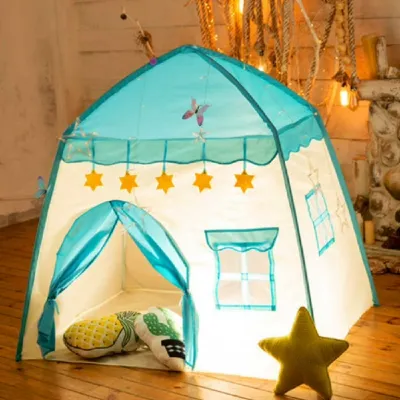
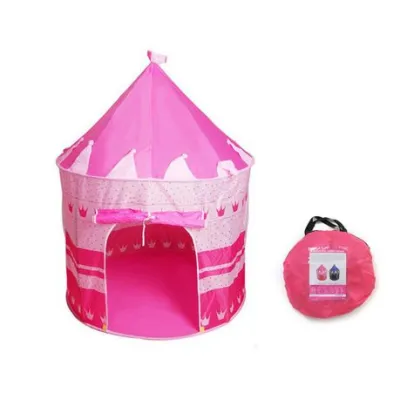
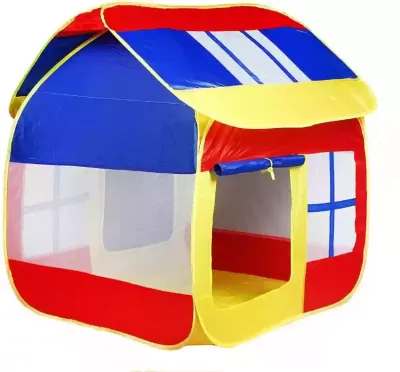
Prices are valid at publication and may change. Please refer to the product page for the latest price.
Finally, you must consider how the tent’s packed weight and folded dimensions align with your transport method. Pop-up tents typically fold into a flat, circular disc rather than a compact cylinder, which can make them awkward to carry over long distances. For car camping or backyard use, where the tent is transported directly in a vehicle trunk, a larger folded diameter and slightly heavier frame are perfectly acceptable. However, if you plan to hike or walk a significant distance to your campsite, you must verify that the folded disc can be secured to your backpack or carried comfortably without catching the wind or obstructing your movement.
Recommended Tent Profiles by Use Case
No single portable pop-up tent can excel in every outdoor scenario, as different environments demand distinct trade-offs between weight, durability, and interior space. A tent designed to withstand coastal winds and sandy shores will have different structural requirements than one optimized for a calm backyard afternoon or a remote mountain trail. By understanding these trade-offs, you can avoid overpaying for unnecessary features or, conversely, choosing a lightweight model that fails when exposed to challenging weather. The following use-case profiles outline the specific features, materials, and design elements you should look for based on your primary outdoor activities.

Beach and Coastal Camping
Camping along the coastlines of the Philippines presents unique challenges, including loose sand, strong sea breezes, and prolonged exposure to direct sunlight. When selecting a portable pop-up tent for beach environments, the anchoring system is your first line of defense against sudden gusts of wind. Standard thin metal pegs easily pull out of loose sand, so you should look for tents that include specialized sand pockets around the base. These pockets can be filled with sand or heavy stones to weigh down the structure, providing excellent stability even when traditional stakes cannot find purchase. Additionally, ensure the tent has robust, reinforced anchor loops and extra guylines to secure the upper frame to sturdier driftwoods or wider sand pegs.
Sun protection and heat management are equally vital when camping on open shores. Verify that the tent fabric features a high UV protection rating and, ideally, a reflective inner lining—such as a silver or blackout coating—that helps block solar heat from penetrating the interior. This lining keeps the inside of the tent significantly cooler during the peak heat of the day. To complement this, the tent must have excellent cross-ventilation, preferably with large mesh windows on opposite sides to capture coastal breezes while keeping blowing sand and insects outside.
Visibility and material durability also play key roles in coastal settings. High-visibility exterior colors make it easier to locate your campsite from the water or along a busy shoreline. Furthermore, the salt-laden air of coastal environments can quickly corrode metal components, so look for tents with high-quality fiberglass or treated composite frames, and heavy-duty plastic zippers that resist salt corrosion. Always rinse the tent with fresh water and dry it thoroughly after a beach trip to remove salt residue and sand particles from the zippers and fabric seams.
Mountain Trekking and Backpacking
For mountain trekking and backpacking, where every gram matters and weather conditions can change rapidly at higher elevations, selecting a portable pop-up tent requires extreme caution. The primary challenge with pop-up designs in backpacking is their folded shape; the large circular disc can act like a sail in windy mountain passes and is difficult to pack inside a standard multi-day backpack. If you choose to use a pop-up tent for trekking, you must prioritize models with exceptionally compact folded diameters and lightweight frame materials, such as advanced fiberglass or flexible alloys, to minimize the physical burden during long climbs.
Weatherproofing is non-negotiable when camping on elevated trails where rain and wind are common. You must verify the hydrostatic head rating on the product tag, looking for ratings that indicate robust water resistance, along with fully taped or heat-sealed seams to prevent water from seeping through the stitching. A tub-style floor design, which extends several inches up the sides of the tent before meeting the wall fabric, is also essential to prevent ground water from pooling inside during heavy downpours.
It is crucial to understand the structural limitations of pop-up mechanisms in high-wind or extreme mountain environments. The flexible, pre-tensioned frames that allow these tents to pop open instantly are inherently less rigid than the solid, interlocking poles of traditional geodesic or dome tents. In strong ridge winds, a pop-up tent can deform or collapse under pressure, which can damage the frame or leave you exposed to the elements. For high-altitude treks, severe weather forecasts, or exposed ridges, a traditional pole tent remains a much safer and more stable alternative. Equipment cannot replace proper mountain safety training, route planning, and sound environmental judgment.
Backyard and Casual Park Use
For low-risk, easily accessible environments like your backyard or a local park, convenience, comfort, and interior space take precedence over extreme weatherproofing or ultralight packability. In these settings, you do not need to worry about carrying the tent over long distances or surviving high-altitude storms, allowing you to focus on features that enhance your overall comfort and enjoyment. Look for tents that offer generous interior floor space, a high peak height that allows you to sit up comfortably, and a multi-person capacity that accommodates family members, pets, or gear without feeling cramped.
Organization and ease of access are key to a pleasant casual camping experience. Tents with multiple entry doors allow occupants to enter and exit without crawling over one another, which is especially convenient for families with children. Integrated storage pockets, gear lofts, and hanging loops for lanterns help keep the interior organized and free of clutter, ensuring that small items like phones, keys, and flashlights are always within reach. Some casual models also feature extended front awnings or vestibules, providing a shaded outdoor seating area right outside the tent door.
When shopping for a casual-use tent, prioritize intuitive setup and takedown mechanisms over specialized technical fabrics. Since you will likely be deploying and packing away the tent frequently for short outings, a mechanism that is easy to fold without struggle is far more valuable than a high hydrostatic head rating. While these tents still need to handle light afternoon showers or morning dew, their primary role is to provide quick shade, insect protection, and a comfortable base camp for relaxation, making user-friendly operation the most important selection criterion.
What to Verify Before You Buy
Before purchasing a portable pop-up tent, you should perform a thorough verification of the product specifications and manufacturer documentation to ensure it meets your practical needs. First, confirm the exact folded dimensions of the tent in its carry bag. Because pop-up tents fold into flat discs, you must measure your vehicle’s trunk space, your storage closets, or the carrying capacity of your backpack to guarantee the tent can be transported and stored easily. A tent that is too wide to fit flat in your car trunk or too awkward to carry on public transport will quickly become a burden.
Next, carefully read the user manual or watch official demonstration videos to understand the specific takedown and folding sequence. While setting up a pop-up tent takes only a few seconds, folding it back into its compact shape requires a precise sequence of twists and folds, often resembling a figure-eight pattern. Different brands and frame designs utilize slightly different folding methods, and attempting to force the frame in the wrong direction can permanently warp or snap the internal fiberglass poles. Understanding this process beforehand ensures you will not struggle or damage your equipment at the end of a tiring trip.
Finally, check the manufacturer’s warranty terms, return policies, and the availability of replacement parts. Even high-quality tents can experience wear and tear over time, especially when exposed to rough ground or strong winds. Verifying that you can easily source replacement pegs, guylines, or a replacement carry bag directly from the manufacturer or authorized sellers provides long-term peace of mind. A clear warranty policy also indicates the manufacturer’s confidence in the durability of their pop-up mechanism and materials.
Safe Setup, Care, and Weather Limits
Proper deployment, routine maintenance, and a clear understanding of environmental limits are essential for maximizing the lifespan of your portable pop-up tent and ensuring your safety. Before releasing the tent from its carry bag, always clear the designated ground area of sharp debris, rocks, pinecones, and dry branches. Because pop-up tents deploy rapidly with considerable tension, any sharp object underneath can instantly puncture the floor fabric or damage the pre-tensioned frame as it hits the ground. Laying down a durable footprint or ground tarp before pitching provides an extra layer of protection against punctures and ground moisture.
Once the tent has popped open, never rely solely on its internal tension to keep it in place, even on a calm day. Always secure the tent using all provided pegs and guylines, anchoring them firmly into the ground at a 45-degree angle pointing away from the tent. Guylines distribute wind loads evenly across the entire structure, preventing the flexible frame from deforming or lifting off the ground during sudden gusts. In breezy conditions, failing to stake down the tent properly can result in the structure rolling away, potentially causing injury or damaging your gear inside.
Knowing when to stop using your tent and seek sturdier shelter is a critical safety skill. If wind speeds begin to exceed the manufacturer’s stated limits, or if local authorities issue severe weather, tropical cyclone, or thunderstorm warnings, you must abort your camping activity immediately. Pop-up tents are not designed to withstand extreme weather, and their flexible frames can collapse under heavy wind or water loads, trapping occupants or exposing them to dangerous conditions. Always prioritize personal safety over preserving your gear, and have a clear evacuation plan to a solid building or vehicle.
After your trip, proper maintenance is key to preventing material degradation. Ensure the tent fabric is completely dry and free of dirt, sand, or organic debris before folding it into its carry bag. Storing a damp tent, even for a few days in a humid climate, promotes the rapid growth of mold and mildew, which can rot the fabric, destroy water-resistant coatings, and create unpleasant odors. If you must pack up your tent in the rain, unfold it at home in a well-ventilated, shaded area as soon as possible to let it dry completely before long-term storage.
Frequently Asked Questions (FAQ)
Can I use a pop-up tent for heavy rain and storms?
Most portable pop-up tents are designed primarily for fair weather, light shade, or mild, temporary showers rather than sustained heavy rain and storms. To determine a tent’s water resistance, you must check the specific hydrostatic head rating and seam construction details on the product label or manufacturer specifications. Tents with low ratings or untaped seams will likely leak during prolonged downpours. If you anticipate sustained heavy rain, high winds, or severe tropical weather, you should switch to a traditional pole tent with a robust, interlocking frame and a full-coverage rainfly, which offers superior structural integrity and water shedding capabilities.
How do I fold a pop-up tent back into its bag?
Folding a pop-up tent back into its carry bag requires a specific technique that typically involves a figure-eight or twist-and-fold motion, which varies significantly depending on the brand and frame design. You should always consult the manufacturer’s printed instruction manual or watch their official video tutorials to learn the exact, safe folding sequence for your specific model. Never attempt to force the frame or bend the poles beyond their natural resistance, as doing so can easily snap the internal fiberglass or composite wire components, rendering the tent unusable. Practicing the folding technique at home before heading out to the field will save you time and prevent accidental damage.

Community discussion
Share your experience or ask a question. Comments are reviewed before publication.