
Finding the right stretch cord for swimming training for children in the Philippines requires balancing safety, durability, and developmental readiness. In a tropical climate where swimming is a year-round activity, having the right training gear can significantly enhance a child’s stroke technique, cardiovascular endurance, and water confidence. However, because children are still developing their muscular strength and coordination, selecting a swim tether is not as simple as buying the first elastic band available online. Parents must understand the different types of cords, evaluate key safety features, and ensure the equipment matches their child’s physical capabilities and the specific layout of their pool.
A high-quality stretch cord for swimming allows young swimmers to practice stationary swimming, which is particularly useful in smaller backyard pools or subdivision clubhouses across the Philippines. By providing continuous resistance, these cords help children focus on their stroke mechanics, body alignment, and breathing patterns without the need for constant turns at the pool wall. To make an informed purchase, parents must look past generic marketing claims and focus on verifiable specifications such as material composition, tension levels, and safety hardware.
Understanding Stretch Cord Types for Kids' Swim Training
To choose the most effective training tool, it is essential to understand the distinct types of stretch cords available and how they impact a child’s swimming mechanics. The most common configuration for young swimmers is the waist-belt tether system. This setup features an adjustable belt worn around the swimmer’s waist, connected to an elastic cord that anchors to a fixed point on the pool deck. Waist tethers are highly recommended for children because they apply resistance directly to the body’s center of gravity. This positioning helps maintain a natural horizontal body line in the water, preventing the hips from sinking and allowing the child to practice freestyle, backstroke, or breaststroke with minimal interference. In contrast, head-harness or shoulder-strap tethers are generally unsuitable for growing children, as they can place excessive strain on the neck and upper spine, potentially leading to injury or poor stroke habits.
Products mentioned in this guide
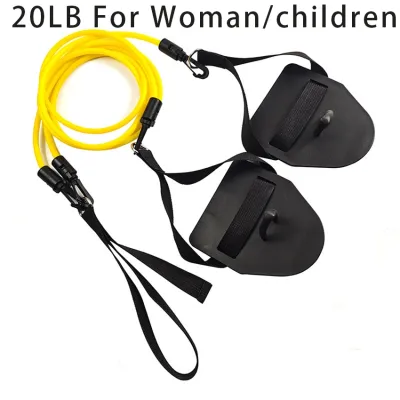
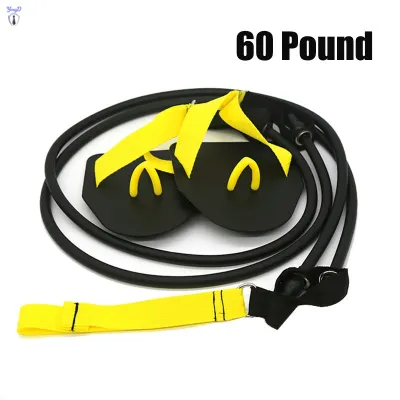
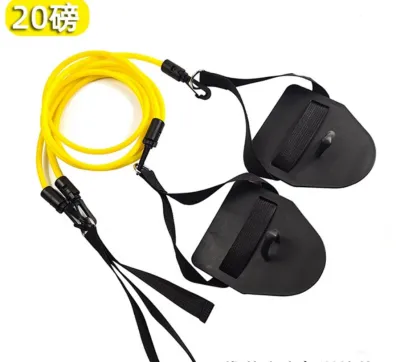
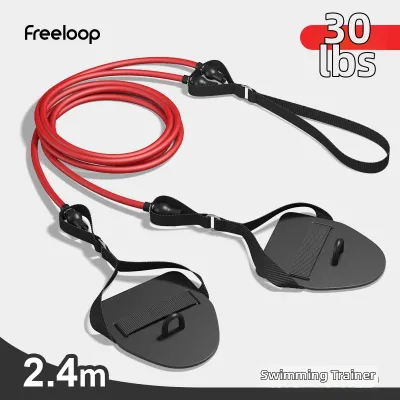
Prices are valid at publication and may change. Please refer to the product page for the latest price.
Another category is resistance cords equipped with hand paddles or ankle straps. Hand-held resistance cords are primarily used for dry-land training or shallow-water pull drills. They are excellent for building shoulder and upper-back strength, but they must be used with extreme caution in children to avoid overloading developing rotator cuffs. Ankle-attached cords, on the other hand, isolate the leg kick and help swimmers build lower-body endurance. While effective for older, competitive youth swimmers, ankle tethers require a high level of core strength to keep the body flat on the water surface. For younger children or beginners, ankle straps often cause the legs to drag, which disrupts their natural swimming posture and can lead to frustration.
Some parents consider using pool noodle connectors or DIY elastic setups as a budget-friendly way to introduce stationary swimming. While these DIY alternatives might seem convenient for casual water play, they have severe structural limitations and safety trade-offs. Standard pool noodles and basic elastic bands are not engineered to withstand the dynamic, repetitive pulling forces exerted during swim training. They lack standardized tension ratings, meaning they can stretch unpredictably or snap without warning. Furthermore, the materials used in household elastics degrade rapidly when exposed to chlorinated pool water and the intense tropical sunlight of the Philippines. Investing in a dedicated, professionally manufactured swim tether ensures consistent resistance and significantly reduces the risk of equipment failure.
Essential Selection Criteria for Young Swimmers
When shopping for a stretch cord for swimming, parents should use a strict checklist of physical attributes and specifications to ensure the product is safe and appropriate for their child. The first criterion to evaluate is the length and elasticity of the cord. The cord must be long enough to allow the child to swim comfortably without being pulled abruptly backward, yet short enough to keep them safely away from the pool walls or steps. For home pools or smaller subdivision pools in the Philippines, a cord length of 2 to 4 meters is often ideal, as it provides sufficient stretch while keeping the swimmer centered in the safe zone of the pool. Parents should verify the maximum stretch capacity of the cord, ensuring it matches the physical dimensions of their swimming space.

Resistance level is another critical factor that must be carefully matched to the child’s weight, age, and swimming proficiency. Using a cord with too much tension can cause immediate muscle strain, joint fatigue, and a breakdown in swimming form. For children and young teens, manufacturers typically offer “light” or “extra-light” resistance levels, which generally translate to a pull force of 1.1 to 3.6 kilograms (approximately 2.5 to 8 pounds). High-resistance cords designed for adults can overpower a child, forcing their hips down and making it impossible to maintain a proper horizontal position. Always opt for the lowest resistance level when starting out, allowing the child to focus on stroke precision rather than fighting heavy tension.
Material durability is particularly important in the Philippines, where high humidity, intense UV exposure, and pool chemicals create a harsh environment for swim gear. Parents should look for cords made from high-grade natural latex or specialized synthetic rubber that features built-in UV stabilizers and chlorine resistance. The waist belt itself should be lined with thick, quick-drying, and hypoallergenic neoprene padding. This padding prevents the belt from chafing or cutting into the child’s skin during vigorous movement. Additionally, check that the belt’s webbing is made from heavy-duty nylon that will not rot or weaken when wet.
Finally, pay close attention to the attachment hardware. The carabiners, clips, and buckles that connect the cord to the belt and the anchor point must be robust and corrosion-resistant. Marine-grade stainless steel (such as 316 stainless steel) or heavy-duty, UV-treated composite plastics are the best choices for pool environments, as they will not rust or degrade over time. The waist belt must feature a reliable quick-release buckle. This safety feature allows the child or a supervising adult to instantly unclip the belt in an emergency, freeing the swimmer from the tether immediately.
Safety Boundaries and Pool Setup Guidelines
Using a stretch cord for swimming introduces unique physical dynamics that require strict safety protocols. Before any training session begins, parents must establish clear ability limits. Tethered swimming is an advanced training method and should never be used as a teaching aid for children who cannot swim independently. The child must possess strong basic water competency, including the ability to tread water for at least one minute, breathe comfortably on both sides, and swim a minimum of 25 meters without any flotation assistance. If a child relies on arm bands, swim vests, or other buoyancy aids, they are not ready for a swim tether. Equipment can never replace proper swimming instruction, water safety training, or physical readiness.
Proper installation starts with verifying the structural integrity of the anchor point. The anchor point is the fixed object on the pool deck where the stretch cord is secured. It must be completely stable and capable of handling continuous, dynamic pulling forces. Safe anchor points include heavy-duty stainless steel pool ladders, starting blocks, or dedicated ground anchors. Never secure a swim tether to lightweight pool furniture, plastic pipes, temporary fences, or any object that could slide, bend, or break under tension. If the anchor point fails, it can fly toward the pool, risking severe impact injuries to the swimmer.
When fitting the harness or waist belt, ensure it is adjusted correctly before the child enters the water. The belt should sit snugly around the child’s natural waist, just above the hips, and should be tight enough that it does not slide up to the chest or twist during swimming. However, it must not be so tight that it restricts deep breathing or causes discomfort. A belt that rides up to the chest can compress the ribcage, making it difficult for the child to take full breaths, and will alter their swimming posture by pulling their upper body downward. Double-check that the quick-release mechanism is easily accessible and that both the parent and the child know how to operate it instantly.
Continuous, active, and close-range adult supervision is a non-negotiable requirement for any child using a swim tether, regardless of their swimming skill level. Tethered swimming can cause rapid fatigue, and if a child experiences a sudden muscle cramp, water inhalation, or equipment entanglement, they may struggle to stay afloat. The supervising adult must remain at the poolside, keeping their eyes on the swimmer at all times, and must be close enough to intervene within seconds. Never leave a child unattended with a swim tether, even for a moment.
Knowing when to stop the training session is crucial for preventing injury and overexertion. Parents must actively monitor the child for physical signs of fatigue, such as a dropping hip line, erratic or splashing strokes, gasping for air, or a noticeable loss of coordination. If the child’s swimming form begins to deteriorate, the session should be ended immediately. Additionally, inspect the equipment before and after every use. If you notice any micro-tears, cracks, discoloration in the elastic cord, or rust on the metal hardware, stop using the product immediately and replace the damaged components.
Sourcing Equipment and Verifying Claims Before Checkout
Finding a reliable stretch cord for swimming in the Philippines requires careful sourcing to avoid low-quality, unsafe imitations. Parents should look for reputable water sports brands at specialty athletic stores or verified online marketplaces. When browsing online, avoid purchasing from unbranded, generic listings that do not provide detailed product specifications. Safe, high-quality swim tethers will clearly state the materials used, the maximum weight or tension limits, and the recommended age group. If a listing only uses vague marketing terms like “heavy-duty” or “perfect for all ages” without providing concrete technical details, it is best to look elsewhere.
Before finalizing a purchase, take the time to read the product descriptions and user reviews carefully. Look for feedback from other parents or swim coaches who have used the product with children, paying close attention to comments regarding the durability of the elastic cord and the comfort of the waist belt. Verify the seller’s return policies and warranty conditions, especially concerning water sports equipment. A reputable manufacturer or retailer should offer a clear warranty against material defects, giving you recourse if the cord or hardware fails prematurely under normal training conditions.
Avoid purchasing unverified generic cords that lack specified load-bearing ratings or clear manufacturing origins. While these products may be cheaper, they often use low-grade rubber that degrades rapidly in chlorinated water and tropical heat, posing a significant safety risk if the cord snaps under tension. Investing in a certified, well-reviewed swim tether from a trusted sports brand ensures that your child trains with equipment designed specifically for aquatic safety and performance.
Frequently Asked Questions (FAQ)
Can a regular bungee cord be used for swim training?
No, regular bungee cords should never be used for swim training. Standard bungee cords are designed for securing cargo, not for human load-bearing activities in aquatic environments. They lack resistance to chlorine and UV radiation, causing the rubber core and outer fabric sheath to degrade rapidly and snap unpredictably under tension. Furthermore, regular bungee cords often feature exposed metal hooks that can easily detach, causing severe puncture wounds or eye injuries if they snap back toward the swimmer.
At what age or skill level should a child start using a swim tether?
Children should generally be at least 8 years old and possess intermediate swimming skills before using a swim tether. The child must be able to swim continuously for 25 meters using proper stroke technique, tread water comfortably, and follow complex safety instructions. Swim tethers are designed to build endurance and refine technique for established swimmers; they are not suitable for beginners or toddlers who are still learning basic water safety and survival skills.
How do I clean and maintain the stretch cord after pool use?
To extend the lifespan and maintain the safety of the stretch cord, rinse it thoroughly with clean, fresh tap water immediately after every pool session to remove chlorine, salt, and chemical residues. Allow the cord and belt to air dry completely in a shaded, well-ventilated area, keeping them out of direct sunlight, which can dry out and crack the latex. Store the dry equipment in a cool, dark bag or container away from sharp objects, and regularly inspect the cord for any signs of stiffening, stickiness, or micro-tears.

Community discussion
Share your experience or ask a question. Comments are reviewed before publication.