
Selecting a tactical lanyard for mountain climbing in the Philippines requires balancing secure gear retention with the harsh realities of tropical environments. When navigating steep, muddy trails or scrambling over sharp limestone, a reliable lanyard ensures that critical tools—like multi-tools, communication radios, and navigation devices—remain attached to your harness or pack. These specialized accessories prevent costly and dangerous gear losses, allowing you to focus on your footing and handholds rather than worrying about dropping essential equipment down a ravine. Whether you are scaling the mossy heights of Mt. Dulang-dulang, trekking through the humid forests of Mt. Makiling, or navigating the exposed ridges of Mt. Guiting-Guiting, integrating a tactical lanyard into your gear setup provides peace of mind and keeps your essential tools within reach.
Why Standard Lanyards Fall Short in Mountain Climbing
Everyday lanyards designed for office ID badges, keys, or casual city use are entirely unsuitable for the demanding conditions of mountain climbing. Standard lanyards typically rely on thin polyester webbing, weak plastic clips, and simple metal crimps that fail under minimal tension. If your gear catches on a branch or slips from your hand during a climb, these weak points will easily snap, resulting in lost equipment. Tactical lanyards, on the other hand, are engineered with heavy-duty materials like military-grade paracord, high-tensile elastic bungees, and corrosion-resistant hardware designed to withstand sudden drops and heavy tugs. The structural integrity of these tactical options ensures that even if a heavy tool slips from your hand, the lanyard can absorb the sudden drop force without snapping or tearing at the attachment points.
The Philippine climbing environment presents unique challenges that quickly degrade inferior gear. High relative humidity and frequent, sudden downpours accelerate the rusting of low-grade metal components and weaken cheap adhesives. Furthermore, trails often wind through dense tropical jungles and over highly abrasive rock formations, such as the sharp limestone of Mt. Daraitan or the rough volcanic surfaces of Mt. Apo. Standard cords easily fray when dragged against these rough surfaces, leading to sudden failure.
Products mentioned in this guide
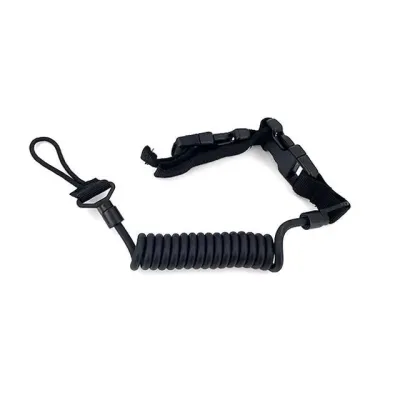
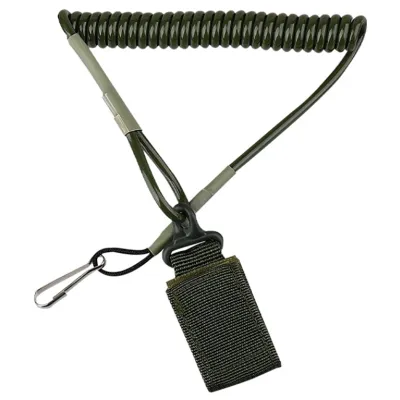
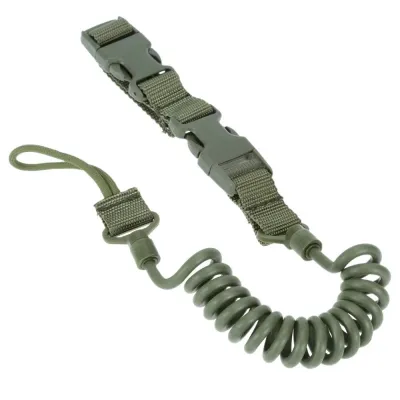
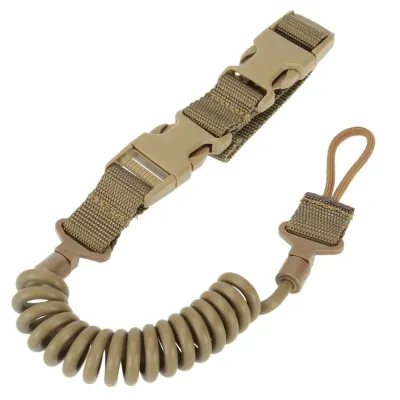
Prices are valid at publication and may change. Please refer to the product page for the latest price.
Dropping a critical piece of gear during a steep ascent or descent carries severe consequences. If a communication radio or GPS device falls into a deep, foliage-covered ravine, recovery is often impossible due to the dense undergrowth and sheer drop-offs. Losing a headlamp during a late-afternoon descent can leave a climber stranded in pitch darkness on a technical trail. By utilizing a tactical-grade lanyard, you establish a redundant connection that keeps your most vital tools within arm’s reach, even if they slip from your grasp. Investing ₱500 to ₱1,500 in a high-quality lanyard is a practical way to protect electronics and tools that cost significantly more.
Key Features to Evaluate Before Buying
When shopping for a tactical lanyard, evaluating the core materials and construction details is essential to ensure it can handle the rigors of the trail.

Cordage Materials
Paracord (specifically Type III 550 paracord) offers exceptional tensile strength and durability, making it an excellent choice for static, high-strength applications. It consists of a nylon sheath surrounding multiple inner strands, providing redundant strength that is highly valued in survival situations. However, static cords lack stretch, which can cause a harsh jolt if a heavy item is dropped, potentially pulling on your harness or damaging the tool’s attachment point. Elastic bungee lanyards absorb shock, reducing the impact force on both the gear and your harness, but they can degrade faster when exposed to constant moisture and UV radiation. Coiled polymer lanyards provide a compact profile that stretches when needed and retracts automatically, minimizing the risk of snagging on trailside branches while keeping the tool close to your body.
Attachment Hardware
Look for lanyards equipped with high-quality hardware such as locking carabiners, stainless steel split rings, or heavy-duty quick-release buckles. Gate types are critical; screw-gate or auto-locking carabiners prevent accidental opening when rubbing against rock faces. Avoid simple wire gates or plastic spring clips that can easily deform or pop open under load. In wet and muddy conditions, which are common on tropical trails, spring-loaded gates can sometimes fail to close completely if grit gets trapped in the hinge. Choosing hardware with a smooth, debris-resistant design or a manual locking sleeve ensures that the connection remains secure regardless of the trail conditions.
Load Limits and Labels
Always verify the manufacturer’s specified load limits and break strength before purchasing. Do not assume a lanyard can support heavy gear just because it looks robust. Check the product labels or technical specifications for a clear weight rating, and ensure the total weight of your secured tool falls well within the safe working load limit. It is important to remember that the dynamic force of a dropped tool is much higher than its static weight. A multi-tool that weighs only a few hundred grams can exert several kilograms of force when it reaches the end of a falling lanyard, making conservative weight estimations essential for safety.
Length and Retraction
The optimal length of a lanyard depends on where it is mounted and how far you need to extend the tool. A lanyard that is too long creates a dangerous snag hazard, potentially catching on protruding rocks or thick vines. Retractable lanyards or coiled designs keep the cord taut and close to your body, extending only when you actively pull the tool to use it. This self-retracting feature is particularly useful when climbing through dense undergrowth, as it prevents the lanyard from forming a loop that could hook onto branches and throw you off balance.
Matching Lanyard Types to Your Climbing Gear
Different types of climbing gear require specific lanyard configurations to balance security, accessibility, and comfort on the trail.
Lanyards for Cutting Tools and Multi-tools
Heavy hand tools like multi-tools, folding knives, or trail-clearing shears require robust, non-elastic or low-stretch lanyards. Because these items have sharp edges and significant weight, a sudden drop on an elastic cord could cause them to bounce back unpredictably toward your body, posing a serious injury risk. Look for lanyards with secure locking carabiners that integrate directly into the tool’s lanyard loop or its dedicated sheath. This ensures the tool remains anchored even when unsheathed for quick tasks, preventing it from falling into thick ferns or deep crevices where it could become a hazard for other climbers.
Lanyards for Lighting and Communication Devices
Devices like flashlights, headlamps, and two-way radios must be easily accessible but completely secure. For these items, a lanyard with a quick-detach or side-release buckle is highly beneficial. This allows you to quickly unclip the radio to hand it to a climbing partner or adjust your headlamp without untangling the entire lanyard from your pack. Ensure the cordage is lightweight and thin enough to thread through small eyelets without blocking access to power buttons, volume dials, or battery compartments. Keeping these devices secured is especially critical during night treks or emergency situations where communication and visibility are paramount.
Lanyards for Gloves and Small Accessories
Lightweight accessories such as climbing gloves, trail maps, or compasses are easily misplaced during rest stops or gear transitions. For these items, minimalist designs or simple “dummy cords” made of thin utility cord are ideal. These lanyards do not need high load ratings; instead, they focus on simplicity and ease of use. Use small accessory carabiners to clip these items to your harness gear loops or your backpack’s D-rings, keeping them organized and preventing them from blowing away in high-altitude winds. This is particularly important on windy summits like Mt. Pulag, where a lost glove can quickly lead to cold, numb fingers.
Safety Checks and Maintenance for Climbing Lanyards
Regular maintenance and thorough pre-trip inspections are vital to ensure your tactical lanyards perform reliably when needed.
Before every climb, conduct a detailed visual inspection of the entire lanyard assembly. Check the cordage for any signs of fraying, fuzziness, or discoloration, which often indicate UV degradation from prolonged sun exposure. Inspect all metal hardware, including carabiners, rings, and springs, for signs of rust, corrosion, or hairline cracks. Test the gate mechanisms of carabiners and the release action of buckles to ensure they operate smoothly without sticking.
After a muddy trek or exposure to heavy rain and sweat, proper cleaning is essential to prevent premature wear. Wash the lanyard by hand using mild soap and lukewarm water to remove dirt, grit, and salt deposits that can abrade the fibers over time. Avoid harsh detergents or bleach, which can damage synthetic materials. Allow the lanyard to air dry completely in a shaded, well-ventilated area before storing it; never expose it to direct heat sources or store it while damp, as this encourages mold growth and weakens the structure.
Establish clear stop conditions for when to retire a lanyard. If you observe any deep cuts in the webbing, broken strands in a paracord sheath, deformed hardware gates, or a loss of elasticity in bungee sections, retire the lanyard immediately. It is far safer to replace a compromised accessory than to risk losing expensive gear or creating a safety hazard on a technical climb. Remember that gear maintenance is an active part of climbing safety, and no equipment can replace careful preparation and sound judgment on the trail.
Frequently Asked Questions (FAQ)
Can I use a tactical lanyard as a life-safety tie-in?
No, tactical lanyards designed for gear retention must never be used as life-safety tie-ins, personal anchor systems, or fall-arrest lanyards. These accessories are engineered solely to support the weight of small tools and equipment, not the dynamic forces generated by a falling human body. Using a gear lanyard for personal protection can result in catastrophic failure. Always use certified climbing ropes, slings, and personal anchor systems that meet international safety standards (such as UIAA or CE) for all life-safety applications.
How do I prevent my lanyard from snagging on rocks or branches?
To minimize snag hazards while climbing through dense vegetation or scrambling over rock faces, keep your lanyards as short as possible. Route the lanyard close to your body, tucking excess slack under your harness straps, pack compression straps, or into a dedicated gear pocket. Utilizing coiled or retractable lanyards is highly effective, as they automatically pull the slack tight when the tool is not in use. Additionally, avoid clipping gear to the outside of your pack where it can swing freely; instead, anchor items to front-facing gear loops or chest straps where you can easily monitor and manage them.

Community discussion
Share your experience or ask a question. Comments are reviewed before publication.