
Selecting the right ulo ulo for fishing in the Philippines depends on matching the weight, shape, and material of your terminal tackle to the specific depth and current of your fishing spot. Whether you are casting from a rocky shoreline in Batangas, navigating a river in Isabela, or bottom fishing from an outrigger boat in Romblon, your gear must balance sink rate with snag resistance. By understanding how these weighted rigs interact with local currents and underwater structures, you can avoid constant line breaks and improve your chances of landing prized local species like lapu-lapu or mangagat.
Understanding Ulo Ulo Gear and Its Core Functions
In Philippine angling traditions, ulo ulo refers to weighted terminal rigs, specialized jig heads, or sliding weight setups designed to guide bait directly to the strike zone near the seabed or riverbed. This setup typically integrates a heavy lead or brass weight directly with or just above the hook, acting as the heavy head of the presentation. In handline fishing, locally known as kawil, as well as modern rod-and-reel angling, this configuration ensures that your bait resists buoyant currents and stays anchored where bottom-dwelling fish feed. Selecting the correct components requires looking past generic marketing and focusing on the physical properties of the metal.
When inspecting ulo ulo components at a local tackle shop or on an online marketplace, the baseline materials dictate how the gear will perform under tension. Lead remains the most common and cost-effective material due to its high density, though brass and zinc alloys are increasingly popular for their hardness and environmental safety. Look for product labels that specify the exact weight in grams. High-quality rigs feature integrated brass loops or smooth inner plastic sleeves that prevent the fishing line from chafing against rough metal edges during intense fights.
Products mentioned in this guide
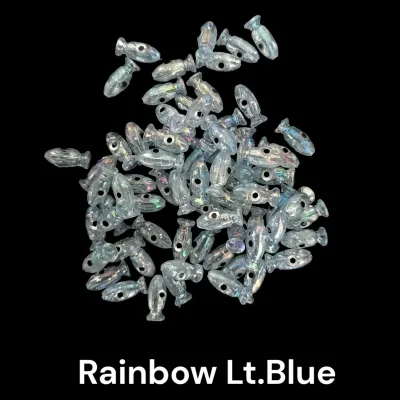

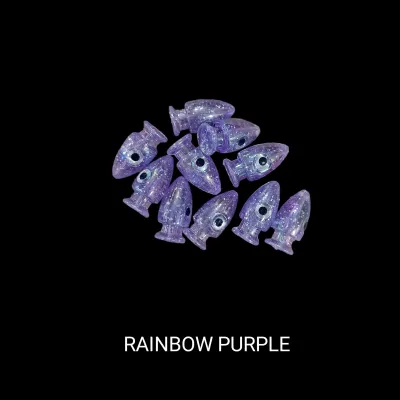
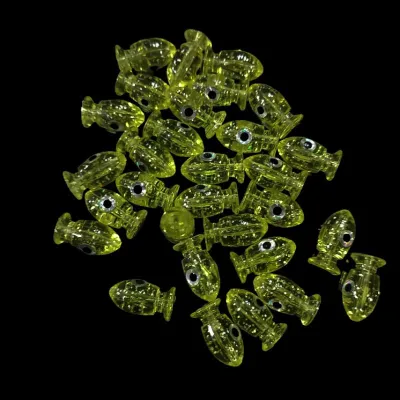
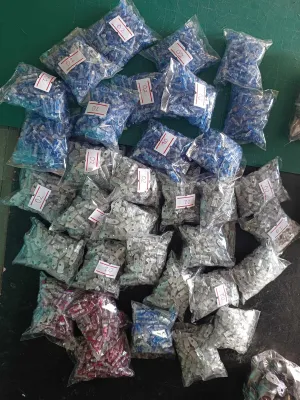
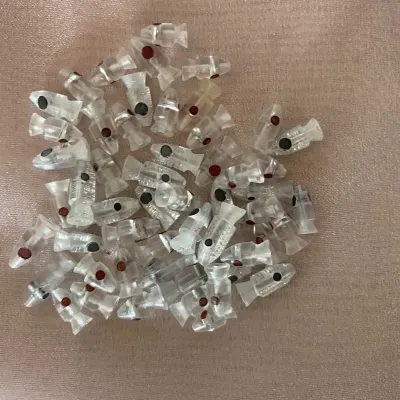
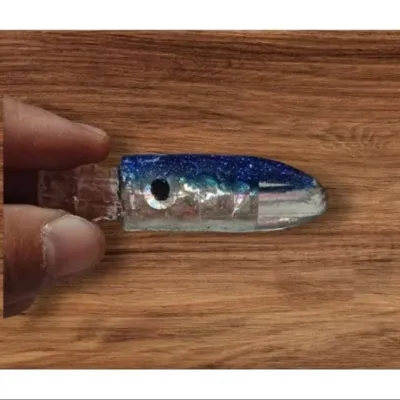
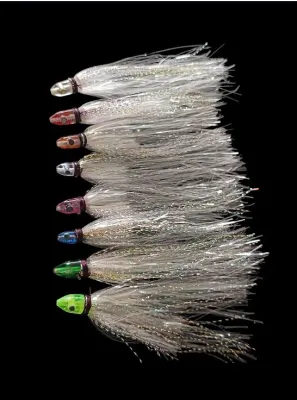
Prices are valid at publication and may change. Please refer to the product page for the latest price.
Before heading out, establishing a rigorous inspection checklist is essential for preventing gear failure. Run your fingernail along the hook point to verify its sharpness; a dull hook will fail to penetrate the hard mouths of marine predators. Examine the connection points where the wire or line secures to the weight, ensuring there are no sharp burrs or cracks that could cut your leader line under pressure. For pre-rigged setups, pull firmly on the leader to test knot strength and check that swivels rotate freely.
Matching Ulo Ulo Gear to Shore and River Environments
Shoreline and river fishing in the Philippines present unique challenges, particularly shallow depths, abundant underwater obstructions, and varying water clarity. When fishing from sandy beaches, rocky breakwaters, or mangrove-lined riverbanks, using excessively heavy ulo ulo gear will almost certainly result in snagging on submerged rocks, fallen logs, or marine vegetation. For these environments, lighter weights ranging from 5 to 15 grams are generally preferred. Streamlined profiles, such as bullet-shaped or elongated teardrop weights, allow the rig to slide easily over obstructions rather than wedging into tight crevices.

The choice of line thickness and hook size must also be carefully calibrated for shore and river targets. Estuary and river species like mangrove jack, wild tilapia, and localized snappers do not require the heavy-duty cables used in deep-sea angling. A monofilament or fluorocarbon leader of 10 to 20 pounds tensile strength paired with a size 1 to 2/0 hook is typically sufficient. This lighter tackle allows the bait to move more naturally in gentle river currents, enticing cautious fish that might otherwise be spooked by heavy rigging.
Water clarity is another critical factor that varies wildly between the rainy and dry seasons. During the monsoon season, rivers and coastal shallows often become turbid and muddy, meaning fish rely more on vibration and scent than sight. In these muddy conditions, a brighter, unpainted lead or brass weight can provide a subtle flash that helps fish locate your bait. Conversely, in the crystal-clear waters of dry-season coastal shallows, highly visible gear can deter wary fish. Opting for matte black, dark green, or brown coated weights helps blend the rig into the sandy bottom.
Selecting Ulo Ulo Setups for Boat and Deep Sea Fishing
Transitioning from the shore to a boat in the open sea requires a fundamental shift in your ulo ulo gear strategy. Deep-sea environments expose your tackle to extreme depths, powerful multi-directional currents, and highly aggressive pelagic and deep-dwelling species. To successfully reach the bottom in depths exceeding 50 meters, especially when fishing from a drifting boat or a traditional outrigger, you must scale up your weights significantly. Weights ranging from 40 to over 150 grams are often necessary to maintain a near-vertical line angle, which is crucial for detecting subtle bites.
The physical demands of saltwater fishing also require materials with exceptional tensile strength and corrosion resistance. Saltwater is highly corrosive, rapidly degrading low-grade metals and weakening connection points. Ensure that any steel components, such as hooks and swivels integrated into your ulo ulo rig, are explicitly rated as saltwater-grade, often made from high-carbon steel with specialized anti-corrosion coatings like tin or nickel plating. The leader line must also be upgraded to a heavy fluorocarbon material, typically between 40 to 80 pounds, to withstand abrasive teeth and sharp coral reefs.
Operating heavy rigs on a moving boat introduces specific safety and handling protocols that every angler must follow. When retrieving or preparing to cast a heavy ulo ulo rig, never allow the weighted end to swing freely, as a sudden wave can cause the heavy metal to strike the boat hull, damage fragile rod tips, or cause serious injury. Always secure the weight against the rod keeper or hold it firmly in your hand until deployment. When dropping the rig into deep water, control the spool speed with your thumb to prevent backlashes.
Cross-Scenario Compatibility and Gear Maintenance
While it is tempting to look for a single, universal ulo ulo setup that can handle every environment, doing so involves significant trade-offs. A mid-weight setup—such as a 30-gram rig with a medium-sized hook—can serve as a temporary compromise for deep rivers or calm, shallow coastal bays. However, this versatile rig will be too heavy and prone to snagging in shallow streams, while remaining far too light to reach the bottom in deep ocean currents. Anglers who frequently transition between fresh and saltwater are better served by maintaining dedicated tackle boxes with scenario-specific weights.
Regardless of where you fish, a disciplined post-trip cleaning routine is the single most effective way to extend the lifespan of your ulo ulo gear. The high humidity and salt-laden air of the Philippines accelerate rust and corrosion even when gear is stored inside a tackle box. After every outing, thoroughly rinse all used weights, hooks, and swivels under clean, running freshwater to dissolve salt crystals and wash away organic debris. Allow the components to dry completely on a clean towel in a well-ventilated area before storing them back in airtight containers.
During the cleaning process, take the time to inspect each component for subtle wear indicators that signal it is time for a replacement. Check the hooks for any signs of bending or structural fatigue, which can occur after pulling a snag free or fighting a heavy fish. Examine the leader line immediately above the weight for nicks, abrasions, or cloudiness, which indicate friction damage from rocks or fish teeth. Replacing a worn-out leader or a slightly rusted hook is a minor inconvenience that prevents the heartbreaking loss of a trophy fish.
Frequently Asked Questions (FAQ)
Can I use the same ulo ulo rig for both river and sea fishing?
While physically possible, using the exact same ulo ulo rig for both environments is highly inefficient and risks gear failure. Freshwater rigs are typically made with lighter, non-plated metals and thinner hooks that will rapidly corrode and weaken when exposed to harsh marine environments. Furthermore, the lighter weights used in calm river currents will fail to reach the bottom in deep sea conditions, while heavy sea rigs will constantly snag and disturb quiet river habitats.
How do I prevent my ulo ulo gear from tangling in strong currents?
To prevent tangles in fast-moving water, you must manage the relationship between your weight, line tension, and deployment angle. Use a streamlined, hydrodynamic weight that cuts through the water, and ensure your rig incorporates a high-quality, smooth-spinning barrel swivel to absorb line twist. When dropping your line, do not let it free-fall rapidly; instead, apply light tension to the spool to keep the leader extended away from the main line as it descends.
What should I check on the packaging when buying ulo ulo components?
When purchasing ulo ulo components, ignore vague marketing buzzwords and focus entirely on verifiable specifications. Check the packaging for the exact weight in grams, the specific material composition (such as lead, brass, or zinc), and the hook size and material rating (such as high-carbon steel or saltwater-resistant coating). Ensure the label indicates smooth, polished line holes or integrated protective sleeves, which are crucial for preventing line damage under heavy loads.

Community discussion
Share your experience or ask a question. Comments are reviewed before publication.