
Selecting the right Alpsport badminton racket depends on matching the frame’s physical specifications to your current swing speed, wrist strength, and technical development. Beginners generally benefit from lightweight, highly flexible, and even-balanced rackets that assist with power generation and minimize the risk of injury during early training. Intermediate players, who have developed consistent hitting form and faster swing speeds, require medium-to-stiff shafts and head-heavy or even-balanced frames to achieve greater shot precision, control, and smash power. Choosing a racket that does not align with your current skill level can stall your progress, lead to poor habits, and cause physical strain on your wrist and shoulder.
Understanding Skill-Level Requirements in Badminton Rackets
Badminton is a sport of rapid transitions, requiring a balance of explosive power and delicate control. For beginners, the primary challenge lies in mastering basic strokes, such as the high clear, drop shot, and basic serve. At this stage, players often have slower, less coordinated swing speeds and have not yet developed the forearm and wrist strength needed to generate effortless power. A beginner needs equipment that acts as an extension of their arm, offering a forgiving sweet spot and a flexible shaft that bends easily to whip the shuttlecock across the court.
Without this built-in flexibility, a novice player will often compensate by using excessive shoulder force or wild body swings. This mechanical compensation not only leads to inconsistent shots but also increases the risk of acute injuries like tennis elbow or rotator cuff strains. In tropical playing environments like the Philippines, where high humidity can make the air feel heavy and cause rapid physical fatigue, using an overly demanding racket compounds these physical risks.
Products mentioned in this guide
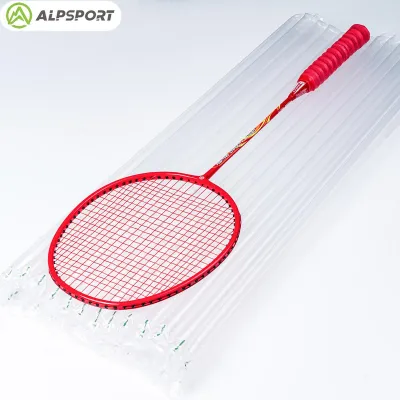
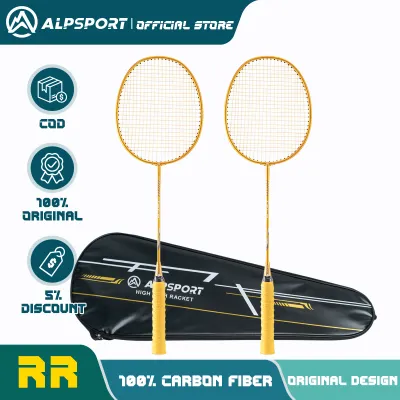
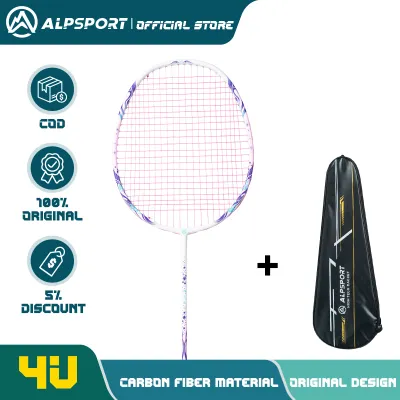
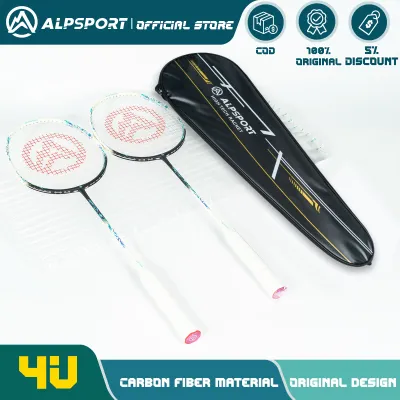
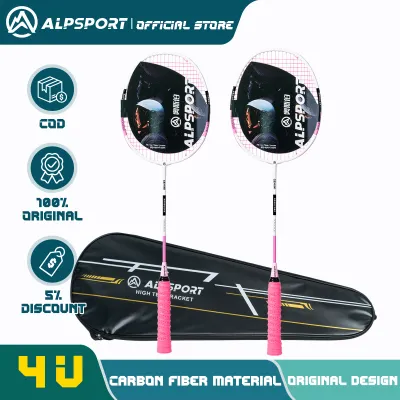
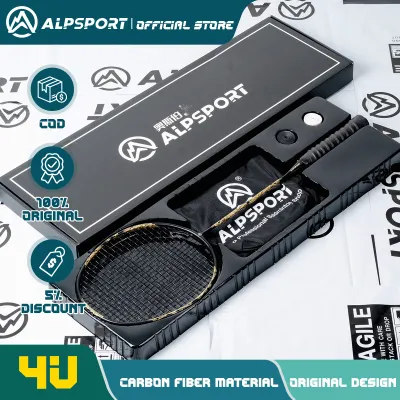
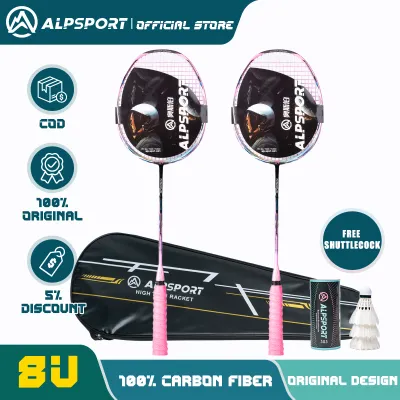
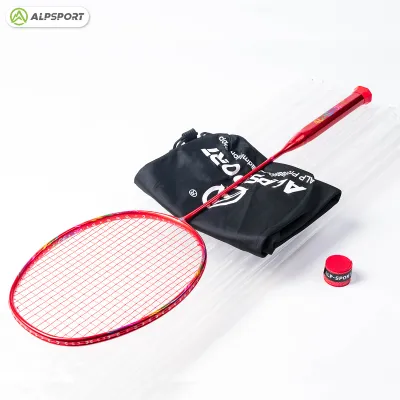
Prices are valid at publication and may change. Please refer to the product page for the latest price.
Intermediate players have transitioned past basic stroke mechanics and can consistently hit deep clears from baseline to baseline. Their game focuses on tactical placement, rapid defensive drives, and aggressive smashes. Consequently, their technical needs shift toward maneuverability, rapid recovery, and precise feedback from the racket face. An intermediate player has the wrist snap and forearm speed required to bend a stiffer shaft, which translates into faster shuttle speeds and tighter control over shot placement.
If an intermediate player continues to use a highly flexible beginner racket, they will likely experience a “mushy” feeling upon impact. The excess shaft flex delays the transfer of energy, causing fast-paced drives to fly wide or smashes to lose their sharp downward angle. To progress further, these players must transition to specifications that reward precise timing and faster swing speeds.
Decoding Alpsport Racket Specifications for Your Level
Alpsport rackets, like most modern badminton equipment, are categorized using standard industry specifications. Understanding these metrics allows you to filter through various models without relying on vague marketing descriptions. The key specifications to analyze are weight, balance point, shaft flexibility, and recommended string tension.

Weight is designated by the “U” rating system, which is typically printed on the racket cone or shaft. A lower number indicates a heavier racket. For example, 3U rackets weigh between 85 and 89 grams, 4U rackets weigh between 80 and 84 grams, and 5U or lighter rackets weigh under 80 grams. Heavier rackets (3U) offer more momentum for powerful smashes but demand greater physical strength to swing repeatedly. Lighter rackets (5U and below) offer exceptional speed for defensive blocks and quick net play, making them highly suitable for players managing fatigue in hot, humid indoor courts.
The balance point determines how the weight is distributed across the racket’s length. It is measured in millimeters from the bottom of the handle to the point where the racket balances perfectly. Head-heavy rackets (balance point above 295mm) concentrate weight at the top of the frame, acting like a hammer to generate massive downward force during smashes. Even-balance rackets (285mm to 295mm) distribute weight uniformly, offering a versatile blend of power and speed. Head-light rackets (below 285mm) place more weight near the handle, allowing for lightning-fast defensive reactions and quick wrist movements at the net.
Shaft flexibility refers to how much the racket bends during a swing. Manufacturers classify shafts as flexible, medium, or stiff. A flexible shaft bends easily, storing elastic energy during the backswing and releasing it at impact to help players with slower swings clear the shuttlecock deep into the opponent’s court. A stiff shaft resists bending, requiring a fast, explosive swing to activate its power. However, a stiff shaft provides immediate, highly accurate feedback, ensuring the shuttlecock goes exactly where the player directs it.
To verify these specifications on an Alpsport racket, look closely at the area just above the handle grip, known as the cone, or along the lower portion of the shaft. Reliable manufacturers laser-etch or print these details directly onto the carbon fiber. You will typically see a string of characters such as “4U G5” (indicating weight and grip size), “295±3mm” (indicating the balance point), and a recommended tension range like “22-28 lbs.”
Building Your Shortlist: What to Look for in Alpsport Models
When assembling a shortlist of potential Alpsport rackets, you must match these decoded specifications to your current physical capabilities and playing style. Beginners should establish a strict baseline of specifications designed to foster proper technique and prevent injury. The ideal beginner setup consists of a 4U or 5U weight class, a flexible shaft, and an even-balance or slightly head-light distribution.
This combination ensures the racket is light enough to swing comfortably for multi-hour sessions in local sports centers. The flexible shaft assists with deep clears, while the even balance prevents the wrist from becoming overloaded during defensive drills. When browsing online marketplaces or local sports shops, filter out any models labeled as “stiff” or “head-heavy,” as these will only hinder your learning curve.
Intermediate players should look for specifications that complement their developing tactical play. An intermediate shortlist should focus on 3U or 4U weights, a medium to stiff shaft, and an even-balance or head-heavy distribution. If you prefer an aggressive, smash-heavy singles game, a 3U head-heavy racket with a medium-stiff shaft will maximize your offensive output. If you specialize in fast-paced doubles play, a 4U even-balance racket with a stiff shaft will provide the quick handling and control needed for flat drives and net interceptions.
To finalize your selection, cross-reference these target profiles with the official specification sheets provided by authorized retailers. Avoid choosing a racket based solely on aesthetic designs or professional player endorsements. Instead, allocate your budget based on the quality of the materials, such as high-modulus carbon fiber, which offers better durability and vibration dampening. In the Philippines, entry-level carbon fiber rackets typically range from ₱1,000 to ₱2,500, while intermediate models featuring advanced frame geometries and higher tension tolerances can range from ₱2,500 to ₱5,000.
Pre-Purchase Verification and In-Store Checks
Before finalizing your purchase, whether buying from a physical retail store or receiving a delivery from an online marketplace, you must perform several physical quality checks. Carbon fiber rackets are highly engineered structures, and even minor manufacturing defects can lead to premature cracking under the high tension of badminton strings.
Begin by inspecting the frame and shaft under bright, direct light. Run your fingers gently along the entire length of the racket to feel for any structural inconsistencies, dents, or uneven paint applications. The frame should be perfectly symmetrical when viewed from the top down. Look closely at the grommets—the small plastic eyelets that protect the strings from the sharp edges of the carbon fiber holes. Ensure all grommets are present, seated flush against the frame, and free of splits or deformities.
Next, verify the recommended string tension limits printed on the racket shaft. Beginners should start with a lower tension, typically between 20 to 22 lbs, which enlarges the sweet spot and provides a trampoline effect for easier power generation. Intermediate players usually opt for 24 to 28 lbs to gain more control and feel. Ensure the racket’s certified limit safely exceeds your target tension. Attempting to string a racket beyond its rated capacity can warp the frame or cause it to collapse during stringing.
Finally, evaluate the stock grip size, which is usually designated as G5 (smaller) or G4 (larger). When holding the racket, there should be a finger-width gap between your fingertips and the palm of your hand. In hot, humid tropical climates, sweat can quickly make a standard synthetic grip slippery, leading to a loose hold and poor shot control. Plan to purchase a high-quality polyurethane overgrip or a cotton towel grip to wrap over the stock handle, ensuring a secure, moisture-absorbing hold during intense rallies. If any physical aspect of the racket contradicts the printed specifications or shows signs of structural weakness, stop the purchase or initiate a return immediately.
Frequently Asked Questions (FAQ)
Can a beginner use an intermediate Alpsport racket to improve faster?
Using an intermediate-level racket will not accelerate a beginner’s skill development and is highly likely to slow down their progress. Intermediate rackets feature stiffer shafts and heavier head balances that require precise timing, rapid wrist snap, and established forearm strength to use effectively. When a beginner attempts to swing a stiff racket, the shaft does not flex enough to assist with power generation. As a result, shots will fall short, and the player will instinctively swing harder using their shoulder and elbow, leading to poor form and physical strain. Beginners should focus on mastering footwork and stroke mechanics with a flexible, forgiving racket. You should only transition to intermediate specifications once you can consistently hit deep baseline-to-baseline clears with minimal physical effort.
How often should I upgrade my Alpsport racket as my skills progress?
You should upgrade your racket based on observable performance signals rather than a set timeline or cosmetic wear. Consider an upgrade when you notice your physical capabilities have outgrown your current equipment’s limits. For example, if your swing speed has increased and your clears are consistently flying out of bounds, or if you feel a distinct lag and lack of control during fast defensive exchanges, your flexible beginner racket may be holding you back. Another clear signal is when you can easily generate power but desire a higher string tension (above 24 lbs) that your current frame cannot safely support. If your racket still matches your playing style and physical comfort, there is no functional need to upgrade.

Community discussion
Share your experience or ask a question. Comments are reviewed before publication.