
Selecting the ideal water bottle size for your child involves balancing daily hydration needs with physical portability. In the tropical climate of the Philippines, where high humidity and warm temperatures increase the risk of dehydration, sending your child to school with enough water is a priority. However, a bottle that is too large becomes a heavy burden that can strain young shoulders and stretch backpack pockets. Finding the right balance ensures your child stays hydrated throughout the day without feeling weighed down by their school gear.
Matching Flask Capacity to Your Child's Age and Hydration Needs
For toddlers and preschool-aged children (ages 2 to 4), a capacity of 12 to 14 ounces is generally sufficient. At this developmental stage, children are still refining their motor skills, and a smaller volume keeps the bottle light enough for them to lift and drink from independently.
As children enter early grade school (ages 5 to 8), their daily water requirements increase, especially during outdoor play or physical education classes. An 18-ounce bottle offers a practical middle ground, providing enough water for several hours of school activity without adding excessive bulk to their daily carry.
Products mentioned in this guide
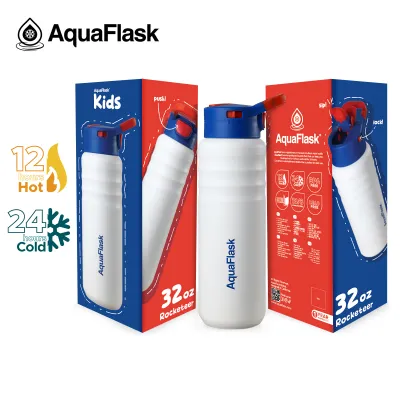
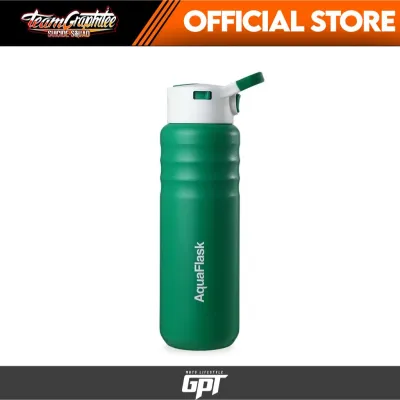
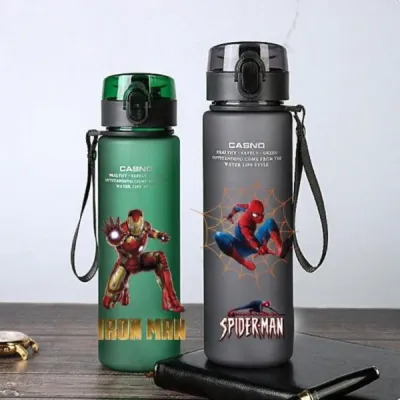
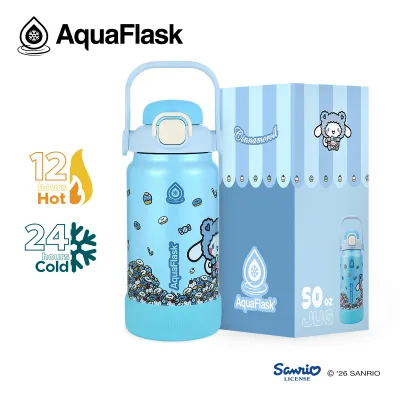
Prices are valid at publication and may change. Please refer to the product page for the latest price.
For older children and pre-teens (ages 9 to 12), a 22-ounce to 24-ounce flask is often the most suitable choice. These students spend longer hours at school and participate in more structured sports, requiring a larger volume of water to sustain them through hot afternoons.
Teenagers (ages 13 and up) can typically manage adult-sized flasks, such as 32 ounces or larger. Their physical strength allows them to carry heavier loads, which is necessary to meet the hydration demands of full school days, extracurricular activities, and commute times in warm weather.
When determining the right capacity, consider the availability of clean drinking water refills at your child’s school. If the school provides safe water dispensers, you can opt for a smaller, lighter flask that your child can refill during recess, rather than carrying a massive, heavy bottle from home.
Checking Physical Dimensions for Small Hands and School Bags
A bottle’s capacity only tells part of the story; its physical dimensions dictate how easily your child can handle it. Before purchasing, compare the outer diameter of the flask with your child’s hand span to ensure they can wrap their fingers securely around the body of the bottle.

A bottle that is too wide forces small hands into an awkward, weak grip, increasing the likelihood of accidental drops on hard school floors. For younger children, look for slim-profile designs or bottles specifically contoured for smaller hands to ensure a confident grip.
School bag compatibility is another critical factor that parents often overlook until the bottle arrives home. Measure the depth and width of your child’s backpack side pockets, as many standard elastic or mesh pockets are designed for slim plastic bottles and may not stretch enough to accommodate wider insulated flasks.
If the flask must be carried inside the main compartment of the backpack, check the height clearance to ensure the bag can zip shut without putting pressure on the bottle’s lid. Keep in mind that different lid styles, such as extended straw lids or heavy-duty carry loops, add extra height to the overall dimensions of the flask.
When measuring, always account for these lid variations, as a flip-top sports cap or an integrated carry handle can add up to two inches to the manufacturer’s base bottle height, potentially preventing it from fitting into standard lunchboxes or side pockets.
Evaluating Weight, Durability, and Leak Prevention for Daily Carry
The weight of an empty stainless steel flask is already higher than that of a plastic alternative, and adding water increases the load significantly. Because water weighs approximately one gram per milliliter, a fully filled 18-ounce bottle adds more than half a kilogram of weight to your child’s backpack.
To prevent shoulder strain and posture issues, calculate the total combined weight of the filled flask and the backpack before finalizing your choice. Ensure the total weight of the loaded backpack does not exceed ten to fifteen percent of your child’s body weight, adjusting the flask size downward if necessary.
Durability is essential for school environment survival, where bottles are frequently dropped on concrete playgrounds or tiled classroom floors. Look for flasks with durable powder-coated finishes that resist scratching and provide a non-slip texture for sweaty hands during humid days.
Adding a silicone boot to the base of the flask is a highly effective way to absorb impact, prevent dents, and reduce the loud clanging noise when the bottle is placed on a desk. This simple accessory also adds traction, preventing the bottle from sliding off slanted school desks.
Leak prevention is paramount when the bottle is stored alongside schoolbooks, notebooks, and electronic devices. Verify that the lid features a secure, food-grade silicone gasket and a reliable locking mechanism to prevent accidental openings while tumbling inside a moving school bag.
Common Sizing and Selection Mistakes to Avoid
One of the most common mistakes is purchasing an oversized flask under the assumption that more water is always better. While a larger bottle reduces the need for refills, it often remains half-empty because the child finds it too heavy to carry, defeating the purpose of the purchase.
Another frequent error is failing to test the lid mechanism before sending the child to school with the new bottle. Some leak-proof lids require significant grip strength or complex button coordination that younger children may struggle to operate independently, leading to frustration or dehydration.
Parents also commonly overlook the compatibility of the bottle with standard cup holders in school buses, family vehicles, or classroom desks. A bottle that constantly tips over because it does not fit securely in designated holders is more likely to sustain damage or cause spills.
Finally, avoid buying bottles with delicate, painted designs that easily chip or peel, as these can look worn quickly and may pose a peeling hazard. Opting for solid, textured colors with protective silicone accessories ensures the bottle remains functional and visually appealing throughout the school year.
Frequently Asked Questions (FAQ)
Can a toddler safely use a standard stainless steel bottle with a straw lid?
While stainless steel is highly durable and free from harmful chemicals, standard double-wall insulated bottles can be heavy and hard for toddlers to manage safely. If dropped, a heavy metal bottle can cause injury to small feet or damage household surfaces. For very young children, look for lightweight, single-wall stainless steel options or smaller insulated bottles specifically designed for toddlers. Always check the manufacturer’s age recommendations and inspect the straw lid regularly for small, detachable parts that could pose a choking hazard if chewed loose.
How do I ensure the bottle stays clean when carried in a school bag all day?
To prevent mold and unpleasant odors from developing in the humid Philippine climate, establish a daily cleaning routine. Wash the bottle, lid, and straw every evening using warm, soapy water and a dedicated bottle brush that reaches the bottom of the flask. Pay close attention to the silicone gaskets and straw joints, as these areas easily trap moisture and organic residue. Allow all components to air-dry completely in a well-ventilated area before reassembling the bottle for the next school day to ensure a fresh, hygienic drinking experience.

Community discussion
Share your experience or ask a question. Comments are reviewed before publication.