
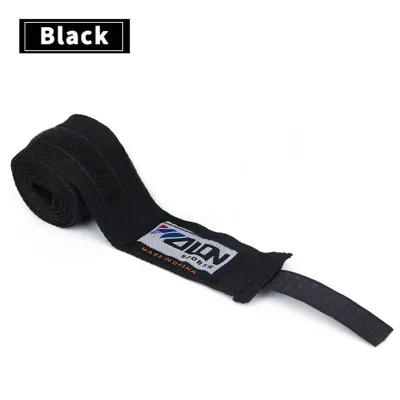
The best athletic bandage wrap for home heavy bag training is a semi-elastic cotton-spandex blend measuring 180 inches. This combination provides the optimal balance of customizable knuckle padding, secure wrist stabilization, and flexibility to adapt to solo training demands. While traditional non-stretch cotton offers rigid support, it requires precise wrapping technique that can be difficult to maintain without a coach. Semi-elastic wraps conform closely to the hand’s contours, maintaining consistent tension even as you sweat in a humid home gym environment.
Assessing the Demands of Solo Heavy Bag Workouts
Solo heavy bag training presents unique physical challenges compared to supervised gym sessions. Without a coach present to monitor your alignment, minor errors in punching form can repeatedly stress your wrist joints and knuckles. Every strike against a dense, hanging heavy bag sends high-impact forces back through your hand, making proper hand wrapping your primary line of defense against strain.
In a home setup, training frequency and environmental conditions dictate your gear requirements. If you train multiple times a week in a warm, tropical climate like the Philippines, your wraps will absorb significant amounts of sweat and oils. This high-humidity environment means your wraps must withstand frequent washing cycles without losing their structural integrity or shrinking excessively.
Products mentioned in this guide
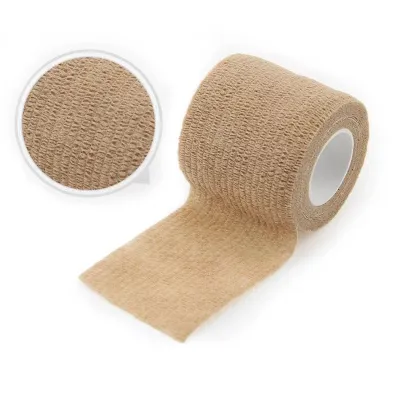
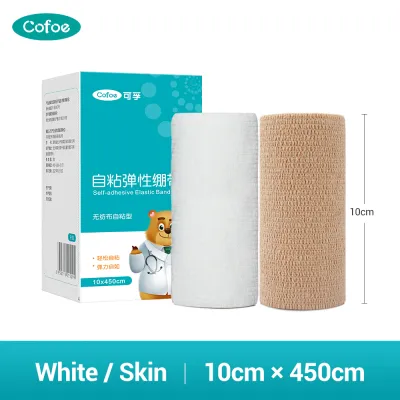
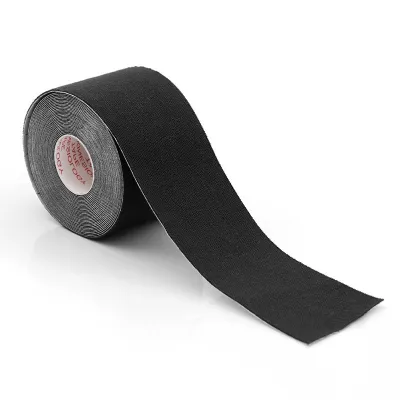
Prices are valid at publication and may change. Please refer to the product page for the latest price.
Your current glove size and internal padding also influence your wrap choice. A compact 10-ounce or 12-ounce glove offers less internal space, requiring a thinner wrap to avoid restricting hand movement. Conversely, larger 14-ounce or 16-ounce training gloves accommodate thicker, more protective wrapping styles that fill the glove’s interior cavity comfortably.
Comparing Wrap Materials for Support and Durability
Selecting the right fabric involves balancing wrist stability, knuckle cushioning, and long-term durability. Manufacturers typically offer wraps made from 100% cotton or cotton-spandex blends, each presenting distinct physical properties. Checking the product specifications for weave density and material composition helps you predict how the wrap will perform under heavy impact.

Weave density directly affects both shock absorption and breathability. A tightly woven, thick fabric provides excellent cushioning for your knuckles but may trap heat and moisture, making your hands feel uncomfortably hot during long sessions. A lighter, more breathable weave allows sweat to evaporate quickly, which is essential for maintaining comfort in warm home training spaces.
Before committing to full-power strikes on a heavy bag, perform a simple fit test at home. Wrap your hands and shadow box for a few minutes to observe how the material holds its tension. If the wrap slips, bunches, or cuts off circulation during light movement, adjust your wrapping technique or consider a different material blend.
Traditional Cotton and Cotton-Blend Wraps
Traditional 100% cotton wraps, often referred to as classic or canvas wraps, are valued for their rigid, unyielding support. Because the fabric does not stretch, it creates a highly stable, cast-like structure around your wrist joint when applied correctly. This rigidity is particularly beneficial for practicing heavy straight punches, where keeping the wrist perfectly straight is critical.
Maintaining pure cotton wraps in a home laundry setup requires some care. While cotton is highly durable and can withstand hot water washes, it is prone to severe tangling and wrinkling if thrown directly into a washing machine. Using a mesh laundry bag and hanging the wraps to air dry helps preserve their shape and prevents the hook-and-loop fasteners from damaging other clothing.
New cotton wraps often feel stiff and abrasive against the skin during your first few workouts. They require a brief break-in period, during which repeated washing and use will gradually soften the fibers. This softening process makes the wraps more comfortable to wear without compromising their ability to lock your joints in place.
Elastic and Stretch-Blend Wraps
Elastic or stretch-blend wraps, commonly known as Mexican-style wraps, incorporate spandex or elastomer fibers into the cotton weave. This elasticity allows the wrap to stretch and conform precisely to the unique contours of your hand, fingers, and wrist. The slight stretch makes it easier for beginners to achieve a snug, secure fit without creating high-pressure spots.
However, the elasticity of these wraps requires careful tension management during application. Pulling the wrap too tight can restrict blood circulation, leading to numbness or tingling in your fingers mid-workout. Conversely, if applied too loosely, the elastic fibers may stretch out and loosen as they absorb sweat, causing the wrap to shift inside your glove.
Caring for stretch-blend wraps requires avoiding high heat, which can rapidly degrade the elastic fibers over time. Always check the manufacturer’s care label, but generally, washing them in cold water and air drying them away from direct sunlight will prolong their lifespan. Avoid using commercial dryers, as the intense heat can cause the spandex to lose its elasticity, leaving you with limp, unsupportive bands.
Selecting the Proper Length for Hand Size and Wrapping Style
Choosing the correct length of your athletic bandage wrap is crucial for ensuring complete coverage and preventing the wrap from coming undone. Standard wrap lengths typically range from 120 inches (about 3 meters) to 180 inches (about 4.5 meters). Matching this length to your hand dimensions ensures you have enough material to protect all critical areas.
To establish a baseline, consider your hand circumference and finger length. Smaller hands or youth training setups can often achieve adequate protection with a 120-inch wrap, which avoids excess bulk inside smaller gloves. For average to large adult hands, a 180-inch wrap is generally recommended to ensure there is enough fabric to cover the wrist, knuckles, thumb, and individual fingers.
Your preferred wrapping style also dictates the required length. If your training routine focuses heavily on power punches, you may prefer a style that creates a thick pad over the knuckles and adds multiple stabilizing passes around the wrist and thumb. This advanced wrapping method requires the full 180 inches of material to complete safely without running out of fabric before the closure is reached.
Evaluating Closure Systems and Practical Features
A secure fastening system is essential for solo home training, where you must be able to wrap and secure both hands without assistance. Most modern wraps feature hook-and-loop closures at the end, which allow for quick, adjustable fastening. Inspect the width and stitching of this closure to ensure it can withstand the pulling forces of regular use.
The quality of the hook-and-loop material determines how well it stays closed during intense bag work. Low-quality fasteners can curl at the edges, scratching the inner lining of your boxing gloves or irritating your wrist skin. Look for wide, low-profile closures that lie flat and secure firmly against the landing strip.
Practical design features like integrated thumb loops and starting anchors greatly simplify the wrapping process. A sturdy thumb loop allows you to anchor the wrap securely at the start, preventing the fabric from slipping as you make your first passes around the wrist. Ensure the loop is stitched flat to avoid creating a painful pressure point under your glove.
Building Your Home Training Wrap Maintenance Routine
Establishing a consistent maintenance routine keeps your wraps hygienic, odor-free, and structurally sound. Because home training spaces often lack the commercial ventilation of professional gyms, damp wraps left in a gym bag can quickly develop mold and unpleasant odors. Hang your wraps to air dry immediately after every training session.
Develop a washing schedule based on your weekly training frequency. If you train three to four times a week, owning at least two or three pairs of wraps allows you to rotate them, ensuring you always have a clean, dry pair ready. Wash your wraps after every use to remove accumulated sweat, salt, and bacteria that can degrade the fabric.
Regularly inspect your wraps for signs of wear and tear that compromise their protective qualities. Check for fraying edges, loose stitching around the thumb loop, stretched-out elastic, or hook-and-loop fasteners that no longer grip securely. Replace your wraps immediately if they can no longer hold consistent tension, as worn-out wraps fail to provide the joint stabilization needed for heavy bag training.
Frequently Asked Questions (FAQ)
Can I use quick-wrap gloves instead of traditional athletic bandage wraps for heavy bag training?
Quick-wrap gloves, which feature slip-on gel padding and a short wrist strap, offer convenience for quick home workouts but do not provide the same level of protection as traditional wraps. Traditional wraps allow you to customize the distribution of fabric, reinforcing specific areas like a weak wrist or tender knuckles. Quick wraps have fixed padding that may not align perfectly with your hand structure, and their short straps offer minimal wrist stabilization. For intense, repetitive heavy bag training, traditional cloth wraps remain the safer choice for joint alignment.
How tight should an athletic bandage wrap feel when applied?
An athletic bandage wrap should feel snug and supportive, like a firm second skin, without causing discomfort or restricting blood flow. You can verify correct tension by checking the capillary refill in your fingernails; press a nail bed, and the color should return to pink almost instantly. Perform a functional check by making a tight fist and rotating your wrist. The wrap should tighten securely across your knuckles and wrist when your fist is closed, but feel comfortably relaxed when your hand is open. If you experience throbbing, cold fingers, or tingling, unwrap your hand immediately and reapply with less tension.

Community discussion
Share your experience or ask a question. Comments are reviewed before publication.