
Finding the right pair of swimming goggles depends entirely on where and how you swim. Whether you are training in a local lap pool, navigating the open waters of a tropical beach, or enjoying a relaxed weekend dip with family, your eyewear must match your environment. Azee swimming goggles offer various designs tailored to these distinct activities, but selecting the right pair requires evaluating specific features like lens tints, gasket sizes, and frame profiles. By matching these technical specifications to your personal swimming habits, you can ensure a leak-free, comfortable, and clear view under the water.
Matching Goggle Features to Your Swimming Environment
Every swimming environment presents unique challenges to your vision and comfort. A controlled indoor pool has consistent overhead lighting and chemically treated water, which demands a different set of goggle features compared to natural, unpredictable bodies of water. In open water, you must contend with shifting sunlight, surface glare, and floating debris, making visibility and eye protection your highest priorities. Understanding these environmental differences is the first step in narrowing down your options.
Tropical climates introduce specific factors like high humidity and intense solar radiation. High humidity can accelerate fogging on the inside of your lenses, while strong sunlight requires robust ultraviolet protection. If you primarily swim outdoors during the brightest hours of the day, your goggles must act as a shield against intense glare. Conversely, if your sessions take place in covered pools or during early morning hours, heavy tints will restrict your vision and make it difficult to navigate your lane.
Products mentioned in this guide
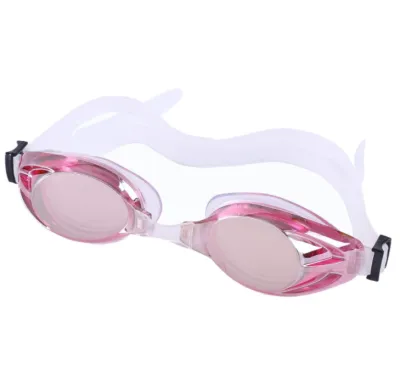
![YUPARD [COD] Anti-Fog and Anti-Leak Swimming Goggles Mirrored Lens UV Protection Easy-Adjust Silicone Strap with EarPlug Adult Men Women](https://img.lazcdn.com/g/p/a09b7a9ee517fc57a6c47f1cbb06e581.jpg_400x400q80.jpg_.webp)
Prices are valid at publication and may change. Please refer to the product page for the latest price.
The duration and intensity of your swimming sessions also dictate the physical design of the goggles. High-intensity training requires a secure, low-profile fit that remains stable during fast turns and explosive starts. Leisure swimming, on the other hand, prioritizes long-term comfort, where a softer, wider seal prevents pressure headaches and skin irritation. Before looking at specific models, assess how often you swim, the typical duration of your workouts, and whether you prioritize speed or comfort. This self-assessment prevents over-investing in specialized competitive gear that might sacrifice comfort for minor hydrodynamic gains.
Key Requirements for Lap Swimming and Pool Training
Lap swimming and structured pool training demand gear that minimizes resistance and stays securely in place. When performing repetitive strokes, flip turns, and high-speed sets, bulky goggles can catch the water, causing them to shift or leak. To prevent this, look for low-profile, hydrodynamic frames. These designs sit closer to your eye sockets, reducing drag and allowing water to flow smoothly over your face. They are also designed to fit neatly under standard silicone or latex swim caps without pushing against the edges.

Lens selection for pool training depends heavily on the facility’s lighting conditions. For outdoor pools exposed to bright sunlight, mirrored or dark-tinted lenses are highly beneficial. Mirrored coatings reflect light away from your eyes, reducing brightness and helping you focus on the black line at the bottom of the pool. If you train in covered or indoor facilities, clear, light blue, or yellow lenses are much more suitable. These lighter tints maximize light transmission, helping you see clearly in dimmer environments without distorting your depth perception.
Another critical factor for lap swimmers is the adjustability of the nose bridge. A secure, leak-proof seal relies on the goggles matching the exact distance between your eyes. Many training goggles come with interchangeable nose bridges of varying lengths, allowing you to customize the fit. When purchasing, verify the product specifications to ensure the model includes these adjustable pieces. A correct nose bridge setting prevents the gaskets from pulling too tightly on the outer corners of your eyes or pinching the bridge of your nose, ensuring a dry swim throughout your entire workout.
Essential Features for Open Water and Triathlon
Swimming in open water, such as lakes, seas, or oceans, requires a completely different approach to goggle design. Unlike the structured lanes of a pool, open water presents navigation challenges where you must constantly sight landmarks, buoys, or other swimmers. For this reason, wide-field-of-view lenses are essential. Goggles designed for open water typically feature curved lenses that extend your peripheral vision, allowing you to monitor your surroundings without constantly turning your head.
Before entering open water, always assess your swimming ability, local weather conditions, and water currents. Equipment like goggles cannot replace proper training, open-water safety judgment, or a flotation device. If visibility drops significantly due to sudden weather changes or heavy rain, safety dictates that you stop swimming and return to shore immediately.
Sun glare on the water’s surface can be blinding, especially during early morning or late afternoon swims when the sun is low on the horizon. To combat this, look for polarized lenses. Polarization filters out horizontal light waves, significantly reducing the harsh glare reflecting off the water. Additionally, always check the product packaging or manufacturer details to verify that the goggles offer 100% UV protection. Prolonged exposure to ultraviolet rays during long open-water sessions can cause eye strain and long-term damage, making UV-blocking lenses a non-negotiable safety feature.
Comfort during extended open-water swims is heavily dependent on the gasket material and shape. Because you may be wearing the goggles for an hour or more without removal, look for softer, wider silicone gaskets. These gaskets distribute pressure more evenly across a larger surface area around your eyes, reducing the risk of deep bruising and discomfort. A wider seal also provides a more reliable barrier against choppy waves and accidental contact from other swimmers during crowded triathlon starts.
Prioritizing Comfort for Recreational and Leisure Swimming
For casual swimmers, families, and those who enjoy relaxed weekend dips, high-performance features like hydrodynamics and polarization are less critical than overall comfort and ease of use. If your primary goal is to splash around, play water games, or swim at a leisurely pace, look for larger, mask-style or mid-size frames. These designs feature generous silicone skirts that seal around the forehead and cheekbones rather than sitting directly inside the delicate eye sockets. This significantly reduces pressure and eliminates the marks that tighter training models leave behind.
Casual swimmers often handle and store their gear less meticulously than competitive athletes, making durability a key consideration. When browsing options, check for models that feature scratch-resistant treatments on the outer lenses. This helps protect the goggles when they are tossed into a beach bag alongside keys, towels, and sunscreen. Additionally, verify that the lenses have a reliable anti-fog coating to prevent the frustrating condensation that occurs when moving between warm tropical air and cooler water.
The strap adjustment system is another area where leisure goggles should prioritize simplicity. Look for quick-adjust mechanisms, such as side buttons or rear buckles, that allow you to tighten or loosen the strap with a single pull. This is especially important for families sharing gear or for swimmers who want to make quick adjustments while in the water without taking the goggles completely off. A user-friendly strap system ensures that swimmers of all ages and skill levels can achieve a comfortable, secure fit without frustration.
Verifying Fit, Seal, and Comfort Before Purchase
No matter how many advanced features a pair of goggles has, they will not perform well if they do not fit your unique facial structure. To ensure a proper fit before you head to the water, you can perform a simple suction test. Hold the goggles gently against your eyes without putting the strap over your head. Press the frames slightly to expel the air inside the cups. If the goggles stick to your face for a few seconds before releasing, it indicates that the gasket contour matches your facial structure and will likely create a reliable, watertight seal.
During this physical evaluation, pay close attention to how the nose bridge feels against your skin. If the goggles pinch the bridge of your nose or pull the eye cups too close together, you will experience discomfort within minutes of swimming. Check whether the model you are considering features a flexible, self-adjusting nose bridge or if it includes multiple interchangeable nose pieces. Having these options allows you to fine-tune the distance between the lenses to match the width of your face perfectly.
When purchasing goggles online through an ecommerce platform, physical testing is not possible beforehand. In these cases, it is crucial to carefully review the seller’s return and exchange policies. Because swimming goggles are considered personal hygiene items, many platforms and retailers restrict returns once the protective packaging or hygiene seals are broken. Read customer reviews to see if other buyers with similar facial shapes have reported fit issues, and look for detailed sizing charts provided by the manufacturer to minimize the risk of ordering an incompatible model.
Care and Maintenance to Preserve Lens and Seal Integrity
Proper maintenance is essential for extending the lifespan of your swimming goggles and preserving their optical clarity. After every swim, make it a habit to rinse your goggles thoroughly with fresh, cool water. This simple step removes chlorine, salt, sand, and sweat, all of which can degrade the silicone gaskets and cloud the lenses over time. Avoid using warm or hot water, as high temperatures can warp the delicate silicone and weaken the adhesive holding the lenses in place.
One of the most common ways swimmers accidentally ruin their goggles is by touching the inside of the lenses. The factory-applied anti-fog coating is incredibly delicate and can easily be scratched or wiped away by fingers, towels, or clothing. Never use household soaps, dishwashing liquids, or abrasive glass cleaners on your goggles, as these chemicals will strip the protective coatings and can cause severe eye irritation during your next swim. Instead, let the goggles air dry completely in a shaded, well-ventilated area.
Once dry, store your goggles in a hard protective case rather than tossing them loose into your swim bag. This prevents other gear from scratching the lenses or crushing the frame. Keep the storage case away from direct sunlight and extreme heat, such as inside a parked car or on a sunny balcony. Prolonged exposure to high heat and UV rays will cause the silicone straps and gaskets to dry out, lose their elasticity, and eventually crack, rendering the goggles unusable.
Frequently Asked Questions (FAQ)
How do I fix foggy Azee goggles if the anti-fog coating wears off?
The factory anti-fog coating on swimming goggles is temporary and will naturally wear off over time due to water exposure, friction, and environmental factors. When this happens, you do not need to replace the goggles. You can restore clear vision by using a commercially available, swim-safe anti-fog spray or drops designed specifically for polycarbonate lenses. Apply the solution according to the manufacturer’s instructions, rinse the goggles lightly in clean water, and they will be ready for your next session. Avoid using household alternatives like saliva, baby shampoo, or glass cleaners, as these can damage the lens material or cause painful eye irritation when mixed with pool water.
Can I replace the straps or nose bridges on my Azee goggles?
Whether you can replace these components depends entirely on the specific design of your goggle model. Many performance and training goggles are designed with modularity in mind, featuring interchangeable nose bridges and standard strap attachment points that allow you to swap out worn parts. However, many recreational and leisure models feature fixed, molded nose bridges and integrated straps that cannot be removed. Before attempting to replace any parts, check the product packaging or manufacturer specifications. Forcing a non-compatible strap or bridge onto a fixed frame can tear the silicone, break the plastic clips, and permanently ruin the structural integrity of the goggles.

Community discussion
Share your experience or ask a question. Comments are reviewed before publication.