
Choosing the right ball rack depends entirely on where you play and how many basketballs you need to store. A home setup demands space efficiency, aesthetic integration, and floor protection, while a dedicated court environment requires high capacity, mobility, and heavy-duty weather resistance. Selecting the wrong style can lead to cluttered spaces, damaged floors, or rapidly deteriorating equipment due to environmental exposure.
To make the best decision, you must weigh your physical space constraints against your daily training or recreational needs. A compact wall-mounted ring might keep a single ball tidy in a bedroom, but a full-sized rolling cart is essential for managing team drills on an outdoor court. By matching the rack’s design to your specific environment, you protect your investment in both the storage system and the basketballs themselves.
Assessing Your Space, Capacity, and Environment
Before purchasing any ball rack, take precise measurements of your intended storage area to avoid blocking walkways or doors. Floor space is often at a premium in residential garages, carports, or hallways, making vertical clearance a critical factor. If you are considering a wall-mounted option, ensure you have enough overhead and lateral clearance to retrieve the balls without scraping your hands against adjacent shelves or the ceiling.
Products mentioned in this guide
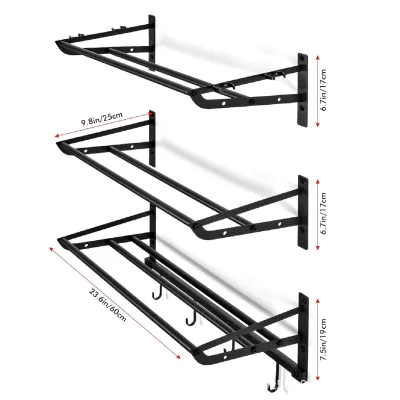
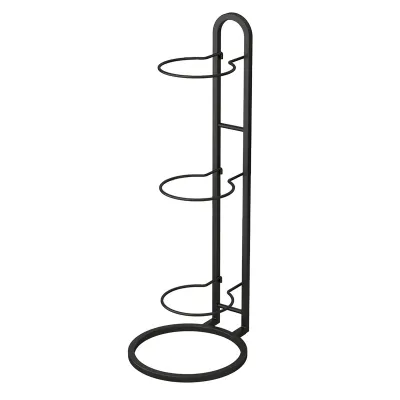
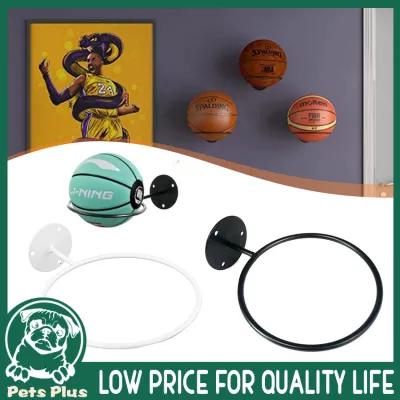
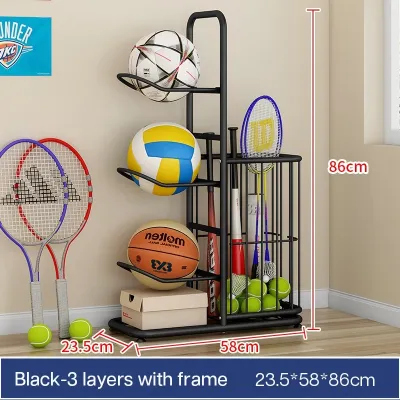
Prices are valid at publication and may change. Please refer to the product page for the latest price.
Next, audit your current basketball inventory and anticipate future additions. A household with one or two active players might only need a simple vertical stand, whereas a local community court or school training program may require a high-capacity cart that holds dozens of balls. Overloading a rack beyond its intended capacity can lead to structural failure, bent frames, or tipping hazards.
Environmental factors play a massive role in the longevity of both the rack and the basketballs. In tropical climates with high humidity and heavy seasonal rainfall, outdoor storage exposes equipment to moisture, which accelerates rust on untreated metal frames. Direct sunlight and high temperatures can also degrade rubber and synthetic leather basketballs, causing them to warp or lose grip. If you must store equipment outdoors or in an open carport, prioritize materials with weather-resistant finishes and UV protection.
Best Ball Rack Styles for Home and Indoor Storage
Keeping basketballs organized at home does more than just tidy up a room; it prevents serious tripping hazards and protects your walls from dirty scuff marks. When balls are left rolling on the floor, they can easily cause falls or get damaged by household traffic. Choosing a dedicated indoor rack ensures your gear remains clean, dry, and ready for your next practice session.

Wall-Mounted Racks for Space Saving
Wall-mounted racks are an excellent solution for tight spaces where floor area must remain completely clear. Before installing one, you must assess your wall type and locate the structural studs, as drywall alone cannot reliably support the weight of multiple heavy basketballs. Always verify the manufacturer’s recommended mounting hardware and weight limits to ensure a secure installation.
When planning the layout, check the vertical clearance required to lift the balls in and out of the holders comfortably. Mounting a rack too close to a ceiling or under a low shelf makes retrieval difficult and increases the risk of dropping the ball. For concrete or masonry walls, which are common in many homes, ensure you use the appropriate masonry anchors and a hammer drill to create a stable, permanent mount.
Compact Freestanding and Portable Options
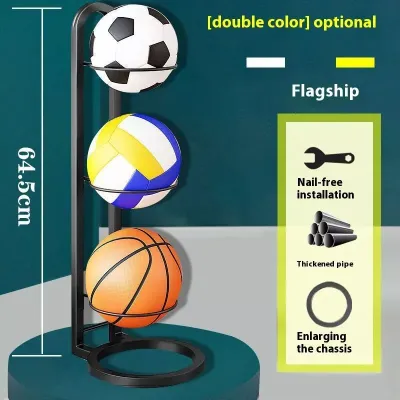
For renters or those who prefer not to drill into their walls, compact freestanding racks offer a flexible and non-permanent storage alternative. When evaluating these options, look for designs featuring a low center of gravity or a wide, stable base to prevent the unit from tipping over when fully loaded. A top-heavy rack can easily fall if bumped by children or pets, potentially causing injury or property damage.
Measure the footprint of the freestanding unit to ensure it fits neatly into corners, closets, or behind doors without obstructing daily foot traffic. Additionally, check product labels for protective rubber feet or non-marking base materials. These features are essential for protecting indoor flooring, such as hardwood, tile, or laminate, from scratches and scuffs when the rack is moved or loaded.
Heavy-Duty Rack Options for Courts and Outdoor Use
Court environments and outdoor play spaces demand a completely different level of durability, capacity, and mobility. Whether managing a backyard half-court or a community facility, your storage solution must withstand constant physical use and exposure to the elements. Heavy-duty racks are engineered to handle these rigorous conditions while keeping large quantities of basketballs organized and accessible.
Rolling Racks for High Capacity and Mobility
Rolling ball carts are the standard choice for active courts where basketballs must be transported frequently from a storage room to the playing surface. When selecting a rolling rack, verify that the caster wheels are designed for your specific ground surface, whether it is smooth indoor hardwood or rough outdoor concrete. Look for heavy-duty wheels with reliable locking mechanisms to keep the cart securely in place during fast-paced drills.
Inspect the manufacturer’s specifications regarding weight capacity and structural reinforcements, particularly around the wheel axles and frame joints. A fully loaded cart carries significant weight, and weak joints can buckle under the stress of constant movement. Additionally, evaluate the handle height and grip design to ensure comfortable, ergonomic pushing and pulling, reducing strain on coaches, players, or facility staff.
Large Freestanding Racks for Fixed Court Setups
If your court setup does not require frequent transport, a large, stationary freestanding rack provides a highly stable and permanent storage solution. For outdoor installations exposed to rain and intense sunlight, carefully review the product specifications for weather-resistant features. Look for powder-coated steel, rust-inhibiting primers, or UV-treated materials that prevent corrosion and structural degradation over time.
To ensure safety in windy outdoor conditions, check if the base design allows for anchoring directly into the concrete or adding ballast, such as sandbags or water weights. A large, unanchored rack can act like a sail in high winds, posing a severe tipping hazard. Finally, verify that the spacing between the tiers or slots allows players to grab and return balls quickly without pinching their fingers or disrupting the flow of practice.
Cross-Scenario Compatibility and Maintenance Checks
While it might be tempting to buy a single rack for all situations, using a hybrid approach requires careful consideration of the trade-offs. Bringing a heavy-duty rolling cart from an outdoor concrete court onto an indoor hardwood floor can track in abrasive dirt, gravel, and moisture, which can ruin the floor’s finish. Conversely, using a lightweight indoor rack outdoors will quickly lead to rust, paint peeling, and structural failure due to lack of proper weatherproofing.
To maximize the lifespan of your storage equipment, establish a routine maintenance checklist. Periodically inspect all joint tightness, tightening any loose bolts or screws that may have backed out during use. Clean dust, sweat, and outdoor debris from the tiers using a damp cloth, and dry the surfaces thoroughly to prevent moisture buildup. Regularly check all metal components, especially welded joints and corners, for early signs of paint chipping or corrosion.
Knowing when to retire or repair a rack is crucial for maintaining a safe environment. You should immediately cease using any ball rack if you observe structural bending, cracked welds, wheel failures, or severe rust that compromises its stability. Continuing to use a compromised rack risks sudden collapse, which can cause injuries or damage your basketballs. If you notice these issues, consult the manufacturer’s guidelines for replacement parts or safely dispose of the unit.
Frequently Asked Questions (FAQ)
Can I use an indoor ball rack outside if it is under a roof?
Even if an indoor ball rack is placed under a roof, such as in a covered patio or open carport, it remains exposed to ambient humidity, blowing rain, and temperature fluctuations. Standard indoor racks typically lack the specialized rust-resistant coatings required to withstand these conditions over time. Always check the manufacturer’s environmental guidelines before placing a rack semi-outdoors, and inspect it frequently for signs of moisture damage, mold, or early rust.
How do I prevent basketballs from falling off a wall-mounted rack?
Preventing basketballs from falling starts with a correct and secure installation. Always follow the included installation manual precisely, using the specific wall anchors and screws recommended for your wall type, whether it is drywall, wood studs, or concrete. Additionally, verify that the basketballs are fully seated in their designated slots or rings, and avoid overloading the rack beyond its stated weight and ball capacity limits.

Community discussion
Share your experience or ask a question. Comments are reviewed before publication.