
Selecting the ideal human-shaped punching dummy—commonly known as a BOB (Body Opponent Bag)—for a home gym in the Philippines depends on your specific training discipline, physical stature, and the environmental conditions of your workout space. Because these freestanding targets simulate a realistic human torso, they are highly effective for practicing targeted strikes, self-defense angles, and precision combinations. However, finding the right model requires balancing the physical dimensions of the dummy against your available floor space, floor durability, and the high-humidity tropical climate. By evaluating your training goals and verifying the structural specifications of different models, you can establish a safe, durable, and highly functional home boxing corner.
Assessing Your Training Goals and Home Space
Before purchasing a heavy training dummy, you must define your primary athletic objectives. If your routine focuses strictly on boxing, a standard torso that replicates the head and chest area is generally sufficient for practicing jabs, hooks, and uppercuts. For martial arts that incorporate low kicks, knee strikes, or clinching, an extended model with a longer midsection or simulated thighs becomes necessary. Clearly identifying your discipline prevents you from purchasing a model that limits your striking range or, conversely, paying for lower-body target areas you will not use.
Equally critical is the physical layout of your designated training area. A freestanding punching dummy requires a clear radius of at least 1.5 to 2 meters of unobstructed space around the base. This clearance ensures you can move dynamically, practice footwork, and execute full-extension strikes without colliding with walls, furniture, or structural pillars. Additionally, measure your ceiling height to confirm that the dummy, when adjusted to its maximum height setting, has at least 30 centimeters of clearance from overhead light fixtures or ceiling fans.
Products mentioned in this guide

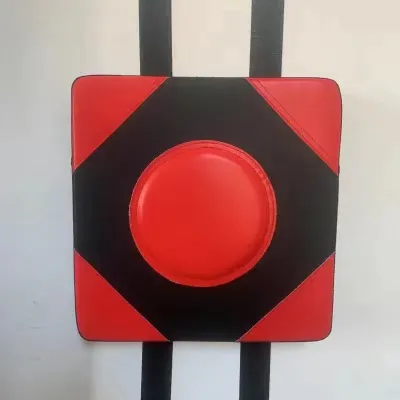
Prices are valid at publication and may change. Please refer to the product page for the latest price.
The structural integrity of your flooring is another vital safety consideration. When fully loaded with water or dry sand, the base of a human-shaped dummy can weigh between 100 and 120 kilograms. If you plan to set up your training corner on an upper floor of a residential home or a typical apartment balcony, verify that the floor structure can support this concentrated, dynamic load. Hardwood, laminate, and tiled floors are susceptible to cracking or scratching under such weight; placing a high-density rubber gym mat beneath the base is highly recommended to distribute the load and absorb vibrations.
Understanding Common Human-Shaped Dummy Models
Human-shaped training dummies generally fall into three distinct categories, each designed to accommodate different physical profiles and training styles. Standard models feature a realistic head and upper torso, terminating near the waistline. These units are highly effective for traditional boxing and high-line martial arts strikes, making them suitable for average-height users who prioritize head shots, chest strikes, and basic defensive slipping drills.

Extended models offer a longer vinyl or plastisol body that stretches down to simulate the groin and upper thigh area. This design is specifically engineered for practitioners of Muay Thai, kickboxing, and mixed martial arts, as it provides a realistic target for low-line strikes, knee thrusts, and body kicks. Taller athletes also benefit from extended models, as the longer torso allows for a more natural eye-level alignment during high-intensity sparring simulations.
For younger martial artists or homes with severe space constraints, youth or compact variants are available. These models feature scaled-down torso dimensions and a smaller base footprint, which reduces the overall weight and makes the unit easier to relocate when not in use. While highly portable, compact models may not withstand the full-force impact of heavy adult strikes, so they are best reserved for speed, accuracy, and light cardio workouts.
Because product dimensions and weight capacities vary significantly across manufacturers, never rely on visual estimations alone. Always consult the official manufacturer specification sheet to verify the exact height adjustment range, the dry weight of the torso, and the maximum volume of the base. This verification ensures the model you select can be adjusted to match your actual height and will remain stable under your specific striking power.
Key Selection Criteria and Pre-Purchase Checks
The stability of your freestanding dummy depends heavily on the material used to fill the base. Water is the most accessible and convenient option, allowing for easy filling and draining if you need to move the unit between rooms or transport it to a new home. However, water can slosh during heavy impacts, causing the base to shift slightly on smooth floors. Dry play sand provides significantly more density and stability, reducing base movement during intense combinations, but it is much more difficult to fill, empty, and clean out.
The outer skin of the dummy must balance realistic feedback with physical safety. High-quality models typically utilize a high-density plastisol or polyurethane skin filled with high-density urethane foam. This combination provides a realistic, flesh-like texture that absorbs impact energy while protecting your knuckles, wrists, and elbows from joint strain. When evaluating options, check the product specifications for UV-resistant and non-porous materials, which are essential for preventing the outer skin from drying out, cracking, or absorbing sweat.
The height adjustment mechanism is another critical component that requires close inspection. Most premium human-shaped dummies utilize a telescopic center pole secured by a heavy-duty locking pin or collar. Verify that the adjustment mechanism offers multiple height increments—typically ranging from 150 to 200 centimeters—so that multiple family members can use the equipment. The locking mechanism must fit snugly without excess play, as any looseness will cause the torso to wobble or slide down during a workout.
Finally, align your purchase with a realistic budget that accounts for hidden costs. Freestanding dummies are bulky, heavy items, meaning shipping fees to various provinces in the Philippines can add a substantial premium to the base price. Ensure you set aside a portion of your budget in Philippine Pesos (₱) to cover local shipping and base filling materials, as these essential setup materials are rarely included with the dummy itself. Comparing the total landed cost against your budget ensures you do not compromise on the quality of the dummy or the safety of your home setup.
Safe Setup, Maintenance, and Longevity
Proper assembly and regular maintenance are vital to ensure the safety of your home workouts and extend the lifespan of your training equipment. Begin by preparing the floor surface where the dummy will stand. Lay down a thick, non-slip rubber gym mat to protect your tiles or wood flooring from scratches, absorb impact vibrations, and catch any minor condensation or water droplets that may form on the base. Position the empty base on the mat before filling it, as moving a fully loaded base is extremely difficult and can cause physical strain.
When filling the base, strictly adhere to the manufacturer’s recommended ratios and guidelines. If you choose to use water, leave approximately 5 to 10 percent of the base volume empty to allow for natural expansion and contraction caused by temperature fluctuations in tropical climates. If you opt for sand, ensure the sand is completely dry before pouring it through the fill hole; damp sand can clump, making it nearly impossible to distribute evenly or remove in the future. Secure the fill cap tightly to prevent any moisture from escaping during high-impact training sessions.
Establish a routine inspection schedule to identify potential wear and tear before it leads to equipment failure. Once a month, examine the vinyl or plastisol torso for micro-cracks, particularly around high-stress areas like the neck, shoulders, and lower mounting bracket. Check the base for any signs of stress fractures or slow leaks, and ensure the height adjustment pin is fully engaged and free of rust. If you notice any structural degradation, suspend training immediately and contact the manufacturer for replacement parts.
Maintaining a clean training surface is especially important in warm, humid environments where sweat and bacteria can accumulate rapidly. After every workout, wipe down the entire torso and base with a soft microfiber cloth dampened with mild soapy water. Avoid using harsh chemical solvents, bleach, or abrasive scrubs, as these can degrade the protective outer coating of the skin. Additionally, position your dummy away from large windows or direct sunlight; prolonged exposure to ultraviolet rays can cause the synthetic skin to become brittle and crack prematurely.
Frequently Asked Questions (FAQ)
Can I use a human-shaped dummy for grappling or takedown practice?
Freestanding human-shaped striking dummies are engineered specifically to absorb perpendicular striking forces, not lateral grappling, throwing, or pulling loads. Attempting to execute judo throws, double-leg takedowns, or heavy clinching maneuvers can bend the internal telescopic pole, crack the plastic base, or cause the entire unit to tip over, risking serious injury. For grappling, wrestling, or Brazilian Jiu-Jitsu practice, you should purchase a dedicated, non-standing grappling dummy designed to lie flat on the mats.
How do I prevent the base from leaking or developing odors?
In the warm, humid climate of the Philippines, water left stagnant inside a plastic base can develop unpleasant odors, algae growth, or mold. To prevent this, ensure the base cap has a high-quality rubber gasket or seal, and apply a small amount of thread sealant tape if necessary. You can also add a mild, manufacturer-approved water purification tablet or a small amount of household chlorine bleach to the water to inhibit bacterial growth. If the dummy is stored in a highly humid area, consider draining and refilling the base once a year to maintain freshness.

Community discussion
Share your experience or ask a question. Comments are reviewed before publication.