
When selecting a bottle clip holder for climbing and hiking, there is no single universal winner. The optimal choice depends entirely on your specific discipline, harness setup, and whether you are actively climbing or approaching the crag. Belt clips offer hands-free convenience but can crowd your waist, backpack clips keep your harness clear during long approaches, and carabiner styles provide maximum versatility across different gear setups. This guide compares these three attachment styles to help you match the right holder to your climbing needs.
In the tropical heat of the Philippines, staying hydrated is a safety priority. High humidity and intense physical exertion mean you must consume water regularly to prevent dehydration. However, carrying a water bottle on a vertical rock face presents unique challenges. If your bottle swings excessively, it can throw off your balance during a delicate move; if it is too difficult to reach, you may neglect drinking altogether.
Choosing the right bottle clip holder requires balancing accessibility with safety. The ideal accessory must secure your bottle tightly against your body or pack while remaining easy to operate with one hand. It must also withstand harsh outdoor elements, from abrasive limestone cliffs to sudden tropical downpours. Understanding how different clip styles perform under these conditions helps you make an informed decision that keeps your hydration secure.
Products mentioned in this guide
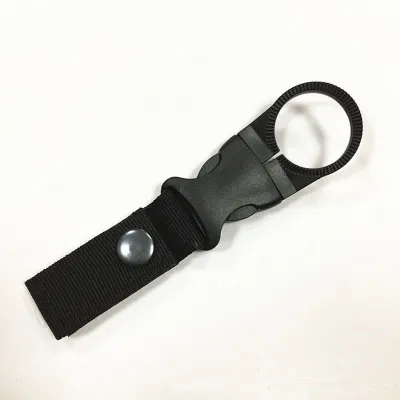
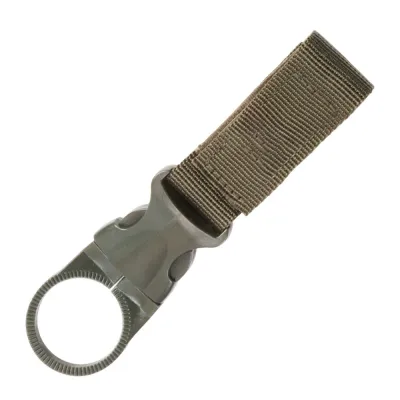
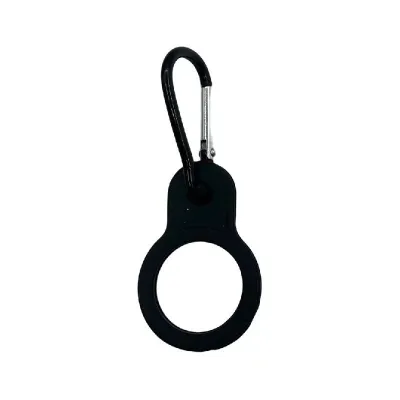
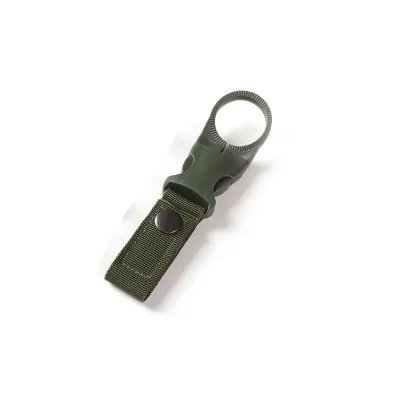
Prices are valid at publication and may change. Please refer to the product page for the latest price.
Understanding the Three Main Bottle Clip Holder Styles
To choose the right accessory, you must first understand the structural differences and primary attachment points of the three main styles. Each design is engineered for a specific carrying method and interacts differently with your climbing gear.
Belt clip bottle holders slide directly onto a belt, waistband, or backpack waist belt. They typically feature a rigid plastic or metal clip that slips over the fabric, holding the bottle snugly against your hip. This positioning keeps your water within arm’s reach for quick access. However, because they sit on the waistline, they can interfere with a climbing harness, potentially pressing against your hip bones under load or blocking access to gear loops.
Backpack clip holders attach to the shoulder straps, daisy chains, or external webbing of a pack. These holders often use hook-and-loop straps, snap buttons, or specialized plastic clamps to lock onto vertical straps. By positioning the bottle on your chest, they keep the weight centered and highly accessible while hiking. This setup is convenient for long approach treks through dense trails, but it becomes less useful once you leave your pack at the base of the crag.
Carabiner-style bottle holders utilize a flexible silicone or plastic ring that stretches over the neck of the bottle, connected to a carabiner gate. This design allows you to clip the bottle to almost any loop, including harness gear loops, backpack daisy chains, or a temporary anchor sling. The primary advantage of this style is its versatility, as you can quickly move the bottle from pack to harness. The trade-off is that the bottle hangs freely, which can cause it to swing or snag during dynamic movements.
Key Comparison Dimensions for Climbing Activities
Evaluating how each attachment style performs across critical climbing variables is essential for finding the right fit. No single style excels in every category, so you must weigh these dimensions based on your personal climbing habits.

Accessibility and hydration speed are crucial when resting at a belay station or taking a quick break. Belt clips offer the fastest one-handed access, as the bottle sits right at your hip. Backpack clips are also highly accessible during hikes, allowing you to drink without stopping to unpack. Carabiner styles can be more awkward to reach if clipped to the back of your harness, often requiring two hands to unclip.
Gear interference is a major safety consideration. A crowded harness waist belt can lead to dangerous mistakes, such as grabbing a water bottle instead of a quickdraw. Belt clips are the most problematic here, as they occupy the same physical space as your harness waistband. Backpack clips completely eliminate this issue by keeping the bottle on your upper body. Carabiner styles fall in the middle; they can be clipped to a rear gear loop to keep the front of your harness clear.
Weight distribution, bounce, and stability directly affect your balance on the rock. A full water bottle adds significant weight during delicate balance moves. Belt clips keep this weight close to your center of gravity, minimizing bounce but potentially restricting hip mobility. Backpack clips distribute the weight evenly across your torso, providing excellent stability during hikes. Carabiner styles are the least stable, as the hanging bottle can swing like a pendulum, potentially shifting your balance unexpectedly.
Durability and retention are vital when scraping against abrasive rock. Climbing environments are harsh on gear, with sharp limestone, dirt, and sweat wearing down materials. Belt and backpack clips made of heavy-duty polymers or metal tend to hold up well, though plastic can become brittle over time under intense tropical sunlight. Carabiner styles rely on the elasticity of their silicone neck rings. While high-quality silicone is resilient, repeated stretching and exposure to sharp rock edges can cause the ring to tear.
Matching the Holder to Your Specific Climbing Discipline
Your preferred climbing style should dictate which bottle holder you choose. Different disciplines place unique demands on your gear, making certain attachment styles far more practical.
For bouldering and single-pitch sport climbing, your primary goals are quick access between attempts and keeping your harness light and streamlined. When bouldering, you do not wear a harness, making a belt clip an excellent option to keep your water on you while walking between boulders. For single-pitch sport climbing, you want your harness completely free of extra weight. In this scenario, a backpack clip is ideal for carrying your water to the crag, allowing you to leave the bottle on the ground while you climb.
Multi-pitch and trad climbing demand a highly secure attachment system that will not interfere with your gear rack or rope management. On long climbs, you must carry water with you on the wall. A carabiner-style holder is often the preferred choice here, as it allows you to clip the bottle securely to a rear gear loop or a haul line. This keeps the bottle out of the way of your front gear loops, where your protection is stored, while ensuring you cannot accidentally drop the bottle.
Alpine climbing and long approach hikes require a focus on pack integration, weight distribution, and comfort over long distances. When trekking through humid tropical forests to reach a remote climbing site, a backpack clip is incredibly beneficial. It keeps your water easily accessible on your shoulder strap, encouraging regular hydration without stopping to remove your heavy pack. Once you reach the technical climbing section, you can easily transition the bottle to an internal pack pocket or use a carabiner style to clip it to your harness.
Decision Framework: Which Style Should You Choose?
To finalize your decision, evaluate your specific gear setup and climbing habits against a clear set of conditions. There is no need to purchase multiple holders if you can identify the one that matches your primary activity.
Choose a belt clip if you frequently climb or hike without a backpack and prefer having your water positioned at your hip for immediate, one-handed access. This style is highly suitable for casual day hikes, bouldering sessions, or indoor gym climbing where you do not wear a heavily loaded harness. Before purchasing, verify that your waistband or belt is sturdy enough to support the weight of a full bottle without sagging.
Choose a backpack clip if your climbing routes involve long approach hikes and you want to keep your climbing harness completely clear of non-essential accessories. This option is perfect for climbers who prefer to do all their drinking during approach hikes or at the base of the cliff, rather than while actively climbing. Ensure that the clip mechanism is compatible with the width and thickness of your specific backpack shoulder straps.
Choose a carabiner style if you need maximum versatility and want the ability to move your bottle between your pack, your harness gear loops, and anchor stations. This is the most adaptable option for multi-pitch climbers and those who use different gear setups. When selecting a carabiner style, look for a high-quality, durable silicone ring that fits snugly around the neck of your specific water bottle to prevent accidental slipping.
Regardless of the style you choose, always perform a physical compatibility check before heading out to the crag. Verify that the holder’s internal dimensions or collar ring matches your water bottle’s neck diameter perfectly. A loose fit can result in your bottle falling mid-climb, which is not only a loss of hydration but also a serious falling-object hazard for anyone standing below you.
Frequently Asked Questions (FAQ)
Can I attach a carabiner bottle holder to my climbing rope or anchor?
No, you must never attach an accessory bottle holder or a non-certified accessory carabiner to your climbing rope, belay device, or primary anchor points. Accessory carabiners are not rated for life-safety loads and can easily break under minimal force, potentially causing confusion or interfering with your safety systems. Furthermore, hanging a water bottle near your active rope or belay device increases the risk of the bottle or clip tangling with the rope, which can jam your belay device or disrupt smooth rope management. Always restrict your bottle attachment strictly to designated gear loops on the back of your harness, external pack webbing, or a dedicated accessory haul line that is completely separate from your safety system.
How do I manage hydration when climbing in cold or alpine environments?
When climbing in cold or high-altitude alpine environments, such as during high-elevation treks or climbs abroad, external bottle clip holders present a significant risk of your water freezing. Exposed bottles lose heat rapidly, and the small opening of a standard bottle can quickly freeze solid, leaving you without hydration. In these conditions, you should transition from an external clip holder to storing your bottle inside your backpack, preferably wrapped in an insulated sleeve. If you must keep your water accessible on the outside of your pack, use an insulated bottle holder that fully encloses the bottle, and store the bottle upside down so that any ice forms at the bottom rather than the neck, allowing you to still open and drink from it.

Community discussion
Share your experience or ask a question. Comments are reviewed before publication.