
Choosing the best boxing speedball for your home training setup requires balancing your athletic goals with the physical realities of your living space. While a speedball is an exceptional tool for developing hand-eye coordination, rhythm, and shoulder endurance, its high-frequency movement and mounting requirements demand careful planning. Installing the wrong type of equipment can lead to damaged walls, excessive household noise, or a frustrating training experience.
To build a functional home boxing corner, you must evaluate your structural environment, understand how different speedball configurations target specific skills, and verify the technical specifications of the gear before purchasing. By taking a systematic approach, you can select a setup that fits your home perfectly, whether you live in a spacious house or a compact urban apartment.
Evaluating Your Home Space and Structural Limits
Before purchasing any boxing equipment, you must assess the structural integrity of your training area. In the Philippines, residential walls are commonly constructed from concrete hollow blocks (CHB), solid poured concrete, or timber framing covered with drywall. Mounting a heavy speedball platform requires a highly secure, rigid surface that can absorb continuous, rapid vibrations without loosening over time.
Products mentioned in this guide
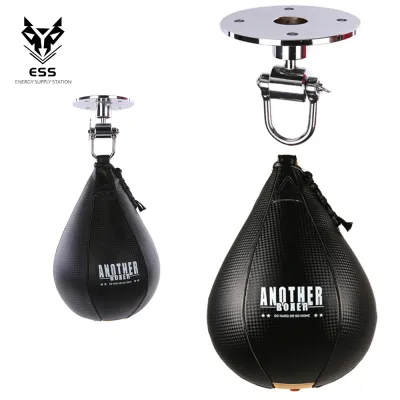
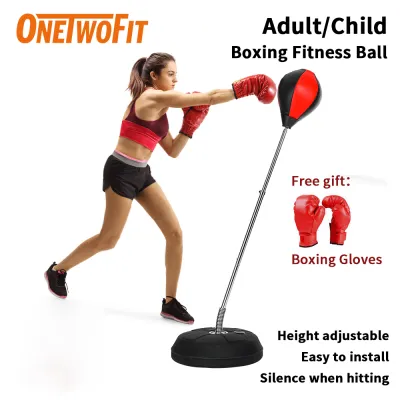
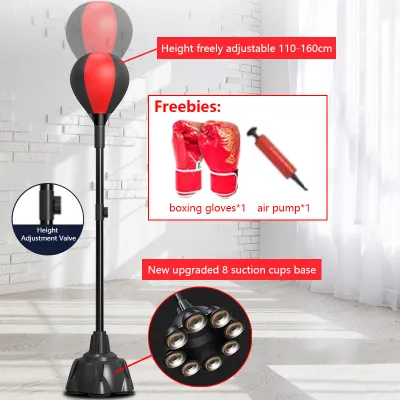
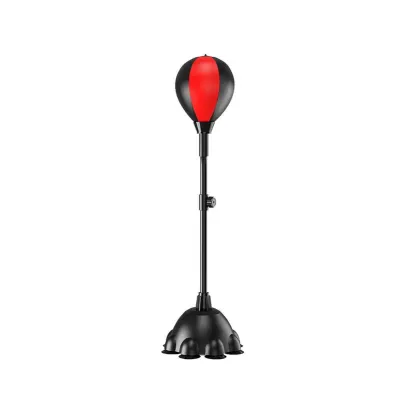
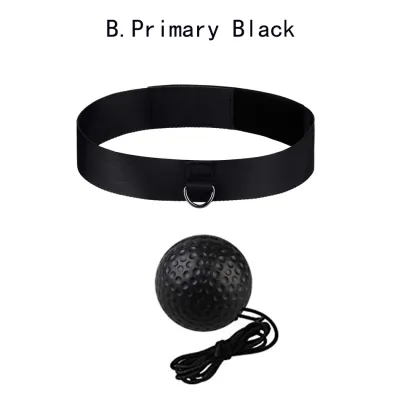
Prices are valid at publication and may change. Please refer to the product page for the latest price.
If you are mounting to a timber-framed wall or ceiling, you must locate the exact center of the wooden studs or ceiling joists using a reliable stud finder. Attempting to anchor a vibrating speedball platform directly into drywall or plasterboard using standard plastic wall plugs will inevitably fail, causing severe wall damage and safety hazards. For concrete hollow block walls, you will need specialized masonry sleeve anchors or expansion bolts that grip the solid portions of the block securely.
Clearance is another critical factor that many home gym builders overlook. A speedball does not hang statically; it rebounds dynamically in a 360-degree radius around its swivel. You must calculate a clear zone that accounts for the platform’s diameter (typically 60 centimeters), the swing radius of the bag, and your own physical movement. Ensure there is at least 1.5 to 2 meters of unobstructed space around the entire setup so you can move, slip, and throw punches comfortably without colliding with furniture, walls, or glass windows.
Your housing situation also dictates which mounting configurations are viable. If you own your home, drilling permanent anchor bolts into concrete walls or ceiling joists is a straightforward option. However, if you are renting an apartment or condominium, lease agreements often strictly prohibit drilling deep holes into structural walls. In these rental scenarios, non-permanent alternatives such as door-frame rebounders, tension-mounted double-end bags, or freestanding reflex bags are much more appropriate, allowing you to train effectively without risking your security deposit.
Aligning Speedball Types With Your Boxing Goals
Matching the right speedball configuration to your specific training objectives ensures you get the most value out of your workouts. Wall-mounted speedball platforms are the traditional choice for developing consistent rhythm, hand-eye coordination, and muscular endurance in the shoulders. The solid wooden or composite platform provides a firm, flat surface for the bag to rebound against, creating a predictable, rapid-fire bounce. This setup forces you to keep your hands high and maintain a steady tempo, which is excellent for building the shoulder stamina required to keep your guard up during long sparring sessions.

If your training goals focus more on defensive movement, timing, and realistic target tracking, a double-end bag is highly effective. Suspended by elastic cords between the ceiling and the floor (or a heavy floor weight), a double-end bag swings wildly and unpredictably when struck. This dynamic movement forces you to time your punches precisely, practice head movement, slip, duck, and react to a target that actively rebounds back toward your face, simulating the movement of an opponent.
For casual fitness enthusiasts or those with strict space and noise limitations, freestanding reflex bags or door-mounted rebounders offer a practical entry point. Freestanding units utilize a weighted base filled with water or sand and a spring-loaded neck that rebounds when hit. While they do not offer the precise, high-speed rebound of a professional wall platform or the erratic movement of a double-end bag, they provide a highly accessible way to practice basic punching combinations, footwork, and cardiovascular conditioning without any structural drilling.
Essential Specs to Check Before You Buy
When browsing online marketplaces for a boxing speedball, you must verify several physical attributes and material specifications to ensure durability and performance. Speedballs are available in various sizes, typically ranging from large (around 30×20 centimeters) to extra-small (20×13 centimeters). Beginners should look for larger bags because they move slower, offer a larger target, and provide more time to establish a rhythm. As your coordination and hand speed improve, you can transition to smaller bags, which rebound much faster and require precise, rapid contact.
The internal bladder of the speedball directly affects its performance and maintenance requirements. Latex bladders are lightweight and offer the fastest, most responsive rebound, but they are porous and require frequent reinflation—often before every training session. Butyl or plastic bladders retain air much longer, making them low-maintenance, but they can feel heavier and slightly sluggish. In humid tropical climates, synthetic polyurethane (PU) leather outer shells are often preferred over genuine leather as they resist moisture absorption and sweat-induced degradation more effectively.
The swivel is the mechanical heart of any speedball setup. Look for ball-bearing swivels made of stainless steel or heavy-duty brass, as they provide a smooth, multi-directional rotation without catching. Cheap plastic swivels wear out quickly under intense friction and can cause the bag to rebound at odd angles. Additionally, ensure the mounting platform itself is thick (at least 2 to 3 centimeters of solid wood or dense composite material) to minimize vibration; a flimsy platform absorbs the energy of your punch, deadening the rebound and ruining the rhythm.
Safe Installation and Usage Boundaries
Installing a speedball platform involves managing dynamic, high-frequency vibrations rather than just static weight. A platform that weighs 10 kilograms can exert significantly higher forces on your wall when struck repeatedly. Ensure your mounting hardware is rated for dynamic loads. Using rubber washers or vibration-dampening pads between the metal brackets and the wall can help absorb excess energy, preventing the vibrations from traveling through the structure of your home and causing annoying noise or structural micro-cracks.
If you live in an older building, have walls made of lightweight partition boards, or are unsure about the load-bearing capacity of your ceiling joists, do not attempt a DIY installation. If you notice drywall cracking, plaster crumbling, or the wall flexing when you apply pressure, stop immediately. In these scenarios, it is essential to consult a local licensed contractor or structural engineer to assess whether the wall requires reinforcement, such as installing a wooden backing board to distribute the load across multiple studs.
Safety during training extends beyond structural integrity to personal protection. Even though a speedball is light, hitting it repeatedly without hand protection can cause skin abrasions, knuckle bruising, or wrist strain. Always wrap your hands properly with boxing wraps and wear lightweight speed bag gloves or gel mitts. Additionally, because the swivel mechanism and metal clips move at high speeds close to your face, perform a quick pre-workout check to ensure all pins, screws, and shackles are tightly secured to prevent parts from flying off during a high-speed session.
Creating Your Conditional Speedball Shortlist
To finalize your home setup, map your physical space and training goals to the most compatible equipment type. If you own your home, have solid concrete walls, and want to focus on rhythm and shoulder endurance, a heavy-duty wall-mounted platform is your ideal choice. If you have a flexible space with a secure ceiling joist and floor anchor point, and your goal is defensive agility, prioritize a double-end bag. For renters or those with limited space, a freestanding reflex bag or a non-invasive door-frame mount provides the safest, most practical compromise.
Before completing your purchase on an ecommerce platform, carefully verify what is included in the box. Many speedball platforms are sold without the actual bag, swivel, or mounting bolts. Check the product specifications to see if you need to purchase heavy-duty masonry anchors, a pump, or a specific swivel separately. Budgeting around ₱1,500 to ₱6,000 for a quality setup is common, depending on whether you need a full platform kit or a simple tension-mounted bag.
Do not let marketing claims of “universal compatibility” or “easy five-minute installation” dictate your purchase. Your shortlist must be grounded entirely in the verified structural reality of your training corner. Measure your wall space, check your ceiling height, and confirm your wall material before clicking buy. By prioritizing structural compatibility and safety over aesthetic appeal, you ensure your home boxing corner remains a safe, functional, and highly effective training space for years to come.
Frequently Asked Questions (FAQ)
Can I hang a speedball from a standard drywall ceiling?
No, you should never hang a speedball or a double-end bag directly from standard drywall or plasterboard. Drywall lacks the structural strength to support the dynamic, repetitive pulling forces generated when the bag rebounds. Attempting to mount a speedball directly to drywall using standard plastic anchors will result in the hardware tearing out, damaging your ceiling and potentially causing injury. You must locate a solid wooden ceiling joist or concrete slab and anchor the mounting bracket directly into that structural element.
What size speedball is best for beginners at home?
For beginners, a larger speedball (typically around 10×7 inches or 11×8 inches) is highly recommended. Larger bags hold more air, weigh more, and swing in a wider, slower arc, which gives you more time to coordinate your hands and find the rhythm of the rebound. As your hand-eye coordination, timing, and shoulder endurance improve, you can gradually transition to medium (9×6 inches) and eventually small (8×5 inches) bags to increase the speed and difficulty of your workouts.

Community discussion
Share your experience or ask a question. Comments are reviewed before publication.