
To choose the right Camel tent for your camping style in the Philippines, you must match the tent’s design, weight, and ventilation with your specific destination—whether that is a humid beach in Zambales, a windy ridge on Mt. Pulag, or a family-friendly campsite in Tanay. The ideal choice balances portability with protection against sudden tropical downpours and high relative humidity. By identifying your primary camping style and verifying critical specifications, you can select a shelter that keeps you dry and comfortable without carrying unnecessary weight.
While Camel offers a wide range of accessible, budget-friendly designs, not every model is built for every environment. Casual weekend campers, dedicated trail hikers, and family basecampers all require different levels of structural support, space, and weatherproofing. Evaluating your typical travel style and understanding local environmental challenges will guide you to the correct model.
Identifying Your Core Camping Scenario in the Philippines
Camel has established a strong presence in the local outdoor market by offering functional, accessible camping gear tailored for entry-level enthusiasts and casual adventurers. Their product lineup ranges from ultra-simple automatic popup tents to more structured manual dome and cabin designs. Because these products are widely available on local ecommerce platforms, they serve as a common entry point for those exploring the diverse landscapes of the Philippines.
Products mentioned in this guide
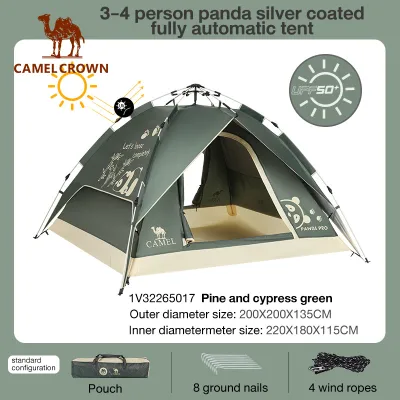
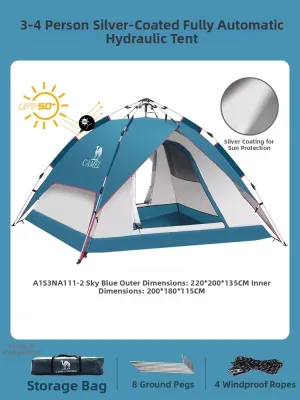
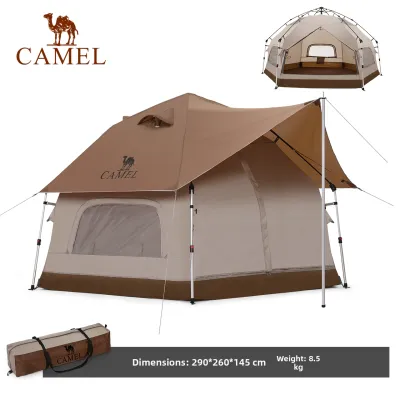
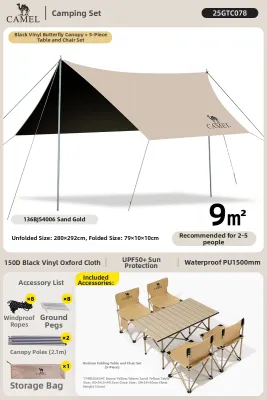
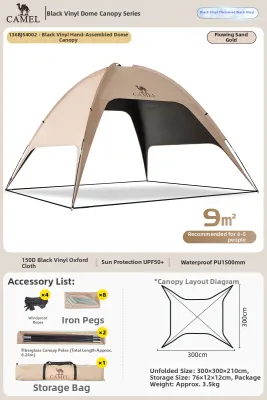
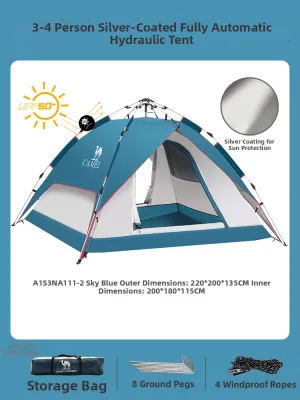
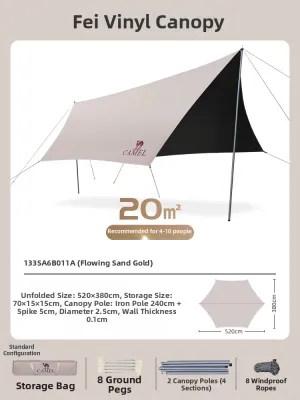
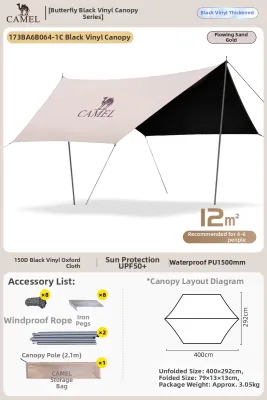
Prices are valid at publication and may change. Please refer to the product page for the latest price.
To find the right fit, you must first define your primary camping scenario. Lightweight trail hiking demands a highly packable, manual-pitch shelter that fits easily inside a backpacking pack. Conversely, spacious car camping allows you to prioritize interior volume, standing height, and convenient setup mechanisms over weight and packed size.
Local environmental factors must heavily influence your decision. The Philippine climate is characterized by high relative humidity, intense seasonal monsoons, and sudden localized downpours. Campsites can range from sandy coastal beaches to muddy clay clearings and rocky mountain ridges. These varied terrains and weather patterns mean that a generic, single-wall tent designed for dry climates may quickly lead to a wet, uncomfortable night.
Before browsing specific models, honestly assess your typical travel style, gear-carrying capacity, and average group size. If you primarily travel by motorcycle or public transit to established campsites, a compact mid-weight tent is ideal. If you park directly next to your pitch, you can opt for maximum comfort and interior space.
What to Look for in a Camel Tent for Solo Backpacking
For solo backpackers and trail hikers, every gram carried on the trail directly impacts your physical endurance and comfort. When selecting a 1-to-2-person Camel tent for trail use, weight, packability, and a streamlined profile should be your primary considerations. A heavy, bulky tent will quickly exhaust you on steep, humid ascents like Mt. Daraitan or Mt. Ulap.

When evaluating these smaller shelters, look closely at the trade-offs between freestanding and non-freestanding designs. Freestanding tents use a dedicated pole system that supports the structure without requiring stakes, making them highly versatile for rocky ground, wooden platforms, or hard-packed clay. Non-freestanding designs require stakes and guy lines to remain upright; while they are often lighter, pitching them on rocky Philippine ridges can be exceptionally challenging.
To ensure the tent fits your physical limits, always verify the trail weight and packed dimensions on the product label or official store listing. Do not rely on general category assumptions or vague marketing descriptions. A true backpacking tent should ideally weigh under 2.5 kilograms and pack down into a compact cylinder that can be strapped to the bottom or tucked inside a standard 40L to 60L pack.
Ventilation is the single most critical factor for managing comfort during humid tropical nights in a small-footprint tent. In a tight 1-to-2-person space, your breath and body heat quickly saturate the air. Look for double-wall Camel models featuring a full inner mesh canopy and a separate waterproof rainfly. This design allows warm air to escape through the mesh, preventing moisture from condensing on the inside of the rainfly and dripping onto your sleeping bag.
Selecting a Camel Tent for Family Car Camping and Basecamps
Car camping at established sites in Rizal, Laguna, or Benguet shifts your priorities from weight saving to interior livability, comfort, and robust weather protection. When you do not have to carry your gear over long distances, larger 3-to-6-person models or cabin-style Camel tents become the practical choice. These designs focus on creating an inviting, home-like environment in the great outdoors.
Valuable features to look for in a family-sized tent include multiple rooms or removable fabric dividers, which provide privacy for group trips. High peak heights are also essential, allowing adults to stand upright while changing clothes or moving around. Additionally, look for models with large vestibules or integrated front awnings; these provide a dry transition zone where you can leave muddy hiking shoes, wet slippers, or sandy gear before entering the clean sleeping area.
When weight is not a constraint, heavier and more robust pole structures are highly beneficial. Thicker fiberglass or steel poles and heavy-duty oxford fabrics provide the structural integrity needed to keep a large, high-profile tent stable during sudden gusty winds. While these materials add significant weight to your trunk, they offer peace of mind when a tropical thunderstorm rolls through your campsite.
Before purchasing, check the exact floor dimensions and layout of the tent to ensure your planned sleeping arrangements will fit. Standard double-sized air mattresses, camping cots, or thick foam sleeping pads can take up substantial floor space. If a mattress is too wide, it will push the inner tent walls against the outer rainfly, creating a bridge that allows external moisture or condensation to seep directly into your sleeping space.
Essential Specs to Verify for Tropical Weather and Rough Terrain
To ensure your selected Camel tent can withstand the demanding conditions of Philippine campsites, you must verify several technical specifications on the manufacturer’s label. Relying solely on descriptive marketing terms like “fully waterproof” or “heavy-duty” can lead to gear failure in the field.
Waterproofing and Hydrostatic Head (HH)
- Verify the Rainfly Rating: Look for a Hydrostatic Head (HH) rating of at least 1500mm to 2000mm on the rainfly. This measurement indicates the height of a water column the fabric can support before leaking. A rating in this range is generally sufficient to handle typical tropical downpours.
- Check the Tent Floor Rating: The tent floor requires a higher waterproof rating, ideally 3000mm or more. This is because the physical pressure of your knees, elbows, and sleeping pads forces moisture through the fabric if the ground becomes saturated or muddy.
- Inspect the Seams: Ensure the specifications explicitly state that the tent features taped or heat-sealed seams, which prevent water from dripping through the needle holes made during manufacturing.
Ventilation and Airflow
- Dual-Door Configurations: Prioritize designs with doors on opposite sides to facilitate cross-ventilation, which is essential for cooling the tent during hot daytime hours.
- Adjustable Rainfly Vents: Look for rainfly designs that feature kickstand vents. These can be propped open even during heavy rain to let rising warm air escape without letting water in.
- B3 Mesh Panels: Verify that the inner tent utilizes high-density B3 mesh, which keeps out tiny biting insects like sandflies (niknik) and mosquitoes while allowing maximum airflow.
Pole Material and Wind Limits
- Fiberglass Poles: Common in budget-friendly Camel models, fiberglass is flexible and affordable but heavier and more prone to splintering under extreme stress.
- Aluminum Poles: Found in higher-end or technical models, aluminum poles are significantly lighter, stronger, and better suited for exposed mountain ridges where high winds are common.
- Season Ratings: Check if the tent is rated as a 3-season or a specialized 3-to-4-season shelter. Most standard camping in the Philippines only requires a well-ventilated 3-season design.
Ground Protection
- Footprint Compatibility: Sharp volcanic rocks, roots, and abrasive sand can easily puncture or wear down a thin tent floor over time. Check if a compatible footprint (groundsheet) is included in your purchase.
- Separate Tarps: If a matching footprint is not included, plan to purchase a separate, heavy-duty tarp cut slightly smaller than your tent's floor dimensions to act as a protective barrier.
Frequently Asked Questions (FAQ)
How do I prevent condensation inside my tent during humid nights?
Condensation occurs when the warm, moisture-laden air from your breath and body heat contacts the cooler fabric of the tent, turning into liquid water. It is a natural physical process and does not mean your tent has a physical leak. To minimize this in humid tropical climates, select a campsite on slightly elevated, dry ground away from low-lying depressions, riverbanks, or dense tree canopies where damp air naturally pools.
Always maximize airflow by keeping all built-in rainfly vents fully open, even during rain. Pull the rainfly guy lines as taut as possible to create a wide, consistent air gap between the inner mesh tent and the outer waterproof fly. Finally, avoid storing wet clothes, damp towels, or moist gear inside your sleeping compartment, as this rapidly increases the humidity levels inside the tent.
Can I use a standard 3-season Camel tent for high-altitude camping?
A standard 3-season Camel tent is engineered to handle moderate rain, light wind, and typical tropical or temperate temperatures. While perfectly adequate for most established campsites and lower-elevation trails in the Philippines, high-altitude peaks such as Mt. Pulag, Mt. Dulang-dulang, or Mt. Apo present much harsher environmental conditions. These areas frequently experience near-freezing temperatures, intense wind gusts, and heavy, driving rainstorms.
Before attempting a high-altitude climb, strictly verify the manufacturer’s wind resistance limits and temperature ratings for your specific tent model. If the forecast predicts extreme wind loads or severe weather, a standard 3-season tent may suffer structural damage or pole breakage. Under these extreme conditions, a specialized 4-season tent or a heavy-duty mountaineering shelter is necessary to ensure your safety. Remember that high-quality equipment is only a tool; it cannot replace proper mountaineering training, weather monitoring, and sound trail judgment.

Community discussion
Share your experience or ask a question. Comments are reviewed before publication.