
Choosing a collapsible tent in the Philippines depends entirely on your destination’s climate, terrain, and how you plan to transport your gear. The humid tropical climate, sudden rain showers, and coastal winds require specific features for each activity. Having the wrong shelter can quickly turn an exciting outdoor getaway into an uncomfortable or even unsafe experience.
For high-altitude or overnight hikes, every gram matters. You need a lightweight, compact tent that fits inside or straps securely to your backpack without causing physical strain on steep trails.
For beach camping, wind resistance and sand-anchoring capabilities are critical. The tent must withstand coastal gusts and keep fine sand from blowing inside while maintaining adequate ventilation.
Products mentioned in this guide
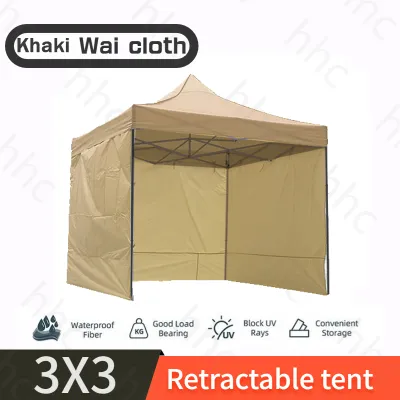
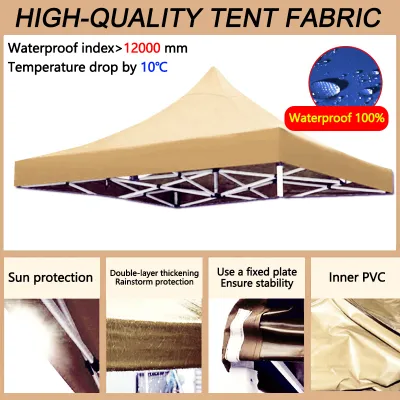
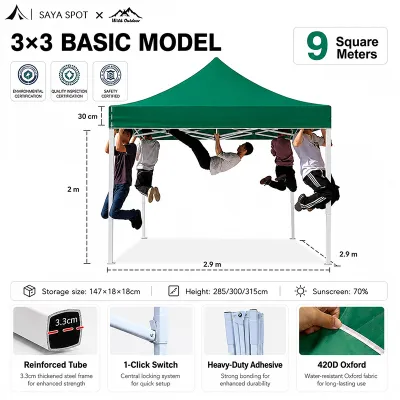
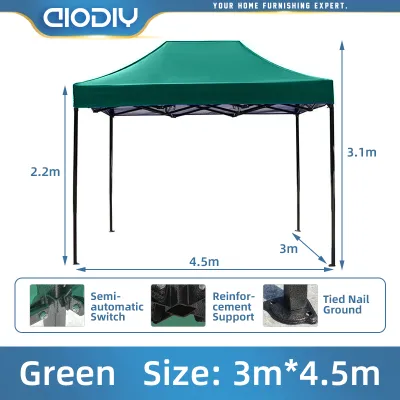
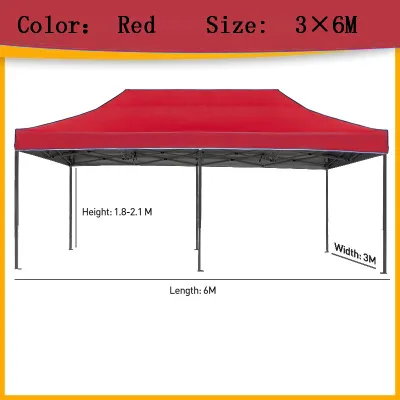
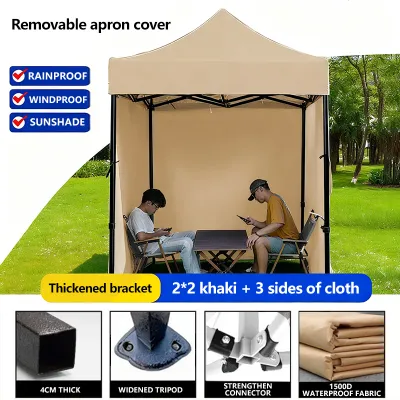
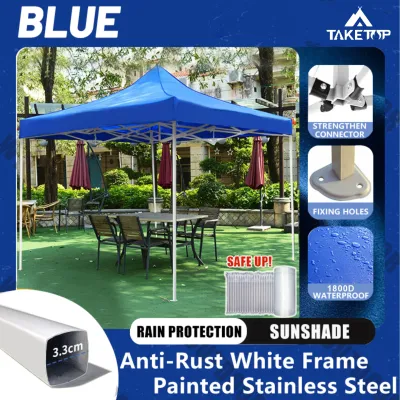
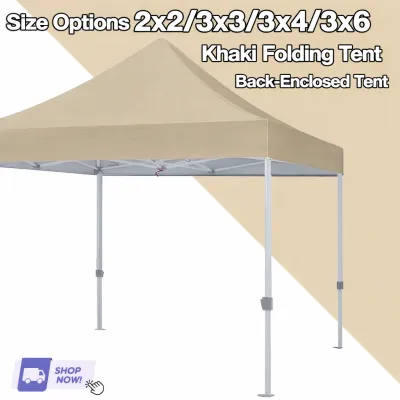
Prices are valid at publication and may change. Please refer to the product page for the latest price.
For car camping, comfort and space take priority. Since your vehicle handles the weight, you can opt for larger, standing-height tents with rapid-assembly mechanisms that make setup quick and easy.
Quick Overnight Hikes: Prioritizing Weight and Packability
When climbing tropical peaks or navigating dense forest trails, carrying a heavy load quickly leads to exhaustion. A collapsible tent for hiking must strike a balance between packed weight and structural integrity. Every additional kilogram on your back increases fatigue and reduces your stability on uneven terrain.
Evaluate the total trail weight before making a choice. For solo hikers or pairs sharing a load, a packed weight of under 2.5 kilograms is generally manageable. Check the packed dimensions to ensure the tent fits horizontally or vertically within your multi-day pack without throwing off your physical balance.
Ultralight materials often use thinner fabrics, such as high-density nylon or polyester with specialized coatings. While these materials reduce weight, they require careful handling on rugged terrain. Look for reinforced flooring or consider using a separate footprint to protect against sharp rocks, roots, and damp soil.
Ventilation is a non-negotiable feature for humid mountain trails. In tropical climates, high humidity combined with cool night temperatures often leads to heavy condensation inside the tent. Opt for designs with extensive mesh inner walls and adjustable rainfly vents to promote continuous airflow and keep your sleeping gear dry.
Weekend Beach Camping: Wind Resistance and Sand Anchoring
Setting up camp on a sandy shoreline offers beautiful views but presents unique structural challenges. Coastal winds can shift rapidly, putting immense pressure on your shelter. Without the right design and anchoring, a tent can easily collapse or blow away.

An aerodynamic, low-profile dome design helps deflect strong sea breezes. Look for robust, flexible pole structures—such as high-quality aluminum or reinforced fiberglass—that can bend slightly under wind pressure without snapping. Avoid tall, cabin-style tents for exposed beach settings, as their flat walls catch the wind like sails.
Standard metal tent pegs are virtually useless in loose sand. To secure your collapsible tent, verify the included stakes and plan to swap them for wide, U-shaped sand pegs or heavy-duty screw stakes. Alternatively, look for tents with external guy lines that you can tie to heavy driftwood, buried bags of sand, or large rocks.
The tropical sun can quickly turn a closed tent into an oven. Ensure the rainfly features a UV-resistant coating to protect the fabric from sun degradation. Additionally, a fine-mesh inner tent is essential to block blowing sand while allowing sea breezes to cool the interior. Look for a raised bathtub floor design to prevent sand from seeping in at ground level.
Family Car Camping: Space, Comfort, and Easy Setup
Car camping removes the physical constraints of backpacking, allowing you to prioritize comfort, interior space, and convenience. When the vehicle does the heavy lifting, you can choose a larger collapsible tent that accommodates the whole family and your sleeping gear.
Calculate the required floor area based on your sleeping arrangements. If you plan to use air mattresses or folding cots, check the tent’s footprint and peak height. A tent with a peak height of 1.8 meters or more allows adults to stand upright, making changing clothes and moving around much more comfortable.
Compare setup mechanisms to minimize frustration at the campsite. Instant or pop-up collapsible tents feature pre-attached poles that lock into place within minutes. While these are heavier and bulkier when packed, they dramatically reduce assembly time, leaving more leisure time for your family.
Multi-room layouts and built-in privacy dividers are excellent for larger groups. Look for models with a spacious vestibule or an extended awning. This extra covered space serves as a mudroom for wet footwear, a storage area for coolers, or a sheltered spot to sit during a sudden tropical downpour.
Cross-Scenario Compatibility: Can One Tent Do It All?
Investing in multiple specialized tents can be expensive and impractical for casual outdoor enthusiasts. Many campers wonder if a single, versatile collapsible tent can handle hiking, beach trips, and car camping.
An all-rounder tent typically involves trade-offs. A three-person dome tent might be spacious enough for a small family car camping trip, but it will feel heavy and bulky on a strenuous mountain hike. Conversely, an ultralight backpacking tent will feel cramped and hot during a relaxed weekend at the beach.
You can adapt a single tent across different environments using smart accessories. For instance, you can use a lightweight hiking tent for beach camping by upgrading to sand stakes and adding an external tarp for extra shade. For car camping, adding a large, freestanding canopy over your small hiking tent creates a comfortable living area.
Set realistic expectations for your gear. Do not expect a budget pop-up tent designed for backyard play or calm car camping to survive high-altitude mountain winds or heavy monsoon rains. Understanding these limits prevents gear failure and ensures your safety in remote areas.
Essential Pre-Trip Checks and Care
A successful camping trip begins long before you reach the campsite. Proper maintenance and pre-trip preparation ensure your collapsible tent performs reliably when you need it most.
Always conduct a dry run setup at home, preferably in your yard or a spacious living room, before heading out. This practice run helps you familiarise yourself with the assembly steps and ensures that all poles, clips, stakes, and guy lines are present and functional.
Inspect the tent thoroughly for wear and tear. Check the seams for peeling waterproof tape, test all zippers to ensure they glide smoothly without catching, and examine the pole elastic cords for elasticity. Address any minor tears or loose seams with specialized gear repair tape or seam sealer before your trip.
Proper post-trip care is vital for longevity, especially in hot, humid climates. Never pack away a damp tent permanently, as this encourages mold, mildew, and fabric rot. Once home, pitch the tent in a shaded, well-ventilated area until it is completely dry, then store it loosely in a cool, dry place away from direct sunlight.

Community discussion
Share your experience or ask a question. Comments are reviewed before publication.