
Playing basketball on outdoor concrete courts in the Philippines demands a ball that can withstand extreme heat, high humidity, and highly abrasive surfaces. Whether you are playing on a local barangay court, a paved street, or a school backyard, the rough cement acts like sandpaper on standard basketball materials. To choose the right Dunlop basketball for these conditions, you must prioritize durable construction, specific outer cover materials, and deep channel designs that maintain grip despite dust and sweat.
Selecting the wrong type of ball often leads to rapid wear, flat spots, and a complete loss of grip within just a few games. By understanding how different Dunlop models are constructed and matching their specifications to the realities of local outdoor play, you can ensure your investment lasts through countless intense games. This guide outlines the essential material features, selection criteria, and maintenance practices required to find and preserve the ideal outdoor basketball.
Key Material and Design Features for Concrete Courts
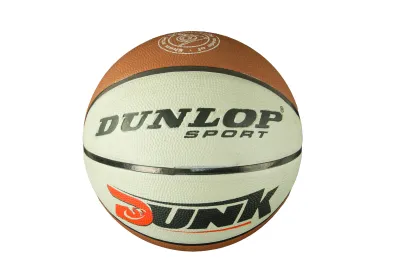
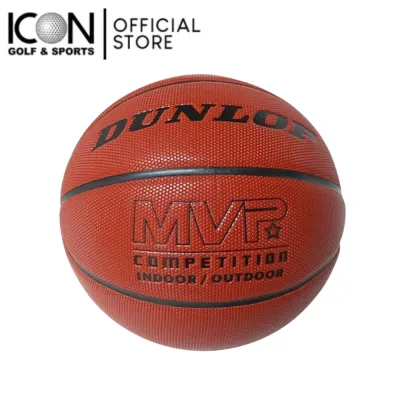
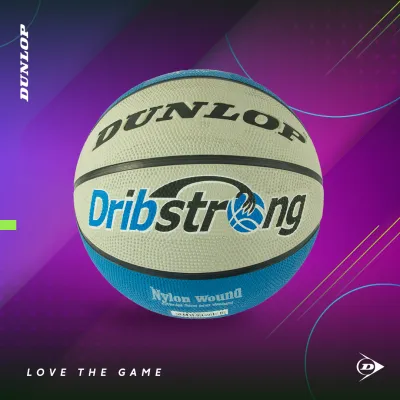
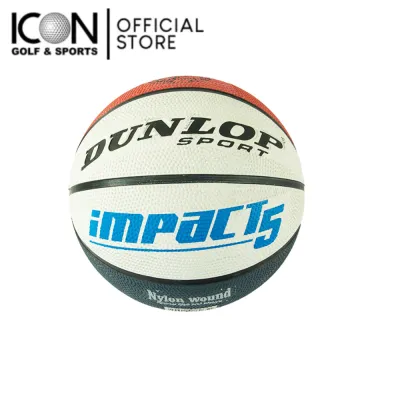
The primary factor determining how well a basketball survives on concrete is its cover material. Dunlop offers basketballs in both rubber and composite leather, each presenting distinct advantages for outdoor environments. Heavy-duty rubber is the traditional choice for rough cement because of its high resistance to abrasion. It does not peel or scuff easily when scraped against concrete, making it highly cost-effective for daily street play. On the other hand, outdoor-rated composite leather provides a softer, more professional feel that mimics indoor game balls, but it must be specifically engineered to resist the tearing forces of rough ground.
Products mentioned in this guide
Prices are valid at publication and may change. Please refer to the product page for the latest price.
Beyond the cover material, the texture and channel design play a critical role in performance. Outdoor courts in the Philippines are frequently dusty, which can make a standard basketball incredibly slippery. Look for Dunlop models featuring a dense, pronounced pebble pattern that provides reliable friction even when coated in fine dust. Deep, wide channels are also highly beneficial; they allow sweat, moisture from sudden tropical downpours, and dirt to disperse away from your fingers, ensuring a secure grip during shooting and dribbling.
The internal structure of the ball is just as important as the exterior. High-impact play on concrete puts immense stress on the ball’s shape. Quality outdoor models utilize a reinforced butyl bladder wrapped in nylon or polyester carcass windings. This internal support system helps the ball retain its perfect spherical shape after repeatedly hitting metal rims, wooden backboards, and uneven concrete edges. When evaluating options, verifying these structural specifications will help you avoid balls that quickly warp or develop lumps.
How to Identify Suitable Dunlop Models for Outdoor Play
To find a Dunlop basketball that can handle the rigors of local concrete courts, you must carefully examine the product packaging, labels, and online specifications. Manufacturers typically categorize their basketballs based on the intended playing surface. Look for explicit designations such as “Outdoor,” “Street,” or “All-Court” printed directly on the ball or listed in the product description. These labels indicate that the outer cover has been treated or formulated to resist rough surfaces.

Cross-referencing the manufacturer’s recommended court surface guidelines is essential to prevent premature material failure. If a listing or package does not clearly state that the ball is suitable for outdoor use, it is safest to assume it is designed for indoor hardwood. Indoor-specific models often feature soft, premium composite leather or genuine leather covers. While these materials offer excellent grip on clean indoor courts, they will scuff, tear, and lose their outer layer almost immediately when exposed to rough concrete.
Additionally, pay close attention to the product series names. Dunlop often groups its basketballs into distinct lines aimed at different player levels and environments. Street-focused series are built with thicker rubber skins and deeper grooves specifically to combat the wear and tear of outdoor play. By verifying these details before making a purchase, you can avoid the frustration of accidentally buying a delicate indoor model that cannot survive a single afternoon on a barangay court.
Selecting the Correct Size and Weight for Your Needs
Choosing the right basketball size is crucial for developing proper shooting mechanics and ensuring a comfortable grip. Basketballs are standardized into specific sizes based on the age and gender of the players. Size 7 is the official size for men’s professional, collegiate, and high school play, measuring approximately 29.5 inches in circumference. For women’s official leagues and youth players aged 12 to 14, Size 6 (28.5 inches) is the standard. Junior players aged 9 to 11 should look for Size 5 (27.5 inches), which allows smaller hands to control the ball safely.
Once you have selected the appropriate size, you can verify the ball’s weight and bounce characteristics at home. After inflating the ball to the manufacturer’s recommended pressure, perform a simple drop test. Hold the ball at eye level (approximately 1.8 meters) and drop it onto a flat concrete surface. A properly inflated, high-quality outdoor ball should bounce back up to around waist height (approximately 1.2 to 1.4 meters). If it bounces too low, it may be under-inflated or have structural issues; if it bounces too high, it is likely over-inflated.
Keep in mind that outdoor-specific basketballs may feel slightly heavier or stiffer in the hand compared to indoor models. This is a natural consequence of the thicker rubber covers and reinforced casings required to survive concrete surfaces. This added stiffness is necessary for durability and will gradually break in over time without negatively affecting your game.
Maintenance Tips to Extend Outdoor Basketball Lifespan
Proper maintenance is key to maximizing the lifespan of your Dunlop basketball, especially under the harsh environmental conditions of the Philippines. Concrete dust is highly abrasive and acts like sandpaper, slowly grinding down the pebble texture of your ball during play. To combat this, make it a habit to wipe down the surface of the ball with a damp cloth after every session. This simple step removes accumulated dirt, sweat, and concrete dust, helping to preserve the original grip and texture for a much longer period.
The tropical climate also poses a threat to the materials used in basketball construction. Direct sunlight and extreme heat can dry out rubber covers, degrade composite adhesives, and cause the air inside the ball to expand excessively. Always store your basketball in a cool, shaded indoor area when not in use. Leaving a ball in the trunk of a hot car or exposed on an outdoor porch will accelerate material degradation, leading to warping, cracking, and air leaks.
Finally, monitor and adjust the air pressure regularly using a standard hand pump equipped with a pressure gauge. Over-inflation is a common cause of seam separation and bladder failure, particularly when the ball is subjected to hard impacts on concrete. Always inflate the ball to the pressure range printed near the inflation valve. Because air expands in hot weather, checking the pressure before playing during the hottest parts of the day can prevent unnecessary stress on the ball’s seams.
Frequently Asked Questions (FAQ)
Can I use an indoor Dunlop basketball on concrete courts?
Using an indoor-specific Dunlop basketball on concrete courts is highly discouraged. Indoor basketballs are crafted from soft composite leather or genuine leather designed to grip clean hardwood floors. When these delicate materials strike rough concrete, they scuff, peel, and wear down rapidly. Within a few games, the ball will lose its grip, develop flat spots, and potentially suffer seam separation, ruining an expensive piece of equipment.
How do I know if my outdoor basketball needs to be replaced?
You can determine if your outdoor basketball needs replacement through a few simple visual and tactile checks. Look for bald spots where the pebble texture has completely smoothed out, as this significantly reduces grip. Inspect the ball for deep cuts, exposed nylon windings, or visible separation along the seams. Additionally, if the ball bounces unevenly or wobbles in the air despite being properly inflated, the internal bladder has likely warped, indicating it is time for a replacement.

Community discussion
Share your experience or ask a question. Comments are reviewed before publication.