
Selecting the right fish catcher net in the Philippines depends heavily on where you plan to cast your line. The country’s diverse aquatic landscapes—ranging from the rushing headwaters of mountain streams to the expansive brackish fish ponds of Central Luzon and the deep coastal drop-offs of the archipelago—require specialized gear. A single, generic net is rarely sufficient for all environments. Choosing the wrong net can lead to escaped catches, damaged gear, or unnecessary harm to the fish. By matching the net’s design, material, and dimensions to your specific environment, you ensure a successful outing while protecting your investment from the harsh tropical climate.
To make an informed purchase, you must first understand how different nets function and where they excel. The right tool not only secures your catch but also ensures your safety and efficiency on the water. Whether you are a recreational angler or managing a local aquaculture pond, aligning your gear with your venue is the first step toward a productive day.
Understanding Common Fish Catcher Net Types
Before selecting a net, it is essential to identify the primary categories available for consumer purchase and their basic applications. Each type is engineered for a specific style of fishing, and using them outside their intended purpose can result in torn mesh or lost fish.
Products mentioned in this guide
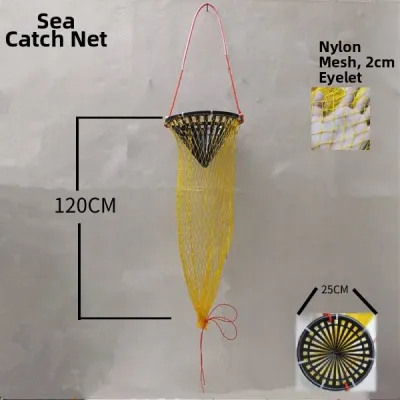
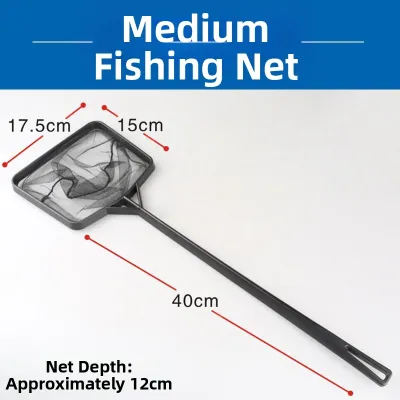
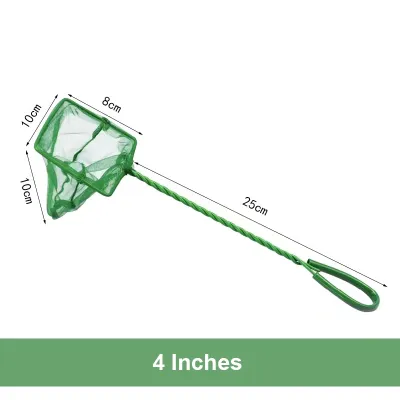
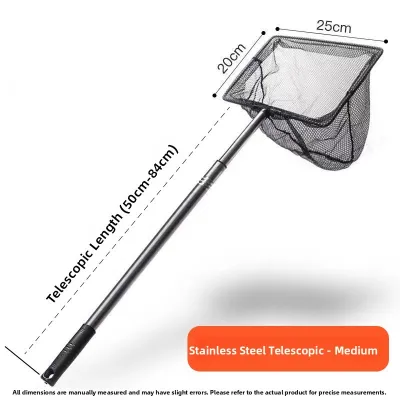
Prices are valid at publication and may change. Please refer to the product page for the latest price.
Landing nets are the most common type used by recreational anglers. Designed to secure fish that have already been hooked on a line, they feature a rigid hoop, a mesh bag, and a handle. The primary purpose of a landing net is to support the weight of the fish as it is lifted from the water, preventing line breakage at the critical final moments of the catch. They are indispensable for shore, boat, and kayak fishing.
Cast nets are circular nets equipped with weights along the outer rim. Instead of waiting for a fish to bite, the angler actively throws the net over a school of fish. As the net sinks, it traps baitfish or small forage species underneath. Once retrieved via a hand line, the net closes, securing the catch. Cast nets require practice and physical coordination to throw effectively, making them popular among bait collectors and subsistence fishers.
Dip nets and hoop nets are optimized for shallow water harvesting or confined spaces. Dip nets typically feature small, fine-mesh hoops on short handles, ideal for scooping up fry, shrimp, or small pond fish. Hoop nets, on the other hand, are cylindrical, stationary traps that fish swim into. These are highly effective in slow-moving channels, irrigation canals, and managed aquaculture ponds where fish can be guided into the enclosure.
Matching the Net to Your Fishing Environment
Selecting the perfect fish catcher net requires a clear understanding of the physical and biological conditions of your target water body. The interaction between water movement, depth, and the physical structure of the environment dictates the necessary gear specifications.

To choose the right tool, you must evaluate three primary components: handle length, hoop size, and mesh type. A net that works perfectly on a calm, flat fish pond will likely fail or become a safety hazard when used along a rocky, wave-swept coastline or in a swift river current.
Rivers and Streams
Navigating rivers and streams in the Philippines requires gear that can handle moving water and abundant submerged obstacles like rocks, fallen branches, and bamboo debris. When fishing in these environments, your net must be highly maneuverable and durable enough to withstand accidental impacts.
Telescopic or extended handles are highly valuable when fishing from elevated riverbanks, steep muddy slopes, or rocky outcrops. They allow you to reach down to the water safely without risking a slip. However, if you plan to wade directly into the stream, a short-handled net with a magnetic release clip attached to your vest is much easier to carry and deploy.
Water drag is a major challenge in active currents. To minimize resistance, select mesh materials with larger openings or specialized rubber-coated designs that allow water to flow through freely. Fine, tightly woven mesh acts like a sail in moving water, creating immense drag that can pull the net out of your hands or throw you off balance.
Safety is paramount when fishing in moving water. Before attempting to land a fish, always assess your footing on slippery riverbeds. If the current is too strong or the water is deep, do not wade in. Use an extended handle net from a stable position on the bank, and if a catch cannot be safely reached, prioritize your safety over the gear or the fish. Ensure your net hoop is made of rigid, high-strength aluminum or reinforced composites to prevent it from bending when swept against underwater obstructions.
Coastal and Saltwater Areas
Coastal and saltwater environments present harsh conditions, including highly corrosive salt air, powerful wave action, and larger, more aggressive fish species. Gear used in these areas must be exceptionally tough and resistant to chemical degradation.
Prioritize corrosion-resistant materials above all else. Saltwater will rapidly degrade standard metals, leading to rusted joints, frozen telescopic mechanisms, and weakened frames. Look for hoops and handles constructed from anodized aluminum, marine-grade stainless steel, or heavy-duty fiberglass. Even with these materials, checking and rinsing the hardware after every trip is essential.
The size of your net must match the scale of coastal species. Saltwater fish like groupers, snappers, and jacks are not only larger but also highly powerful. A small hoop or a shallow bag will allow these fish to easily thrash and escape. Opt for a wide hoop diameter and a deep, reinforced bag that can fully contain the fish’s body length.
If you practice catch-and-release, the type of mesh you use is critical. Warm tropical waters host bacteria that can easily infect injured fish. Avoid rough, knotted nylon nets, which act like sandpaper and strip away the fish’s protective slime coat and scales. Instead, choose knotless nylon or thick rubber-coated mesh to minimize physical trauma and ensure the fish survives after release. Additionally, when fishing from high coastal structures like piers or breakwaters, always watch for sudden swells and incoming tides; never turn your back on the ocean while netting a fish.
Fish Ponds and Still Waters
Fish ponds, estuaries, and still lakes are typically calm, enclosed, and often densely stocked. While these environments lack the violent currents of rivers or the corrosive waves of the ocean, they require gear optimized for efficiency, speed, and tight spaces.
In managed fish ponds or backyard aquaculture setups, space is often restricted by narrow dikes, feeding walkways, or overhanging vegetation. Shorter, fixed handles are ideal here, providing maximum control and easy maneuvering in tight quarters where a long handle would be cumbersome and prone to hitting obstacles.
Because pond harvesting often targets smaller species, tilapia, or milkfish fry, selecting the correct mesh size is vital. Fine mesh sizes are necessary to prevent small fish or bait from escaping through the holes or getting their gills dangerously entangled in the netting.
Repetitive scooping during a harvest or a long day of pond fishing can quickly lead to arm and wrist fatigue. To prevent strain, prioritize lightweight frames made of hollow aluminum or carbon fiber. A well-balanced, lightweight net allows you to make quick, repetitive sweeps with minimal physical effort, keeping your harvesting process smooth and efficient.
Essential Features to Evaluate Before Purchase
When shopping for a fish catcher net, look beyond the basic specifications and inspect the physical build quality and usability features. These details determine how comfortable the net is to use and how long it will last under local conditions.
First, evaluate handle ergonomics and grip texture. Wet hands slip easily, especially when handling fish or dealing with tropical rain. Look for non-slip EVA foam or textured rubber grips that provide a secure hold even when wet. Additionally, consider how you will transport the net. If you travel to your fishing spots via motorcycle, tricycle, or public transport, a collapsible, folding, or telescopic net is highly beneficial as it fits easily into utility boxes or backpacks. For kayak or boat anglers, look for nets that feature built-in flotation foam or a secure lanyard attachment to prevent the tool from sinking if dropped overboard.
Next, compare the mesh materials carefully:
- Nylon: Highly durable and affordable, but prone to tangling hooks and absorbing water, which can lead to odors if not dried properly. Knotted nylon can also be abrasive to fish.
- Rubber-Coated Nylon: A versatile middle ground. It resists hook tangles, dries quickly, and is much gentler on the fish's skin, though it is slightly heavier than plain nylon.
- Pure Rubber: The ultimate choice for catch-and-release. It is completely hook-proof, does not absorb water or odors, and offers the highest level of fish protection, but it is heavier and generally more expensive.
- Monofilament: Primarily used in cast nets due to its low water resistance and fast sink rate, but it requires careful storage to avoid permanent kinks.
Finally, assess the overall weight and balance of the net. Hold the net at full extension with one hand. If it feels excessively front-heavy, it will cause rapid wrist fatigue during use. A high-quality net should feel balanced, allowing you to control the hoop easily with one hand while your other hand manages the fishing rod.
Cleaning and Storing Your Net
Proper maintenance is the most effective way to extend the lifespan of your fish catcher net and prevent material degradation. The high humidity and warm temperatures in the Philippines accelerate the growth of mold and the corrosion of metal parts if gear is neglected.
Establish a strict rinsing protocol after every fishing trip. This is especially critical after exposure to saltwater, brackish water, or muddy pond environments. Use clean, fresh water to thoroughly wash away salt crystals, mud, algae, and fish slime from both the mesh and the frame. Pay close attention to joints, folding hinges, and telescopic locking mechanisms where salt and grit tend to accumulate.
After rinsing, dry the net completely before storing it. Hang the net in a shaded, well-ventilated outdoor area. Never leave a wet net crumpled inside a closed bag, car trunk, or dark storage shed; the trapped moisture in our tropical climate will rapidly produce mold, mildew, and foul odors, which can weaken the mesh fibers over time.
Finally, store your net in a safe, dry location away from direct sunlight. Prolonged exposure to ultraviolet (UV) rays degrades nylon mesh, making it brittle and prone to tearing under load. It can also weaken composite handles. Keep the net hanging flat or supported in a way that prevents the hoop from warping or bending out of shape.
Frequently Asked Questions (FAQ)
Can I use the same fish catcher net for both river and coastal fishing?
While it is physically possible to use one net for both environments, doing so requires significant compromises and strict maintenance. A standard freshwater river net often lacks the marine-grade anodized coatings or stainless steel hardware required to withstand saltwater, leading to rapid rust and joint failure. Furthermore, river nets are typically smaller and may not accommodate larger coastal species. If you choose to use a single net, ensure it is constructed from high-grade corrosion-resistant materials, and meticulously rinse it with fresh water immediately after every saltwater outing.
What mesh type is best for catch-and-release fishing?
Rubber or knotless, rubber-coated mesh is the best choice for catch-and-release fishing. Standard knotted nylon mesh is highly abrasive; it can scrape away the fish’s protective slime coat and damage its scales and fins, leaving the fish highly vulnerable to infections and post-release mortality. Rubber mesh provides a smooth, flat surface that supports the fish’s weight evenly without stripping its natural defenses. Additionally, hooks do not easily tangle in rubber, allowing for a faster, less stressful release.

Community discussion
Share your experience or ask a question. Comments are reviewed before publication.