
Selecting the right fishing rod rack stand depends entirely on whether it is destined for a stable, indoor home environment or a high-impact, corrosive marine setting. For home storage, wall-mounted racks and freestanding floor stands prioritize space efficiency, organization, and physical protection from dust and accidental bumps. Conversely, boat deck storage requires marine-grade, securely mounted rod holders—such as flush-mount or heavy-duty rail-clamp systems—engineered to withstand intense UV exposure, saltwater corrosion, and the vibrations of rough water transit. Choosing an incompatible type can lead to costly gear damage, either from rods falling over at home or being lost overboard at sea.
Assessing Your Primary Storage Environment
Evaluating available space is the first step. In Philippine homes, space is often limited, especially in urban areas or coastal residences. A freestanding floor stand requires dedicated floor area, whereas a wall-mounted rack utilizes vertical space that would otherwise go unused. On a boat, space is even tighter; every square inch of deck or gunwale must be carefully allocated to avoid interfering with casting, netting, or general movement.
Next, identify environmental exposure. The tropical climate of the Philippines brings high humidity and salt-laden air, particularly in coastal regions. Indoor storage protects rods from direct sunlight, but high humidity can still trap moisture in enclosed spaces, leading to mold on cork grips or corrosion on guide rings. On the water, boat-mounted racks face relentless UV rays, direct saltwater spray, and constant moisture, demanding materials that will not degrade, rust, or become brittle.
Products mentioned in this guide
![[COD] SHPYHT SPORTS 1PCS 8-Slot Solid Wood Floor Standing Fishing Rod Rack – No-Drill Display Stand With Silicone Slots Fits All Fishing Pole Types](https://img.lazcdn.com/g/p/98af275e14ba793509dd6203ac3de4f5.jpg_400x400q80.jpg_.webp)

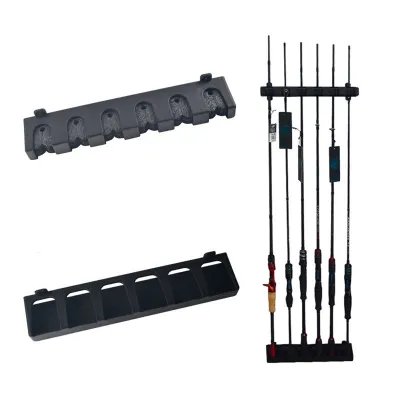
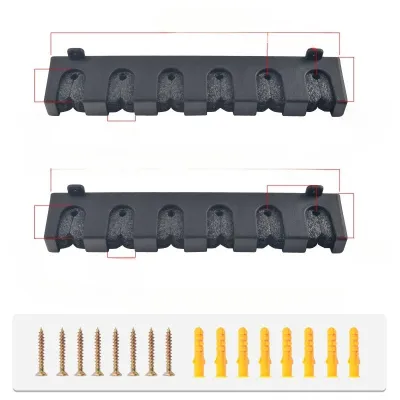
![[COD] EHBqna 1Pc 360 Degree Adjustable Aluminum Alloy Fishing Rod Holder Folding Fish Pole Stand For Fishing Ground Support](https://img.lazcdn.com/g/p/0ec3de21a25246ebfcff676012c00e99.jpg_400x400q80.jpg_.webp)
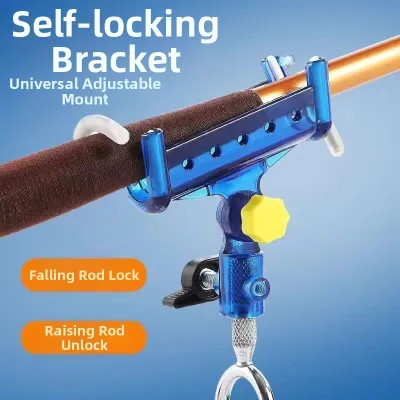
Prices are valid at publication and may change. Please refer to the product page for the latest price.
Finally, determine access frequency. If you fish almost every weekend, quick-access vertical racks are ideal. For long-term storage during the monsoon season when sea conditions are unfavorable, horizontal wall racks keep rods safely out of the way for extended periods.
Fishing Rod Rack Stand Options for Home Storage
Wall-mounted racks and freestanding floor stands are the primary options for indoor layouts. Wall-mounted racks keep rods completely off the ground, safe from pets, children, and vacuum cleaners. They can be mounted high on a garage or living room wall. Freestanding floor stands, often circular or rectangular, are highly portable within the home, allowing you to move your entire collection easily, but they do occupy physical floor space and can be tipped over if not balanced correctly.

You must also choose between vertical and horizontal orientations. Vertical racks are highly efficient for shorter rods or rooms with high ceilings. However, if you use long, one-piece rods common in surf casting or heavy jigging, a vertical setup might press against the ceiling. Horizontal wall racks are the preferred choice for long rods, as they distribute the weight evenly across multiple support points and fit neatly above doors or windows.
Always check for protective features like padded slots or foam inserts. To prevent scratches on delicate rod blanks and guide frames, look for stands that feature soft EVA foam inserts, rubberized clips, or molded plastic cradles. Avoid bare metal or rough plastic edges that can wear down the protective epoxy coating of your rods over time.
Lastly, verify the rack’s total weight capacity. Heavy-duty saltwater spinning reels and overhead trolling reels add significant weight to a rod. Ensure the rack’s specifications explicitly support the combined weight of your fully rigged combos, especially for wall-mounted units where the mounting anchors bear the entire load.
Marine-Grade Rod Holders for Boat Deck Management
Securing rods on a boat requires specialized mounting styles. Flush-mount holders are installed directly into the boat’s gunwale, offering a clean, low-profile look and maximum strength, though they require drilling permanent holes. Clamp-on and rail-mount holders attach directly to existing bow rails, T-tops, or grab handles. These are highly adjustable and require no drilling, making them excellent for versatile setups, provided the rail diameter matches the clamp specifications.
Verify material specifications for saltwater resistance and UV stability. Marine environments are incredibly harsh. Look for holders constructed from high-grade 316 stainless steel, anodized aluminum, or heavy-duty, UV-stabilized polymers. Standard plastics will quickly degrade, discolor, and crack under the intense tropical sun of the Philippines, risking a catastrophic failure while underway.
Ensure the holder includes a gimbal pin or adjustable base. A gimbal pin at the bottom of the holder slot locks into the gimbal butt of heavy-duty trolling or jigging rods, preventing the rod from rotating or twisting during rough water transit. For lighter rods, an adjustable locking strap or deep tube design is necessary to prevent the rod from bouncing out when hitting waves.
Finally, check the tube diameter. Measure the thickest part of your rod handles, including any flared butt caps or trigger grips on baitcasting rods. The inner diameter of the marine holder must accommodate these handles comfortably without excessive wobbling, which can cause friction wear on the grips.
Evaluating Cross-Scenario Compatibility
It is tempting to use a single portable rack for both environments, but this introduces significant trade-offs. Portable freestanding racks are designed for stable, flat indoor floors. Attempting to use them on a boat deck is highly risky; without permanent deck mounting, these stands can easily slide, tip over, or slide overboard when encountering sudden swells, wakes, or sharp turns, potentially destroying thousands of ₱ in gear.
Some specialized marine manufacturers offer modular rod rack systems featuring mounting brackets that permanently attach to both your garage wall and your boat’s deck or console. The main rack body can then be slid out of the home bracket and locked securely into the boat bracket. This offers a true dual-use solution without compromising structural stability.
However, understand the security compromises. Using indoor-focused racks in outdoor marine environments exposes non-UV-treated plastics and standard steel screws to rapid degradation. Conversely, using heavy marine-grade metal holders indoors can be unnecessarily expensive and bulky for a simple home garage setup.
Pre-Purchase Checklist and Installation Checks
Before purchasing any fishing rod rack stand, measure your longest rod handles and largest reels. Large spinning reels (such as 8000 to 20000 sizes used for offshore fishing in the Philippines) require wider spacing to prevent the reels from banging against each other when stored side-by-side.
Next, inspect your intended mounting surface. For home wall installations, locate the wall studs using a stud finder; securing a heavy rod rack solely into drywall or thin plywood can lead to the rack pulling loose. For boat installations, measure your rail diameters precisely using calipers before buying clamp-on holders, and ensure there is sufficient clearance beneath the gunwale for flush-mount installations.
Review the manufacturer’s installation instructions for required hardware and weight limits. Always use stainless steel screws for any marine or high-humidity installations to prevent rust streaks.
Finally, plan for proper drainage and airflow. If you store your rods indoors immediately after a fishing trip, ensure the storage area has adequate ventilation. Storing wet rods in an enclosed, unventilated closet can trap moisture, leading to corrosion on guide frames and reel seats.
Frequently Asked Questions (FAQ)
How do I prevent my fishing rods from getting scratched in a rack?
To protect your rods from scratches, select a fishing rod rack stand that features built-in rubber, silicone, or EVA foam padding along the contact points. If your current rack lacks padding, you can slide aftermarket foam sleeves or soft neoprene wraps over the rod blanks where they rest against the stand. Additionally, ensure adequate spacing between slots so that adjacent reels and guides do not rub against each other during storage or retrieval.
Can I use a standard plastic rod holder on a saltwater boat?
It is highly discouraged to use standard, indoor-grade plastic rod holders on a saltwater boat. Standard plastics lack the necessary UV stabilizers and will rapidly degrade, turn brittle, and crack under constant exposure to the tropical sun and saltwater spray. For marine environments, always verify that the manufacturer’s specifications explicitly state the product is made from UV-stabilized polymers, high-impact ABS, or marine-grade metals like 316 stainless steel.

Community discussion
Share your experience or ask a question. Comments are reviewed before publication.