
Selecting the right sinker for fishing in the Philippines requires matching your terminal tackle to the specific aquatic environment, water movement, and bottom terrain. Whether you are casting into the calm waters of inland lakes, navigating the steady currents of tropical rivers, or battling the crashing surf along coastal shores, your choice of weight determines how naturally your bait is presented and whether your rig stays anchored or gets snagged. By understanding how different shapes and weights interact with water currents and underwater structures, you can significantly improve your presentation and increase your catch rate.
How Water Current and Bottom Structure Dictate Sinker Choice
The physics of sinker selection revolves around two primary factors: water movement and the composition of the bottom. When you cast your line, the water current exerts force on both your fishing line and your bait, pushing them away from your target zone. A sinker must counteract this force, but its ability to do so depends heavily on its shape rather than just its weight. Round or aerodynamic shapes tend to roll along the bottom when pushed by currents, while flat, angular, or clawed shapes are designed to dig into the substrate and anchor your rig firmly in place.
Underwater terrain dictates whether your sinker will glide smoothly over obstacles or get hopelessly wedged in crevices. Soft bottoms consisting of mud or fine sand allow heavy, blunt sinkers to sink deep into the silt, which can bury your bait and hide it from passing fish. Conversely, rocky bottoms, coral reefs, and submerged timber are notorious for trapping weights with sharp edges or protruding brass loops. For these snag-prone environments, streamlined shapes that slide easily over obstructions are essential to avoid losing your entire rig.
Products mentioned in this guide
Prices are valid at publication and may change. Please refer to the product page for the latest price.
Reading the water before you tie on a weight is a crucial skill for any angler. Observe the speed of the surface current, the presence of swirling eddies, and the action of waves breaking near the shore. If you notice rapid drift or your line bowing significantly after casting, these are clear indicators that you need either a heavier weight or a more aggressive, anchoring shape. Starting with a lighter weight and observing how quickly it drifts allows you to make precise adjustments without over-weighting your setup.
Best Sinker Types for Freshwater Lakes and Rivers
Inland freshwater bodies in the Philippines, ranging from expansive lakes to fast-flowing mountain streams, present distinct challenges that require specific sinker designs. In still waters such as lakes, ponds, and calm reservoirs, fish often have more time to inspect your bait, making a natural presentation critical. For these environments, split shot sinkers are highly effective because they can be easily crimped directly onto your line or leader. They allow you to add minute increments of weight to balance delicate floats or to slowly sink live bait through the water column without creating a loud splash that might spook wary fish.

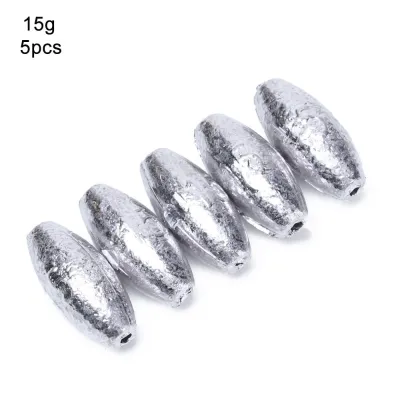
Another staple for calm freshwater environments is the egg sinker, which features a hollow core running through the center. This design allows your main line to slip freely through the weight when a fish takes the bait, preventing the fish from feeling the resistance of the sinker. Egg sinkers are ideal for bottom fishing in lakes where species like tilapia or carp feed cautiously. Because the weight rests on the bottom while the line slides through, you can detect the faintest nibbles on your rod tip before setting the hook.
When you transition to moving waters like rivers and streams, still-water tactics quickly lose their effectiveness. Strong river currents will easily sweep lightweight split shots and rolling egg sinkers downstream, dragging your bait into shoreline brush or snagging it on bottom debris. In these situations, pyramid sinkers and bank sinkers become indispensable. The flat faces of a pyramid sinker prevent it from rolling, allowing the pointed tip to dig into the riverbed and hold your bait in a specific current seam where predatory fish are likely to ambush prey.
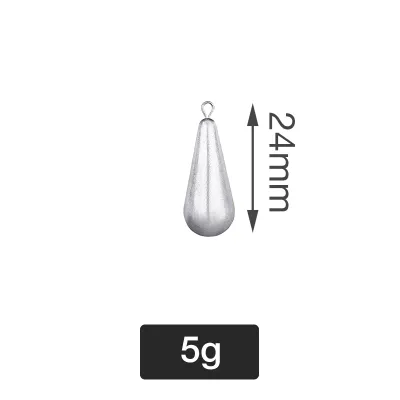
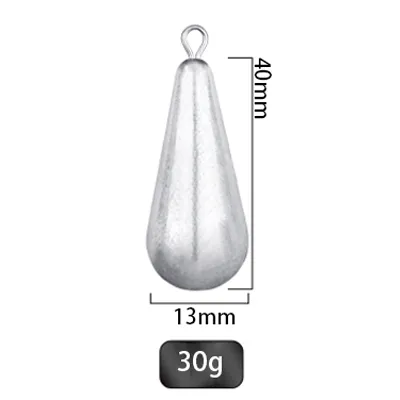
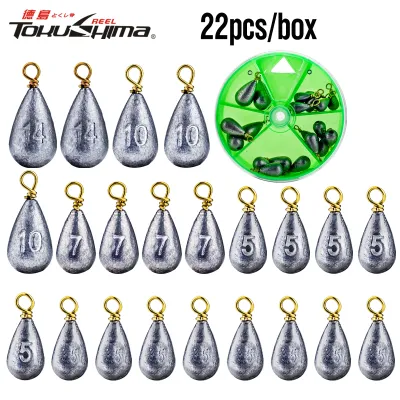
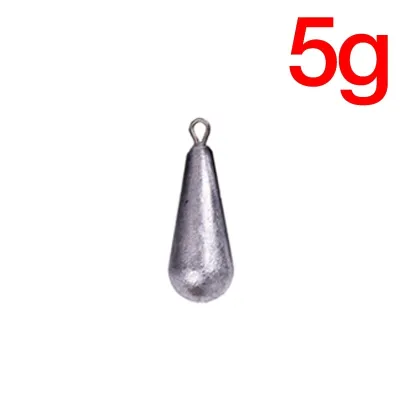
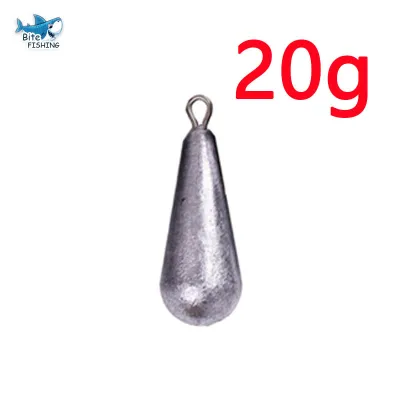
Bank sinkers, with their rounded, teardrop shape and molded lead eyes, are excellent for moderately flowing rivers with rocky or gravelly bottoms. The smooth, tapered profile of a bank sinker allows it to bounce over rocks more easily than a sharp-cornered pyramid sinker, reducing the likelihood of getting wedged between stones. When fishing these currents, the key is to adjust your weight incrementally. Start by casting a moderate weight and, if you feel the rig tumbling uncontrollably, tie on the next size up until your bait remains stationary in the strike zone.
Selecting Sinkers for Coastal and Saltwater Environments
Saltwater fishing along the coastlines of the Philippines introduces powerful forces like tidal currents, heavy surf, and highly abrasive underwater structures. When fishing from sandy beaches or casting into the surf, you must contend with constant wave action that can quickly wash your rig back onto the shore. To combat this, pyramid sinkers are the traditional choice because their inverted triangular shape digs deep into the shifting sand. For extreme surf conditions or areas with exceptionally strong tidal rips, spider sinkers—which feature copper wires extending from the body—provide maximum holding power by anchoring into the sand like a miniature boat anchor.
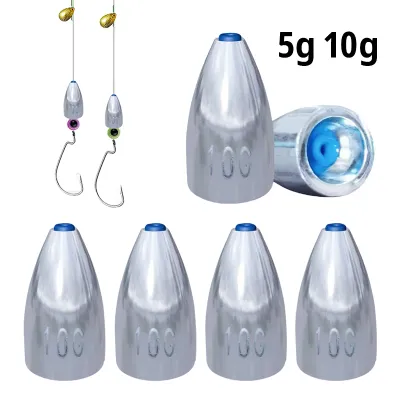
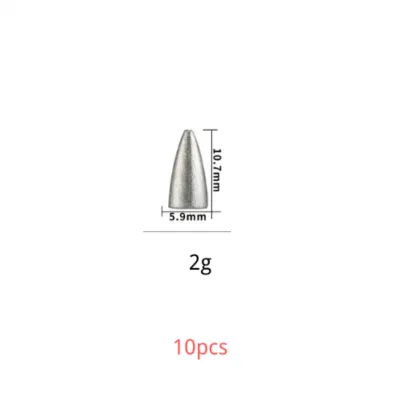
For anglers targeting rocky shores, concrete piers, and stone jetties, the sandy-bottom strategy must be completely abandoned. Using a pyramid or spider sinker in these areas is a guaranteed way to lose your gear, as their anchoring features will lock onto rocks and crevices. Instead, opt for bank sinkers or torpedo sinkers. Torpedo sinkers are slender, inline weights designed to cut through the water quickly and slip through tight gaps in underwater rock formations. Their streamlined shape minimizes drag during both the cast and the retrieve, making them highly efficient for deep-water coastal fishing.
Corrosion is a constant threat in marine environments, making material selection and post-trip maintenance vital for preserving your gear. While traditional lead sinkers remain popular due to their density and low cost, alternative materials like brass, steel, and tungsten are increasingly common. Brass and steel sinkers are highly durable but can rust or tarnish quickly if left wet. To prevent corrosion from spreading to your hooks, swivels, and tackle box compartments, always rinse your sinkers thoroughly with fresh water after every saltwater outing and allow them to dry completely before storage.
Fine-Tuning Weight and Rigging for Your Target Catch
Achieving the perfect balance in your fishing rig requires adhering to the minimum weight rule: always use the lightest sinker possible that still allows you to maintain contact with the bottom or your target depth. Over-weighting your rig not only dampens your ability to feel subtle bites but also makes your bait behave unnaturally in the water. If your sinker is too heavy, it can plunge deep into soft mud, hiding your bait from view, or create too much resistance when a fish attempts to swim away with the bait, causing it to spit the hook.
The choice between a sliding rig and a fixed rig depends heavily on the feeding behavior of your target species. Sliding rigs, utilizing egg sinkers or running sinker sleeves, are superior when targeting cautious fish that feed by picking up bait and swimming away before swallowing it. Fixed rigs, where the sinker is clamped or tied securely to a specific point on the line, are better suited for aggressive strikers or when fishing in heavy currents where you want the weight to immediately assist in setting the hook as soon as the fish grabs the bait.
Finally, responsible angling involves staying informed about local fishing guidelines and environmental considerations. Some protected marine sanctuaries, national parks, and freshwater conservation zones in the Philippines may have specific restrictions regarding terminal tackle materials to protect local ecosystems. Before heading out to a new fishing spot, verify the local rules regarding sinker materials and usage to ensure you are preserving the natural beauty and biodiversity of the waters for future generations.
Frequently Asked Questions (FAQ)
Can I use the same sinker for both freshwater and saltwater fishing?
Yes, you can use the same sinker shapes across both environments, but you must pay close attention to material composition and maintenance. Standard lead sinkers do not rust, but they can develop a powdery white oxidation layer over time when exposed to saltwater. Coated sinkers, brass, and steel weights are highly versatile but require diligent care. To maximize the lifespan of your terminal tackle, always rinse your sinkers with clean fresh water after a saltwater trip, dry them thoroughly, and store them separately from your freshwater gear to prevent any cross-corrosion.
How do I know if my sinker is too heavy or too light?
You can determine if your weight is incorrect by observing your line and rod tip. If your sinker is too light, you will notice your line constantly drifting with the current, forming a large bow in the water, and you will struggle to feel the bottom. If your sinker is too heavy, your bait will plunge straight down with a loud splash, your rod tip will bend excessively under the dead weight, and you may find your rig constantly snagged in soft mud or rocks, significantly reducing your ability to detect light bites.

Community discussion
Share your experience or ask a question. Comments are reviewed before publication.