
Selecting the right football ball depends entirely on where you play. A ball designed for soft natural grass will quickly tear apart on a rough concrete barangay court, while a heavy street ball will bounce unpredictably on an indoor wooden floor. Matching the ball’s casing, bladder, and construction to your specific playing surface ensures optimal control, protects your joints from harsh impacts, and saves you money by extending the ball’s lifespan.
In the Philippines, football is played on a wide variety of surfaces, from muddy school fields during the rainy season to hard concrete community courts under the midday sun. Each environment demands different physical properties from a ball. Understanding these differences allows you to choose equipment that performs consistently and resists premature wear.
Why Playing Surface Dictates Your Football Ball Choice
The interaction between a football ball and the ground determines how the ball bounces, rolls, and responds to your feet. Rough concrete surfaces act like sandpaper, rapidly grinding down soft outer casings and shredding exposed stitching. Conversely, smooth indoor wooden or vinyl floors offer very little friction, requiring a ball that can grip the surface without sliding out of control.
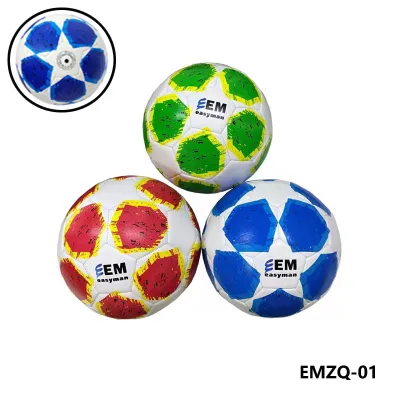
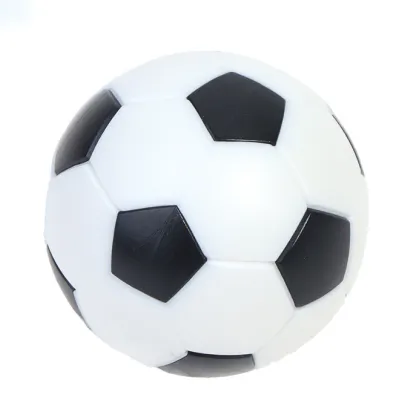
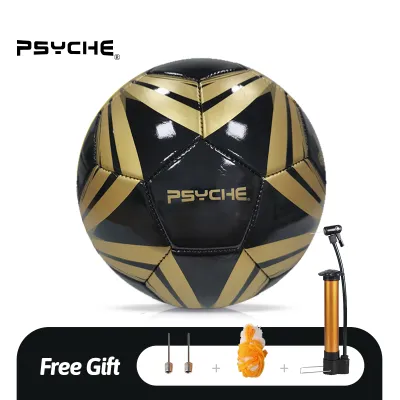
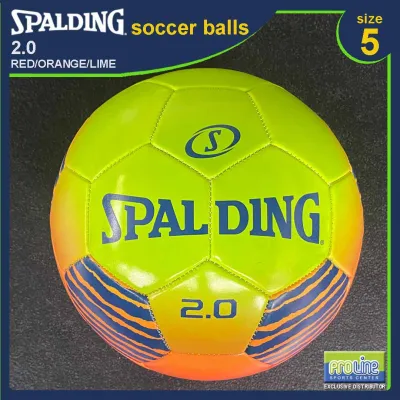
Products mentioned in this guide
![[Random Color] Size 5 Ball Football Soccer Ball Training Outdoor Playing Ball](https://img.lazcdn.com/g/p/ec6dbf79ad660c62aa13c05cae3067fb.png_400x400q80.png_.webp)
![[SALE] Size 4 & 5 Ball Football Soccer Game Ball Outdoor Football World Cup Football Soccer Ball](https://img.lazcdn.com/g/p/32643ec9e1f3b539f05e352495f6555b.jpg_400x400q80.jpg_.webp)
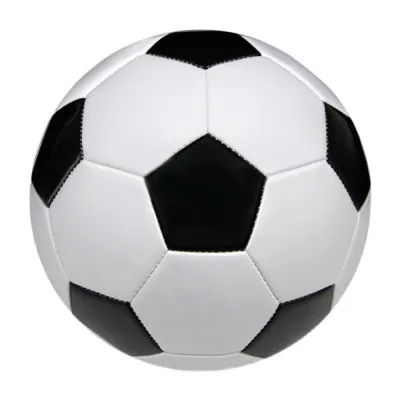
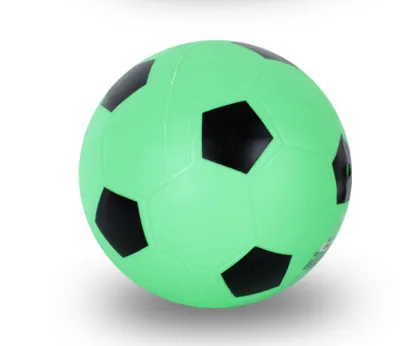
Prices are valid at publication and may change. Please refer to the product page for the latest price.
Casing materials react differently to these surface textures. Soft polyurethane (PU) provides an excellent, cushioned touch on grass but wears down almost instantly on asphalt. Harder polyvinyl chloride (PVC) and vulcanized rubber resist abrasion but can feel stiff and slick on wet grass or polished indoor courts.
Using the wrong ball also affects your physical comfort and safety. Hard, unforgiving surfaces like concrete do not absorb impact. If you use a highly pressurized, stiff ball on concrete, the shock of every kick and trap transfers directly to your ankles, knees, and hips. Choosing a ball with the correct construction helps cushion these forces and prevents unnecessary strain on your joints.
Selecting a Football Ball for Concrete and Asphalt Courts
Outdoor community courts, paved schoolyards, and streets are the most common playing areas in many local neighborhoods. These surfaces are highly abrasive and unforgiving to standard sports equipment. To survive this environment, a football ball must prioritize structural durability over soft touch.

When shopping for a concrete-court ball, look for a casing made of vulcanized rubber or thick, reinforced PVC. Rubber street balls are specifically engineered to withstand scraping against stones and rough cement. They maintain their outer texture far longer than synthetic leather alternatives, ensuring you do not lose grip during fast-paced street games.
Construction type is equally critical for hard surfaces. Avoid hand-stitched balls for concrete play, as the rough ground will quickly fray and snap the exposed threads, causing the panels to peel open. Instead, look for molded rubber balls or machine-stitched models with deeply recessed seams that are protected from direct contact with the ground.
Finally, consider the bladder material inside the ball. Butyl bladders are highly recommended for concrete play because they retain air much better than latex bladders. This air retention is vital on hard surfaces, where constant high-impact collisions against concrete walls and ground surfaces put immense pressure on the ball’s air valve and seams.
Choosing a Football Ball for Natural Grass and Artificial Turf
Playing on natural grass pitches or modern artificial turf allows you to focus on touch, flight accuracy, and precise passing. Because these surfaces naturally absorb impact, you can use a ball designed for high performance and a softer feel.
For grass and turf, polyurethane (PU) is the gold standard for outer casings. PU synthetic leather offers a responsive, cushioned touch that allows for better ball control and spin. It mimics the feel of professional match balls, giving you a predictable trajectory when passing or shooting across a standard field.
Seam construction on grass balls must protect against moisture. During the tropical rainy season, natural grass fields can quickly become waterlogged. Look for thermally bonded or high-quality hand-stitched balls. Thermal bonding fuses the panels together with heat, creating a seamless barrier that prevents water absorption, keeping the ball light and true to its original weight even on wet grass.
Inflation pressure must be adjusted based on the firmness of the turf and local weather conditions. On hard, dry soil, lowering the air pressure slightly can prevent the ball from bouncing too high and becoming difficult to control. Always check the manufacturer’s recommended pressure range, usually printed near the valve, and use a pressure gauge to find the right balance.
Picking the Right Football Ball for Indoor and Futsal Floors
Indoor gymnasiums, covered courts, and polished wooden or vinyl floors require a completely different style of play. These tight spaces demand quick footwork, short passes, and low-flying ball movement, which standard footballs cannot easily accommodate.
To play effectively indoors, you should select a futsal-specific ball. Futsal balls are smaller (typically Size 4) and heavier than standard footballs, and they feature a specialized low-bounce bladder filled with foam or synthetic fibers. This design keeps the ball close to the floor, allowing for rapid, ground-based passing and intricate dribbling in confined spaces.
Protecting the indoor playing surface is also a key consideration. Ensure the outer casing of the ball is labeled as non-marking. Standard outdoor balls can leave dark scuff marks on polished wood or synthetic court tiles, which can damage the facility and are difficult to clean. Futsal balls generally use soft, non-marking synthetic materials that slide smoothly without leaving residue.
Additionally, the softer outer layer of an indoor ball serves a practical acoustic purpose. Enclosed gymnasiums can echo loudly, and a hard outdoor ball striking walls or floorboards creates a disruptive amount of noise. A cushioned futsal ball dampens these impacts, making the indoor playing experience much more comfortable for players and spectators alike.
Can One Football Ball Work Across Multiple Surfaces?
Many players wonder if they can buy a single football ball to use on the street, the local grass pitch, and the indoor covered court. While a single ball can physically be kicked on any surface, doing so involves significant trade-offs in performance and durability.
Using a high-quality grass ball on concrete is the fastest way to ruin your investment. The abrasive cement will scratch the soft PU casing within minutes, and the exposed seams will likely split after just a few sessions. Conversely, using a heavy, hard rubber street ball on a grass pitch results in a stiff, heavy feel that makes long passes and headers uncomfortable.
If you must use one ball for everything, a durable rubber training ball is the most practical compromise. While it will feel heavy and stiff on grass, it will survive the rough concrete of a barangay court without falling apart. However, you must accept that its lifespan will be significantly shorter if it is frequently transitioned between abrasive outdoor concrete and other surfaces.
For players who regularly switch between different venues, owning two distinct balls—a durable rubber or PVC ball for concrete, and a softer PU or futsal ball for grass or indoor courts—is more cost-effective in the long run. This prevents you from prematurely destroying a premium ball on rough ground.
Pre-Purchase Inspection and Care Checklist
Before purchasing a new football ball from a local sports store or an online marketplace, performing a quick physical inspection can save you from buying a defective product. Taking proper care of the ball afterward ensures it performs well for many matches to come.
- Check the Seams: Run your fingers along the seams to ensure there are no loose threads, gaps between panels, or uneven glue lines.
- Inspect the Valve: Ensure the inflation valve is centered, flush with the casing, and free of debris or manufacturing defects.
- Verify Roundness: Inflate the ball to its recommended pressure and roll it across a flat surface to confirm it rolls smoothly in a straight line without wobbling.
- Moisten the Needle: Always wet the inflation needle with water or a drop of glycerin before inserting it into the valve to prevent tearing the inner rubber seal.
- Store Away from Heat: Avoid leaving your ball inside a hot car trunk or under direct sunlight on a concrete balcony. High tropical heat and humidity can melt panel adhesives, warp the bladder, and degrade the outer casing material.
- Clean After Use: Wipe the ball down with a damp cloth after playing on muddy grass or dusty concrete to remove abrasive grit that can wear down the outer layer over time.

Community discussion
Share your experience or ask a question. Comments are reviewed before publication.