
Choosing a giant volleyball ball requires looking beyond the novelty factor to find a size and weight that match your specific goals. While a standard volleyball is engineered for fast-paced, competitive indoor matches, oversized variations serve highly distinct purposes. Some are designed as slightly larger, padded training aids to help beginners build confidence, while others are massive, ultra-lightweight inflatables meant for beach recreation or corporate team-building icebreakers. Selecting the wrong type can quickly lead to a frustrating experience, deflated equipment, or even physical strain on wrists and fingers. By matching the ball’s physical dimensions, weight, and material to your playing environment, you can ensure safe, engaging, and long-lasting play.
Quick Guide to Matching Giant Volleyballs to Your Activity
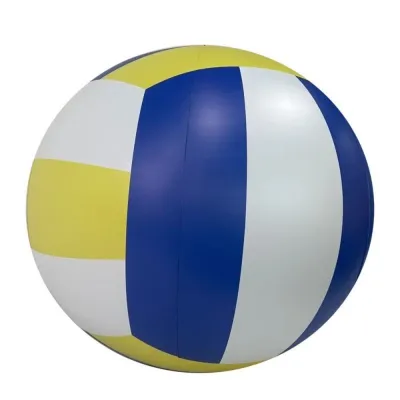
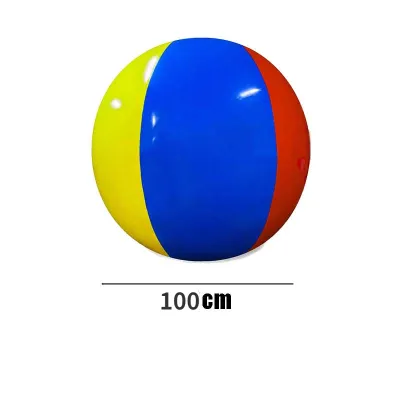
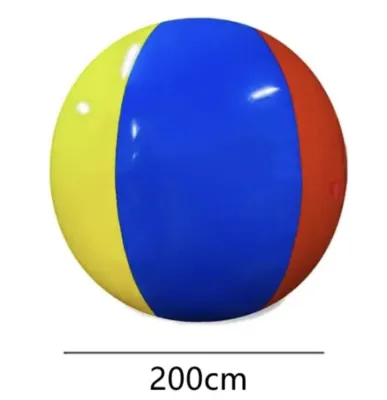
In the world of volleyball, “giant” is a broad term that covers a wide range of dimensions. On one end of the spectrum, you will find slightly oversized training balls, which typically measure around 30 to 40 centimeters in diameter. These are designed to slow down the pace of the game for skill development. On the other end are massive, multi-person event balls that can exceed 100 centimeters in diameter, built purely for cooperative group play.
The core philosophy of choosing the right ball lies in matching its physical traits directly to your primary goal. For skill development, you need a ball that maintains a predictable trajectory and offers a soft feel to protect the forearms. For casual outdoor recreation, durability and weather resistance are paramount. For mass-participation events, safety and ease of handling take precedence over athletic performance. Understanding these distinctions prevents premature wear on your gear and ensures that everyone, from young children to corporate participants, can play safely.
Products mentioned in this guide
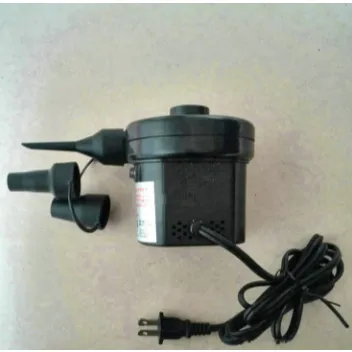
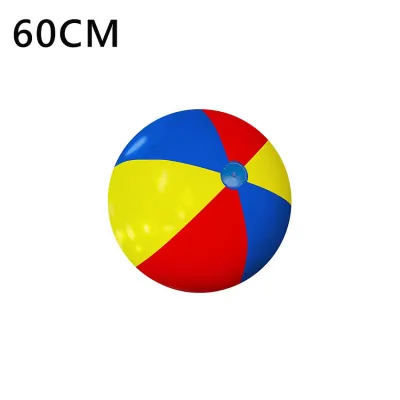
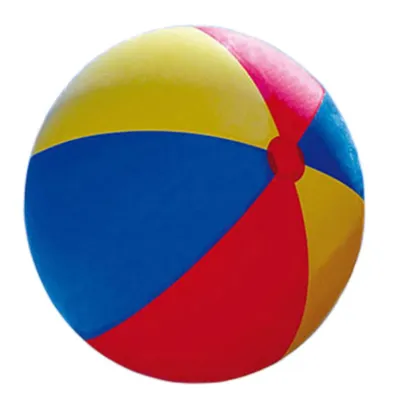
Prices are valid at publication and may change. Please refer to the product page for the latest price.
Key Factors: Sizes, Materials, and Weight
Before selecting a giant volleyball ball, it is essential to understand the technical variables that dictate how it performs. These factors determine how the ball moves through the air, how it feels upon impact, and how long it will survive.

Size and Dimensions Oversized volleyballs are typically measured by their diameter or outer circumference. As the surface area increases, it encounters significantly more air resistance. This aerodynamic drag slows down the ball’s flight path, giving players more time to react. However, a larger surface area also makes the ball highly susceptible to wind, which is a critical consideration if you plan to play outdoors.
Material Composition The cover material determines the ball’s tactile feel and durability. Common options include:
- Soft Synthetic Leather: This material provides a cushioned touch that closely mimics professional game balls, making it ideal for repetitive training.
- High-Grade PVC: Highly durable and completely waterproof, PVC is excellent for wet environments, though cheaper versions can feel stiff.
- Treated Rubber: Offering excellent bounce and robust wear resistance, rubber is highly durable but can be abrasive on bare skin.
- Inflatable Foam or Fabric Covers: These provide the softest impact, making them the safest choice for casual, uncoordinated group games.
Weight and Density A common misconception is that a larger ball is automatically heavier. In reality, many giant volleyballs are exceptionally light. The weight is determined by the thickness of the outer shell and the quality of the internal bladder. High-quality butyl or latex bladders help maintain a consistent spherical shape and ensure even weight distribution, preventing erratic wobbles during flight.
Valve and Seam Construction Because oversized balls contain a large volume of air, they experience high internal pressure when struck. Look for reinforced, machine-stitched or chemically bonded seams to prevent splitting. Additionally, verify that the valve is recessed and securely sealed to prevent air leaks and avoid scraping players’ hands during play.
Choosing a Giant Volleyball Ball for Beginner Training
Using a giant volleyball ball for training is an effective way to introduce beginners to the sport without the intimidation of a fast-moving, hard standard ball. The primary objective of using an oversized ball in a training clinic is to slow down the tempo of the game. This extra split second allows novice players to track the ball’s trajectory, position their feet correctly, and form a proper passing platform with their forearms.
To build confidence and keep beginners engaged, focus on the touch and impact feel of the ball. Repetitive passing drills can quickly cause painful bruising or stinging on the forearms, which often discourages new players. Selecting a ball with a thick, foam-backed synthetic leather cover cushions the impact, allowing for longer, more productive practice sessions.
However, it is crucial to stay within reasonable size and weight limits. A training ball should only be moderately oversized—typically between 30 and 35 centimeters in diameter. Avoid excessively heavy or massive novelty balls for technical drills. If a ball is too heavy, it can place dangerous strain on a beginner’s wrists and fingers, ultimately promoting poor setting and passing form.
Finally, verify that the ball offers a consistent and predictable bounce. For structured drills, players must be able to rely on the ball bouncing true off the floor or their arms. Look for training-specific oversized balls from reputable sports manufacturers, which are balanced to ensure reliable flight and bounce characteristics.
Selecting the Right Ball for Beach Fun and Outdoor Play
Playing outdoors in the tropical climate of the Philippines introduces unique environmental challenges, from the abrasive sands of Laiya to the salty winds of Boracay. When choosing a giant volleyball ball for the beach or park, environmental resistance must be your top priority.
Look for non-porous materials like high-grade PVC or specifically treated rubber that do not absorb water or trap sand particles within the seams. A waterlogged ball becomes heavy, sluggish, and difficult to play with, while trapped sand can act like sandpaper, wearing down the outer cover. Ensure the ball features a tightly sealed, recessed valve to prevent sand and moisture from entering the internal bladder.
Visibility is another key factor when playing under bright, sunny skies. High-visibility, multi-colored, or neon designs stand out clearly against bright sand, blue water, and glare. This high contrast makes it much easier for players to track the ball’s movement during high-velocity outdoor rallies.
Because direct sunlight can rapidly degrade plastics and rubbers, check the manufacturer’s specifications for UV-resistant coatings. Without this protection, prolonged exposure to intense sunlight can cause the ball’s colors to fade and the outer shell to become brittle and prone to cracking.
Finally, consider the grip. A large, smooth ball can easily slip out of wet or sandy hands. Opt for balls with textured surfaces, pebbled patterns, or matte finishes. These textures provide the necessary friction for secure setting and serving, even when players are covered in sweat, sunscreen, or sea water.
Picking the Best Giant Ball for Team Building and Group Events
For corporate seminars, school sports days, or community icebreakers, giant volleyballs serve as excellent tools to encourage collaboration. In these settings, the goal is not technical skill, but maximum participation and fun.
For large group events, “mega” or “jumbo” volleyballs—often measuring between 100 and 150 centimeters in diameter—are the ideal choice. Despite their imposing size, these balls must be exceptionally lightweight. An ultra-lightweight design ensures that multiple participants can strike the ball simultaneously without any risk of impact injuries, making the game accessible to individuals of all fitness levels and age groups.
Safety should always guide your choice of materials for group events. Uncoordinated play is common during icebreakers, and players may accidentally take a ball to the face or chest. Selecting a ball made from soft, yielding materials like inflatable foam, lightweight fabric-covered bladders, or thin, flexible PVC ensures that impacts are completely harmless and pain-free.
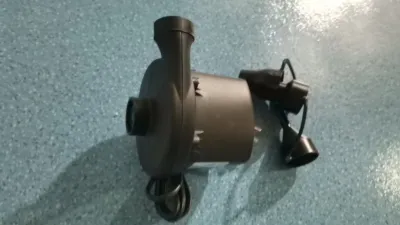
From a logistical standpoint, managing a massive ball requires some planning. Before purchasing, verify how quickly the ball can be inflated and deflated. Look for models that feature high-volume valves and check if they include a compatible high-volume hand pump or an adapter for electric air pumps. A ball that takes an hour to inflate can disrupt tight event schedules.
The unique game dynamics of a jumbo ball naturally level the playing field. Because the ball is so large and floats slowly through the air, athletic dominance and individual spikes are virtually impossible. Teams must communicate constantly and coordinate their movements to keep the ball aloft, making it a perfect tool for building trust and teamwork.
Cross-Scenario Compatibility: Can One Ball Do It All?
When investing in sports equipment, it is natural to wonder if a single giant volleyball ball can handle all your planned activities. The answer depends on the level of performance you expect and the environments where you plan to play.
Choosing a single ball always involves a compromise. A highly durable, waterproof PVC ball designed to withstand the abrasive sand and salty water of the beach will likely feel too hard and uncomfortable for repetitive indoor beginner training. Conversely, a premium, soft-touch synthetic leather training ball will quickly degrade, absorb moisture, and lose its grip if subjected to outdoor beach conditions.
If you are looking for a versatile middle-ground option, a hybrid giant ball is your best bet. Look for a moderately oversized ball (around 30 to 40 centimeters) constructed from water-resistant synthetic leather or high-density, padded PVC. This hybrid style offers a soft enough touch for casual training and light group games, while still providing enough water and sand resistance to survive occasional weekend trips to the beach.
However, you should specialize when the demands of your activities diverge significantly. If you are running structured training clinics where proper form is critical, and also organizing large-scale corporate team-building events, a single ball will not suffice. In this scenario, investing in separate, specialized balls—a padded training ball for skill development and an ultra-lightweight jumbo inflatable for events—is necessary to ensure safety, proper skill progression, and equipment longevity.
Maintenance, Cleaning, and Storage in Tropical Climates
The hot and humid tropical climate of the Philippines can be tough on sports gear. To maximize the lifespan of your giant volleyball ball, establishing a regular maintenance routine is essential.
Cleaning Protocols After every outdoor session, take a few minutes to clean the ball. Gently wipe away sand, salt residue, and sweat using a soft cloth dampened with clean water and a mild, non-abrasive soap. Avoid using harsh chemical solvents, bleach, or stiff brushes. These harsh substances can break down the protective UV coatings, weaken glued seams, and degrade the outer PVC or rubber material.
Inflation Management Regularly check the ball’s air pressure, especially when playing outdoors. In tropical climates, intense heat causes the air inside the bladder to expand rapidly. If a fully inflated giant ball is left in direct sunlight on the beach or locked inside a hot car trunk, the expanding air can place extreme stress on the seams, leading to warping or a sudden blowout. If you plan to leave the ball in the heat, it is wise to release a small amount of air beforehand to allow room for expansion.
Drying and Storage High humidity creates the perfect breeding ground for mold and mildew, which can ruin the cover and create unpleasant odors. Always dry the ball completely with a clean towel before putting it away. Store the ball in a cool, dry, and well-ventilated indoor space. Keep it away from direct sunlight, damp storage rooms, and any sharp objects or heavy equipment that could accidentally puncture the bladder or deform the ball’s shape.
Frequently Asked Questions (FAQ)
How do I know if a giant volleyball is too heavy for kids?
To determine if a giant volleyball ball is safe for a child, you can perform a simple physical check. Have the child hold the ball with both hands at chest level; if their elbows sag or they struggle to keep the ball steady, it is too heavy. Next, ask them to toss the ball a short distance to you. If they must strain their shoulders or bend backward to throw it, the ball poses a risk of joint or muscle strain. For children, always prioritize ultra-lightweight, foam-filled, or thinly inflated PVC options to keep the activity safe and fun.
What is the safest way to inflate an oversized volleyball without damaging the seams?
The safest approach is to inflate the ball in gradual stages. Always use a pump equipped with a reliable pressure gauge, and consult the manufacturer’s recommended PSI or bar rating to prevent over-inflation, which is the leading cause of seam failures. Before inserting the inflation needle, lubricate it slightly with water or a safe silicone-based lubricant to protect the delicate rubber valve. As you pump air, pause occasionally to gently massage the outer panels, helping the internal bladder settle and expand evenly within the outer shell.

Community discussion
Share your experience or ask a question. Comments are reviewed before publication.